








Persian Farahan Rug
A persian farahan rug brings centuries of woven artistry into a room, offering enduring warmth and intricate traditional motifs.
Persian Farahan Rug
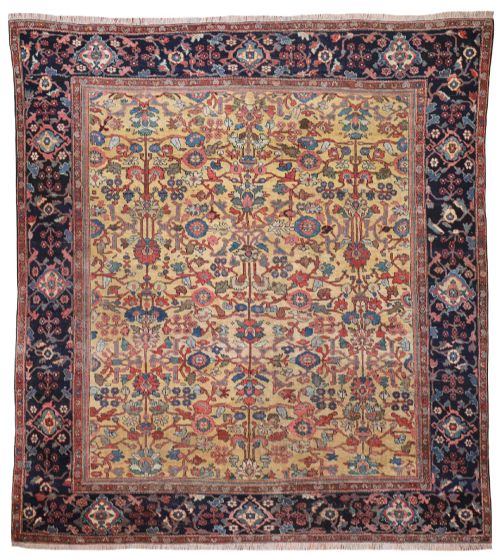
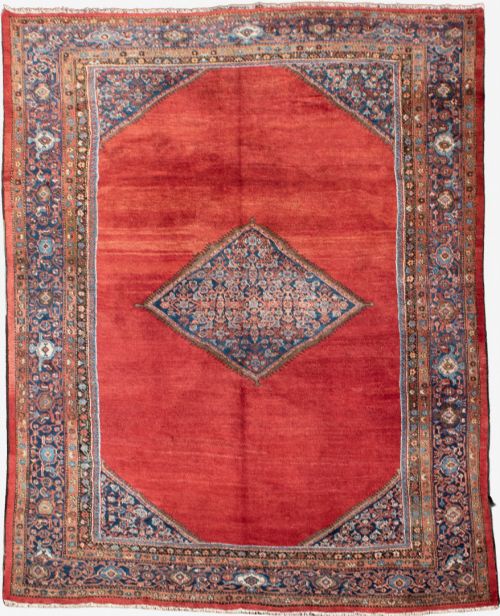
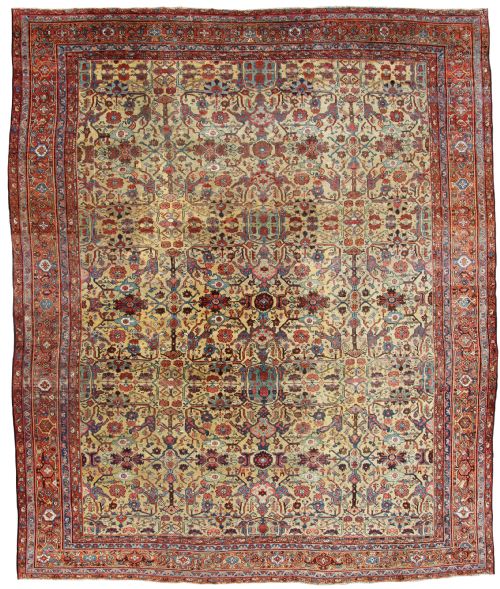
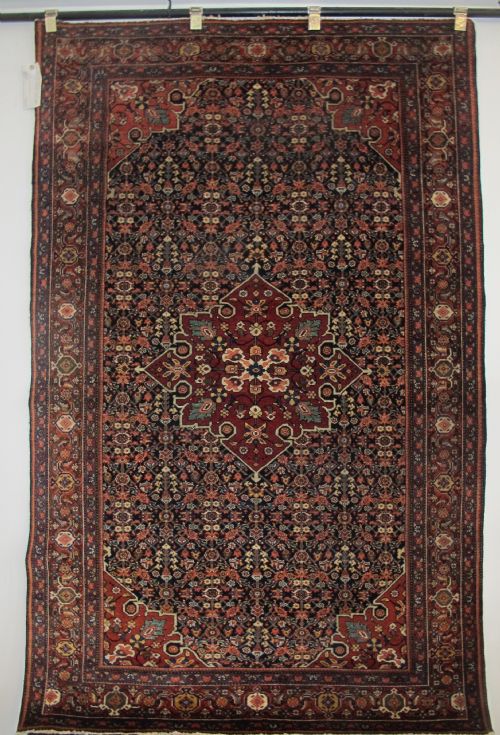
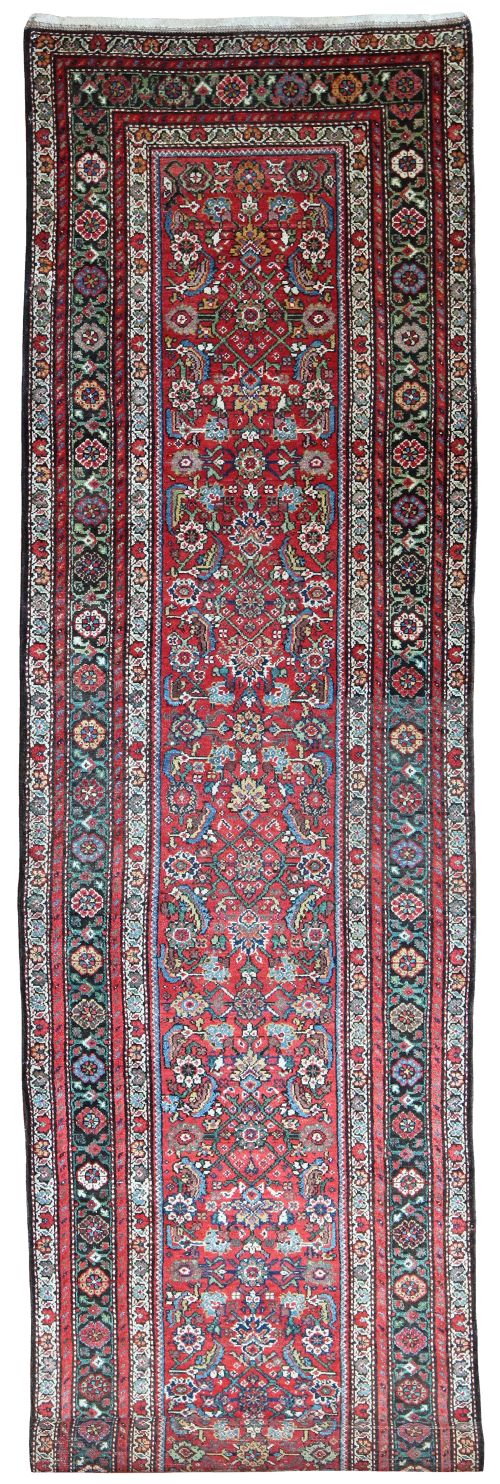
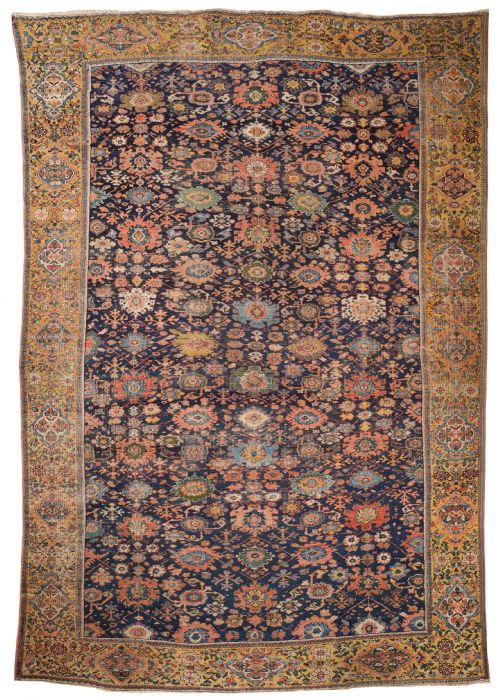
A persian farahan rug represents a distinct weaving tradition originating from West Persia, spanning the late nineteenth and early twentieth centuries. These floor coverings range from compact area rugs and runners to large roomsize carpets.
The pieces available here primarily date from the 1850s through to the 1930s, encompassing related regional styles such as Sarouk and Fereghan. Buyers frequently encounter traditional Persian patterns, including the characteristic boteh motif executed in soft colours.
Materials and construction
Weavers utilised natural wool for the pile, providing a dense and durable surface, whilst cotton served as the foundation for the warp and weft threads.
The construction employs meticulous hand-knotting techniques that produce a very fine weave, allowing for intricate curvilinear designs and geometric borders.
Persian Farahan Rug Retail Price Guide 2026
Typical asking prices for persian farahan rug among the pieces listed under this phrase on Sellingantiques today, from the lower quarter to the upper quarter. They describe what is for sale here now, not the wider market.
Some carpets stretch over four metres long, requiring substantial floor space and a dedicated team of admirers.
Assessing quality and character
The balance of the composition, from central medallions to detailed border guards, reflects the skill of the original weavers in West Persia.
The Persian Farahan Rug Glossary
- Boteh
- A stylised almond or teardrop motif symbolising life and eternity. It appears frequently across traditional Persian carpets.
- Fereghan
- A regional variant often associated with Farahan weaving traditions in West Persia. These pieces share stylistic similarities with Sarouk rugs.
- Warp
- The stationary vertical threads stretched on a loom that form the structural foundation of the rug. Cotton is the standard material used for these foundational threads.
- Weft
- The horizontal threads passed through the warp to secure the knots in place. Together with the warp, they form the hidden grid of the textile.
Persian Farahan Rug: Frequently Asked Questions
Where were these rugs made?
These textiles originate from West Persia, specifically associated with the Farahan and Fereghan districts renowned for traditional carpet production.
Production dates span from the mid-nineteenth century into the early twentieth century, reflecting established regional techniques.
What materials are used?
The pile consists of natural wool, chosen for resilience and soft texture underfoot. Foundations utilise cotton for warp and weft stability.
This combination ensures structural integrity across both smaller area sizes and large roomsize carpets.
How do I identify a Sarouk Farahan?
Sarouk Farahan pieces share overlapping stylistic traits with traditional Farahan and Fereghan carpets from West Persia. They often feature dense floral or boteh patterns.
Examining the fineness of the weave helps distinguish these regional variations.
Are runners available in this style?
Long runner formats appear alongside square roomsize carpets and smaller area rugs. These variations accommodate diverse interior layouts.
Each format maintains the traditional Persian motifs and fine wool construction characteristic of the region.