








Antique Farahan Area Carpet
An antique farahan area carpet brings the distinguished craft of nineteenth-century Persian weavers directly into a room.
Antique Farahan Area Carpet
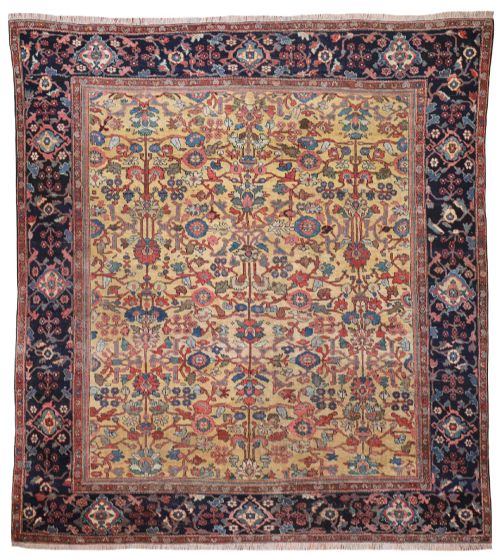
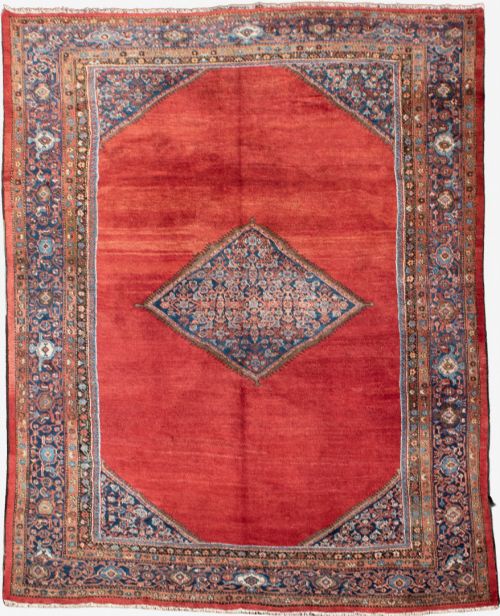
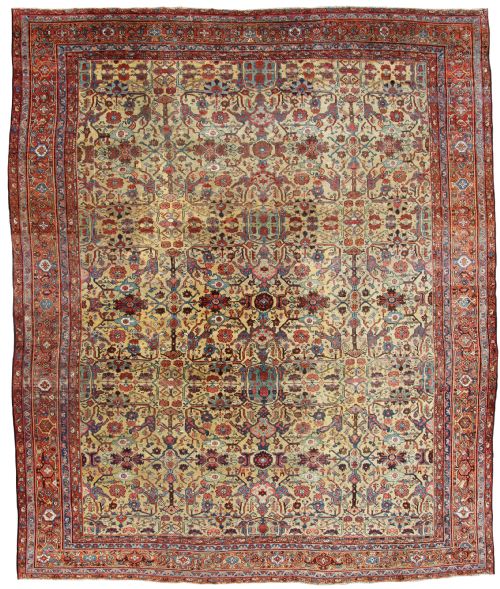
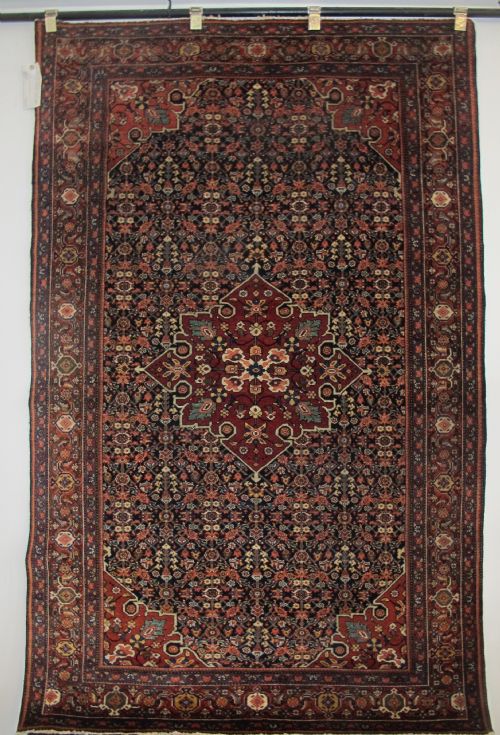
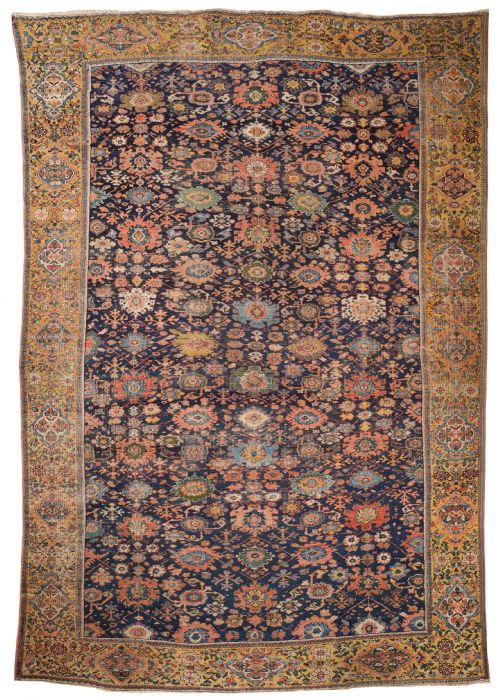
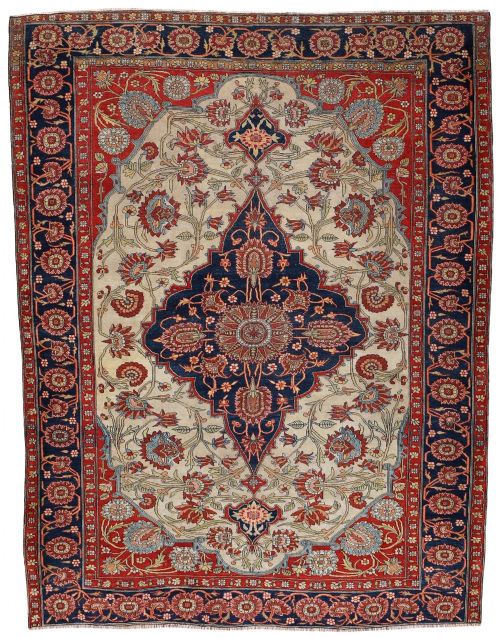
When you search for an antique farahan area carpet, you encounter room-size formats and smaller rugs dating from the mid-nineteenth century up to the early twentieth century. These Persian textiles originate from the West Persia region, representing a tradition of weaving that prioritised fine detail and balanced composition. The inventory on this page spans traditional Persian styles, including pieces specifically designated as Fereghan, Farahan, and associated Sarouk rugs.
Buyers meet both large format carpets reaching over four metres and square or rectangular area rugs suited to diverse room layouts. The pieces originate across several decades, showing dates from the eighteen-fifties through to the nineteen-thirties. Traditional Persian motifs dominate these floor coverings, reflecting the established decorative language of their period of origin.
What varies in quality
The density of the weave separates standard room-size carpets from finer examples. A tighter knot count allows for sharper delineation of traditional Persian motifs across the surface.
The handling of colour shifts across the range of pieces. Softer hues and harmonious tonal transitions distinguish the more accomplished weaving from simpler work.
Antique Farahan Area Carpet Retail Price Guide 2026
Typical asking prices for farahan area carpet among the pieces listed under this phrase on Sellingantiques today, from the lower quarter to the upper quarter. They describe what is for sale here now, not the wider market.
Every woven boteh carries a miniature world of its own, waiting quietly on the floor.
The Antique Farahan Area Carpet Glossary
- Farahan
- A style of Persian carpet originating from the West Persia region, known for refined traditional patterns. These pieces often feature classic motifs executed with notable precision.
- Boteh
- A teardrop or almond-shaped motif commonly found in traditional Persian weaving. This pattern appears frequently across the field of these rugs and carpets.
- Warp
- The vertical threads stretched on the loom that form the structural foundation of the textile. Cotton serves as this underlying framework in these Persian rugs.
- Weft
- The horizontal threads passed through the warp to bind the knots in place. Together with the warp, it creates the flat structure supporting the wool pile.
- Pile
- The upright yarn surface of the carpet formed by individual knots. Wool provides this soft yet resilient layer above the cotton foundation.
Antique Farahan Area Carpet: Frequently Asked Questions
How are these carpets dated?
Datings rely on stylistic characteristics, regional conventions, and structural analysis typical of West Persian weaving from the nineteenth and early twentieth centuries.
Comparison with documented examples helps place each rug or carpet within the correct period range.
Where were Farahan carpets made?
These textiles originate in West Persia, a region renowned for producing sophisticated floor coverings for both domestic use and export.
Local workshops developed distinct visual traditions that set them apart from other Persian weaving centres.
How do I choose the right size?
Dimensions range from smaller area rugs measuring around two metres to substantial room-size carpets exceeding four metres in length.
Square formats also appear, offering options for various spatial arrangements within a room.