







Navy Blue Farahan Carpet
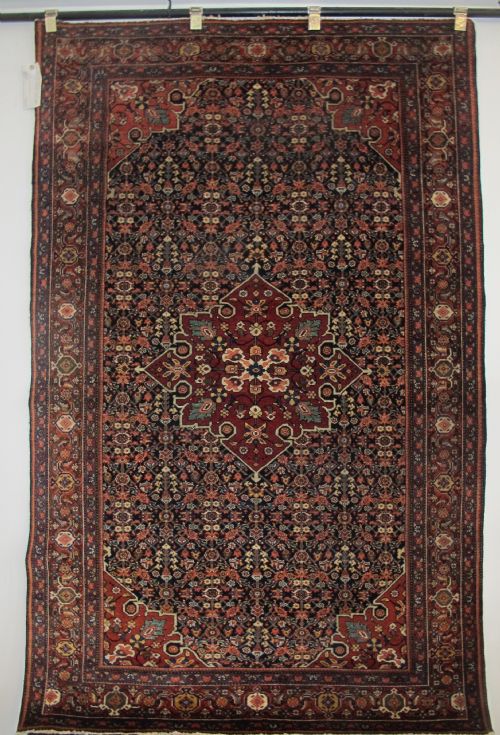
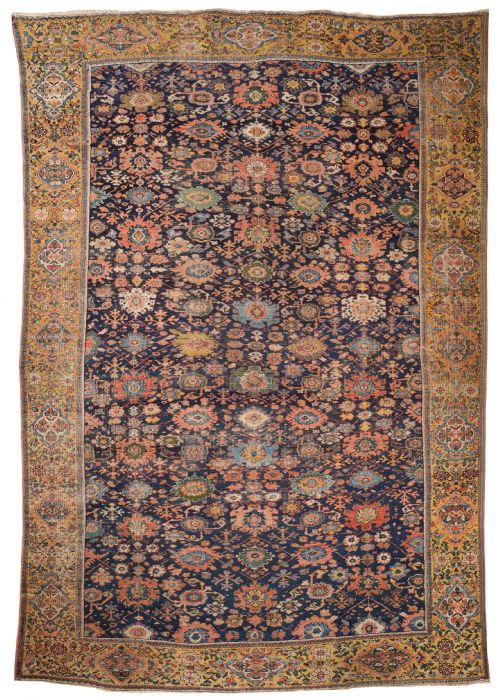
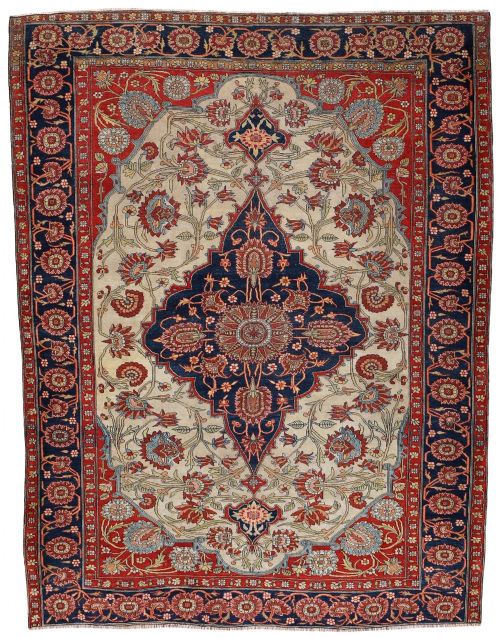
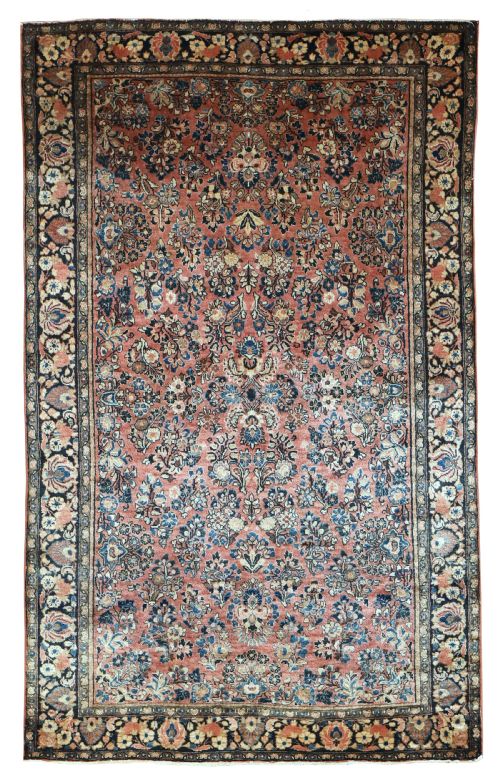
A navy blue farahan carpet brings deep, rich indigo tones and intricate traditional Persian patterns into a room, offering historic character and enduring floor covering.
Navy Blue Farahan Carpet
A navy blue farahan carpet represents a distinct weaving tradition originating from West Persia during the nineteenth century. These pieces encompass roomsize carpets, small square carpets, and smaller rugs created in traditional Persian styles.
Buyers will most frequently encounter nineteenth-century examples, specifically pieces dated across the 1870s, 1880s, and 1890s, alongside early twentieth-century variations. They function primarily as floor coverings, bringing historical depth and authentic Persian artistry into interior spaces.
What varies in quality
Quality in these carpets rests upon the fineness of the weave and the precision of the knotting across the cotton foundation. Tighter, denser knotting allows for sharper execution of traditional Persian motifs and greater longevity under foot.
The depth and nuance of the navy blue dye, alongside the handling of secondary colours within the wool pile, distinguish superior examples. The overall visual harmony of the design and the integrity of the original wool structure dictate the standing of a piece within the range.
Navy Blue Farahan Carpet Retail Price Guide 2026
Typical asking prices for navy blue farahan carpet among the pieces listed under this phrase on Sellingantiques today, from the lower quarter to the upper quarter. They describe what is for sale here now, not the wider market.
Some nineteenth-century weavers added tiny asymmetric motifs into the borders, leaving a quiet signature for anyone patient enough to trace the indigo lines.
The Navy Blue Farahan Carpet Glossary
- Farahan
- A style of Persian carpet originating from the Farahan district in West Persia, known for refined traditional patterns. These pieces date predominantly to the nineteenth century.
- Pile
- The upright yarn that forms the textured surface of a carpet, created here using wool knotted onto a foundation. The condition and density of this layer define the tactile quality.
- Warp
- The vertical threads stretched tightly on the loom that form the skeleton of the carpet, constructed in cotton for these pieces. It supports the entire knotted structure.
- Weft
- The horizontal threads passed through the warp yarns to lock the knots firmly in place row by row. Together with the warp, it forms the cotton foundation.
- Qajar Period
- The historical era in Persia spanning from the late eighteenth to the early twentieth century, encompassing the production dates of several listed carpets.
Navy Blue Farahan Carpet: Frequently Asked Questions
What is a navy blue farahan carpet?
It is a hand-knotted traditional Persian floor covering originating from West Persia, typically dating from the nineteenth century. These pieces feature a wool pile on a cotton foundation, styled with classic regional motifs.
They serve as durable area rugs or roomsize carpets that bring historic character and rich indigo colour palettes to interior spaces.
How do I date these carpets?
Dating relies on stylistic analysis, structural examination, and historical attribution matching nineteenth-century West Persian weaving characteristics. Pieces in this category frequently span the 1870s to the early 1900s.
Comparing the fineness of the weave and the specific regional design elements helps place an example within the nineteenth or early twentieth century.
Where were these rugs made?
They were produced in West Persia, specifically within the Farahan or Fereghan region renowned for sophisticated carpet weaving traditions. These workshops created distinctive rugs for both domestic use and export.
The craftsmanship reflects the materials and techniques specific to Persian workshops active during the Qajar period.
How should I care for a wool pile carpet?
Maintenance involves regular gentle vacuuming without a rotating brush to protect the delicate wool pile and cotton foundation. Keeping the rug out of direct, harsh sunlight preserves the natural dyes used in the navy blue ground.
Professional cleaning tailored to antique Persian textiles ensures the structural integrity remains undisturbed over time.