


Persian Bakhtiari Rug Runner
A persian bakhtiari rug runner is a durable woven floor covering from western Persia, prized for rich tribal patterns and long formats that suit hallways and narrow spaces.
Persian Bakhtiari Rug Runner
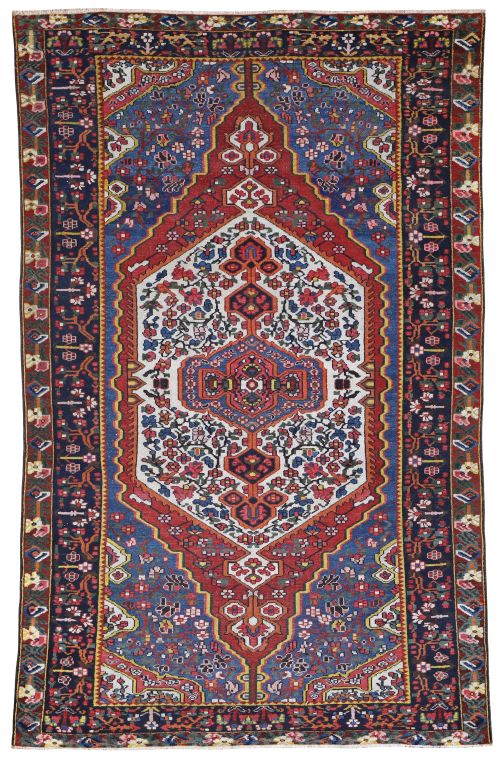
A persian bakhtiari rug runner brings traditional craftsmanship from the Chahar Mahal region into the home, offering elongated formats designed for corridors and passages. These floor coverings emerge from tribal and village traditions in western Persia, spanning production dates from the late nineteenth century through to the early twentieth century.
The selection here includes specific runner formats alongside broader village carpets, corridor carpets, and bread sofreh textiles created by Luri-Bakhtiari tribes. Pieces range from grand nineteenth-century examples measuring over four metres in length to smaller runner rugs suited for specific domestic spaces.
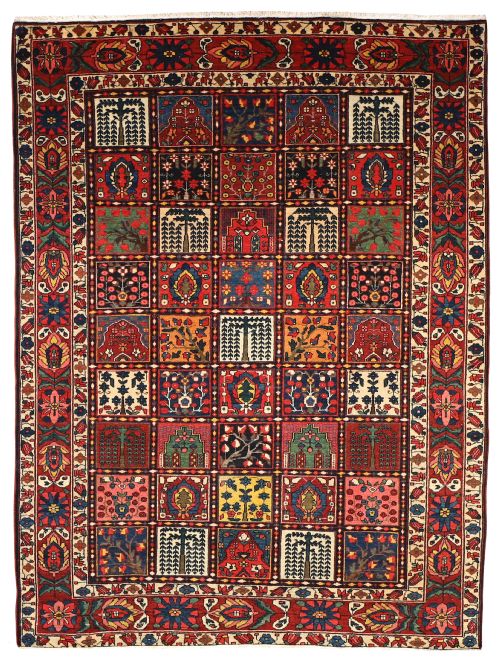
Designs encompass classic tribal motifs as well as structured garden patterns that divide the field into distinct compartments. Each piece reflects the distinct aesthetic heritage of western Persian weavers working in wool and natural dyes.
How they were made
These runners rely on traditional hand-knotting techniques executed by tribal weavers using locally sourced materials. The construction typically combines wool pile set upon a sturdy foundation.
Weavers utilised natural dyes to achieve deep colour palettes that age gracefully over decades of use. The combination of dense wool knotting and vegetable dyes accounts for the structural resilience found in these historic pieces.
Listings feature examples dated between 1880 and 1920, utilising wool, cotton, and natural dyes within Persian tribal styles.
What varies in quality
Quality in a persian bakhtiari rug runner rests upon the tightness of the weave and the precision of the tribal design work. Finer knots allow for sharper definition within complex geometric or garden compartment motifs.
The depth and vibrancy of the natural dyes also distinguish finer examples, alongside the overall integrity of the wool pile and the original side cordings. Proportion and balance across the elongated runner format play a significant role in the visual impact of the piece.
The Persian Bakhtiari Rug Runner Glossary
- Chahar Mahal
- A historic region in western Persia known for distinctive village and tribal rug production. This area remains central to the identity of Bakhtiari weaving.
- Garden design
- A formal carpet layout divided into repeating compartments representing flowers, shrubs, or water channels. This classic pattern appears frequently in Bakhtiari work.
- Kelleh
- A traditional Persian format describing a rug that is longer than it is wide, though typically broader than a corridor runner.
- Natural dyes
- Colourants derived from plant and mineral sources rather than synthetic chemicals. These materials produce organic tones that mature with a soft patina over time.
- Sofreh
- A flatwoven or piled textile traditionally used for domestic purposes such as kneading bread or serving meals. Luri-Bakhtiari tribes produced these utilitarian cloths alongside decorative floor coverings.
Persian Bakhtiari Rug Runner: Frequently Asked Questions
Where were these runners made?
These pieces originate from the Chahar Mahal region in western Persia, produced by the Luri-Bakhtiari tribes and associated village workshops. The local weaving tradition combines distinct tribal influences with structured compartment designs.
Production dates for the pieces seen here span from the late nineteenth century through the early decades of the twentieth century.
How do I use a runner in a hallway?
A long runner format suits narrow residential spaces such as corridors, hallways, and entrance passages. Measure your floor area carefully to leave a uniform border of exposed wood or stone on all sides.
Place a suitable underlay beneath the textile to prevent sliding and to cushion the wool pile against heavy foot traffic.
What is a garden design rug?
Garden design carpets feature a field partitioned into separate geometric compartments, often symbolising flowers, trees, or formal garden paths. This structured layout is a hallmark of Bakhtiari village weaving.
Each compartment contains stylised floral motifs executed in contrasting natural dye colours.
How do I care for antique wool runners?
Vacuum the piece gently using suction only, avoiding any rotating brush attachments that might pull at the wool pile. Rotate the runner periodically to ensure even exposure to foot traffic and sunlight.
Professional cleaning should be undertaken by specialists experienced in historic vegetable-dyed carpets.