





Red Ivory Runner Rug
These red ivory runner rugs bring warmth and structure to narrow corridors through traditional Persian and Caucasian weaving.
Red Ivory Runner Rug
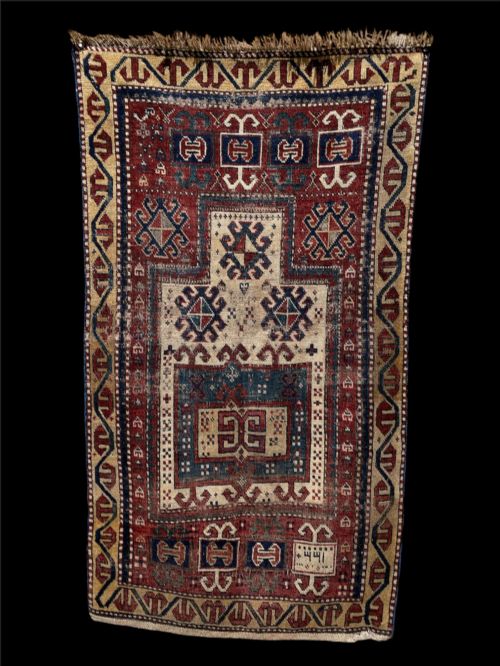
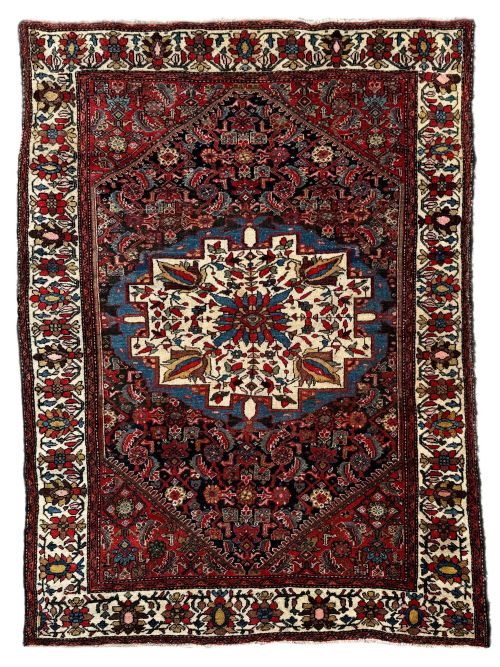
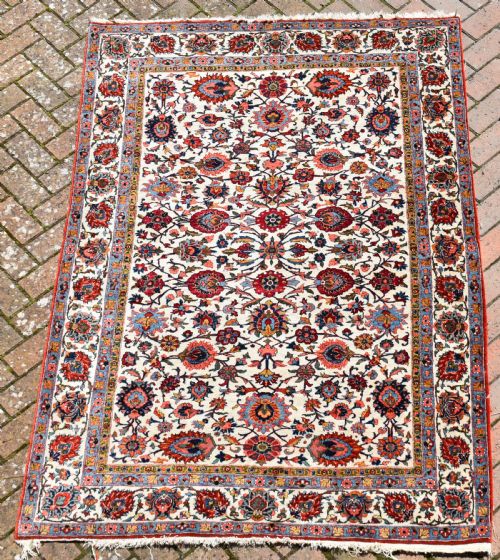
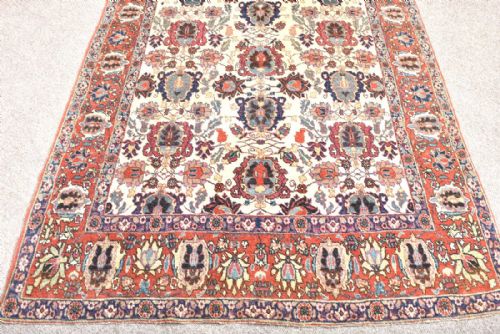
A red ivory runner rug spans elongated formats designed for hallways and galleries, featuring traditional Persian, Caucasian, and tribal designs. These long floor coverings utilise striking contrasting borders and grounds, anchoring narrow spaces with historical patternwork.
The selections encountered here originate from various periods including the late nineteenth and early twentieth centuries. Pieces range from village Baluch and Kurdish productions to finely knotted town rugs like Qum and Kashan.
Makers and weavers employ specific formats such as the narrow runner or village carpet layout. Buyers find long formats that display distinct medallion, lattice, and boteh motifs across wool foundations.
Materials and construction
Weavers construct these runners using wool and hand-spun wool piled onto cotton or wool foundation warps and wefts. This combination provides the dense handle and durability required for heavy foot traffic in domestic settings.
Dyers utilise natural and traditional colour sources to achieve the characteristic red and ivory tones seen across Caucasian Kazak, Kurdish, and Persian Malayer pieces. The knotting technique secures the pile tightly, defining the crisp geometric and floral outlines.
Old village weavers occasionally inserted minor intentional asymmetry into repeating borders to ward off bad luck, giving each runner its own personality.
What separates fine examples
Quality rests in the precision of the knot density and the crispness of the drawing within motifs like the lattice or boteh design. Finer town pieces exhibit exceptional detail in floral elements, whereas tribal examples rely on bold geometric impact.
The handle and resilience of the wool pile dictate the longevity of the runner. Superior examples display even wear, responsive lanolin-rich wool, and harmonious saturated dyes that retain their visual contrast over generations of use.
The Red Ivory Runner Rug Glossary
- Boteh
- A stylised almond or paisley motif representing a floral shoot or cypress tree. This ancient symbol appears frequently in Persian and Kurdish weaving.
- Runner
- An elongated narrow carpet format specifically woven for hallways, stairs, and corridors. These pieces measure significantly longer than their width.
- Warp
- The vertical foundation threads stretched tightly on the loom before knotting begins. Wefts are then passed horizontally between them to secure the structure.
- Pile
- The upright yarn surface of a rug formed by individual knots tied to the warp threads. The height and density of this layer determine the tactile feel.
Red Ivory Runner Rug: Frequently Asked Questions
Where should I place a long runner?
These narrow formats suit hallways, corridors, and bedside spaces where length and colour add character to plain flooring. They protect high-traffic floorboards while defining narrow architectural paths.
Ensure you use an appropriate underlay beneath the rug to prevent slipping and reduce friction on the wool foundation during daily use.
How do I clean an antique wool rug?
Gentle surface brushing and careful vacuuming without a rotating beater bar remove embedded grit from the pile. Professional specialist cleaning remains safest for historic dyes and natural wool foundations.
Avoid excessive moisture and harsh chemical detergents, as these can destabilise traditional colourfastness and weaken hand-spun fibres.
What is a village rug?
Village rugs are woven by independent makers within small rural communities rather than large urban workshops. They often feature geometric memory designs and charming local variations in colour.
These pieces contrast with formal city productions like Qum or Kashan, offering a more expressive and rustic aesthetic for collectors.
How do I identify a Kurdish runner?
Kurdish pieces frequently incorporate robust wool structures and distinctive motifs such as the boteh design against contrasting ivory grounds. Their construction reflects the traditional weaving heritage of Kurdish tribal groups.
Examining the selvedges and end finishes provides further clues to their regional origin and period of manufacture around nineteen hundred.