


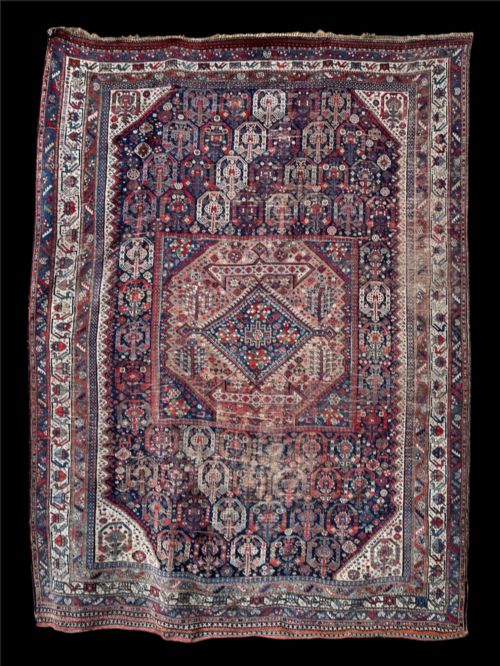
Persian Area Carpet Blue
A persian area carpet blue anchors a room with deep, historic dye work and enduring knotting traditions.
Persian Area Carpet Blue
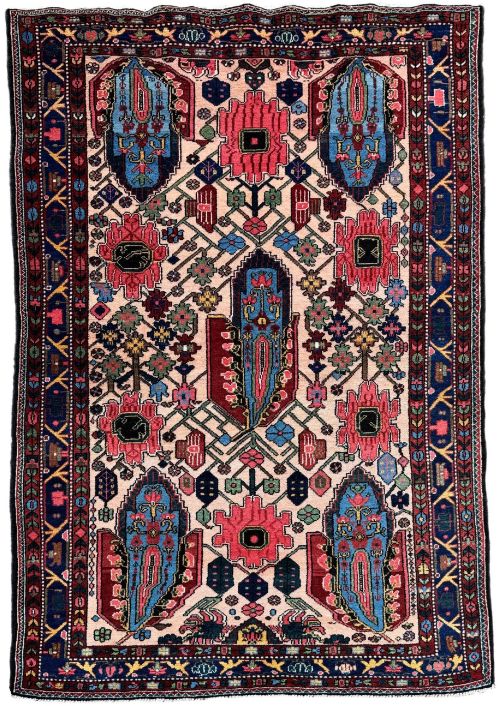
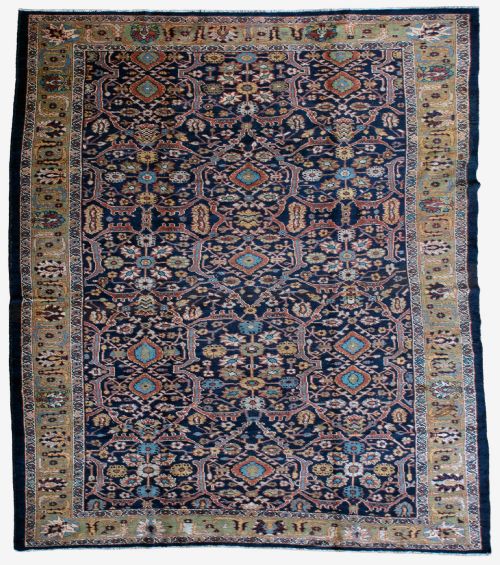
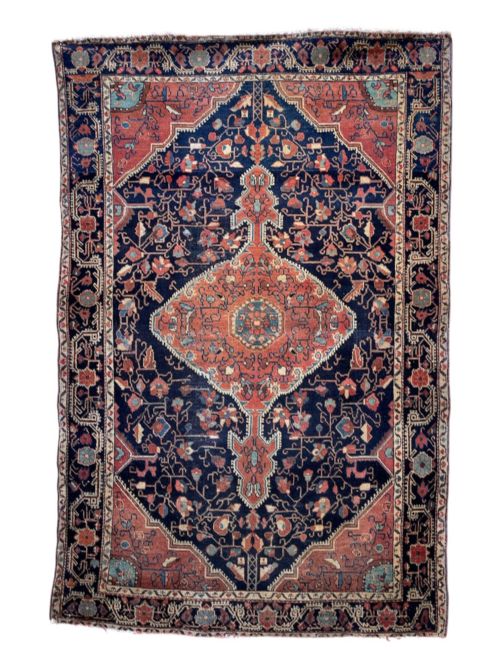
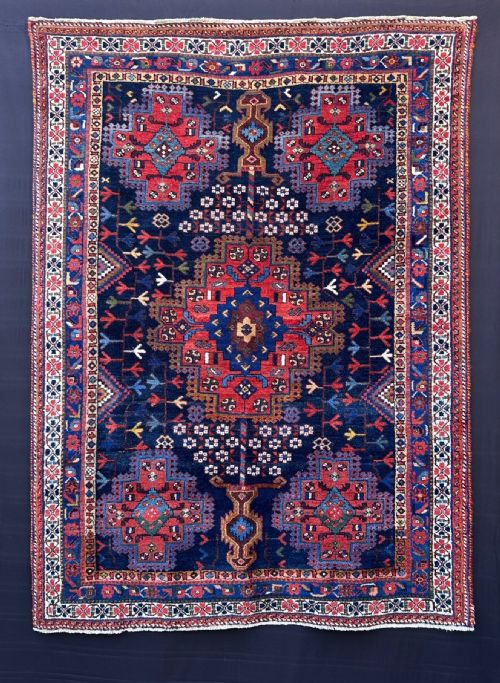
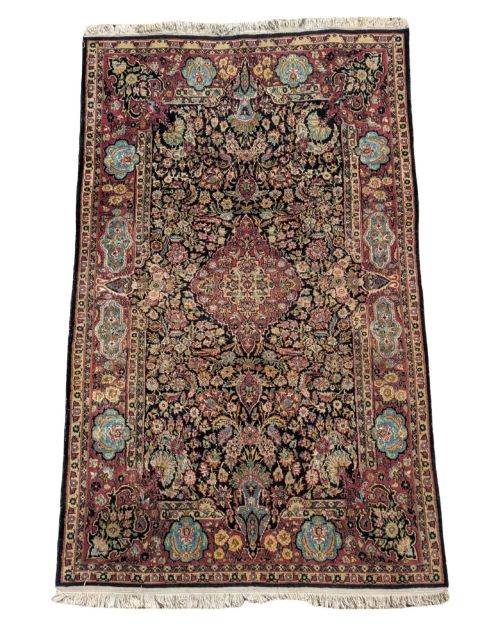
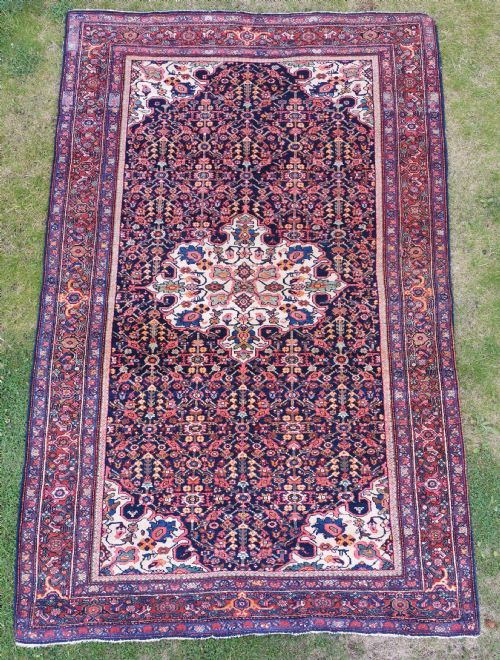
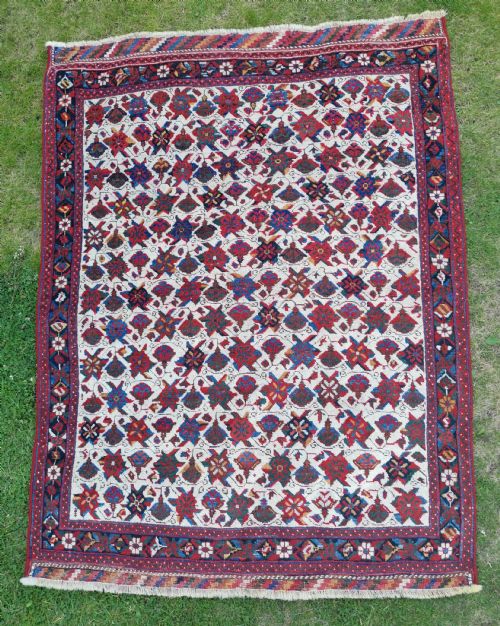
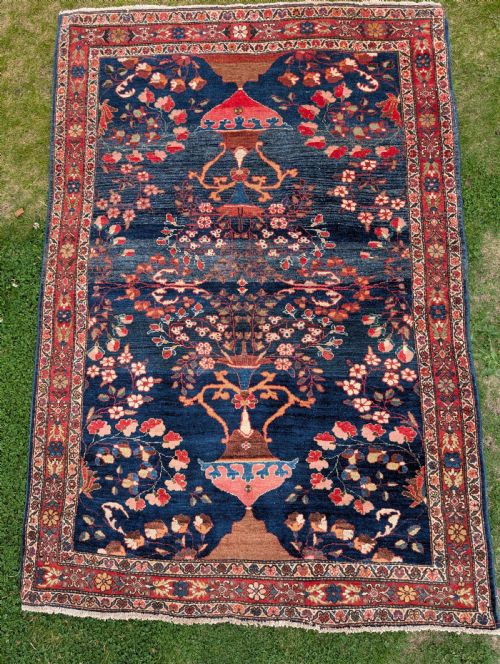
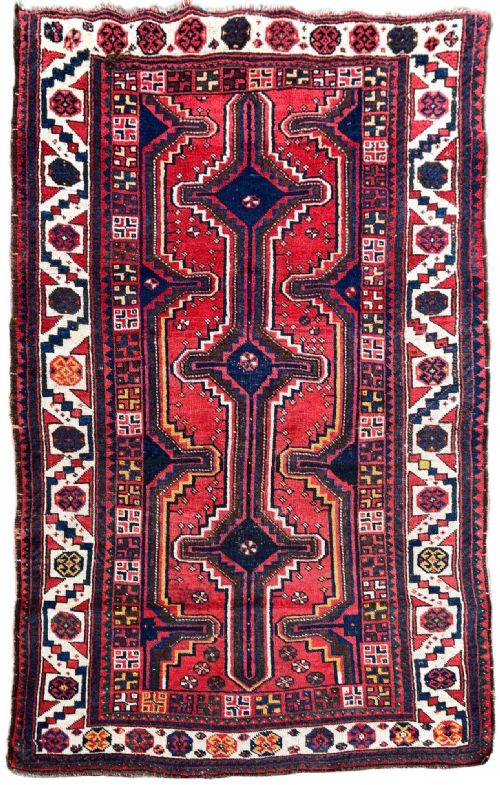
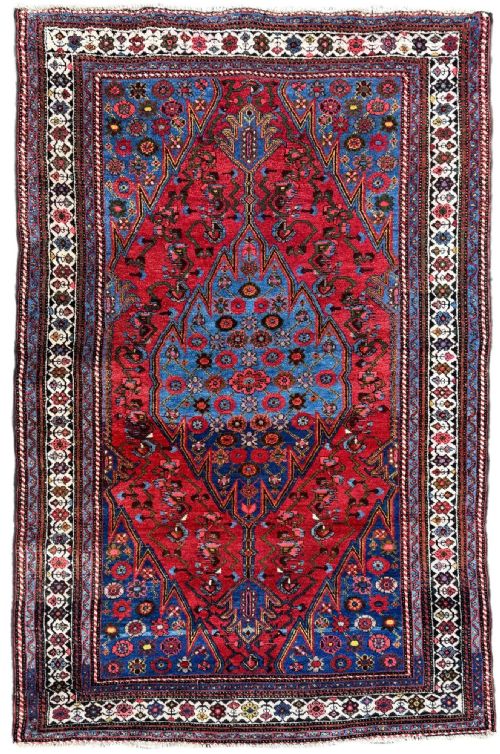
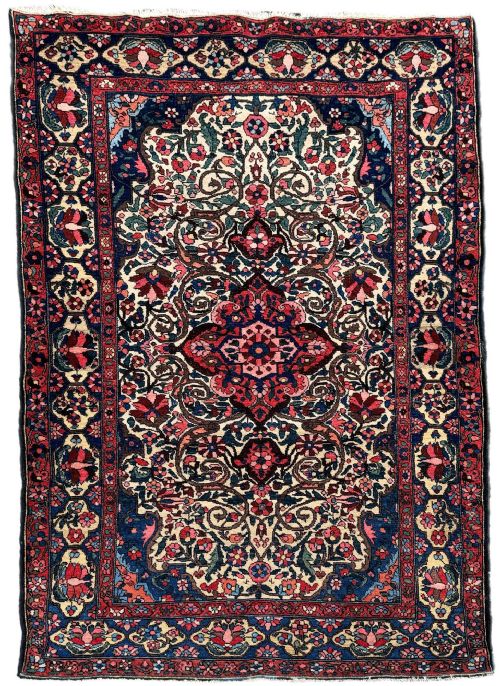
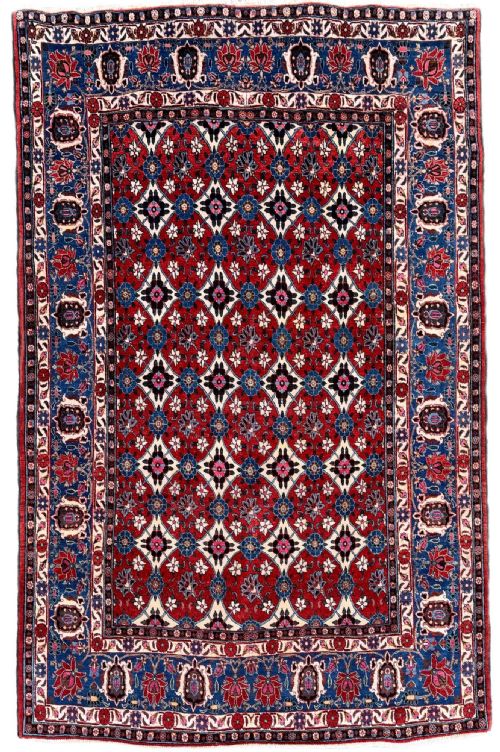
When you search for a persian area carpet blue, you encounter floor coverings woven across various regions of Persia during the nineteenth and twentieth centuries. These pieces encompass village and tribal works like Khamseh, Afshar, and Heriz, alongside city pieces from Tabriz and Ishfahan.
The selection ranges from large floor carpets measuring over six metres down to smaller area rugs and runner formats. Many examples display central geometric medallions, while others present all-over tribal patterns rendered in rich indigo and lighter sky blue tones.
Most entries originate from the period between the 1880s and the 1930s, spanning traditional village production and transitional twentieth-century weaving. Collectors meet both rustic nomadic formats and finely detailed room-sized pieces on this page.
Materials and Construction
Weavers constructed these carpets predominantly using wool foundations and pile, occasionally incorporating hand-spun wool and cotton structural elements alongside silk highlights. Natural dyes provided the deep blue colour palettes characteristic of these regional textiles.
Nomadic and village workshops utilised hand-knotting techniques on vertical or horizontal looms to produce dense, durable piles suited for heavy domestic use. Artisans worked from memory or traditional tribal motifs, resulting in distinctive variations across Heriz, Bakhtiar, and Khamseh pieces.
Some nineteenth-century tribal weavers incorporated tiny accidental asymmetric motifs into their blue fields, leaving a personal signature in the wool.
Assessing Quality and Execution
Quality in these carpets rests upon knot density, the precision of the geometric or floral drawing, and the depth of the natural dye palette. Finer city weaves display intricate curves and silk highlights, whereas tribal pieces derive distinction from robust wool and saturated indigo grounds.
The integrity of the foundation and the uniformity of the weave distinguish superior examples from standard production. Well-preserved village carpets exhibit balanced proportions in their medallions and consistent pile height across the field.
Heriz·Tabriz·Bakhtiar·Khamseh·Afshar·Ishfahan
The Persian Area Carpet Blue Glossary
- Medallion
- A large central ornamental design motif placed in the middle of the carpet field. This focal element often dictates the geometric symmetry of Heriz and Jozan pieces.
- Natural Dyes
- Colourants derived from plant and mineral sources rather than synthetic chemicals. These materials produce the nuanced indigo and blue shades found in nineteenth-century Persian rugs.
- Pile
- The vertical surface of yarn loops or cut ends that forms the usable soft layer of the carpet. Wool pile provides durability and rich texture in traditional village weaves.
- Warp
- The longitudinal threads stretched tightly on the loom that carry the structural weight of the carpet. Cotton and wool warp threads support the knotted pile.
- Weft
- The horizontal threads passed across the warp threads between rows of knots to secure the pile in place. Alternating weft tensions can create specific ridged textures in regional carpets.
Persian Area Carpet Blue: Frequently Asked Questions
How do I place a large carpet in a modern room?
Position the piece so that the main furniture groupings sit comfortably on top or frame the central medallion. Allow sufficient bare floor perimeter to showcase the indigo borders.
Ensure heavy foot traffic paths do not catch curled edges, and utilise a suitable underlay to prevent slipping on polished wooden floors.
What is the difference between Heriz and Afshar rugs?
Heriz carpets typically feature large, bold geometric medallions with rectilinear layouts woven in northern workshops. They are built for substantial room sizes and heavy wear.
Afshar rugs originate from southern tribal weavers, presenting smaller formats with dense repeating patterns, stylised birds, or multi-medallion designs in deep blue and red tones.
How do I care for antique wool pile?
Vacuum the rug gently with a suction-only attachment, avoiding rotating brush bars that can pull at the hand-knotted pile. Lift and shake smaller mats rather than beating them.
Address spills immediately by blotting with a clean, dry cloth without rubbing, and consult a specialist for professional washing when necessary.
Can I identify the age from the blue dyes?
Nineteenth-century pieces often display subtle abrash, where natural indigo dye batches shift slightly in tone across the field. Twentieth-century examples from the 1920s and 1930s may show more uniform chemical or mixed dye lots.
Examine the back of the rug to observe how the blue wool yarn transitions through the knot structure and foundation.