

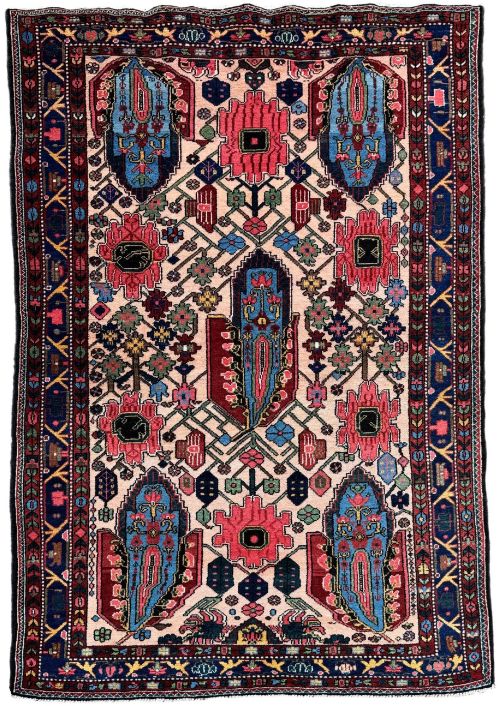
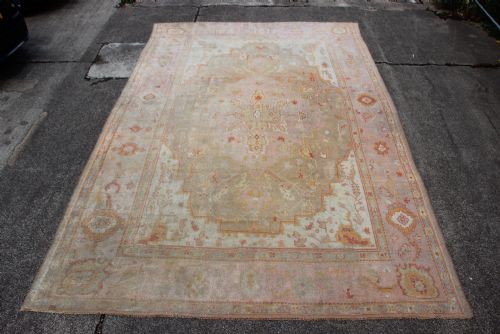
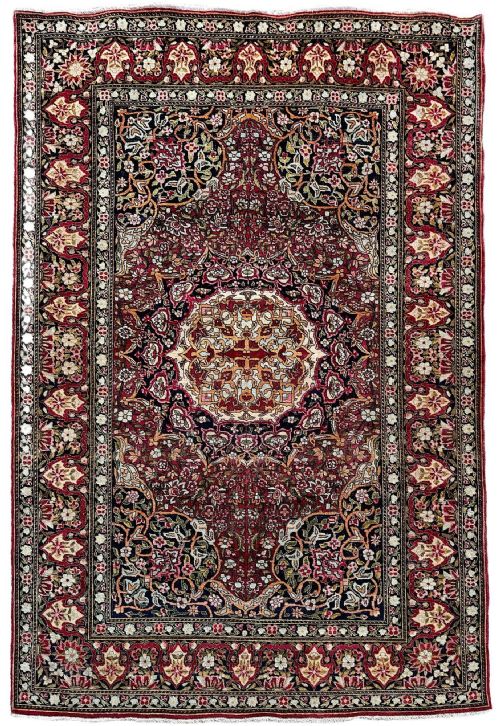
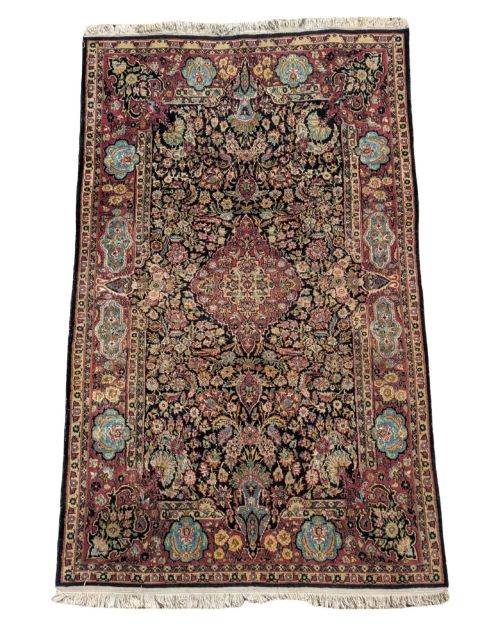
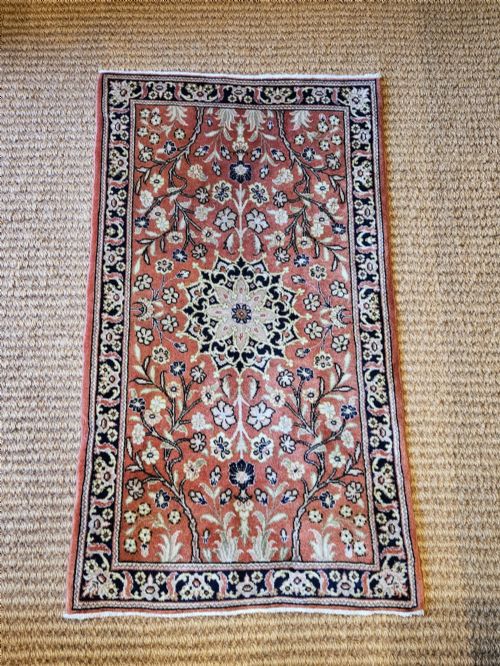
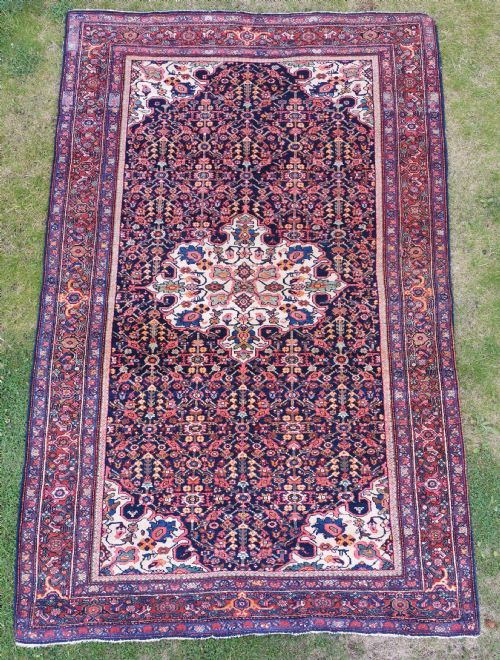
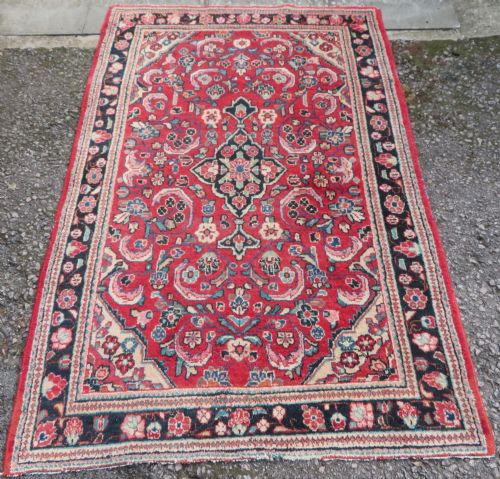
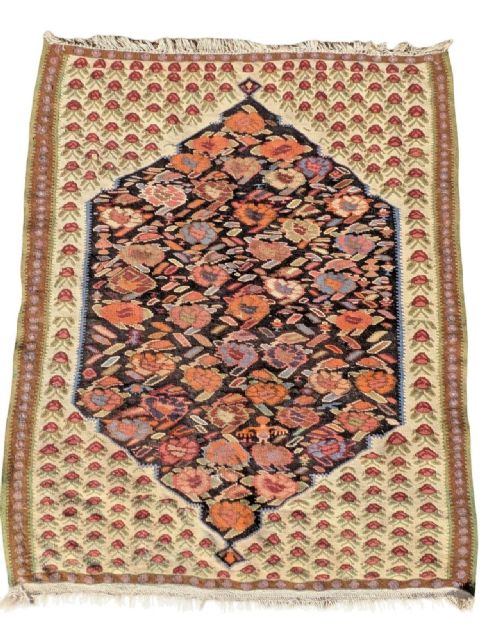
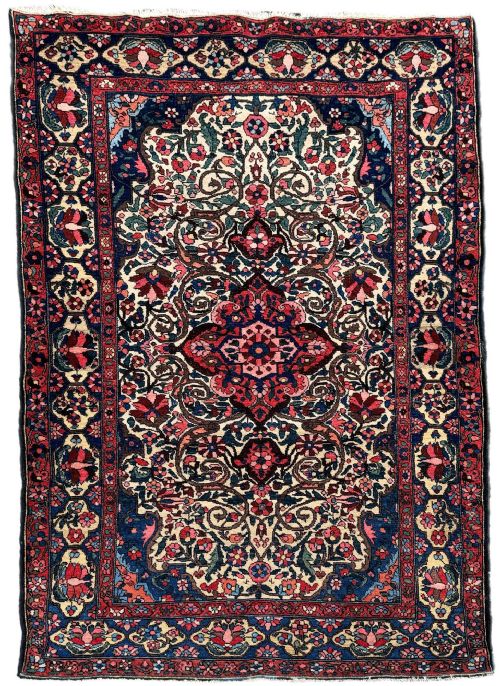
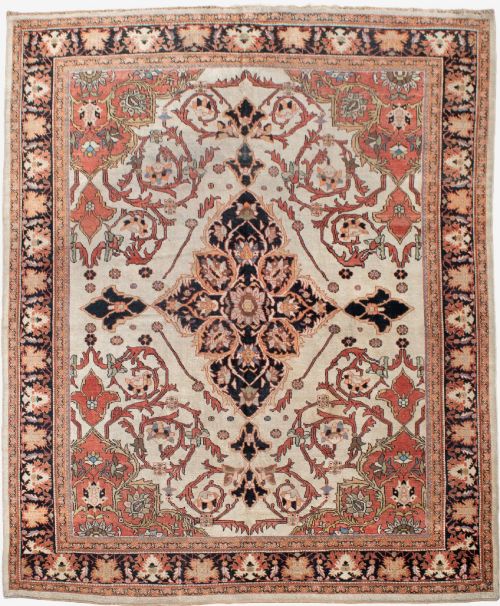
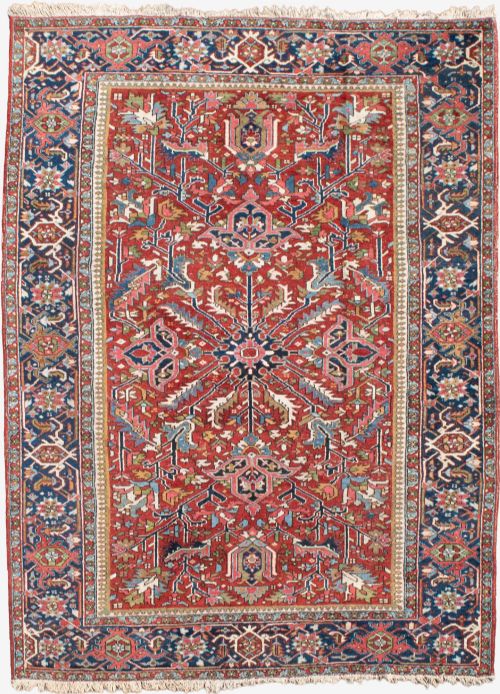
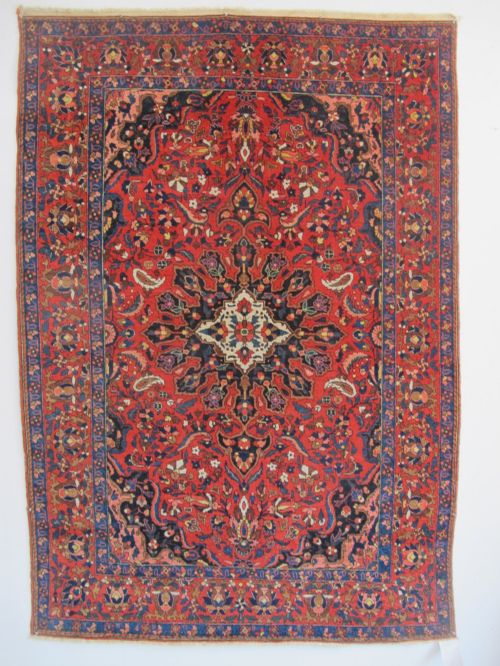
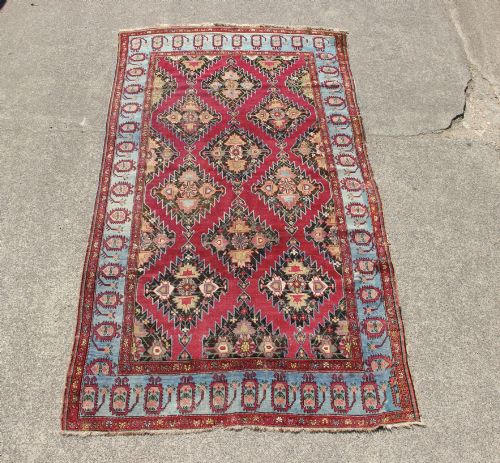
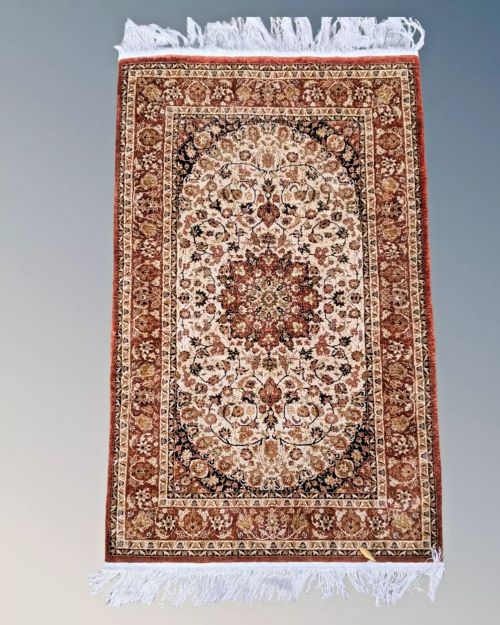
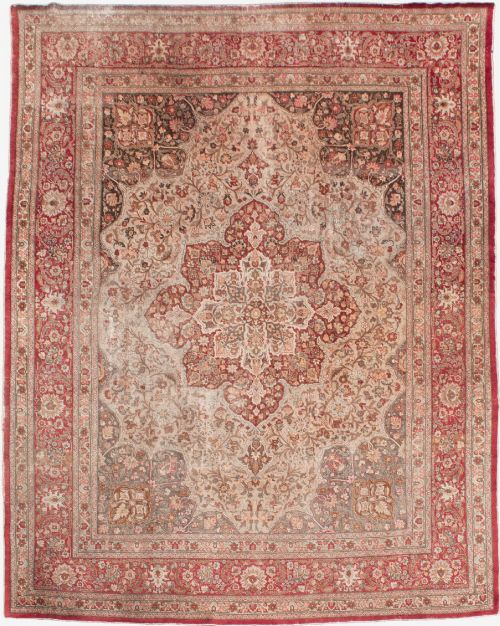
Floral Medallion Area Rug
A floral medallion area rug anchors a room with traditional Persian, Ottoman, and regional patterns woven in wool, cotton, and silk.
Floral Medallion Area Rug
A floral medallion area rug grounds a seating area or hall with distinct central motifs surrounded by intricate field designs. These floor coverings emerge from Persian, Indian, and European weaving traditions spanning the late nineteenth and early twentieth centuries.
Buyers encounter room-size carpets alongside smaller hearth and village rugs from centres such as Tabriz, Bakhtiar, Mahal, and Kashan. Each piece reflects the specific regional knotting techniques and design vocabularies of its origin.
Kilim rugs and flatweaves provide lighter alternatives to pile carpets, maintaining the same traditional medallion structures. Format scales range from intimate apartment runners to expansive country house dimensions.
How They Were Made
Weavers constructed these rugs predominantly using wool foundations and pile, occasionally incorporating cotton for structural warp and weft stability. Silk appears in select highlights, pictorial elements, and finer imported or city-woven carpets.
Hand-weaving traditions dictated the density of the knots and the flexibility of the resulting textile, whether in sturdy village workshops or formal urban manufactories. Natural and early chemical dyes produced the soft pastel colours and saturated hues found across the period.
Listings feature pile carpets and flatweave kilims produced across Persia, India, and Eastern Europe between eighteen-eighty and nineteen-forty.
What Varies in Quality
The precision of the central medallion geometry and the crispness of the surrounding floral field distinguish finer examples from simpler village output. Finer knots per square inch allow for greater curvilinear detail in the drawing.
Dye consistency and the harmonious interaction of palette shifts across the field elevate a carpet's visual impact. The integrity of the wool supply and the retention of original fringe and selvedge lengths influence overall structural preservation.
Benlian
The Floral Medallion Area Rug Glossary
- Medallion
- The central ornamental motif dominating the field of the rug. It anchors the symmetrical layout of the surrounding floral patterns.
- Kilim
- A flatweave textile produced without pile by tightly interweaving warp and weft strands. These pieces offer a thinner profile than traditional knotted carpets.
- Warp
- The stationary vertical threads stretched upon the loom that form the structural skeleton of the rug. Fringe ends typically emerge from these tensioned foundation cords.
- Weft
- The horizontal threads passed across and interlaced between warp threads to secure the rows of knots. They bind the structure together after each row is completed.
- Pile
- The vertical tufts of wool, cotton, or silk clipped to create the soft surface of the carpet. Higher knot densities generally yield a tighter and more durable pile.
Floral Medallion Area Rug: Frequently Asked Questions
How do I clean an antique rug?
Gentle surface brushing and professional specialist washing preserve delicate wool and silk fibres. Avoid harsh chemical immersion or abrasive scrubbing.
Regular rotation distributes foot traffic evenly across the pile, preventing localized wear patterns over decades of domestic use.
Where should I place a room-size carpet?
Large formats suit dining spaces and drawing rooms where furniture legs anchor the edges of the textile. Measuring the clearance ensures the central medallion remains visible.
Smaller hearth rugs fit entryways, reading corners, and bedside positions where expansive dimensions overwhelm the floor space.
How do I identify Persian workshop origins?
City-made carpets from urban centres like Tabriz, Kashan, and Isfahan display refined floral curves and tight knotting. Village weaves from Bakhtiar, Heriz, and Mahal exhibit bolder geometric interpretations and robust wool.
Examining the structural density on the reverse reveals whether the piece emerged from a formal atelier or a regional weaving household.
What is the difference between a rug and a carpet?
Terminology often distinguishes smaller hearth and area formats from expansive room-size floor coverings. Both terms describe hand-knotted pile textiles from the nineteenth and twentieth centuries.
Scale determines the nomenclature used by weavers and dealers rather than any fundamental divergence in construction technique.