
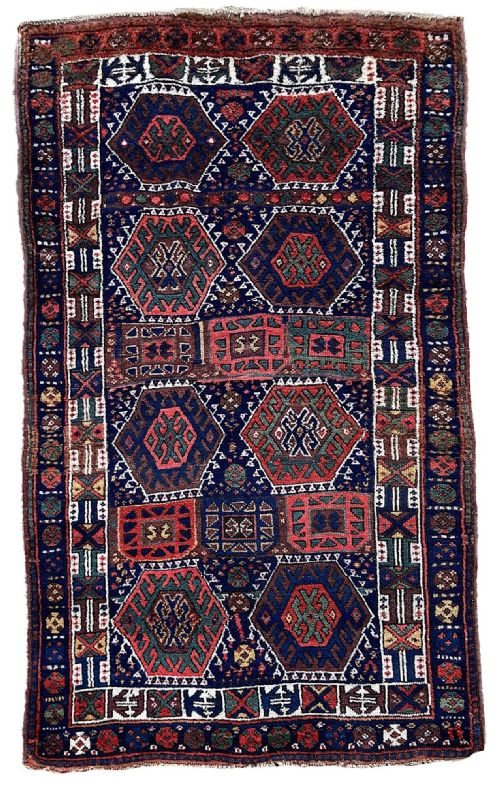


Persian Accent Area Carpet
A persian accent area carpet brings regional village weaving and town workshops into a room through traditional patterns and dense pile.
Persian Accent Area Carpet
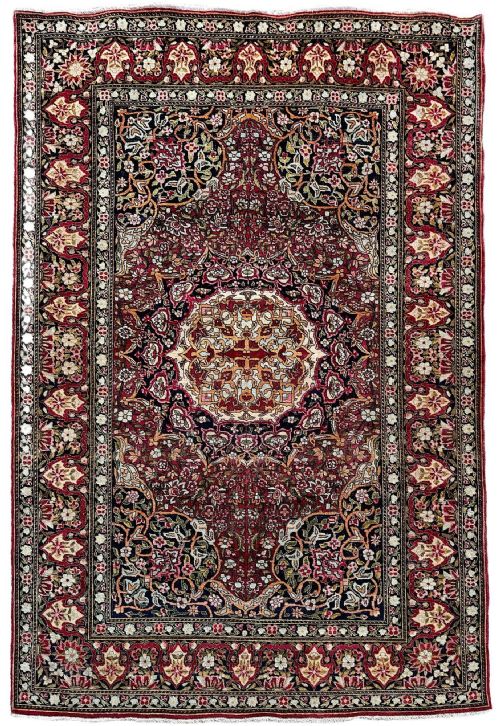
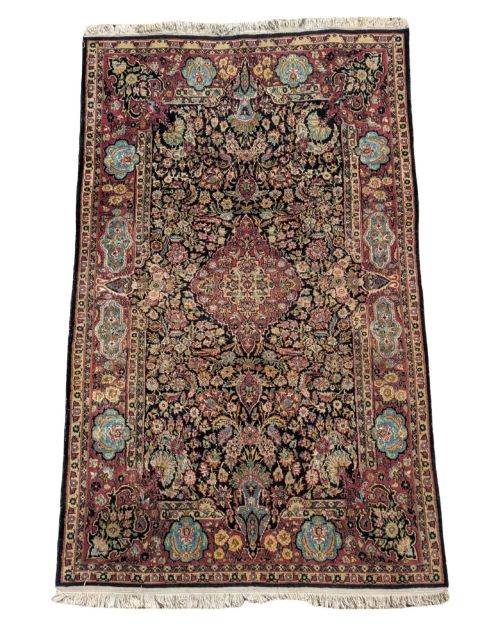
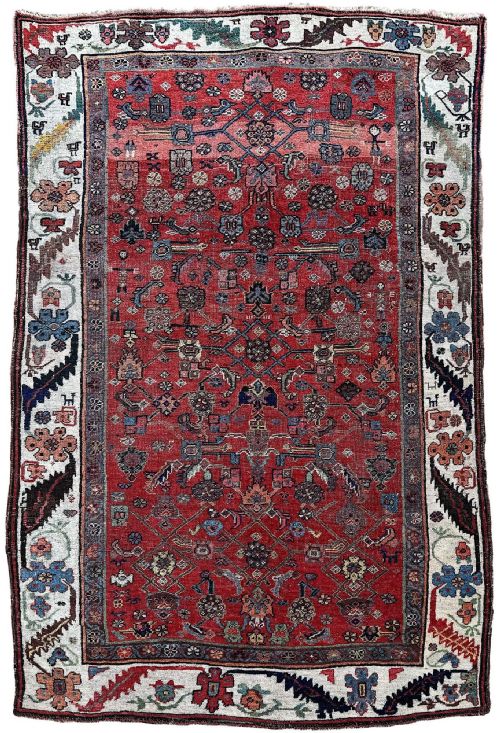
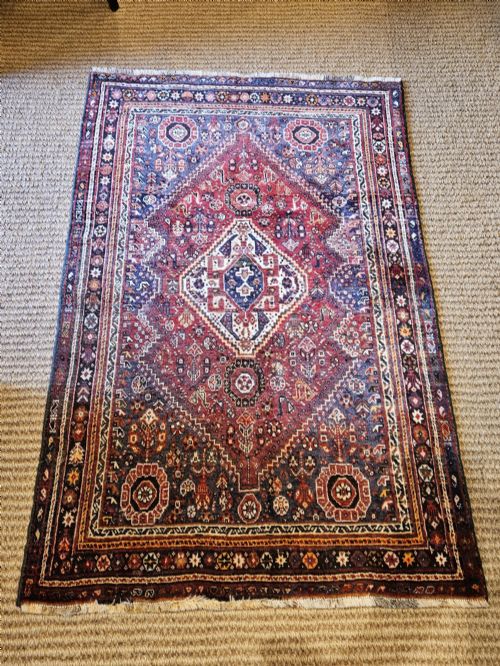
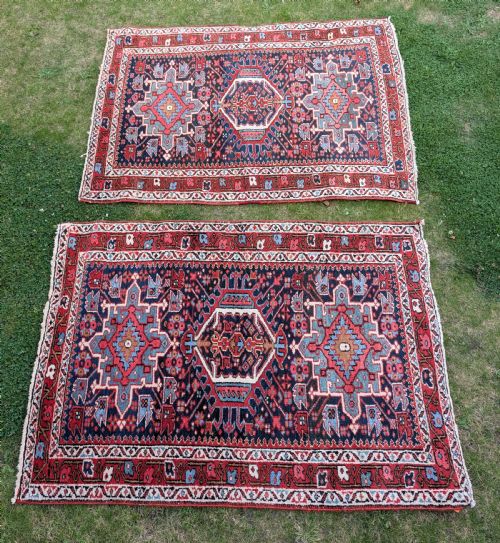
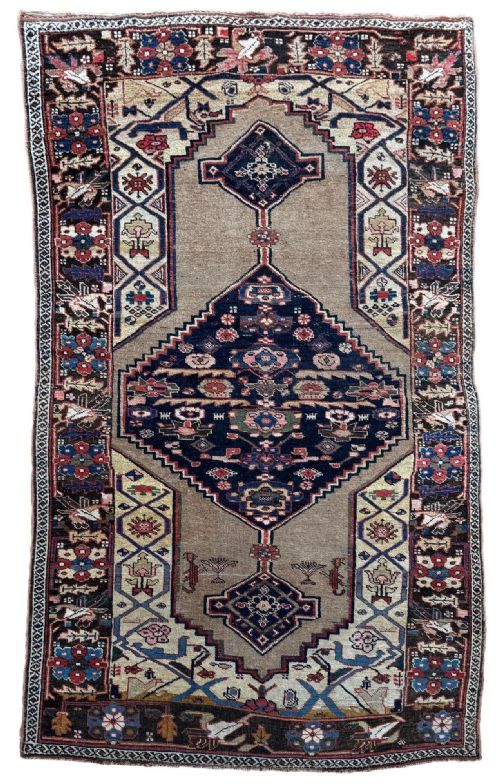
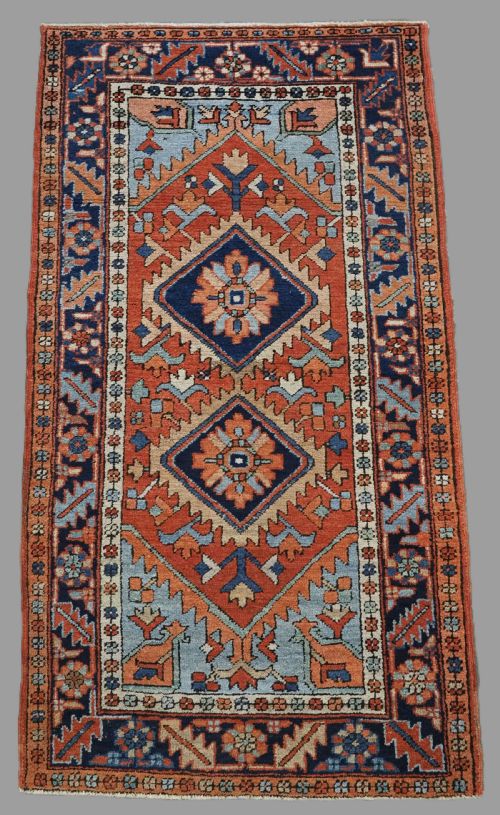
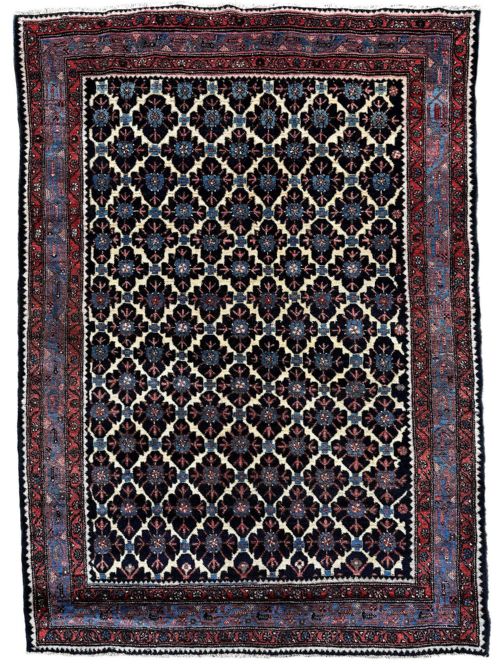
A persian accent area carpet brings together various regional traditions from the nineteenth and early twentieth centuries, spanning works from village cooperatives and nomadic groups. Buyers encounter formats typical of smaller rooms and seating areas, originating from hubs such as Heriz, Bidjar, Karaja, and Afshar.
The styles range from geometric tribal designs and medallion layouts to detailed floral town compositions. Many examples reflect the output of specific weaving regions across Persia, categorised by distinct border motifs and structural densities.
Materials and construction
These carpets rely primarily on wool piles set against cotton or wool foundations, sometimes incorporating silk highlights or natural camel hair. Artisans utilise hand-spun wool and natural dyes to achieve the varied colour palettes seen across the nineteenth and early twentieth-century examples.
The construction involves hand-knotting techniques specific to each tribal group or town workshop, resulting in varying pile densities and structural weights. Foundation materials like cotton warps provide stability, while supplementary wool and silk elements define the surface texture.
Listings feature pieces dated across the nineteenth and early twentieth centuries, spanning wool, cotton, and silk materials.
Judging quality in Persian carpets
Quality rests upon the fineness of the knotting and the precision of the design execution, which varies between coarse tribal pieces and tightly woven town carpets. The consistency of hand-spun wool and the depth of natural dyes dictate the visual resonance of the pile.
Structural integrity depends on the preservation of the original selvedges and ends, alongside the uniformity of the foundation weave. Examples with balanced proportions and crisp motif definition represent the upper tier of regional output.
The Persian Accent Area Carpet Glossary
- Warp
- The stationary vertical threads stretched across the loom upon which the knots are tied. These foundation threads form the structural skeleton of the carpet.
- Weft
- The horizontal threads passed between the rows of knots to secure them in place. They are beaten down firmly with a heavy comb during weaving.
- Selvedge
- The reinforced outer edges of a carpet formed by wrapping the side warps. This finishing prevents the sides from fraying over time.
- Medallion
- A symmetrical central ornament placed in the field of the carpet. This decorative motif often anchors the entire composition of the design.
- Pile
- The vertical cut loops of wool, silk, or camel hair that create the surface of the carpet. The density and height of this wool layer define the texture underfoot.
Persian Accent Area Carpet: Frequently Asked Questions
Where should I place a small carpet?
These pieces suit compact spaces such as studies, hallways, and bedside areas where large formats overwhelm the floor plan. They serve well to define specific zones within a larger room without dominating the surrounding furniture.
Position them away from heavy moisture or direct, harsh sunlight to preserve the natural dyes and wool fibres. Regular rotation helps ensure even wear across the surface from foot traffic.
How do I identify a tribal design?
Tribal designs typically feature geometric motifs, stylized animals, and repeating field patterns rooted in regional folklore rather than formal botanical town layouts. Weavers from groups such as the Baluch, Afshar, and Qashqai relied on memory and traditional symbols.
These pieces often display slight irregularities in symmetry and line work that reflect hand-weaving outside of regulated urban workshops. The presence of camel hair or coarser wool warps also points towards nomadic or village origins.
How do I care for antique wool carpets?
Maintenance requires gentle vacuuming without a rotating power brush to avoid pulling the hand-tied knots and woolen pile. Professional cleaning should occur infrequently and only by specialists familiar with natural dyes and antique textiles.
Using a breathable underlay helps prevent slipping and reduces friction between the foundation and the floorboards. Keeping the room well-ventilated protects the organic fibres from dampness.