



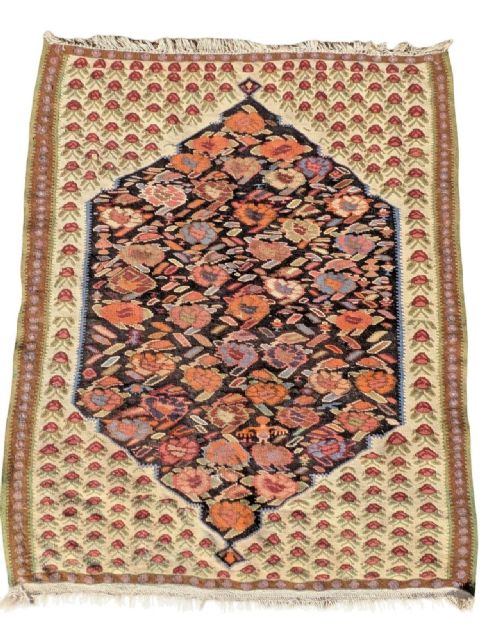
Traditional Floral Oriental Carpet
A traditional floral oriental carpet anchors a room with generations of woven artistry, bringing rich botanical motifs and deep history to your floor.
Traditional Floral Oriental Carpet
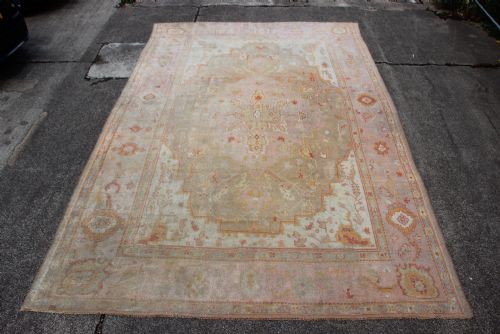
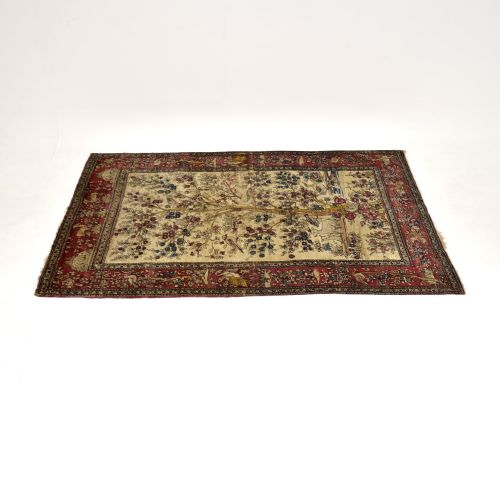
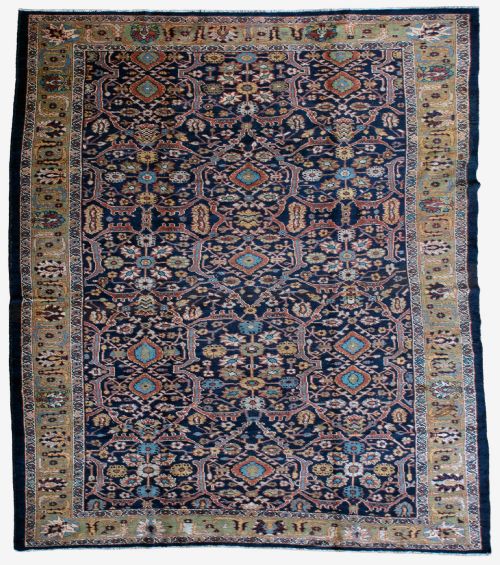
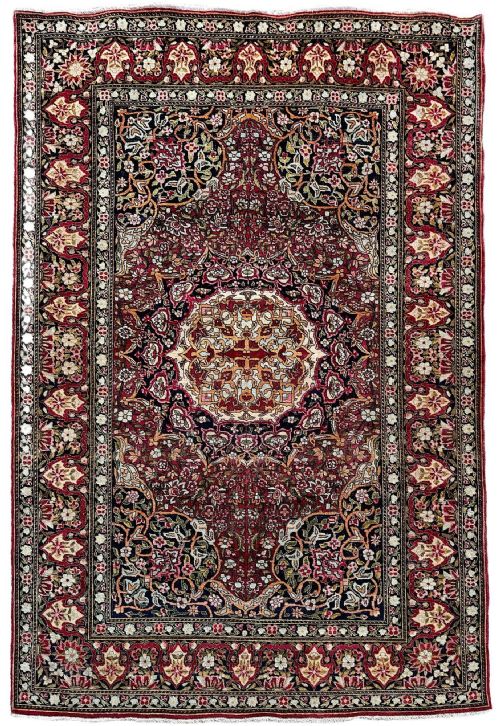
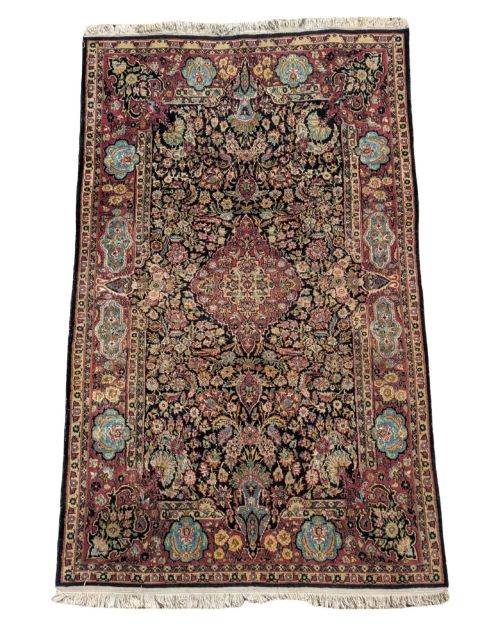
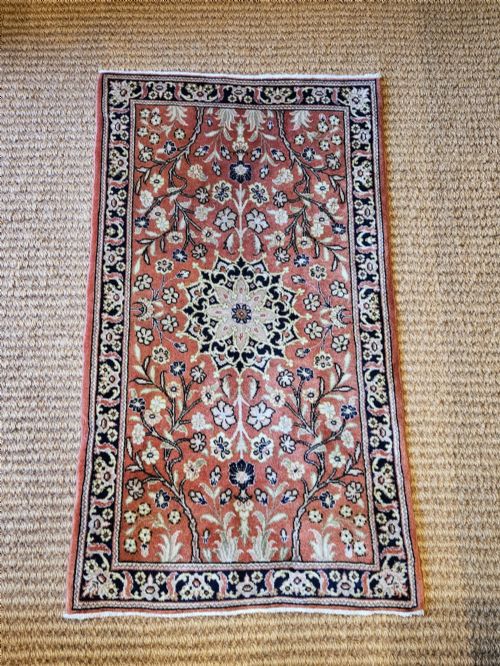
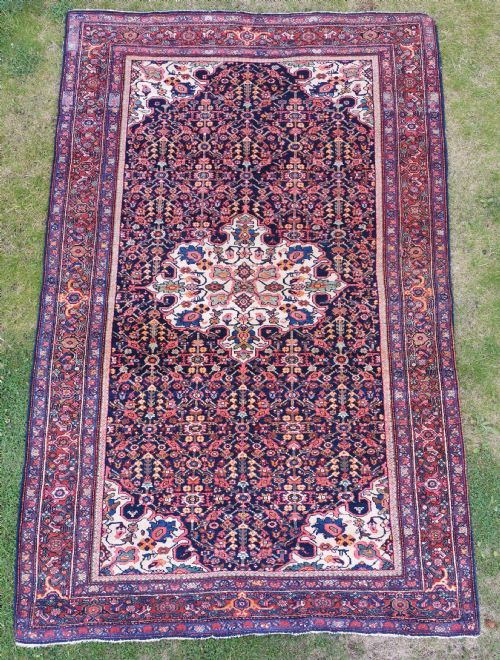
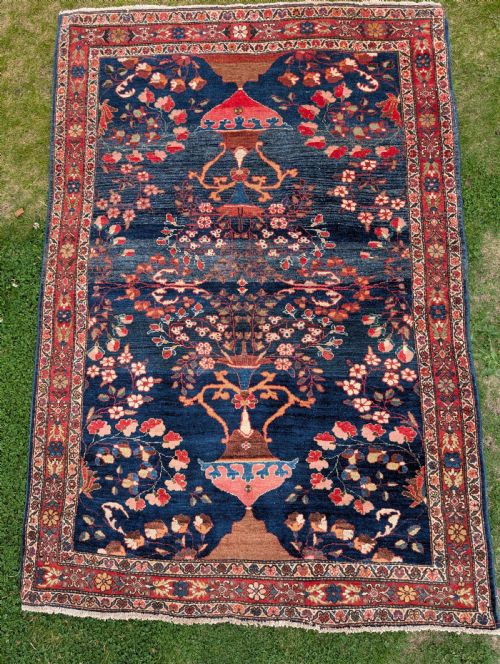
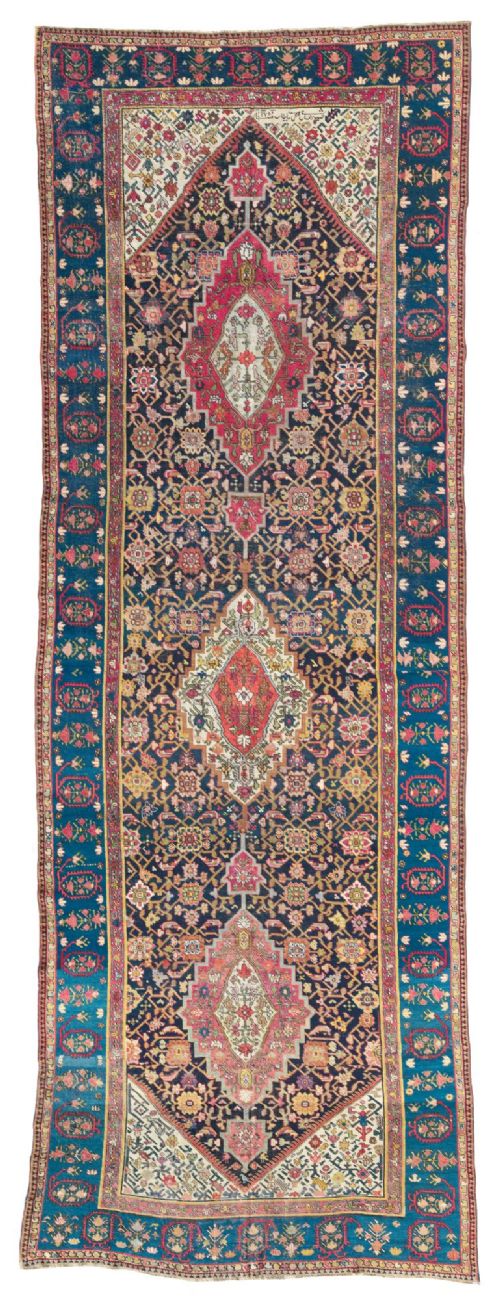
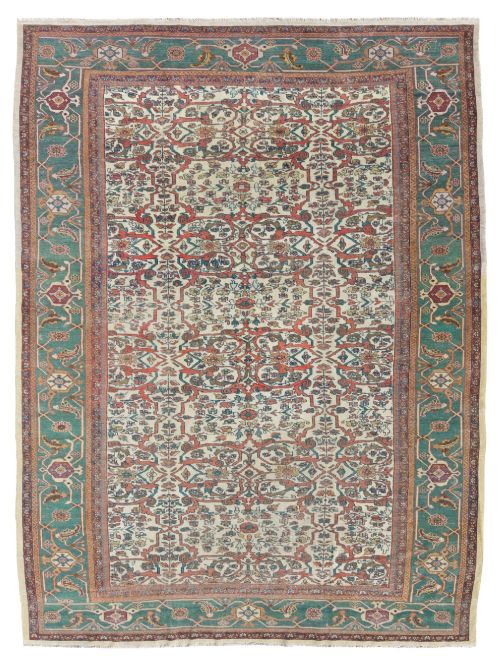
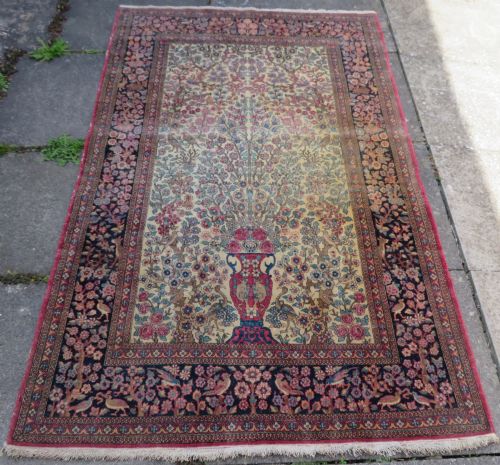
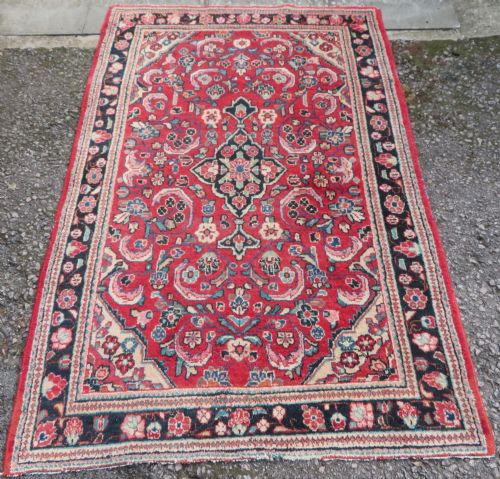
A traditional floral oriental carpet encompasses room-sized floor coverings, smaller scatter rugs and long runners woven across various eastern regions. When exploring this selection, buyers encounter formats ranging from intimate hearth-sized pieces to grand country house carpets spanning several metres.
The objects stem from distinct weaving traditions spanning the mid-nineteenth century to the early twentieth century. Pieces hail from workshops and villages in Persia, the Caucasus and Turkey, reflecting regional stylistic vocabularies in every knot.
Large room formats, village rugs with medallion layouts and delicate city-woven carpets dominate the selection. Buyers most frequently meet formats such as the expansive Mahal, the geometric Heriz and the detailed Tabriz carpet.
Materials and construction methods
Weavers constructed these textiles predominantly using durable wool foundations and pile, occasionally introducing cotton for warp and weft threads to maintain structural integrity. Selected finer examples incorporate silk highlights or are woven entirely in silk for enhanced lustre and detail.
The creation relied on hand-knotting techniques executed on vertical looms, allowing artisans to build intricate floral motifs, central medallions and complex border guards. Vegetable and natural dyes produced the enduring palette of madder reds, deep indigos and earthy neutrals seen across the inventory.
Country house carpets often bear minor asymmetrical quirks in their borders, revealing the individual hand of the weaver working away from urban oversight.
Evaluating craftsmanship and condition
Knot density and precision of line dictate the fineness of the weaving, separating simplified village interpretations from meticulously detailed city workshop pieces. Higher knot counts permit crisper rendering of floral curves and complex border geometries.
The integrity of the foundation, pile preservation and edge binding determine the structural status of each rug. Uniformity in pile height and the retention of original selvedges distinguish well-preserved specimens from heavily worn or extensively restored examples.
Ahmadi
The Traditional Floral Oriental Carpet Glossary
- Warp
- The stationary vertical threads stretched on the loom that form the structural backbone of the carpet. Fringe ends typically originate from these protruding threads.
- Weft
- The horizontal threads passed back and forth through the warp threads to secure the rows of knots. They provide transverse stability to the textile.
- Pile
- The upright cut ends of the knotted yarn that form the usable surface of the carpet. Its thickness and material composition determine the tactile feel underfoot.
- Medallion
- A symmetrical central ornamental design motif placed in the middle of the field. Many traditional carpets feature this focal point surrounded by floral sprays.
- Selvedge
- The reinforced side edges of a carpet formed by wrapping several warp threads. This finishing technique prevents the edges from fraying or unravelling.
Traditional Floral Oriental Carpet: Frequently Asked Questions
How do I place a large carpet in a modern room?
A substantial room-sized carpet works best when furniture legs sit comfortably on the field rather than crowding the edges. Allow a uniform border of exposed floorboards around the perimeter to frame the textile.
Keep heavy foot traffic away from vulnerable antique foundation areas by positioning seating layouts thoughtfully over the centre.
What is the difference between a village rug and a city carpet?
Village rugs display bolder geometric interpretations of floral designs, woven from memory or local tradition on smaller looms. City carpets exhibit finer knotting, curved botanical lines and sophisticated cartoon-guided layouts.
Workshop pieces from urban centres often utilise silk highlights and cotton foundations for enhanced structural precision.
How do I clean an antique wool rug safely?
Vacuum gently using suction attachment only, avoiding rotating brush bars that can pull at aged pile wool. Professional specialist cleaning remains essential for deep washing to prevent dye migration.
Keep the textile out of direct, prolonged sunlight to preserve the natural vegetable dyes.
How do I date an older oriental carpet?
Stylistic shifts, dye palettes and structural materials provide reliable clues for dating textiles to specific decades. Nineteenth-century examples often display saturated madder tones and softer wool textures compared to later twentieth-century production.
Examining the regularity of the weave and the type of edge finishing further assists in establishing the period.