


Persian Kerman Floor Rug
A persian kerman floor rug brings deep-piled warmth and intricate medallion work into a room.
Persian Kerman Floor Rug
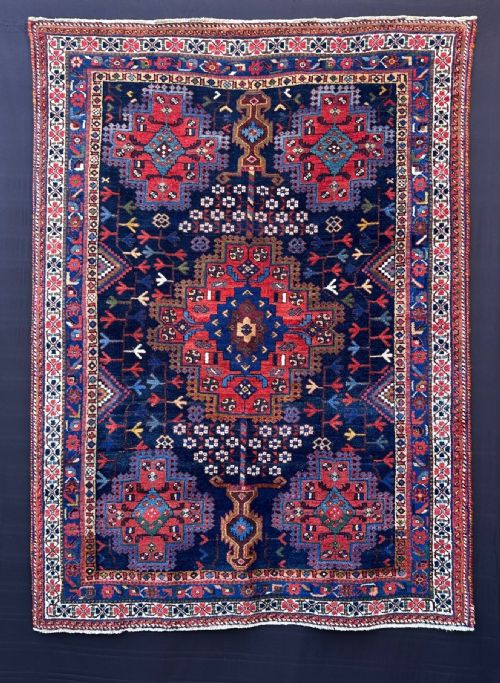
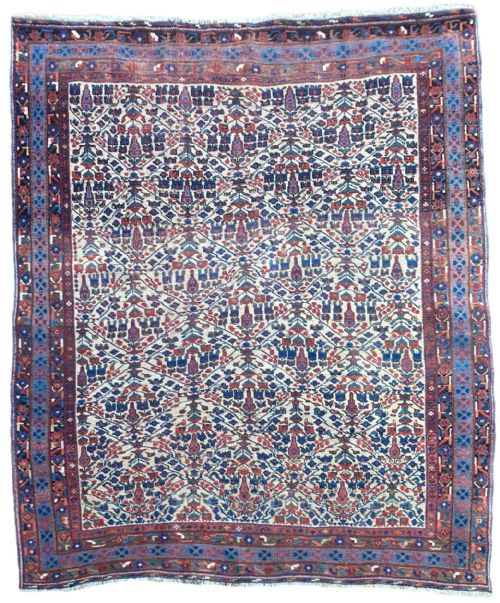
A persian kerman floor rug encompasses large room-size carpets and smaller tribal weaves originating from southern Persia. The selection spans examples from the late nineteenth century through to the mid-twentieth century, capturing both grand city workshop pieces and regional village work.
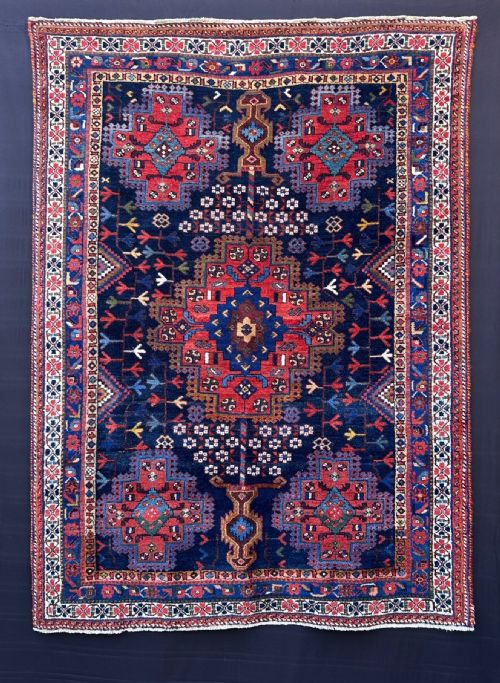
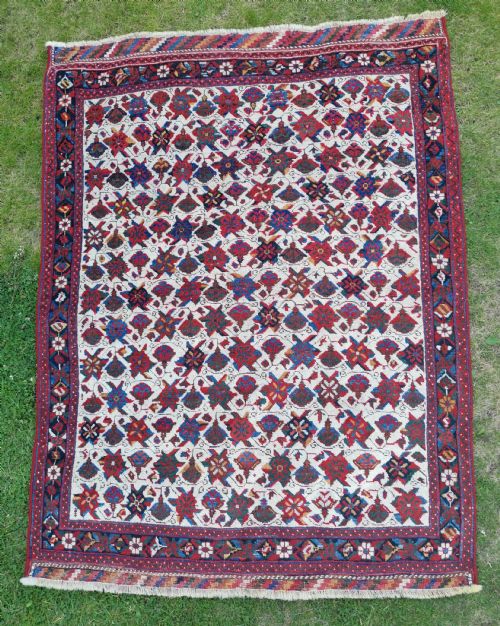
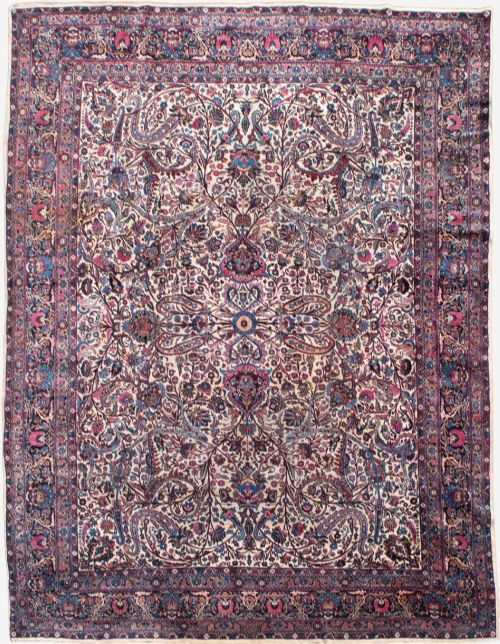
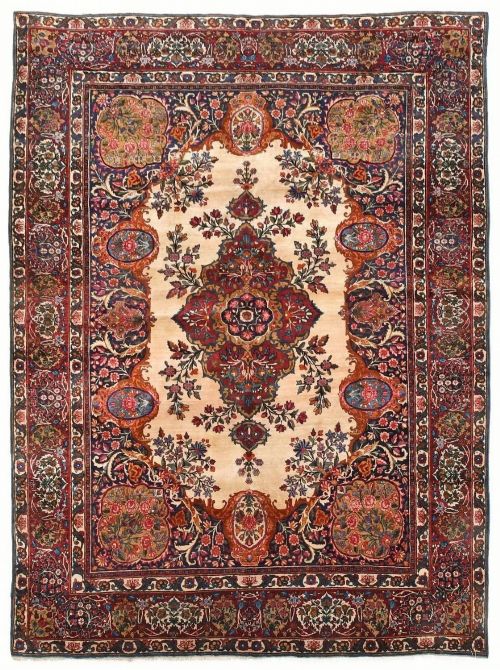
Buyers frequently encounter substantial room-size Kirman carpets alongside regional Afshar pieces from the Neiriz region within the Kerman province. These textiles serve as substantial floor coverings that anchor traditional and eclectic interiors alike.
The styles range from formal traditional Persian designs to rustic South Persian tribal patterns. Each piece reflects the distinct weaving traditions of the southern provinces through varied field motifs and border arrangements.
Materials and construction
Every persian kerman floor rug relies on durable natural fibres with wool pile set upon cotton foundations. These materials provide the structural integrity required to withstand generations of domestic use.
Weavers employed hand-knotting techniques across these wool and cotton textiles, allowing for tight pile density in large carpets and regional rugs. The combination of wool and cotton supports both the grand scale of room-size carpets and the detailed geometry of tribal pieces.
Listings span production dates from eighteen seventy through to nineteen forty, featuring wool pile on cotton foundations.
Assessing quality in these rugs
The distinction between standard and exceptional pieces rests upon knot density and the precision of the woven design. Finer executions display sharper delineation in floral or geometric motifs across the wool surface.
Scale and proportion also define the upper tier, particularly in oversized room-size carpets where maintaining structural symmetry requires advanced workshop skill. Condition and pile retention further separate well-preserved examples from heavily worn floor coverings.
The Persian Kerman Floor Rug Glossary
- Kirman
- A major weaving centre in southern Persia known for producing large, finely knotted carpets. These pieces often feature sophisticated floral compositions.
- Afshar
- A tribal group hailing from the Neiriz region of the Kerman province. Their rugs typically showcase geometric medallion layouts.
- Pile
- The upright yarn forming the soft surface of the rug, knotted onto the foundation warp and weft. Wool pile provides both texture and durability.
- Warp
- The vertical threads stretched tightly on the loom that form the structural foundation of the textile. Cotton is standard for this role in these carpets.
- Medallion
- A central ornamental design motif placed in the middle of the rug field. It acts as the focal point of the composition.
Persian Kerman Floor Rug: Frequently Asked Questions
How do I care for a large carpet?
Regular gentle vacuuming without a rotating brush roll prevents dust accumulation within the wool pile. Professional cleaning should be undertaken periodically by specialists familiar with antique textiles.
Positioning the rug out of direct sunlight preserves the natural dye integrity over decades of use.
Are these rugs suitable for high-traffic areas?
The dense wool pile and sturdy cotton foundations provide natural resilience for daily domestic traffic. Room-size formats distribute footfall across a wider surface area, reducing localized wear.
Using a quality underlay prevents slipping and cushions the fibres against hard flooring.
How can I tell tribal pieces apart?
Regional Afshar rugs from the Kerman province typically display geometric patterns and tribal motifs rather than the curved floral sprays found in city workshop carpets. Their colour palettes often reflect local dyeing traditions.
Examining the knotting style and border structure reveals the specific origin within southern Persia.
What is the difference between a rug and a carpet?
The distinction lies primarily in scale, with carpets generally denoting room-size or oversized floor coverings. Rugs typically refer to smaller formats suitable for specific zones within a room.
Both categories share identical material construction methods using wool and cotton.