
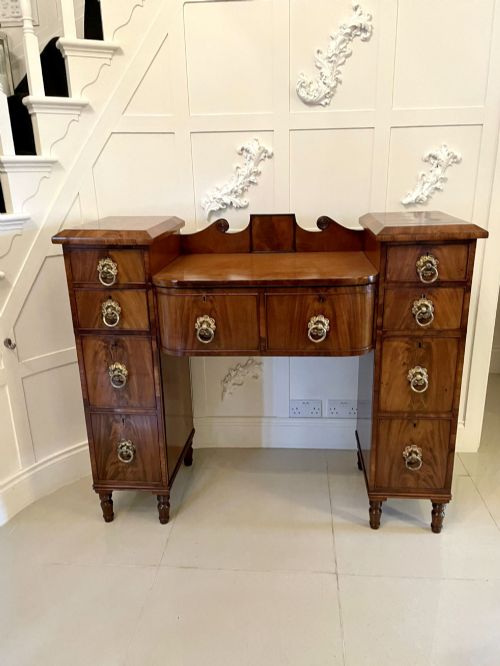
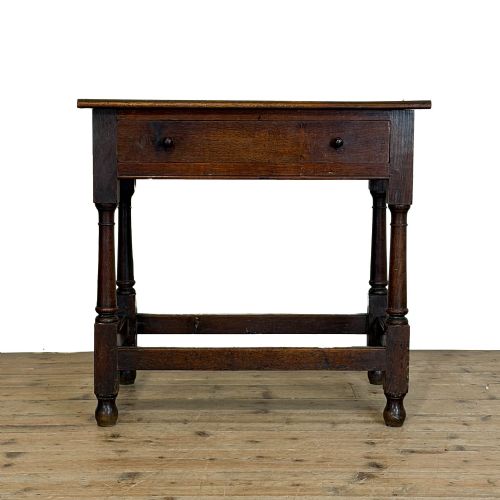
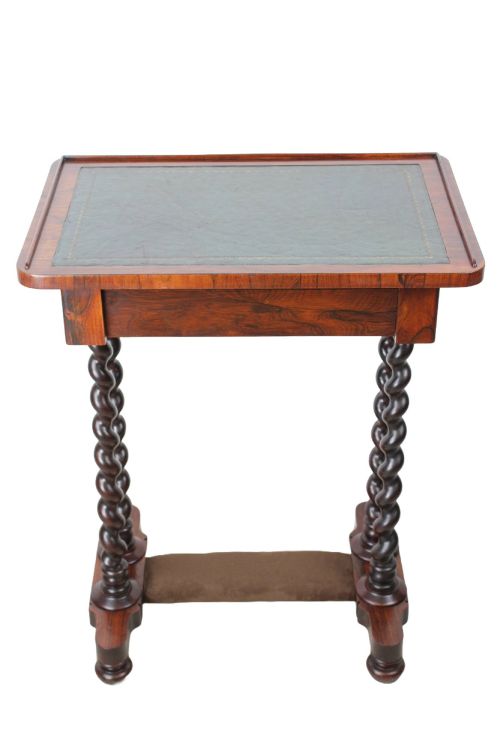
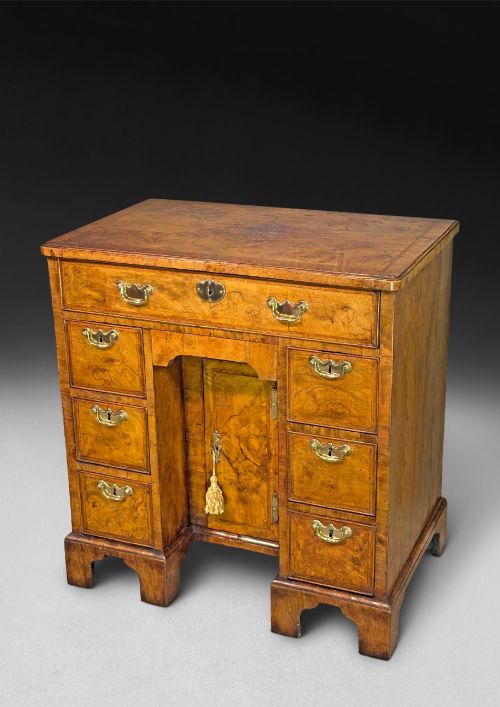
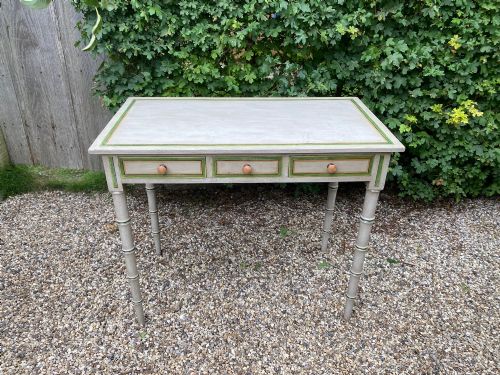
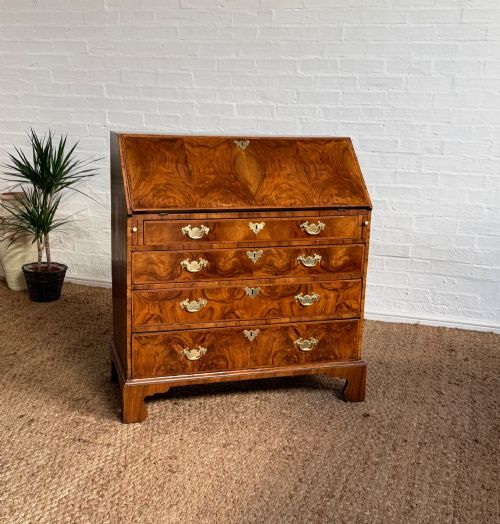
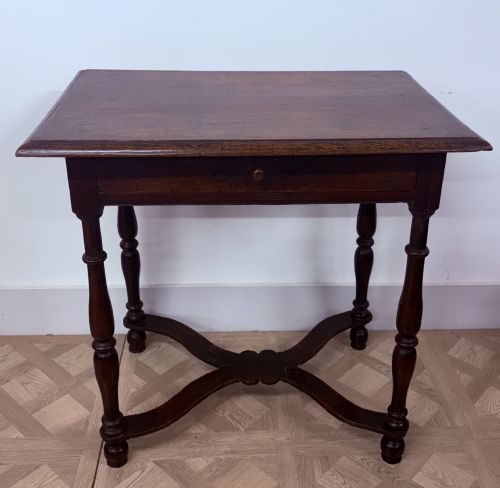
Period Writing Table
A period writing table brings structured workspace and rich timber character into a room.
Period Writing Table
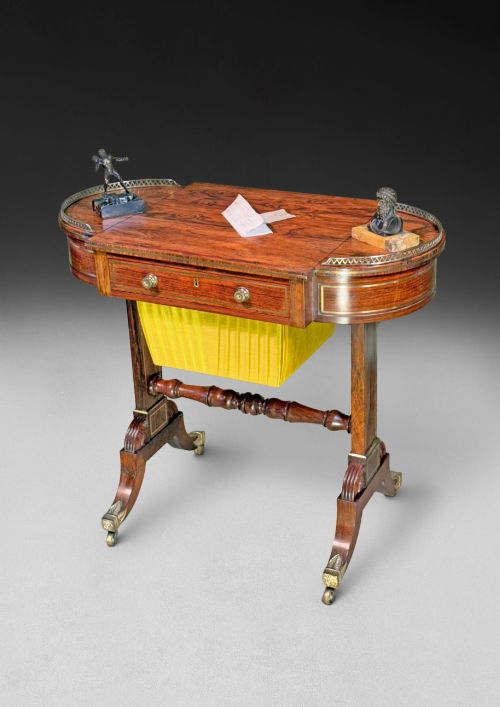
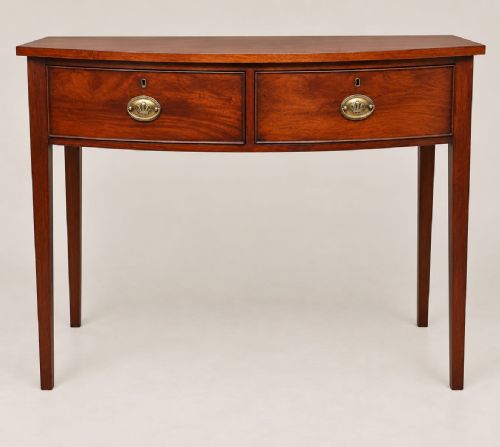
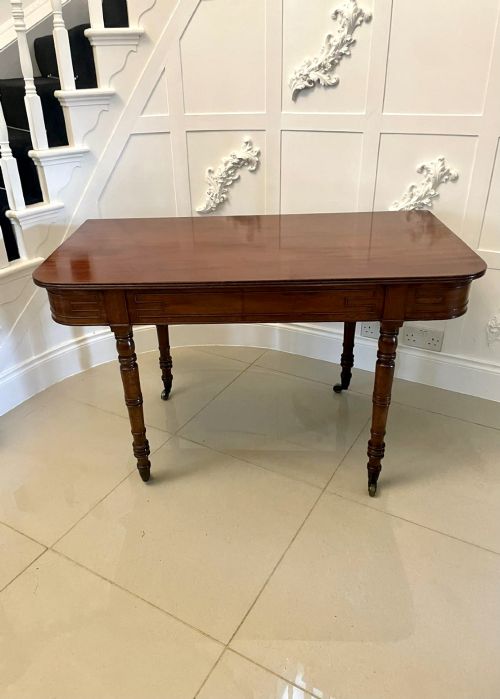
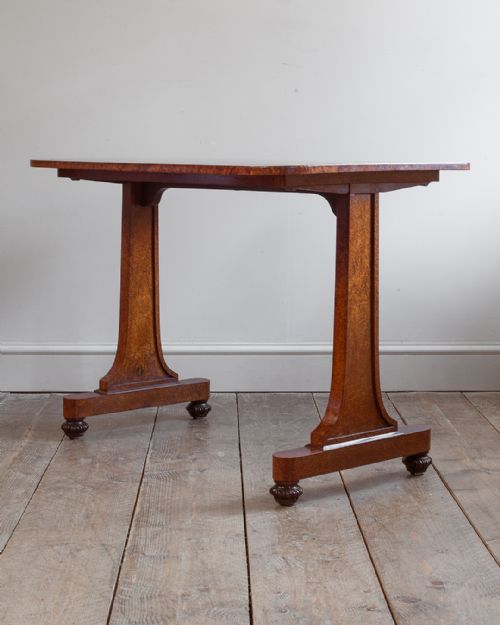
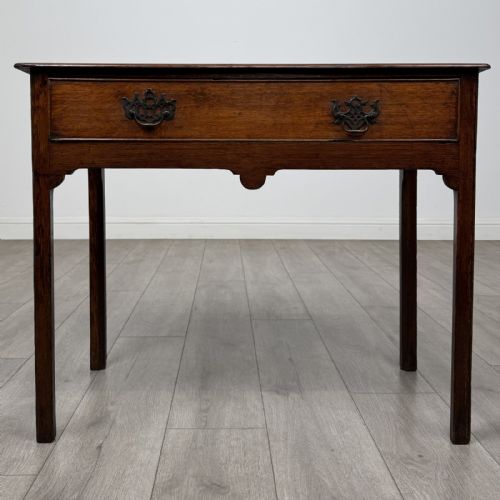
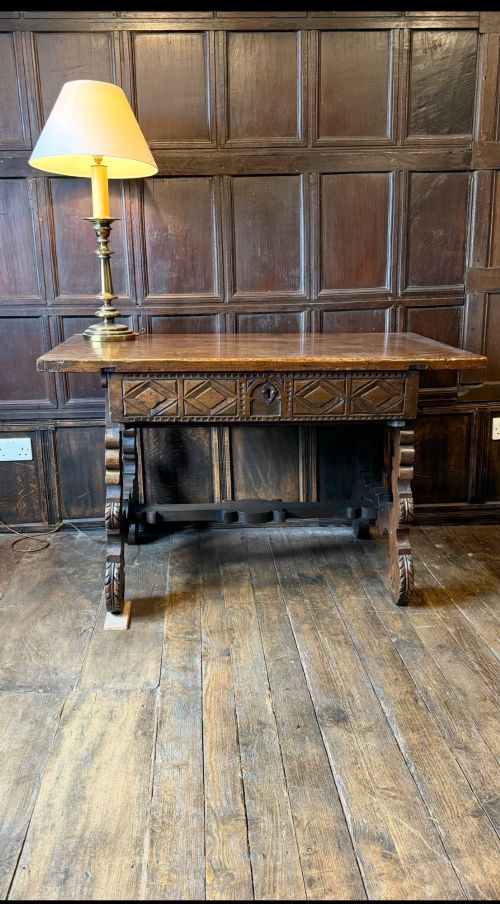
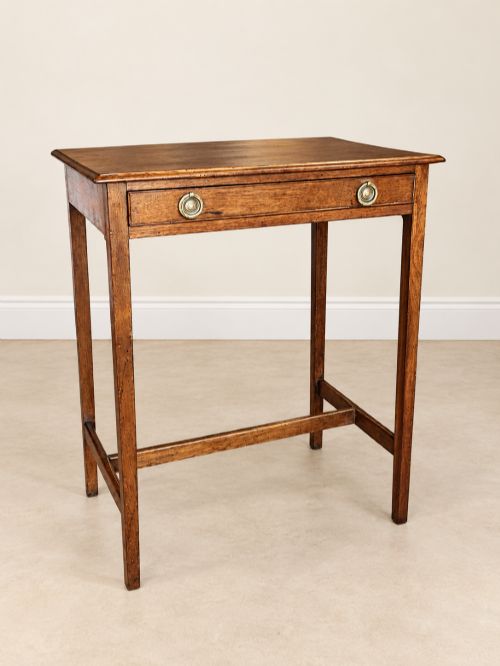
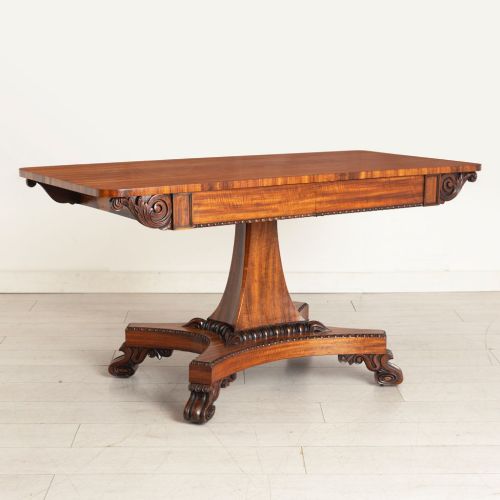
A period writing table serves as a dedicated station for correspondence, accounts and study, rooted in centuries of cabinet making. When exploring this selection, buyers encounter versatile freestanding desks, compact side tables adapted for writing, and grand library tables designed to sit centrally in a room.
The pieces span multiple centuries and stylistic movements, with Georgian and Regency examples appearing frequently alongside earlier oak formats and later Victorian interpretations. Common variants include drum tables with revolving tops, kneehole desks with central recesses, and delicate satinwood pieces made for domestic chambers.
Materials and construction
Cabinet makers relied heavily on dense hardwoods such as mahogany, oak and walnut, often employing figured veneers to create striking surface patterns on drawer fronts and tops. Secondary timbers like pine or oak appear in drawer linings and internal framing, constructed with traditional dovetail joints that ensure structural longevity.
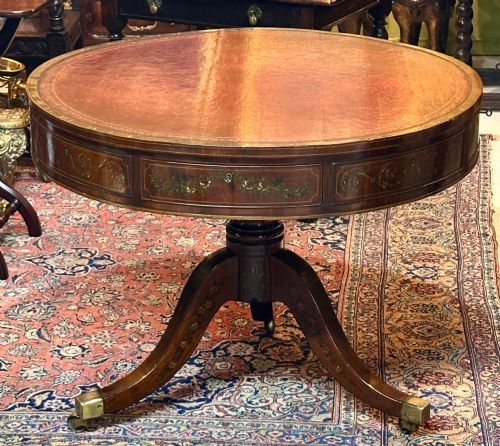
Fine decorative detailing involved brass mounts, inlaid banding in satinwood or ebony, and applied mouldings, while functional writing surfaces frequently incorporated inset panels of tooled leather.
Secret compartments and hidden drawers wait silently inside period desks for forgotten letters and lost keys.
Distinctions in standard
Excellence in a writing table is dictated by the selection of timber grain, the precision of cabinet joinery and the integrity of the original surface finish or patina. Master workshops achieved seamless integration of drawers and writing flaps, ensuring that decorative veneers matched symmetrically across the principal surfaces.
Lesser examples display utilitarian construction with coarser timber selection or later alterations to hardware and leather inserts, whereas superior pieces retain their original mounts, working locks and authentic structural proportions.
Gillows of Lancaster·Edward and Roberts·James Shoolbred and Co·T. Wilson
The Period Writing Table Glossary
- Kneehole desk
- A compact desk featuring a central recess for the user's legs, flanked by pedestals of smaller drawers. This form became popular during the Georgian era.
- Drum table
- A circular library table containing drawers around the perimeter of the frieze, often mounted on a central pillar and tripod base.
- Partners desk
- A large double-sided desk designed for two people to work opposite one another, typically featuring banks of drawers on both sides.
- Lowboy
- A low side table with drawers, frequently used as a dressing or writing surface in 17th and 18th century interiors.
- Satinwood
- A lustrous, fine-grained yellowish timber prized for high-end cabinet making and marquetry inlay during the late 18th and 19th centuries.
Period Writing Table: Frequently Asked Questions
How do I identify a Georgian writing table?
Georgian writing tables typically display classic proportions, robust mahogany or walnut timbers, and restrained classical ornamentation like bracket feet or carved cockbeading.
Drawer linings on these pieces are traditionally constructed from oak with hand-cut dovetails rather than machine-made joints.
Were these tables meant to face a wall?
Many writing tables and library tables were built as freestanding items with finished timber panels on all four sides so they could sit in the middle of a room.
Side tables adapted for writing might have plain backs intended to stand flush against a wall.
What is the difference between a writing table and a partners desk?
A standard writing table provides a single workspace with drawers contained solely within the frieze beneath the top surface.
A partners desk offers large pedestal cupboards and drawers accessible from both the front and the back for two users.
How should I care for a leather writing surface?
Leather inserts benefit from occasional cleaning with a slightly damp cloth followed by a neutral leather wax to prevent drying and cracking over time.
Harsh chemical cleaners and excessive moisture must be avoided to protect the underlying timber and gold leaf tooling.