

Period Writing Furniture
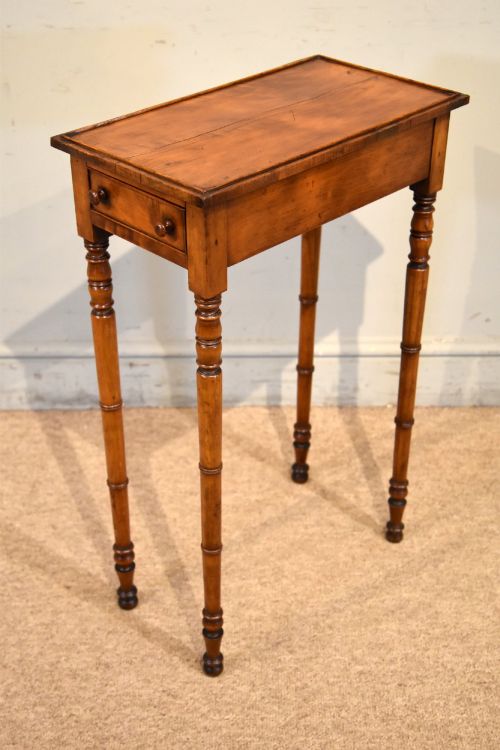
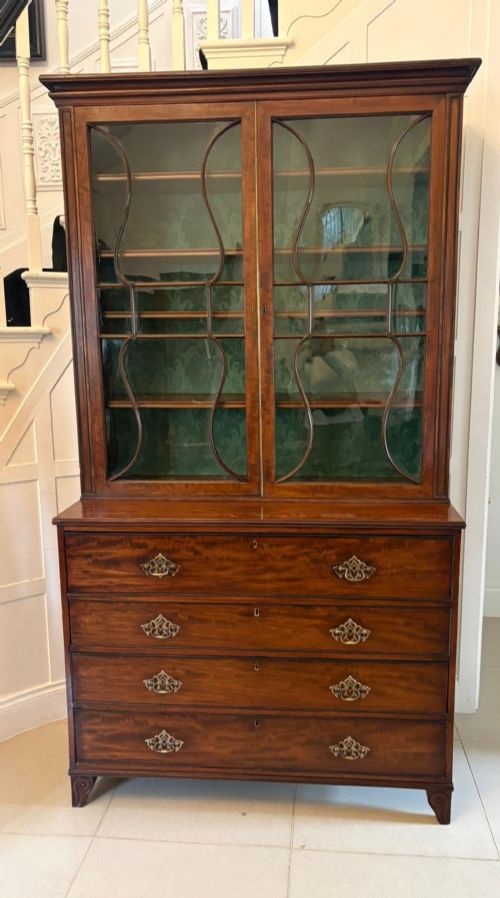
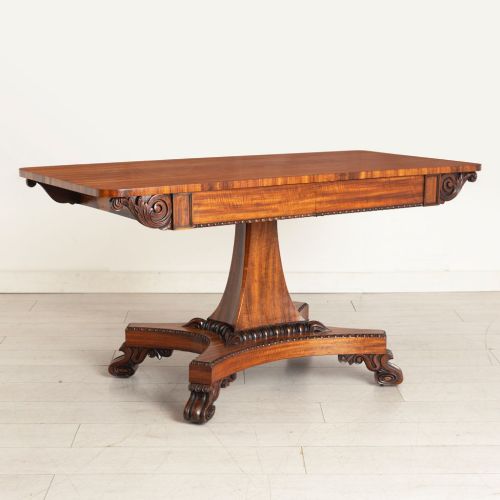
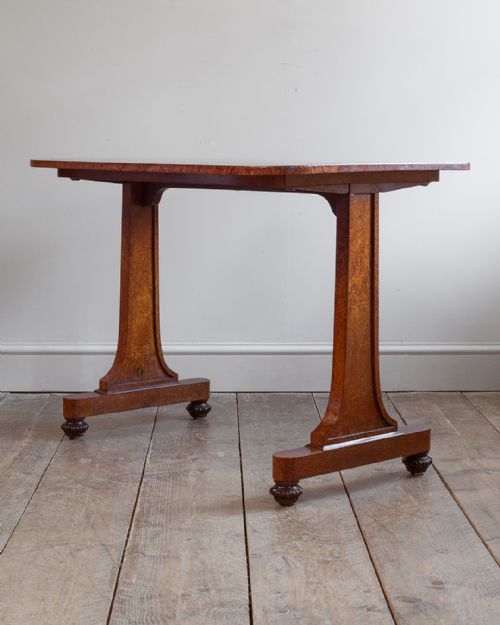
Period writing furniture comprises desks, lowboys and tables designed for correspondence, constructed in mahogany, oak and walnut across several centuries.
Period Writing Furniture
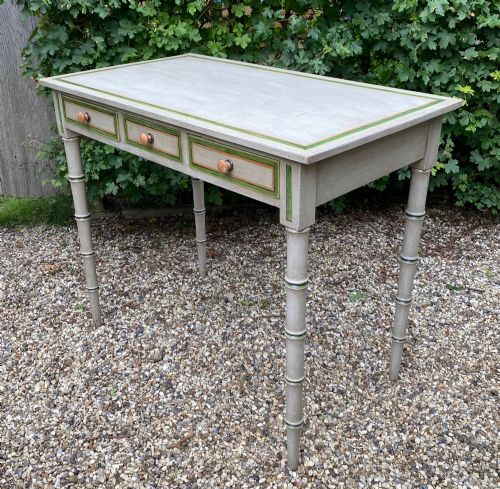
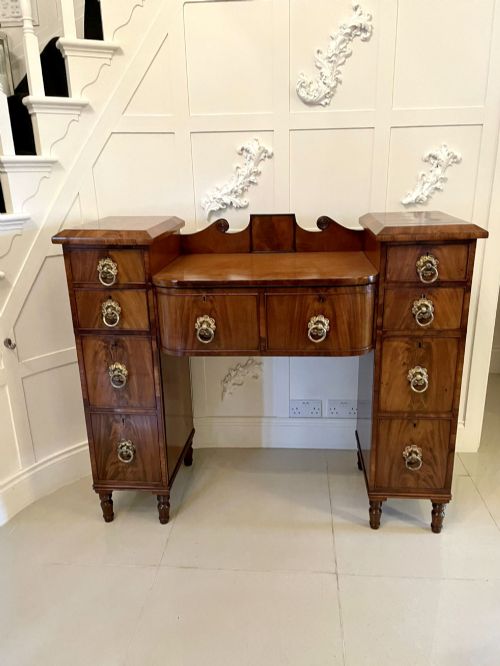
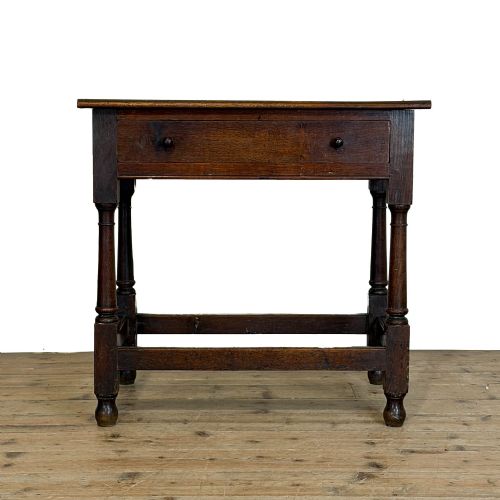
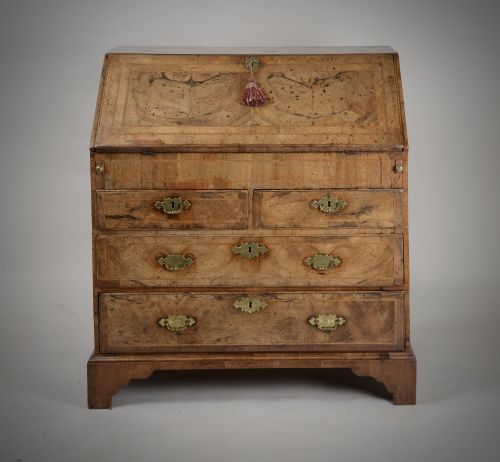
Period writing furniture encompasses practical working desks, bureau bookcases, Davenport desks and side tables intended for manuscript and letter production. Buyers searching for period writing furniture encounter diverse formats ranging from compact walnut bureaus to large mahogany partners desks.
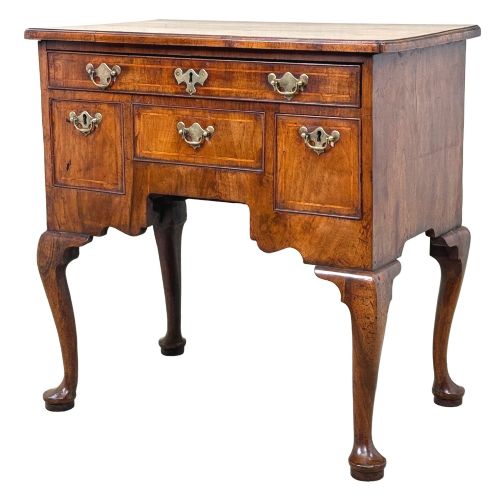
The selection on this page leans heavily towards Regency and 18th-century forms, featuring oak lowboys, rosewood library tables and satinwood bonheur du jours. These items reflect the domestic and professional workspace requirements of past eras, executed in refined cabinet woods.
How they were made
Cabinetmakers utilised dense native and exotic timbers including mahogany, oak, walnut, rosewood and satinwood, often enhanced with burr veneers and intricate inlay. Structural framing relied on traditional joinery techniques suited to the specific mechanical demands of writing desks and tables.
Metal components such as brass handles, castors and cut brass inlay provided functional reinforcement and decorative contrast against dark or polished timber surfaces. Surfaces were traditionally finished with wax or polish to highlight the natural grain and figure of the wood.
Period Writing Furniture Retail Price Guide 2026
Typical asking prices for period writing furniture among the pieces listed under this phrase on Sellingantiques today, from the lower quarter to the upper quarter. They describe what is for sale here now, not the wider market.
Listings feature periods from the 17th century through to Art Deco, executed in mahogany, oak, walnut and rosewood.
What varies in quality
Quality is determined by the selection of timber figures, such as burr walnut, fiddle back mahogany or tropical hardwoods, and the precision of cabinet construction. Superior examples exhibit harmonious proportions, refined brass detailing and well-executed internal compartment arrangements.
The integrity of original surfaces and the subtlety of decorative inlays or carved elements distinguish exceptional pieces from standard utility items. Maker attribution, when documented, elevates the standing of specific desks and tables within their respective periods.
Gillows·George Faulkner Armitage
The Period Writing Furniture Glossary
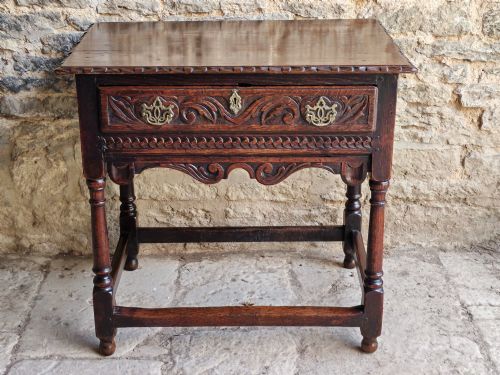
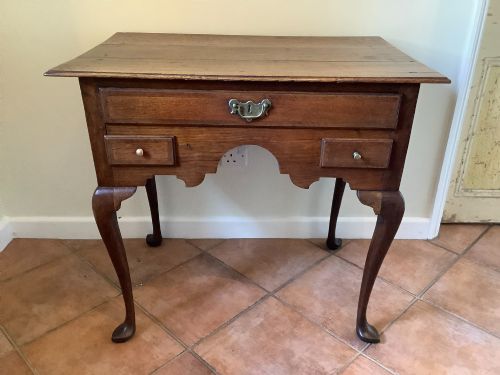
- Lowboy
- A small table with drawers, typically raised on four legs, used in the 17th and 18th centuries for writing or dressing. These low tables often feature fine oak or walnut construction.
- Davenport desk
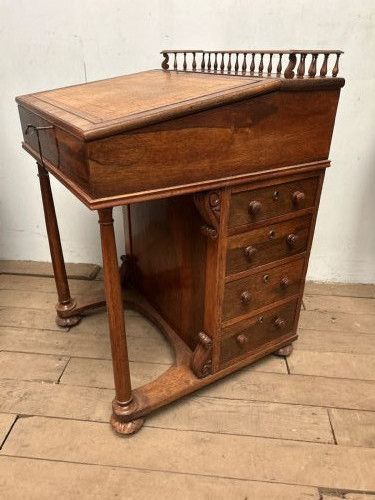
- A compact Victorian or Regency writing desk featuring a sloping lid and side drawers. The writing surface typically lifts to reveal storage compartments.
- Bonheur du jour
- A light lady's writing desk featuring a small cabinet or set of drawers on the upper surface. These dainty pieces gained popularity during the Georgian and Regency periods.
- Secretaire
- A piece of furniture containing a built-in writing drawer or fold-down writing flap that conceals pigeonholes and small drawers. They frequently appear combined with bookcases or sideboards.
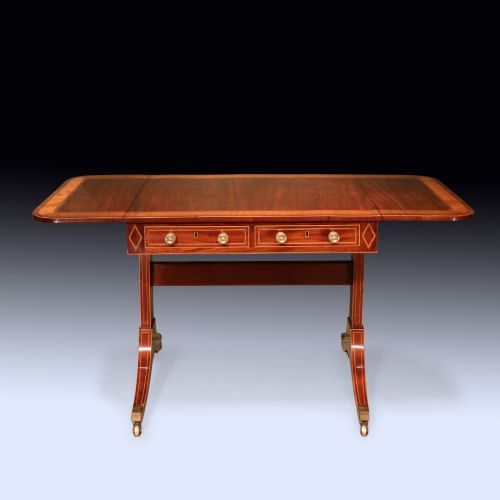
- Sofa table
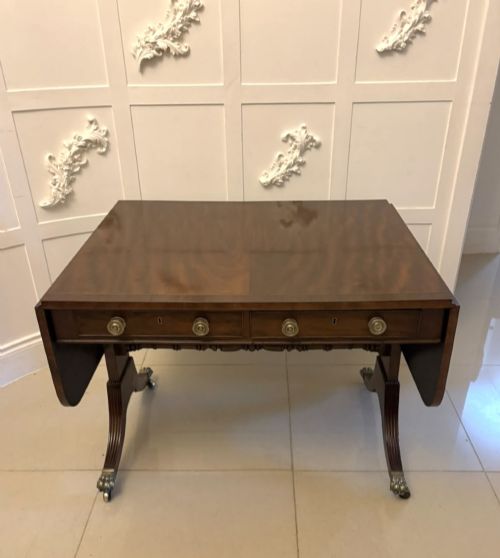
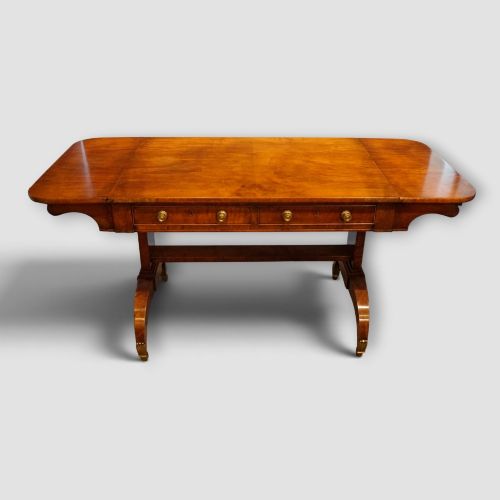
- A rectangular table designed to stand in front of a sofa, often fitted with drop leaves and twin pedestals or trestle ends. Regency examples frequently incorporate brass inlay and rosewood veneers.
Period Writing Furniture: Frequently Asked Questions
What is a Davenport desk?
A Davenport desk is a compact writing cabinet with a sloping desktop and drawers accessed from the side. They emerged in the Regency period and remained popular through the Victorian era.
The clever design provides a full writing surface while occupying minimal floor space in domestic interiors.
How do I identify an 18th-century lowboy?
An 18th-century lowboy is characterised by its low stature, single or multiple drawer configuration, and slender cabriole or straight legs. They are predominantly constructed from oak or walnut.
These versatile tables served various household duties including writing and personal grooming before dedicated desks became common.
What woods were used in Regency writing furniture?
Regency cabinetmakers utilised a wide variety of timbers, with mahogany, rosewood and burr oak being particularly prominent. Exotic hardwoods and satinwood also appeared on high-status items.
Contrasting brass inlay was frequently embedded into the dark timber surfaces to create striking decorative patterns.
Where should I place a partner desk?
A partners desk is designed to stand freestanding in the centre of a room rather than against a wall, featuring drawers on both sides for two users. They require adequate floor space to allow movement around all sides.
Placing these large mahogany or oak desks in a study or library highlights their symmetrical construction and finished backs.