


Period Wood Furniture
Period wood furniture brings the solid weight of mahogany, oak, and walnut into a room through centuries of refined craftsmanship.
Period Wood Furniture
When you search for period wood furniture, you encounter substantial utilitarian and decorative items spanning the seventeenth through the early twentieth centuries. The selection encompasses seating, storage, and display forms originating across British, European, and colonial workshops.
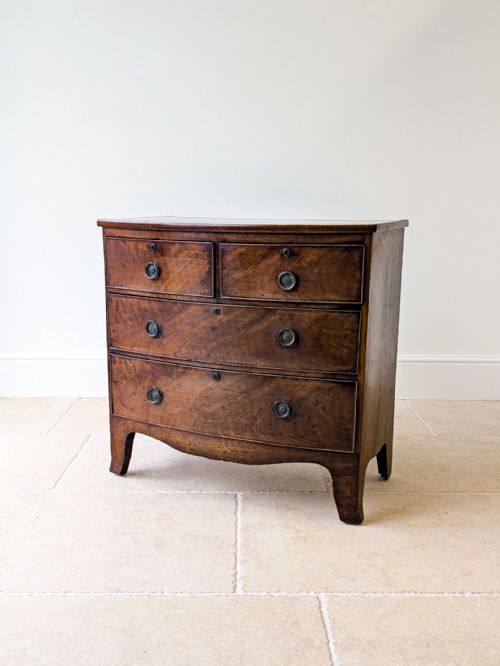
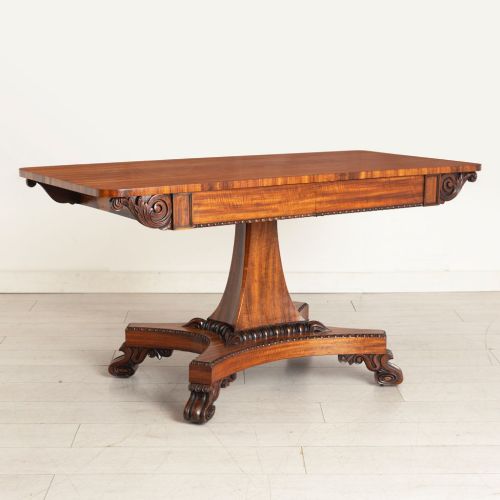
Chest of drawers variants in mahogany, oak, and walnut dominate the offerings, alongside dining chairs, chiffoniers, and occasional tables. These survivors bridge domestic utility and aesthetic ambition from Georgian, Regency, and Victorian eras.
Materials and construction
Cabinetmakers utilised dense native and exotic timbers including oak, mahogany, rosewood, walnut, and yew wood, often accented with brass mounts and fine fabric upholstery. Solid construction techniques allowed large case pieces and seating to endure through generations.
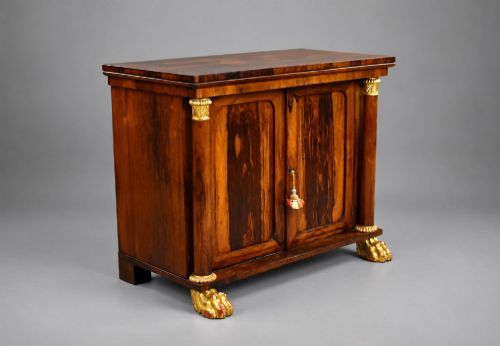
Surface treatments ranged from deep polish on mahogany surfaces to carved geometric mouldings on seventeenth-century oak panels and gilt decoration on simulated rosewood. Joinery relied on precise dovetailing and mortise and tenon joints tailored to each timber's specific grain.
Period Wood Furniture Retail Price Guide 2026
Typical asking prices for period wood furniture among the pieces listed under this phrase on Sellingantiques today, from the lower quarter to the upper quarter. They describe what is for sale here now, not the wider market.
The listings span eight distinct historic periods from the seventeenth century through the Edwardian era, featuring native oak alongside exotic mahogany and rosewood.
Judging the standard
Quality rests in the selection of timber figures, such as burr walnut or figured mahogany, and the crispness of hand-carved details. Pieces retaining original brass hardware, uncompromised structural joints, and consistent patination stand distinctly apart from heavily altered examples.
Proportion and refinement in secondary woods reveal the maker's original intent, whereas lesser pieces often show coarser secondary timber choices and heavy-handed later restorations.
Jacob Desmalter
The Period Wood Furniture Glossary
- Chiffonier
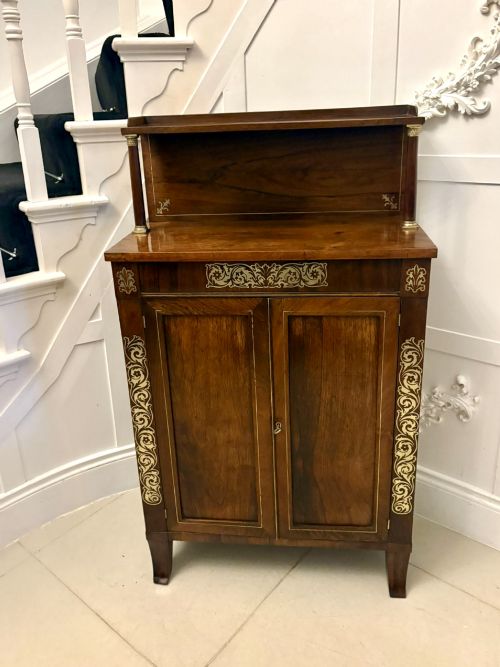
- A low sideboard or cabinet featuring shelves or enclosed cupboards below, popular during the Regency and Victorian periods for storing dining accessories. It typically stands against a parlour wall.
- Lowboy
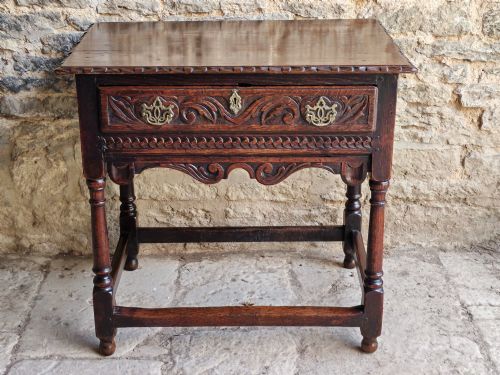
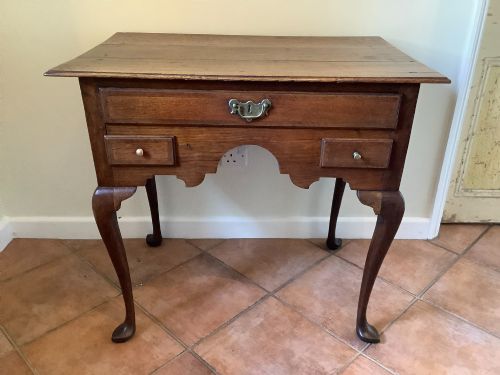
- A small side table with drawers, raised on four tall legs, commonly produced in oak or elm during the eighteenth century. It served various domestic storage functions in bedrooms and living spaces.
- Bracket feet
- A type of foot used on case furniture such as chests of drawers, shaped like a bracket and meeting at a mitred corner. This support style gained widespread favour in Georgian design.
- Whatnot
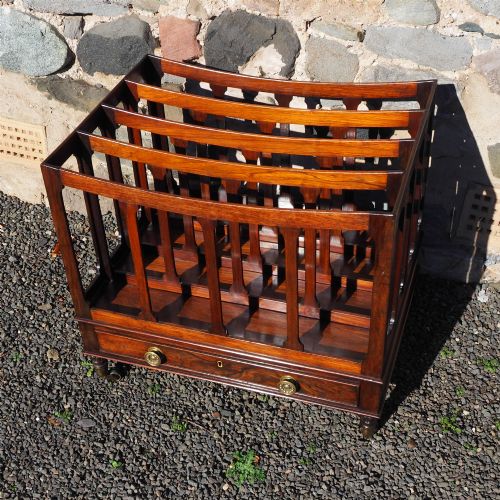
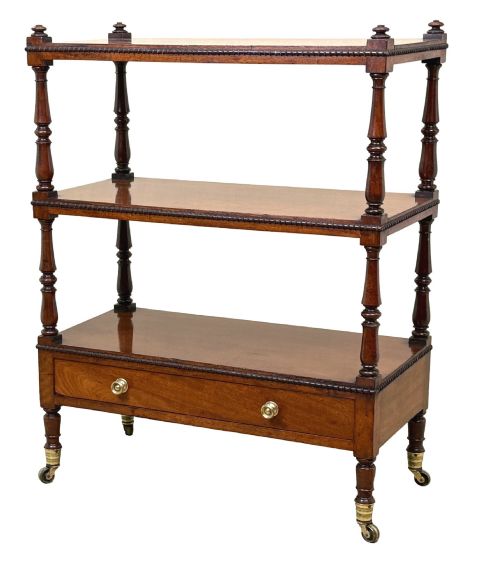
- An open set of multiple shelves tiered on upright pillars, designed for displaying ornaments and books. These pieces date predominantly from the Regency and Victorian eras.
- Davenport
- A compact writing desk featuring a sloped leather-lined writing surface above a pedestal of drawers. It emerged during the Regency period to maximise utility in smaller rooms.
Period Wood Furniture: Frequently Asked Questions
How do I identify a Georgian chest of drawers?
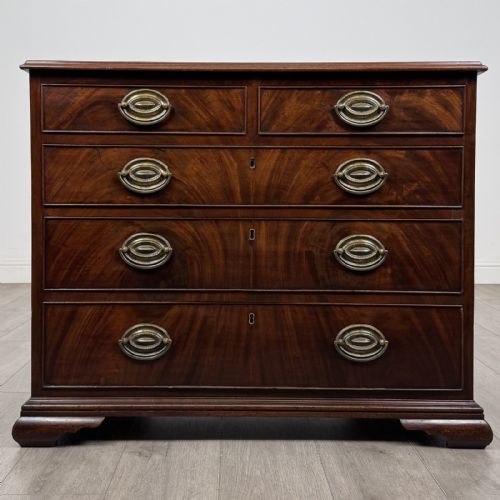
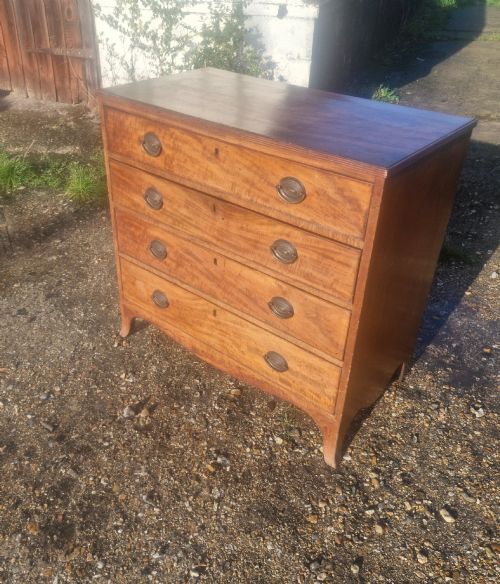
Georgian chests of drawers typically display clean architectural lines, high-grade mahogany or oak timber, and hand-cut dovetail joints on the drawer constructions. Many examples sit upon bracket feet and exhibit subtle cockbeading around the drawer edges.
Later Victorian interpretations often use heavier proportions and different secondary timbers inside the carcase. Examining the interior linings and the patination of the drawer sides helps confirm the eighteenth-century origin.
What is a Regency chiffonier used for?
A Regency chiffonier provided enclosed storage and display space in nineteenth-century dining rooms and parlours. The surface held serving items or decorative objects while interior shelves kept linens or books out of sight.
These cabinets often feature brass gallery rails, delicate pilasters, and distinctive panelled doors. They function well in modern interiors as low credenzas or media storage units.
How should I care for antique wood furniture?
Keep antique wooden surfaces away from direct sunlight and steady heat sources to prevent timber splitting and veneer lifting. Regular dusting with a dry, soft cloth preserves the wax finish without building up residue.
Applying a traditional beeswax polish occasionally maintains the natural lustre of mahogany and oak. Avoid modern silicone sprays, which can penetrate porous historic finishes and damage the patina.
What distinguishes walnut from mahogany furniture?
Walnut furniture dates predominantly from earlier eras like the Queen Anne and George II periods, displaying rich brown tones and swirling grain patterns. It often includes burr walnut veneers that create decorative mottled surfaces.
Mahogany became dominant later in the eighteenth century during the Georgian and Regency periods, offering a denser reddish-brown timber capable of sharp carving and high polish. Both woods require similar environmental conditions to prevent movement in the grain.