
Period Walnut Chest Drawers
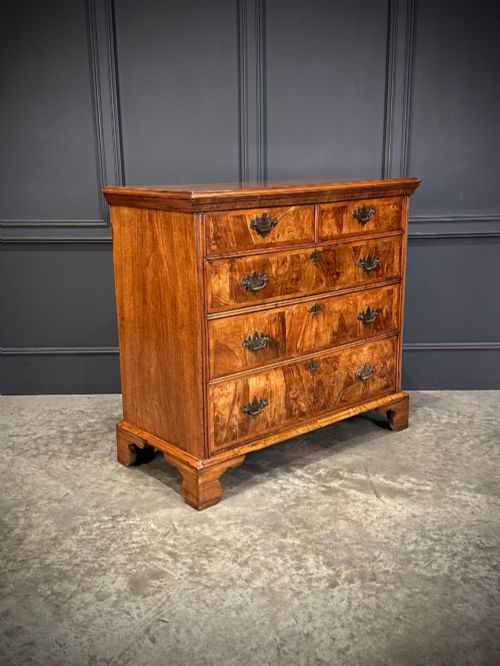
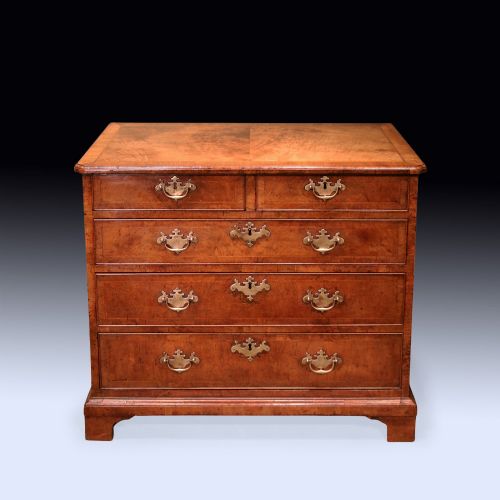
A period walnut chest drawers brings deep grain patterns and seventeenth or eighteenth-century proportions into a modern room.
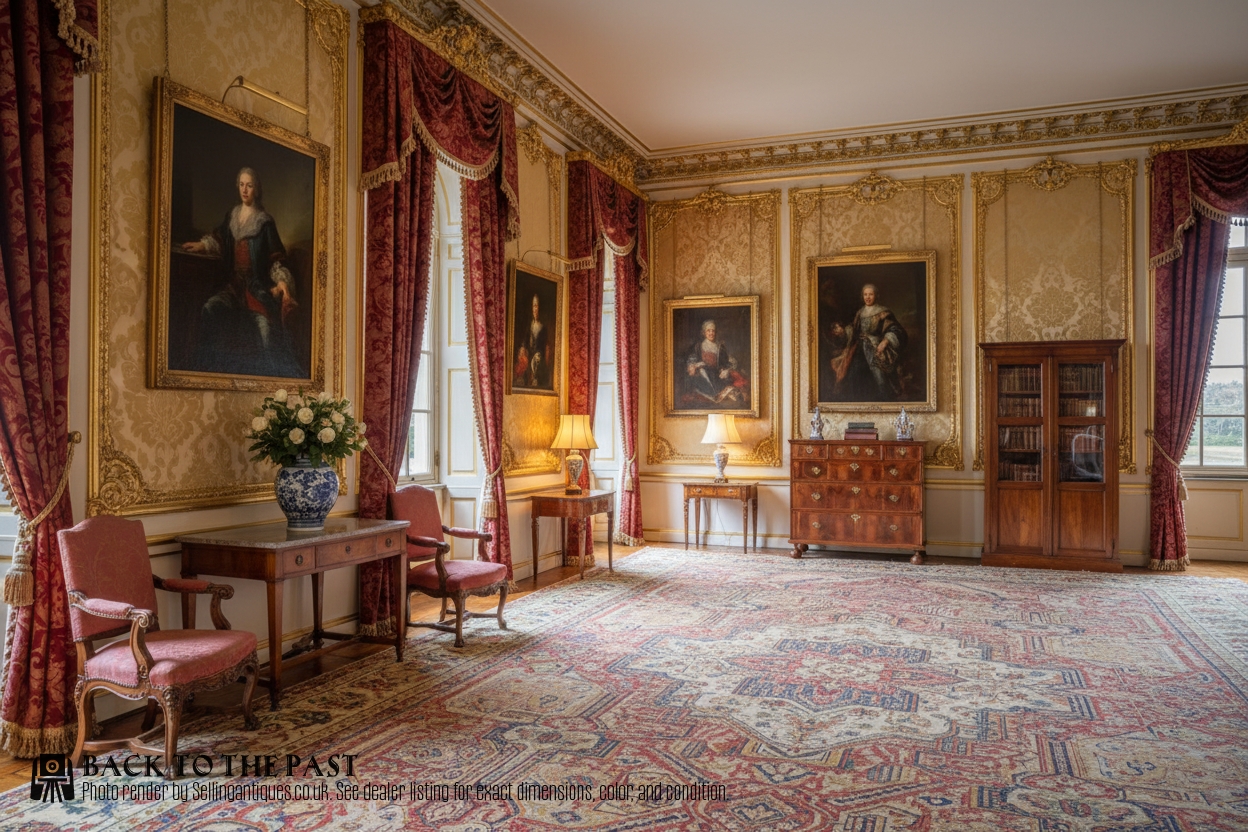
Period Walnut Chest Drawers
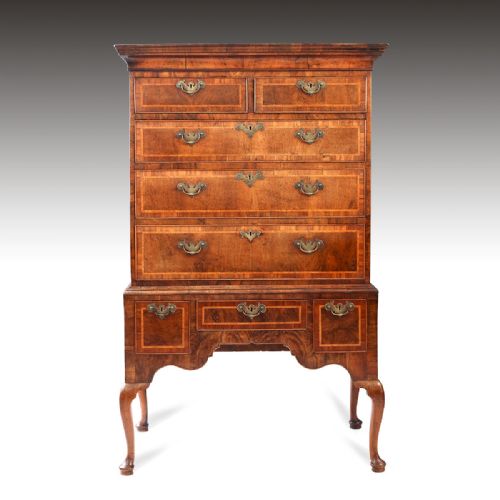
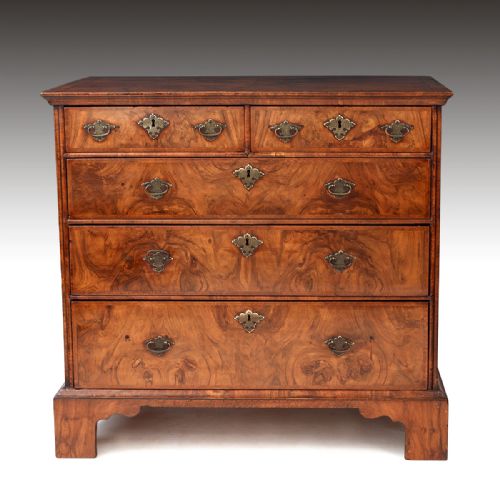
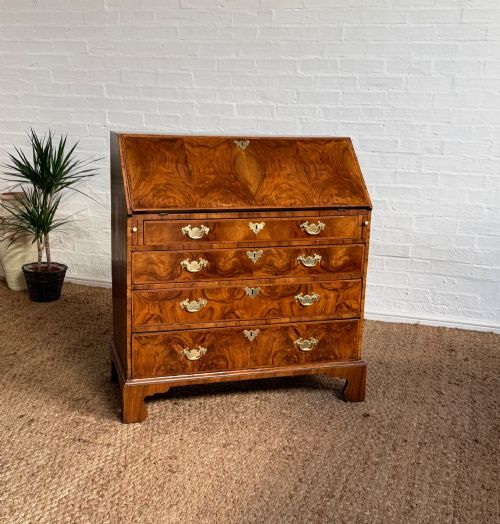
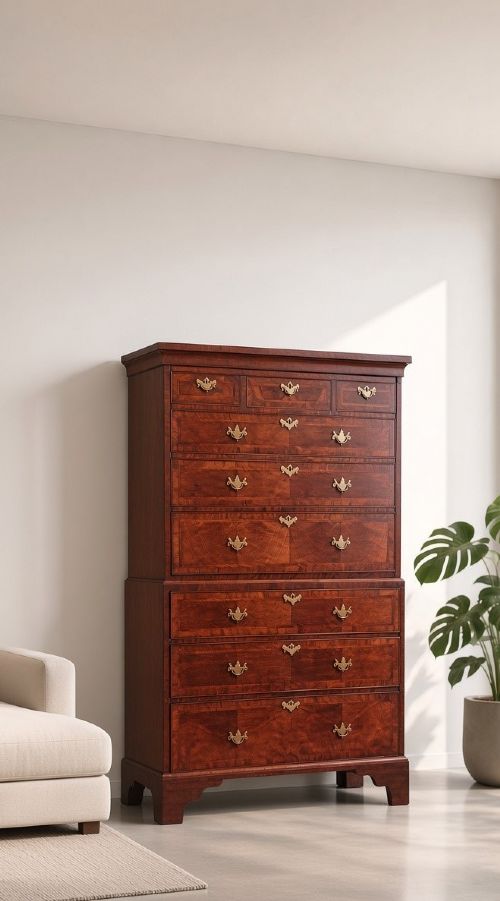
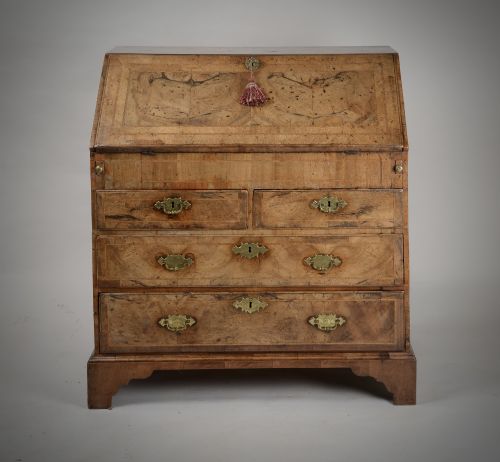
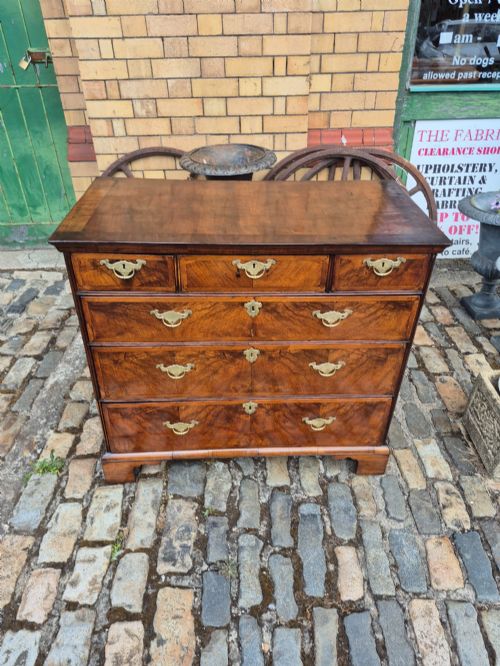
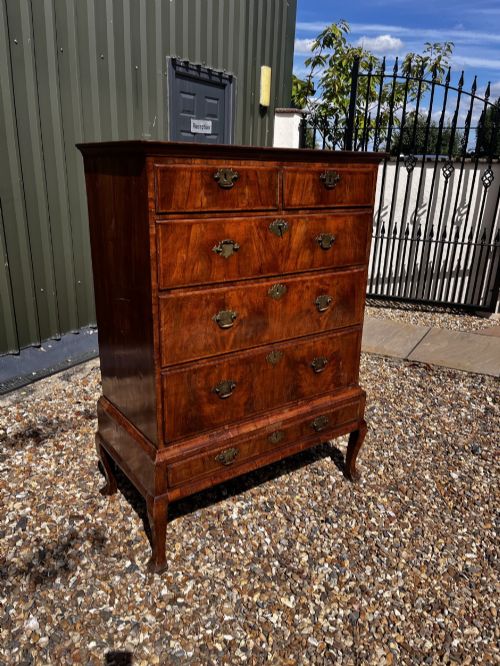
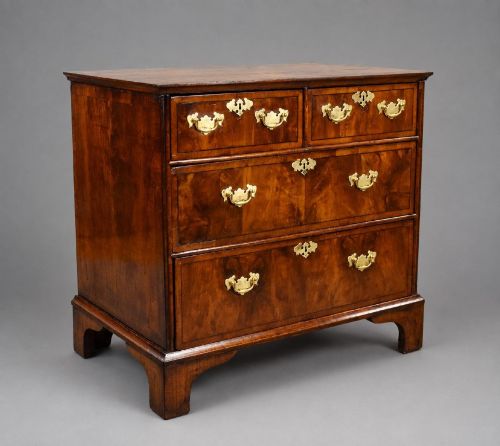
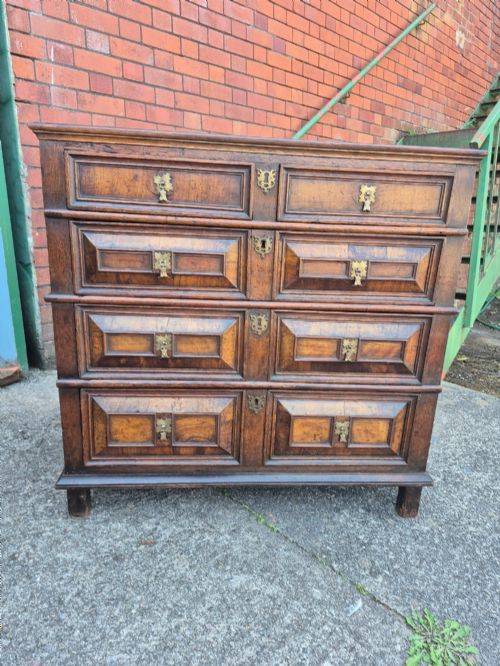
A period walnut chest drawers represents a substantial piece of domestic furniture designed primarily for storage, appearing frequently in forms such as standard drawer chests, tall chests on stands, and fitted bureaux. These items span periods from the seventeenth century through the Georgian era, alongside later nineteenth and twentieth-century examples.
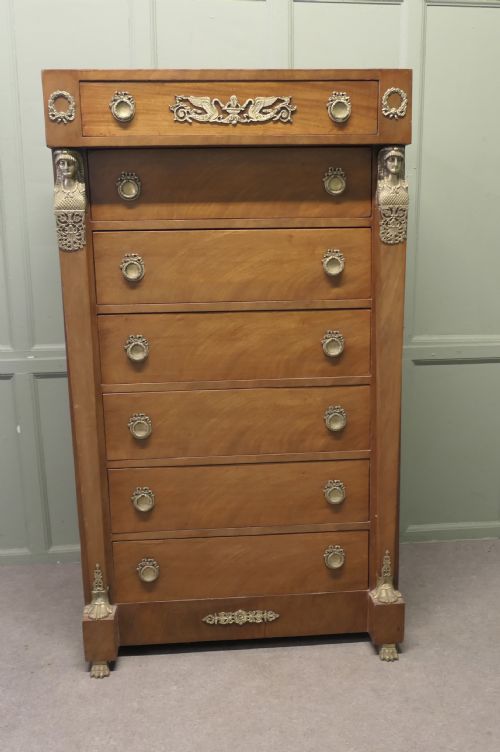
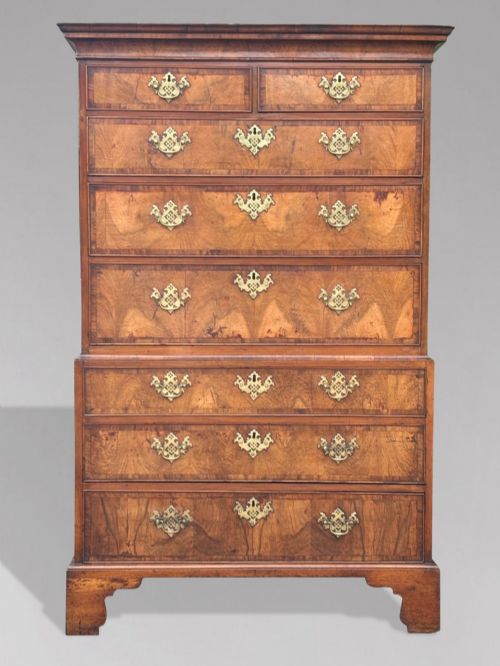
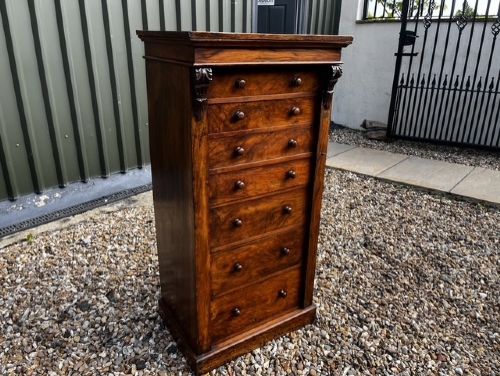
The standard chests of drawers sit alongside complex forms like cabinets on chests, escritoires, and secretaire Wellington chests. Buyers find both simple drawer configurations and architectural double-height pieces such as chest on chest designs.
Origins stretch across English workshops as well as continental styles, with pieces reflecting William and Mary, Queen Anne, George I, and George II aesthetic shifts. Timber selections range from plain walnut boards to highly figured burr veneers and contrasting fruitwood accents.
How they were made
Cabinetmakers constructed carcass frames using structural timbers like oak or pine, applying thin walnut veneer sheets to visible exterior surfaces. This technique allowed craftsmen to arrange decorative grain patterns symmetrically across drawer fronts.
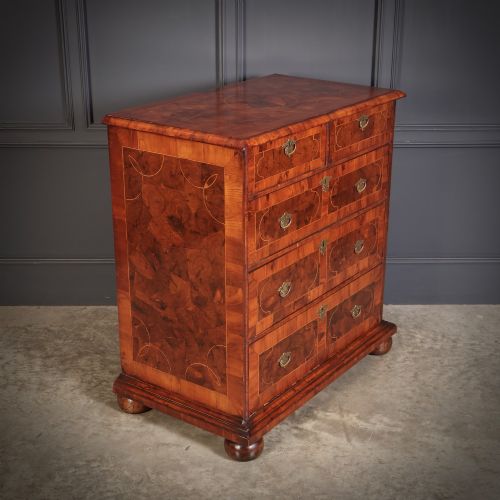
Surface ornamentation often utilised oyster veneering, cutting small branch sections across the grain to create circular patterns, or applied feather-banding and geometric cross-grain borders around drawer edges. Brass drop handles, escutcheons, and bracket feet completed the construction.
The archive and active listings include miniature apprentice chests alongside full-scale cabinets on stands.
What varies in quality
The distinction between tiers rests upon the choice of timber veneer and the precision of its symmetry, where highly figured burr walnut or masterly oyster cuts elevate a piece above plain domestic versions. Original brass hardware, intact cross-banding, and undisturbed surface patination heavily influence the standing of an item.
Structural integrity of the internal oak or pine drawer linings, alongside the crispness of the mouldings and the retention of original stands or feet, separates standard workshop output from exceptional examples.
The Period Walnut Chest Drawers Glossary
- Burr walnut
- A prized timber harvested from tree growths, yielding intricate, swirling grain patterns used for decorative veneer panels.
- Oyster veneering
- The practice of slicing small branches transversely to produce circular or oval wooden discs arranged in repeating decorative patterns.
- Chest on chest
- A tall storage unit comprising a smaller upper chest stacked directly upon a wider lower chest of drawers, also known as a tallboy.
- Feather-banding
- Narrow strips of veneer laid diagonally in opposing directions to form a chevron border around drawer perimeters.
- Escritoire
- A writing cabinet featuring a fall-front flap that conceals an arrangement of small internal drawers and pigeonholes.
- Bachelors chest
- A compact low chest of drawers equipped with a fold-over top designed for writing or dressing.
Period Walnut Chest Drawers: Frequently Asked Questions
What is a walnut chest on stand?
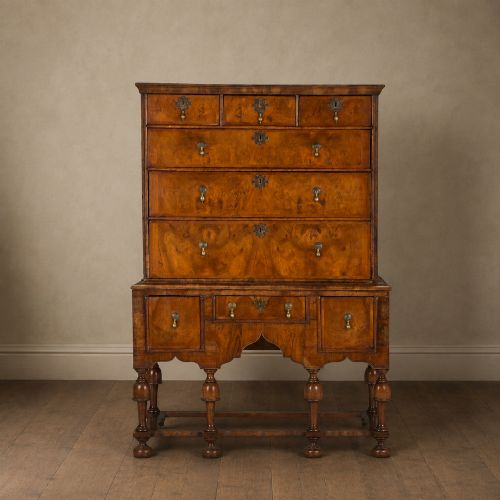
A walnut chest on stand is an elevated cabinet form where a set of drawers rests upon an open base supported by legs, typical of late seventeenth and early eighteenth-century design.
These pieces lift storage off the floor, offering a lighter visual footprint while providing deep compartment space within the upper section.
What period are oyster veneered chests?
Oyster veneered chests primarily date from the late seventeenth century, specifically during the William and Mary and late Stuart periods.
Craftsmen sliced branch wood transversely to create distinctive circular grain patterns across the entire exterior surface of the drawers and top.
How do I care for walnut furniture?
Walnut furniture requires placement away from direct heat sources and strong sunlight to prevent the underlying timber and delicate veneers from drying out or fading.
Routine maintenance involves gentle dusting with a dry cloth and occasional application of traditional wax to nourish the historical surface finish.