


Period Style Wooden Armchairs
These period style wooden armchairs bring centuries of solid craftsmanship and distinct historical design into contemporary rooms.
Period Style Wooden Armchairs
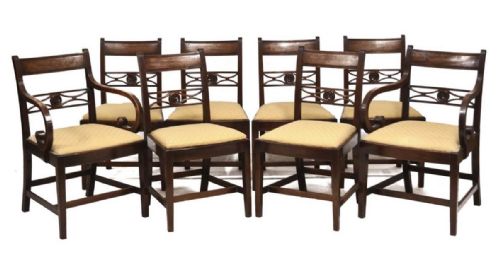
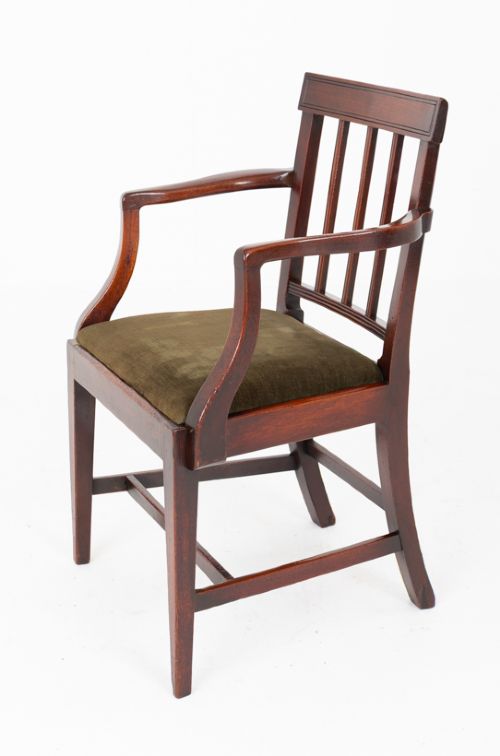
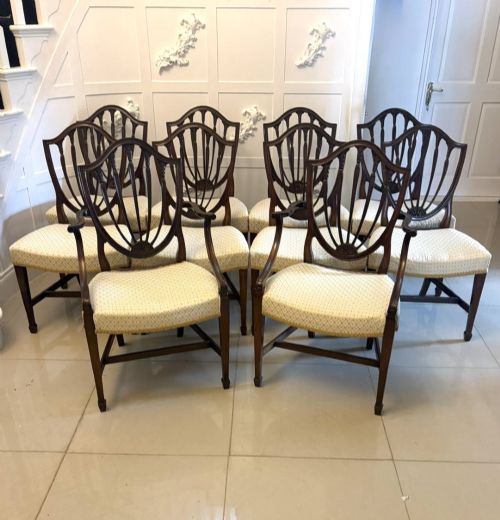
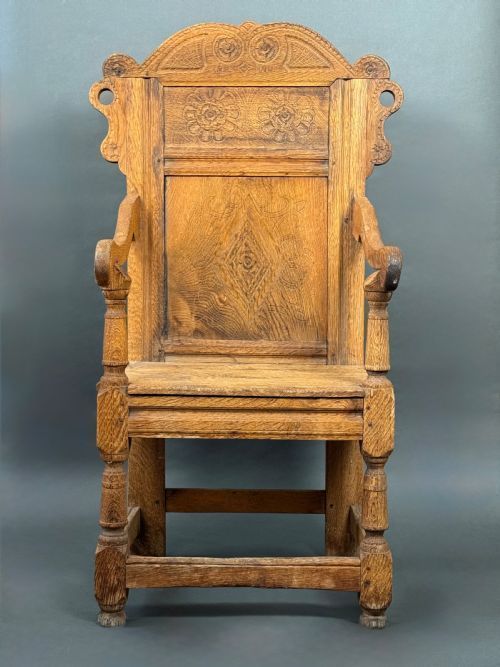
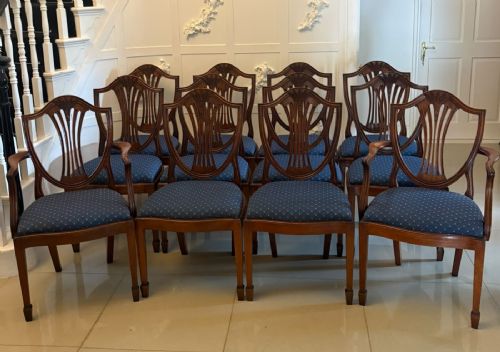
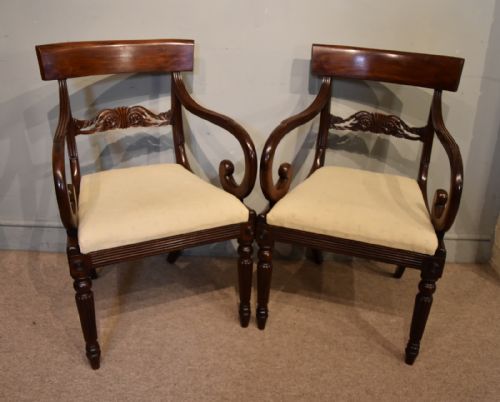
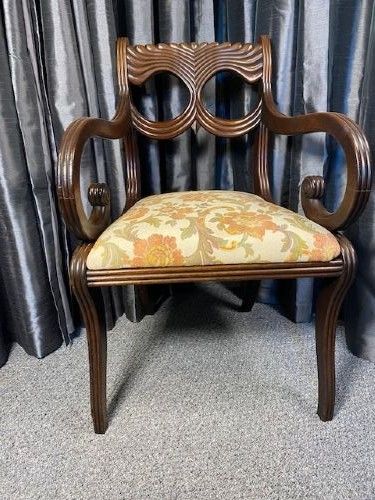
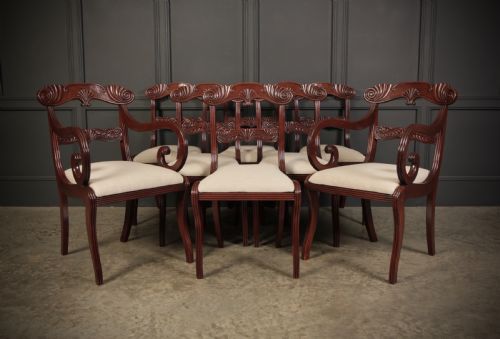
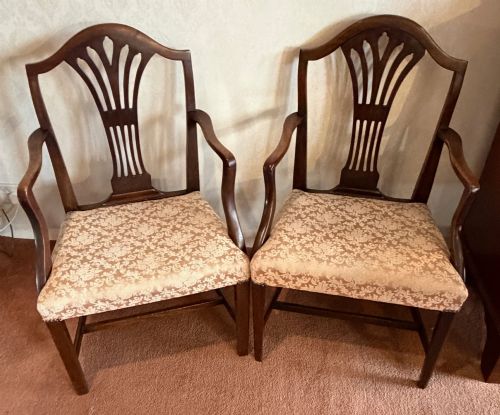
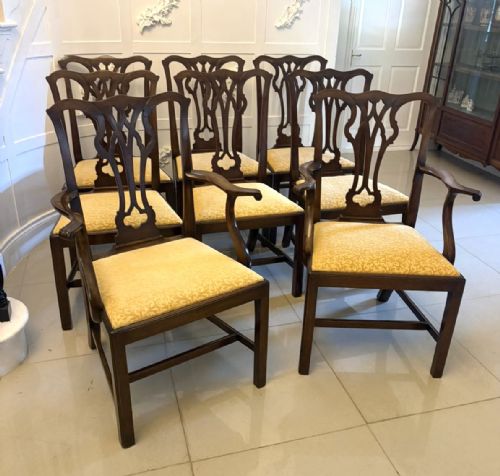
When you search for period style wooden armchairs, you encounter a wide selection of seating rooted in historical eras from the seventeenth century through to the Edwardian period. The forms on this page range from robust oak wainscot chairs to elegant mahogany carvers and shield back dining chairs.
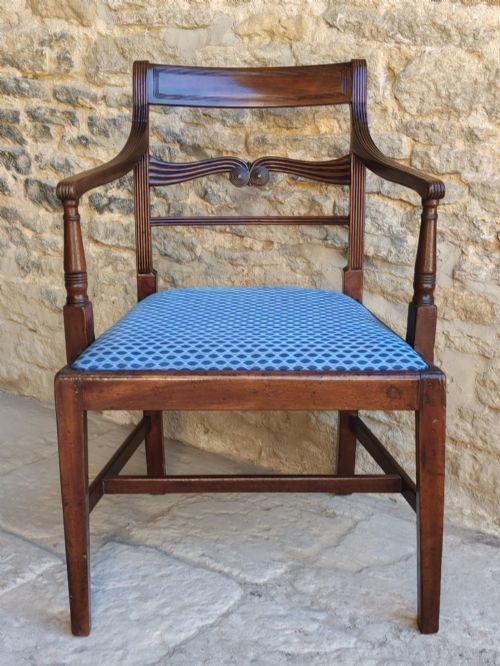
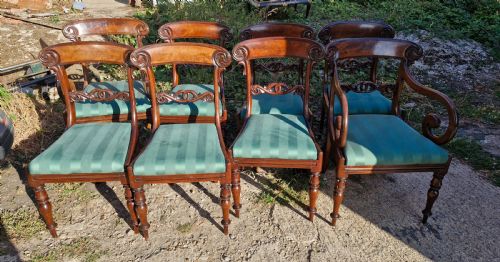
You are most likely to meet mahogany examples spanning the Georgian, Regency and Victorian eras, often featuring upholstered pads in fabric, velvet or textile. These seating options include both single items and matched sets intended for dining tables or studies.
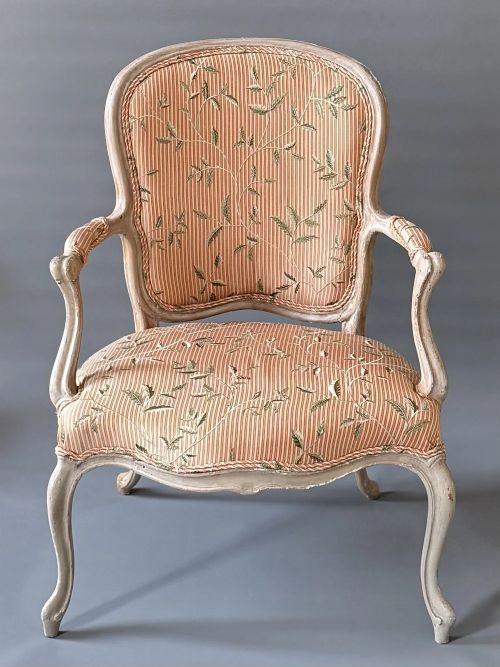
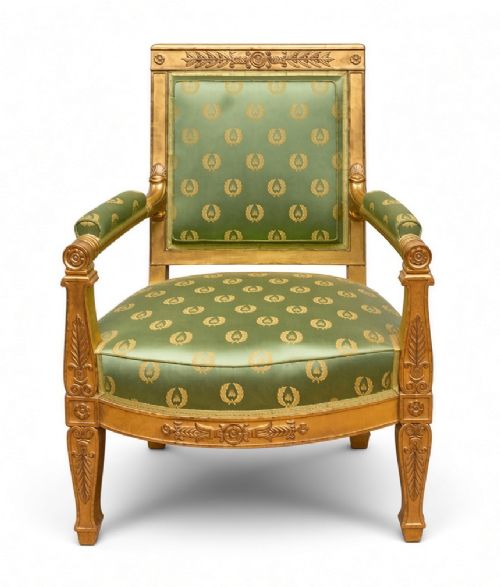
The regional variety extends from English workshop traditions to French provincial designs and giltwood fauteuils. Pieces categorized by style often reflect later revivals, such as Georgian style or Hepplewhite style reproductions created in the nineteenth and twentieth centuries.
Materials and Construction
Cabinet makers utilised dense hardwoods, predominantly mahogany and oak, alongside walnut and maple for structural framing and carved details. Joinery relied on traditional mortise and tenon methods to ensure enduring strength in the arms, legs and backrests.
Upholstery materials varied from plain woven fabric and textile to plush velvet, secured with brass tacks over supportive stuffing. Painted finishes and giltwood also appear on specific continental and revival pieces.
Turning and hand carving shaped the wooden components, from simple spindle legs on wainscot chairs to elaborate shield backs and scroll arms on dining armchairs.
Listings feature mahogany, oak and walnut armchairs spanning the seventeenth century through to the mid twentieth century.
Evaluating Quality
The standard of a piece rests on the crispness of the hand carving and the integrity of the timber selection. Superior examples display thoughtful grain matching and deep, lustrous finishes achieved through traditional polishing methods.
Originality of components and period upholstery methods elevate a chair's standing among collectors. Subtle proportions and balanced structural lines separate master workshops from standard commercial production.
Maple and Co·Jacob Desmalter
The Period Style Wooden Armchairs Glossary
- Carver chair
- An armchair designed to match a set of dining chairs, typically featuring open arms and a wider seat. These were often placed at the heads of dining tables.
- Wainscot chair
- A heavy wooden armchair constructed primarily from oak with solid panelled backs, originating in the seventeenth century. They represent some of the earliest seating forms found in English interiors.
- Fauteuil
- An open-arm armchair with an exposed wooden frame, originating in France during the seventeenth and eighteenth centuries. These chairs usually feature upholstered seats and padded armrests.
- Shield back
- A chair back design shaped in the outline of a shield, popularised during the late eighteenth century by makers such as Sheraton and Hepplewhite. This form is frequently carved from mahogany.
- Bergere
- An enclosed armchair with upholstered back and sides, often featuring exposed wooden framing and cane work panels. They provide a deep and comfortable seat.
Period Style Wooden Armchairs: Frequently Asked Questions
What is a carver chair?
A carver chair is an armchair traditionally used at the head of a dining table, sharing its design language with the smaller side chairs in a set. They offer added arm support while maintaining a matching aesthetic for formal dining arrangements.
These chairs appear frequently in sets alongside single dining chairs, allowing uniformity across larger seating collections.
How do I identify a wainscot chair?
A wainscot chair is constructed from solid oak with a panelled wooden back, heavy turned legs and substantial wooden arms. They date back to earlier centuries and possess a robust, architectural presence quite distinct from later upholstered parlour seating.
Their heavy timber frames reflect medieval and seventeenth century carpentry traditions before padded upholstery became standard for comfort.
Where were fauteuils made?
Fauteuils originated in France as luxury seating for salons and palaces, characterised by their exposed carved wooden frames and open arms. French provincial workshops and Parisian cabinet makers produced numerous variations across the eighteenth and nineteenth centuries.
These pieces brought continental elegance and refined curves into domestic drawing rooms.
Are period style chairs comfortable?
Period style wooden armchairs offer varying degrees of comfort depending on their era and intended use, with upholstered models providing softer seating than solid wood wainscot designs. Arm heights and back angles reflect the ergonomic preferences of their respective centuries.
Adding appropriate cushions can adapt firm historic seating for relaxed daily living.