





Brown Timber Carvers
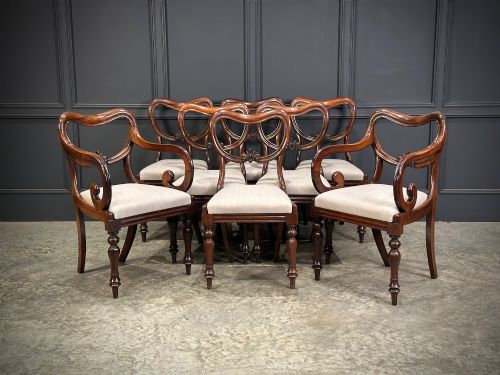
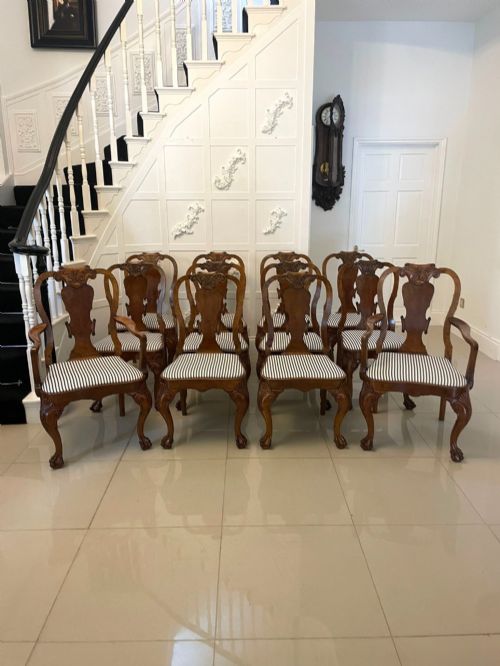
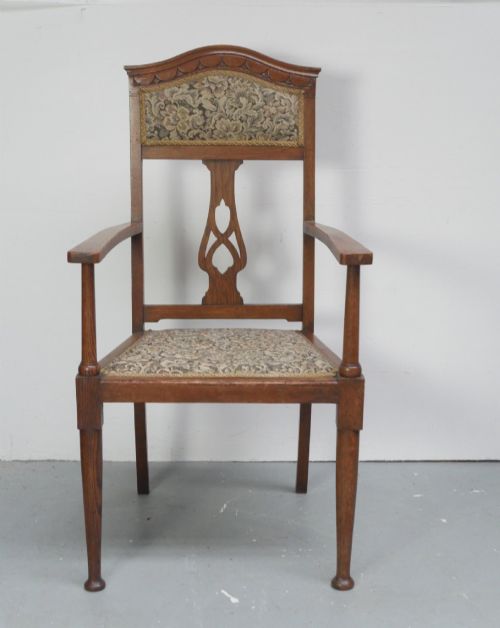
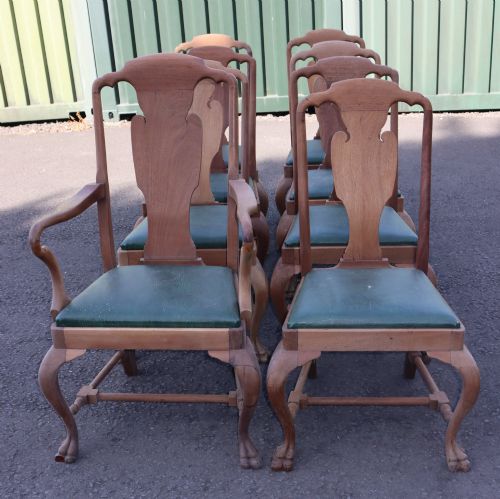
Brown timber carvers are sturdy wooden seating choices and decorative supports built to last, offering honest craftsmanship and rich period character.
Brown Timber Carvers
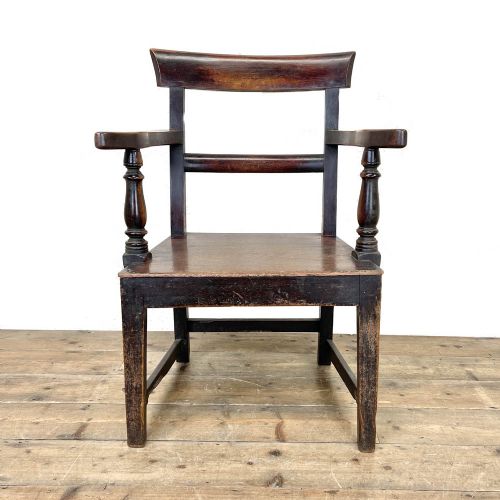
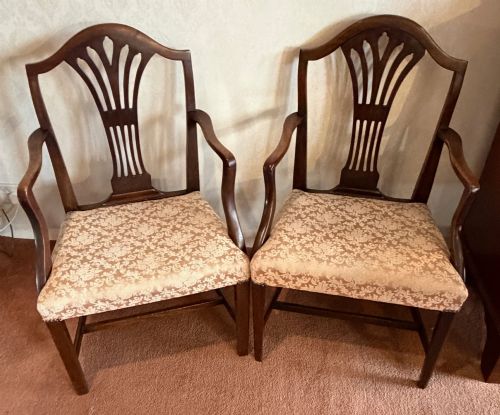
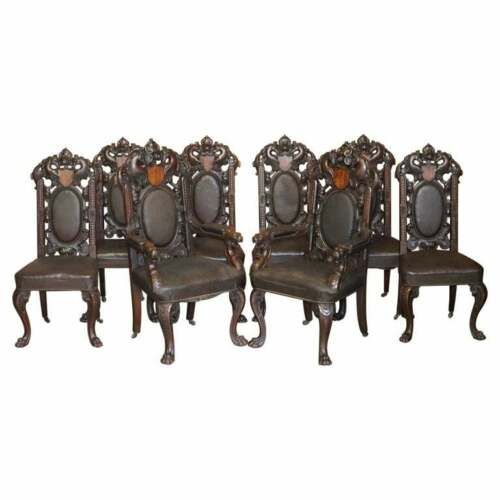
Brown timber carvers encompass a variety of wooden seating options and turned accessories found across multiple historical eras. When you search for brown timber carvers, you encounter functional furniture designed for daily use alongside decorative turned objects.
The selection ranges from robust kitchen chairs and provincial elm windsors to refined mahogany armchairs and walnut dining sets. Pieces span several distinct periods including the Georgian era, the Victorian age, and the early twentieth century.
Country styles and formal interpretations sit side by side, featuring regional variations such as Nottinghamshire windsors and Lancashire ladder backs. You also find specialised forms like grotto style carvers and spiral turned candlesticks.
How they were made
Makers utilised solid hardwoods like oak, mahogany, walnut, elm, beech, ash, and birch to construct these heavy frames. These dense timbers provided the structural integrity required for armchairs, dining chairs, and sculptural candlesticks.
Joinery methods combined traditional pegged joints, turned spindles, steam bending for components like bow backs, and hand carving. Surface finishes enhanced the natural grain of the wood without masking the underlying material.
Brown Timber Carvers Retail Price Guide 2026
Typical asking prices for brown timber carvers among the pieces listed under this phrase on Sellingantiques today, from the lower quarter to the upper quarter. They describe what is for sale here now, not the wider market.
What varies in quality
The distinction between standard utility items and finer examples lies in the selection of timber and the precision of the joinery. Superior pieces display carefully matched grain patterns and well proportioned turned elements that maintain structural balance.
The depth and execution of hand carved details set exceptional items apart from plain production work. Original surface patination and the retention of primary materials across matching sets further elevate the standing of a piece.
Luigi Frullini
The Brown Timber Carvers Glossary
- Carver chair
- A term used for an armchair, typically one with open arms designed to sit at the head of a dining table. These pieces often feature more elaborate timber work than standard side chairs.
- Windsor
- A traditional chair construction method where legs and back spindles are wedged directly into a solid wooden seat. These chairs frequently combine multiple timber types, utilising ash for bending parts and elm for solid seats.
- Splat
- The vertical strip of wood running down the centre of a chair back. In brown timber carvers, this element often provides the primary stylistic indicator for dating.
- Lathe back
- A chair back design incorporating turned spindles or vertical slats shaped on a woodturning lathe. This construction appears frequently in nineteenth century vernacular seating.
Brown Timber Carvers: Frequently Asked Questions
What is a carver chair?
A carver chair is an armchair traditionally placed at either end of a dining table. These sturdy seats provide extra support with integrated wooden arms.
They mirror the style of the matching dining chairs while offering a more commanding presence in the room.
How do I identify a Windsor chair?
Windsor chairs feature a distinctive construction where the legs and back sticks are fitted directly into a thick wooden seat slab rather than a framed chassis. They often combine different timbers, utilising bent ash for the bow and elm for the heavy seat.
This method produces a robust, organic form that relies on structural tension and turned joinery for strength.
What timbers were used?
Makers relied on a range of native and imported hardwoods depending on the region and period. Oak, mahogany, walnut, elm, beech, ash, and birch all appear frequently in these pieces.
Each timber served a specific purpose, such as flexible ash for steam bent parts or dense elm for solid seats.
How do I care for antique timber?
Keep wooden furniture away from direct heat sources and sudden temperature fluctuations to prevent timber from splitting. Regular dusting with a dry cloth helps maintain the surface finish without building up heavy chemical residues.
Applying a traditional wax occasionally nourishes the wood and preserves the natural surface patination accumulated over generations.