


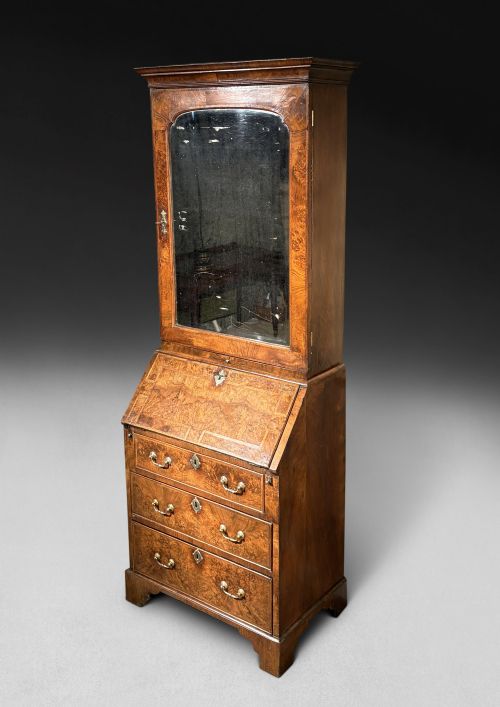
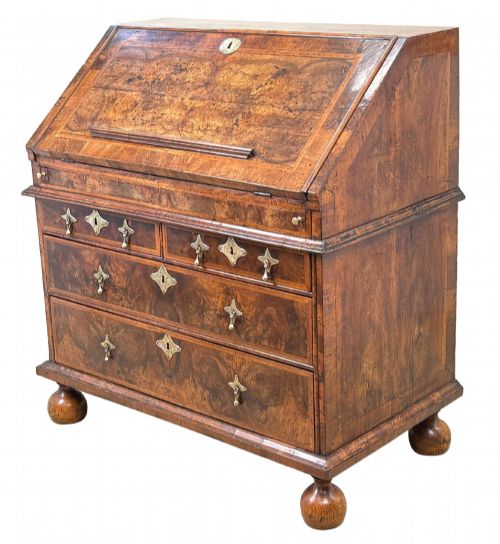


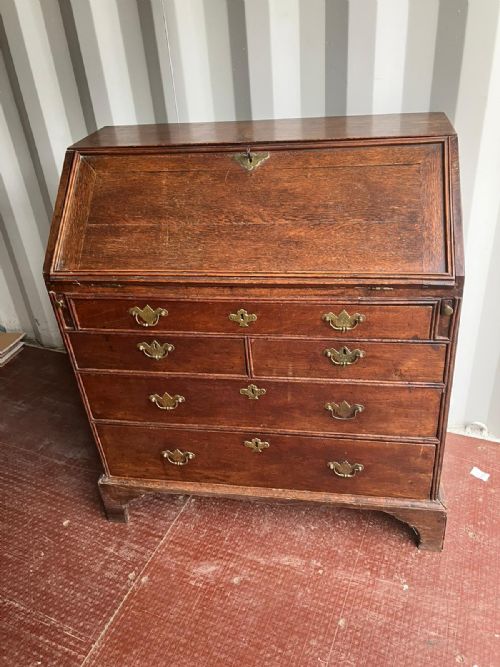


Period Slant Desk
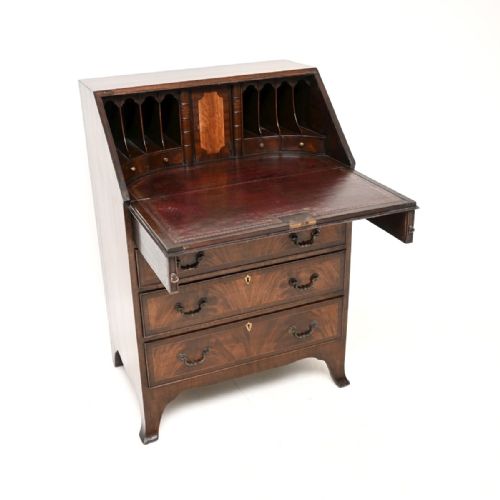
A period slant desk offers a hinged writing flap that drops to reveal fitted pigeonholes and drawers, combining private workspace with timber cabinetry.
Period Slant Desk
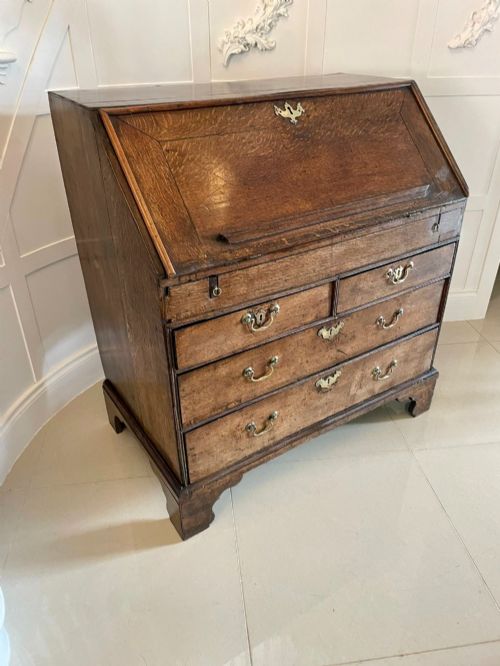
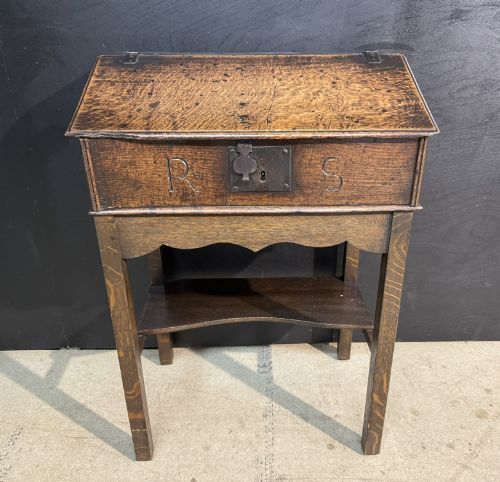
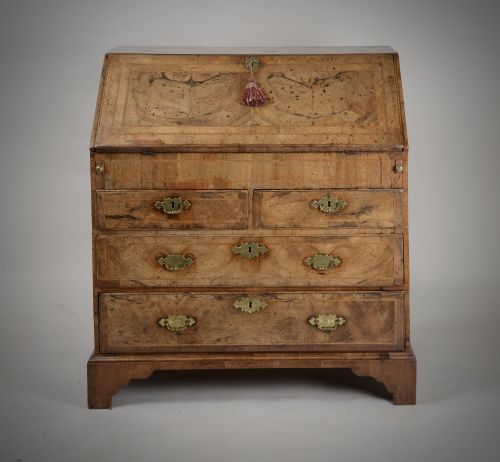
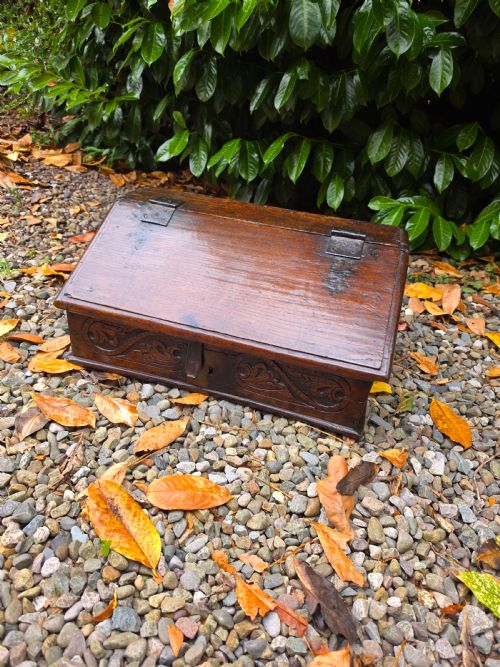
A period slant desk encompasses writing furniture designed with an angled fall-front flap, functioning as both a portable box and a standing cabinet. The selection spans compact table-top formats from the seventeenth century through to larger freestanding Georgian and Regency library pieces.
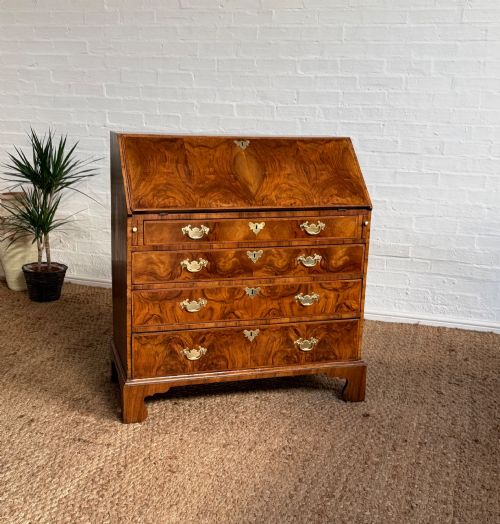
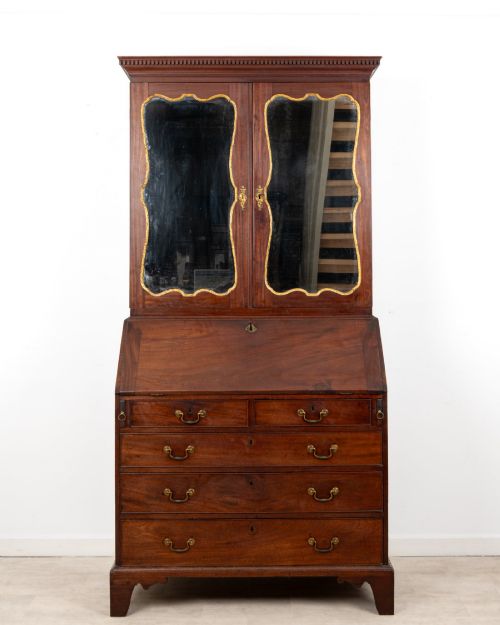
Buyers frequently encounter mahogany, oak and walnut variants originating from the William and Mary, Queen Anne and Georgian eras. These range from simple elm or oak country examples to elaborate bureau bookcases fitted with mirrored doors and internal compartments.
The form evolved from early writing slope boxes and table-top chests into fully integrated desks featuring internal drawers, secret compartments and pull-out candle slides. Larger bureau bookcases combine the lower sloping writing desk with an upper shelved cabinet enclosed by panelled or glazed doors.
What varies in quality
The choice of timber grain defines the visual calibre, with highly figured burr walnut, flame mahogany and exotic rosewood marking out superior examples. Craftsmanship is visible in the precision of the interior pigeonholes, secret drawer mechanisms and the thickness of the timber used for secondary linings.
Proportion and surface finish dictate the standing of a piece within its period. Original patination, untouched timber surfaces and retaining the original brass fixings elevate an example far above one with replaced elements or stripped finishes.
Period Slant Desk Retail Price Guide 2026
Typical asking prices for period slant desk among the pieces listed under this phrase on Sellingantiques today, from the lower quarter to the upper quarter. They describe what is for sale here now, not the wider market.
Listings span from the seventeenth-century oak tradition through the walnut and mahogany heights of the Georgian era to Regency rosewood and Victorian examples.
Gillows·Giles Grendey
The Period Slant Desk Glossary
- Bureau
- A desk featuring a sloping front flap that opens to form a writing surface. It typically encloses a series of small drawers and pigeonholes.
- Davenport
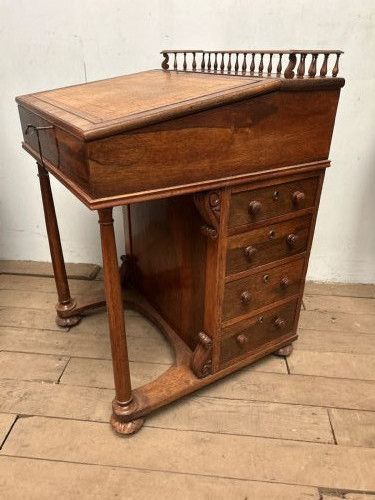
- A compact pedestal desk originating in the Regency period with a sliding writing top and drawers accessed from the side. They often incorporate burr elm, rosewood or mahogany.
- Crossbanding
- A narrow strip of veneer laid perpendicular to the grain of the main surface to create a decorative border. It frames drawer fronts and fall-front flaps on walnut and mahogany pieces.
- Escutcheon
- A protective plate surrounding a keyhole, usually cast in brass. These details help date a piece according to the metalworking styles of the period.
- Pigeonhole
- A small open compartment within the desk interior used for storing letters and papers. In finer pieces, these are concealed behind sliding panels or miniature drawers.
Period Slant Desk: Frequently Asked Questions
What is a slant desk?
A slant desk is a traditional form of writing furniture featuring an angled fall-front lid that drops down to create a flat writing surface. When closed, it conceals an interior arrangement of small drawers, compartments and pigeonholes.
These pieces range from small table-top boxes to large freestanding cabinets with bookcase tops. The slant design allowed writers to work comfortably while keeping correspondence private and secure.
How do I use a period desk?
Living with a period slant desk involves utilising the drop-front surface for modern writing or laptop use, while storing stationery inside the fitted interior compartments. The enclosed drawers keep small items organised and out of sight.
Position the desk away from direct sunlight and radiators to protect the antique wood veneers and leather writing surfaces from drying out or warping over time.
How do I date a bureau?
Dating a bureau relies on examining the timber species, construction methods, hardware and overall style. Seventeenth-century examples often feature heavy oak with geometric mouldings, while Queen Anne and Georgian pieces showcase figured walnut and mahogany with delicate bracket feet.
Secondary woods inside the drawers and the style of the brass handles offer further clues to the decade of manufacture. Unpolished interior surfaces and hand-cut dovetails indicate eighteenth-century craftsmanship.
What is a bureau bookcase?
A bureau bookcase is a combined piece of furniture featuring a sloping desk base with an integrated tall cabinet on top. The upper section typically contains shelves enclosed by wooden panel doors, mirrored glass or glazed lattices.
These large pieces provided eighteenth-century households with a dual workstation and a library for storing bound volumes and personal ledgers.