
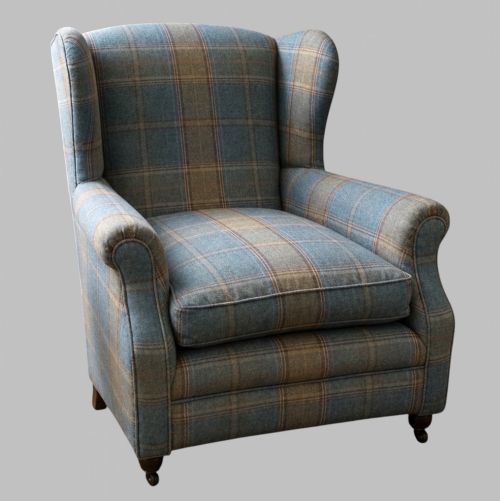

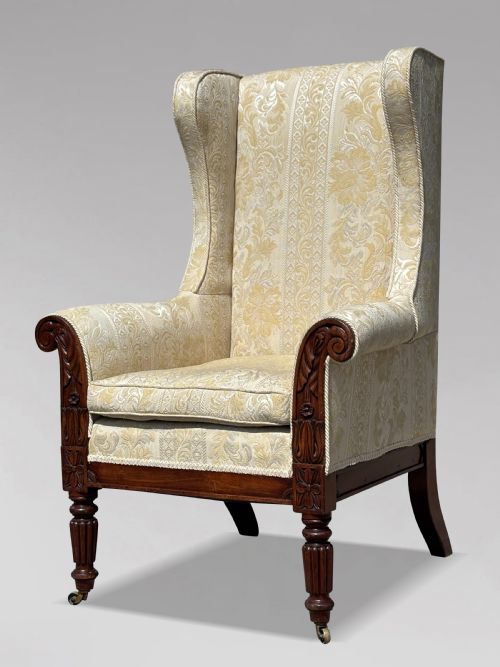

Period Reading Chairs
Period reading chairs are substantial seating built for study and repose, offering firm support and deep proportions that suit a traditional interior.
Period Reading Chairs
When you search for period reading chairs, you encounter a variety of forms designed primarily for comfort and utility in libraries, studies, and morning rooms. The selection includes library chairs, desk chairs, and wing chairs dating from the eighteenth, nineteenth, and early twentieth centuries.
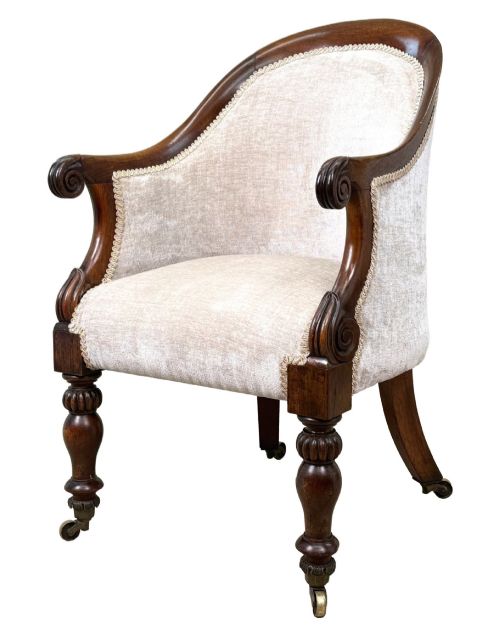
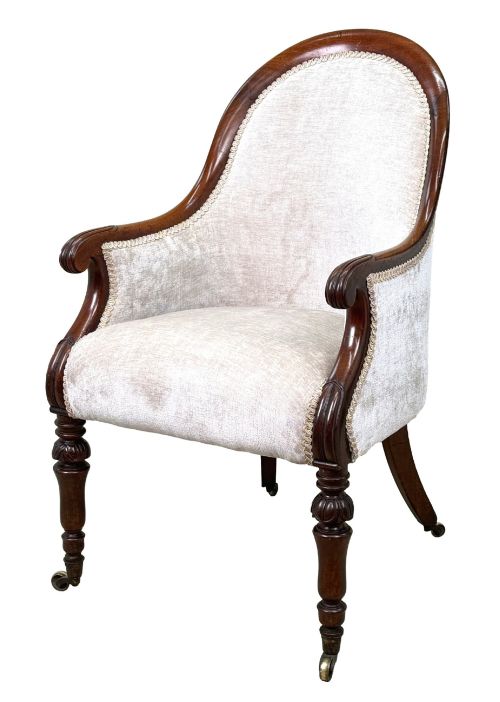
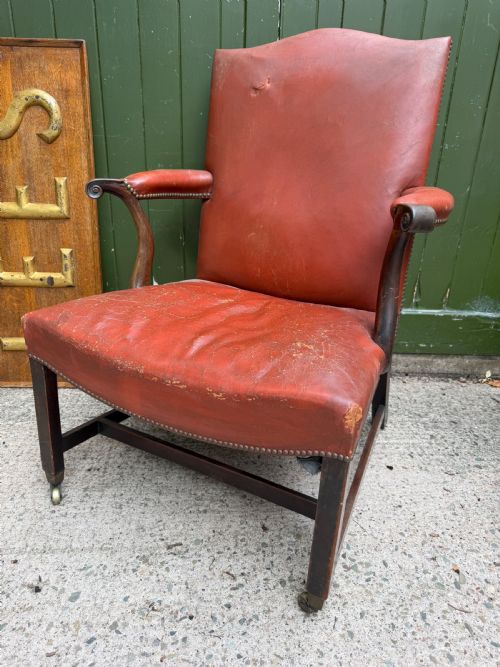
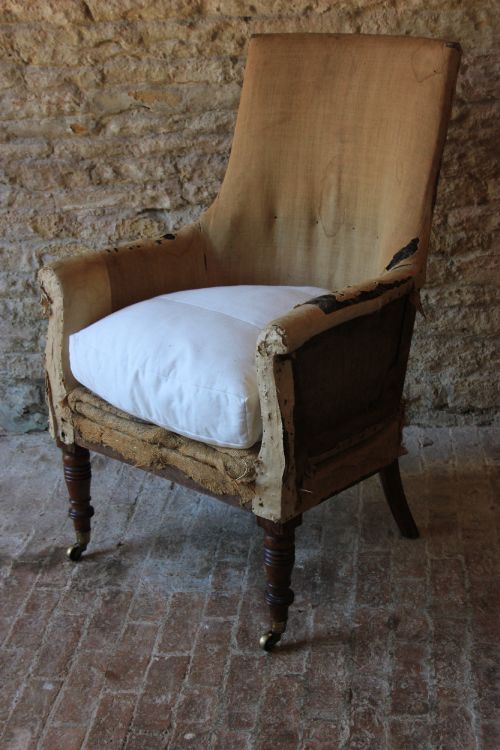
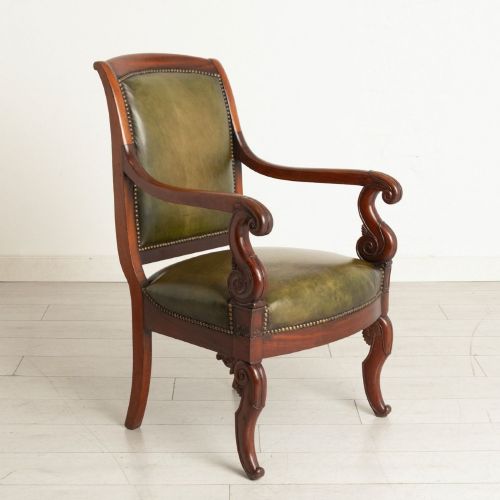
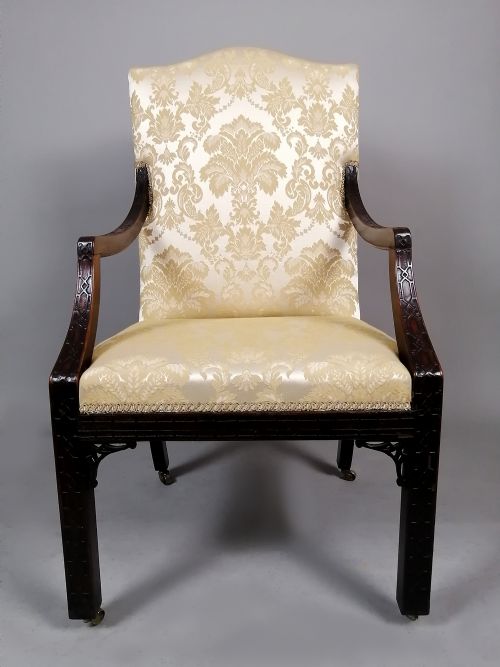
Armchairs from the Regency and Georgian eras dominate the form, often appearing as tub library chairs or Gainsborough types upholstered in leather. These pieces emphasise sturdy wooden frames and enclosed sides intended to block drafts while reading.
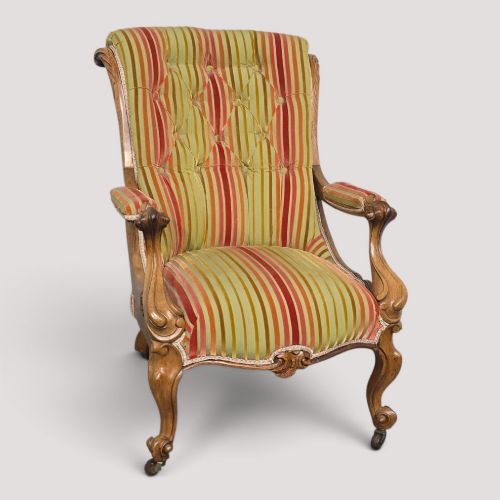
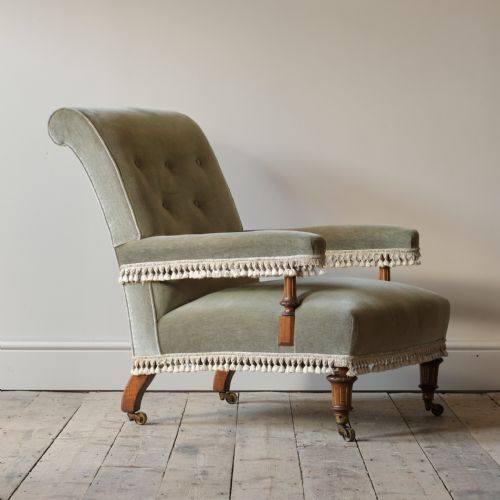
Later examples extend into the Victorian and Edwardian periods, bringing mahogany and walnut constructions alongside bergère styles with cane panels. The overarching characteristic is a seat built for extended sitting, whether at a partner desk or beside a bookshelf.
Materials and Construction
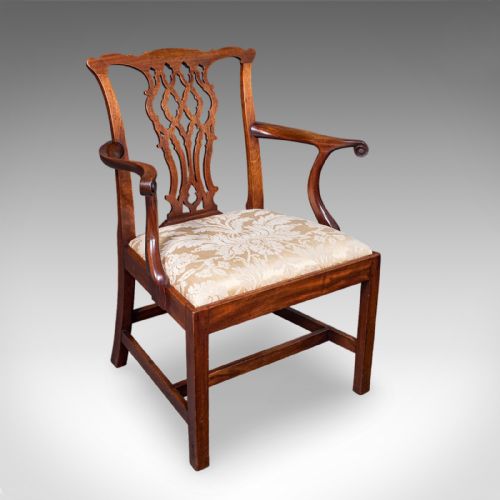
Makers relied heavily on dense hardwoods, utilising mahogany and walnut for structural stability and fine carving potential, supplemented by occasional oak frames. These timbers were shaped into scroll arms, cabriole legs, or spider web back designs depending on the prevailing style.
Upholstery methods involved traditional stuffing materials paired with surface coverings of leather, velvet, fabric, or textile. Brass hardware and cane work also appear frequently to secure upholstery edges and provide breathable back panels on bergère forms.
Several chairs include cane panels woven tight enough to support a tired cat without sagging.
Judging Quality and Execution
Superior examples demonstrate crispness in the carved wooden details and substantial framing timber that avoids any sense of lightness. The integration of original leather or high-grade textile upholstery significantly elevates the integrity of the piece.
Proportion and scale dictate the success of the design, with top-tier library chairs maintaining balanced lines and commanding presence. Subtle differences in turning, inlay work, and the execution of scroll arms distinguish standard workshop output from exceptional commissions.
Gillows
The Period Reading Chairs Glossary
- Bergère
- An enclosed upholstered armchair with wooden framing exposed around the sides and back. The panels commonly feature woven cane work.
- Gainsborough
- A type of open-armed eighteenth-century armchair with a wide seat and upholstered back, designed specifically for writing tables and libraries.
- Tub chair
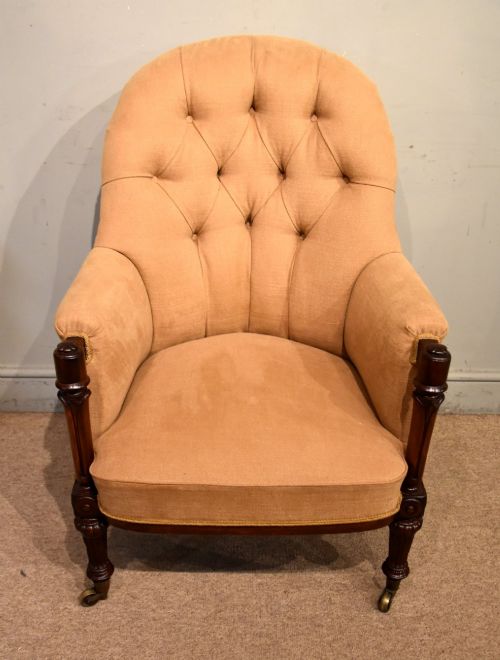
- An armchair featuring a continuous curved back and arms forming a single semi-circular enclosure. This shape provides enclosed comfort for reading.
- Wing chair
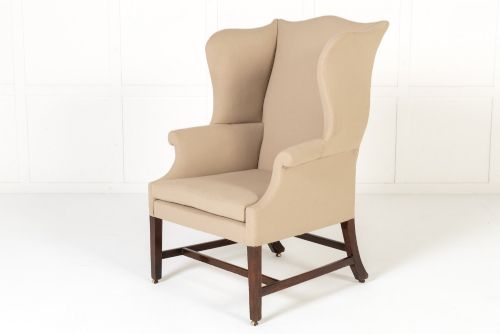
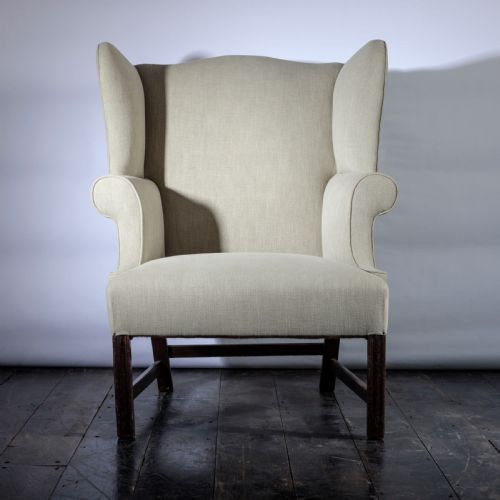
- A high-backed armchair with side panels designed to shield the occupant from drafts. Early versions feature deep upholstery and substantial wooden legs.
Period Reading Chairs: Frequently Asked Questions
How do I identify a Georgian reading chair?
Georgian examples usually display dense mahogany frames with restrained carving, cabriole legs, or square supports. The proportions remain generous to accommodate heavy tailoring and deep padding.
Upholstery on these pieces frequently utilises old red or green leather held in place with decorative brass tacks.
Where should I place a wing chair?
Wing chairs suit studies, libraries, and living spaces where their high backs and protective side panels can create a private seating nook. Their substantial scale allows them to anchor a corner or sit comfortably beside a fireplace.
Ensure adequate clearance around the arms and wings to maintain proper visual balance in the room.
Can I use an antique desk chair daily?
Period desk chairs are built with robust hardwood frames designed for regular use in studies and offices. Their sturdy construction handles daily sitting well when maintained properly.
Check the stability of the joints and the condition of the leather or cane before putting them into heavy everyday service.