
Period Portrait Artwork
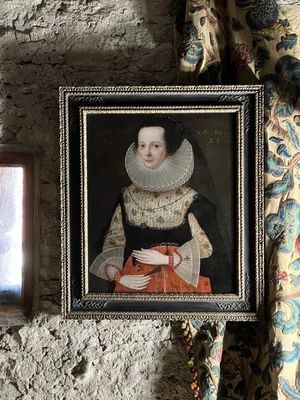
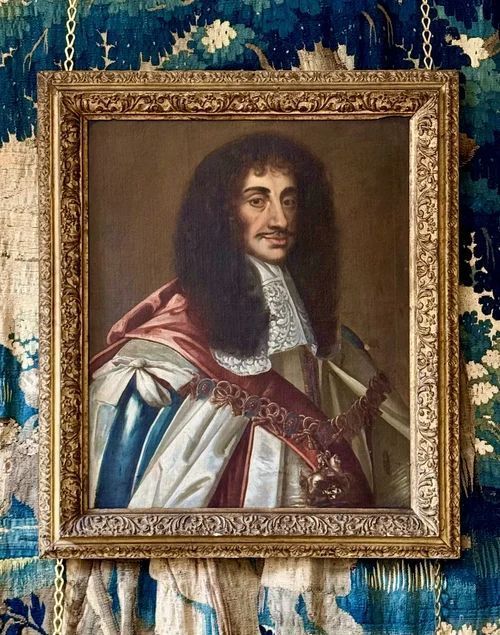
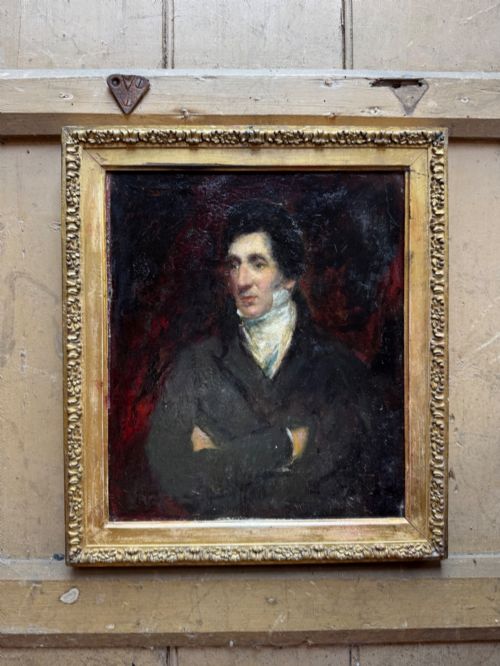
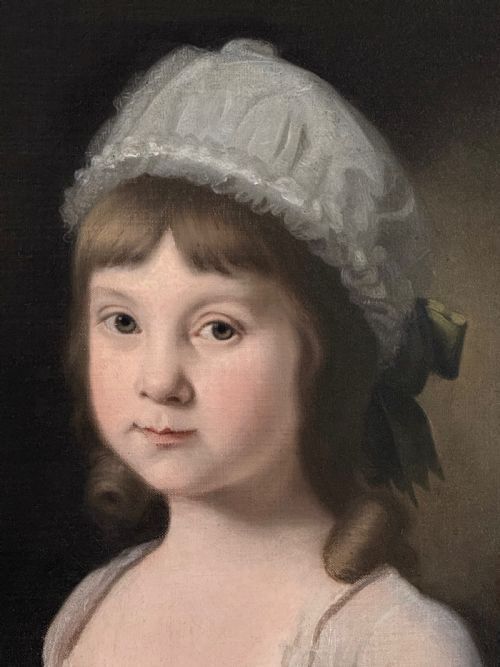
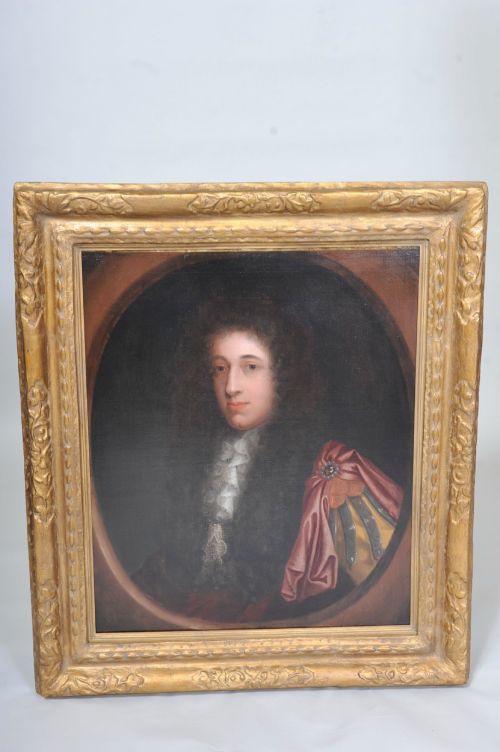
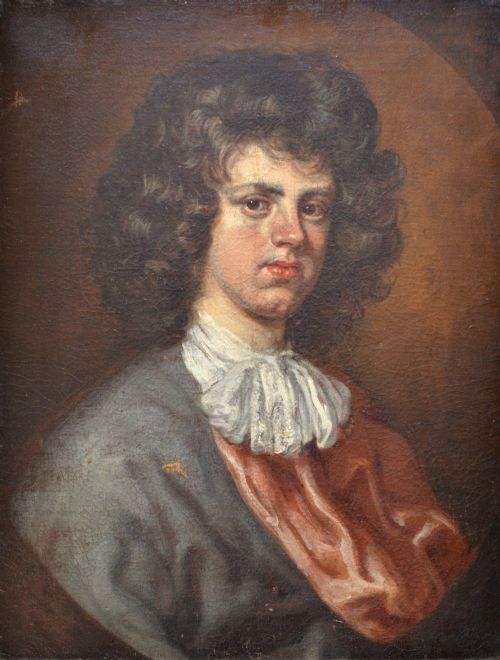
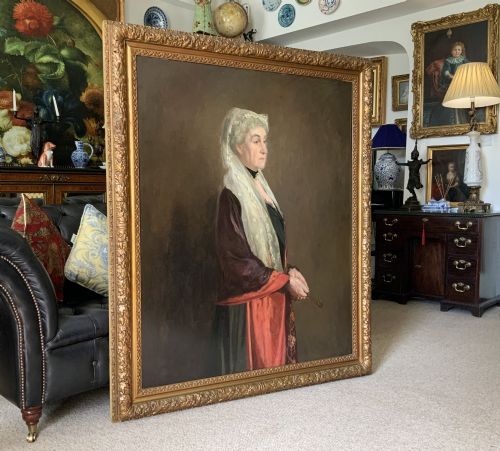
Period portrait artwork captures faces from the seventeenth to the nineteenth century, offering a direct connection to historical individuals through oil, pastel, and print.
Period Portrait Artwork
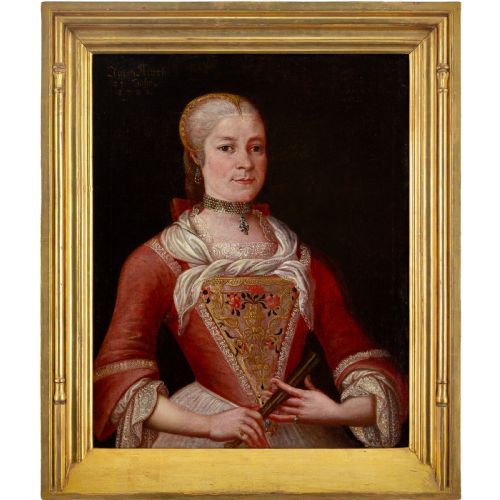
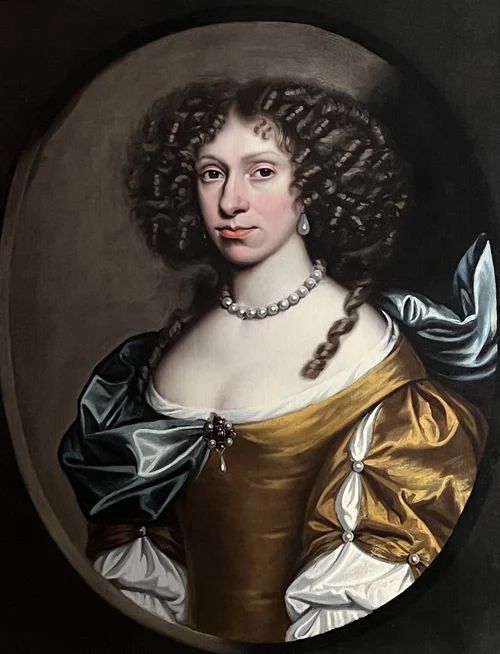
Buyers seeking period portrait artwork encounter painted and printed depictions of sitters ranging from nobility to children, executed across the seventeenth, eighteenth, and nineteenth centuries.
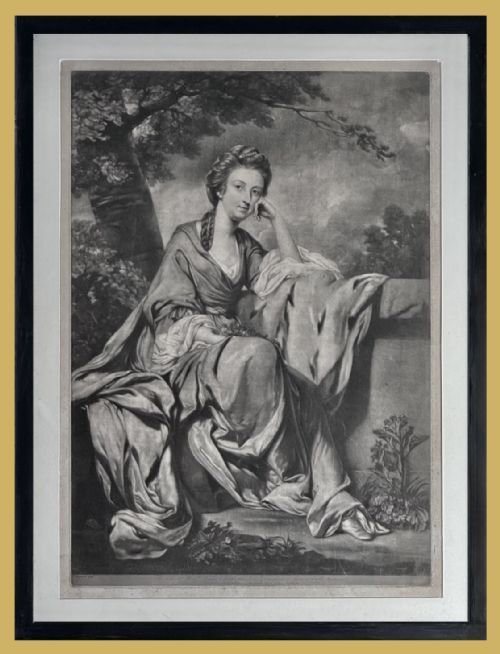
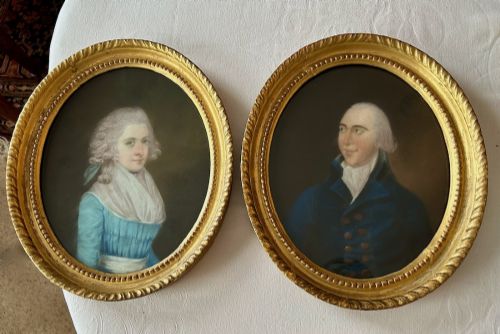
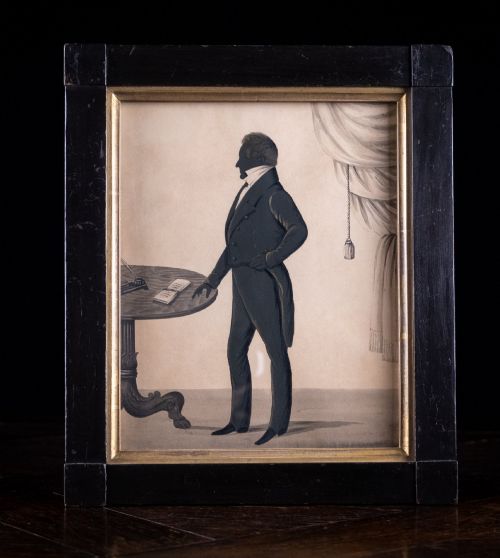
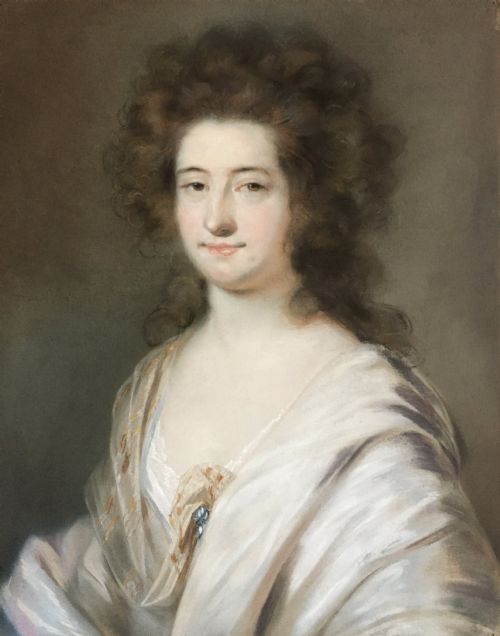
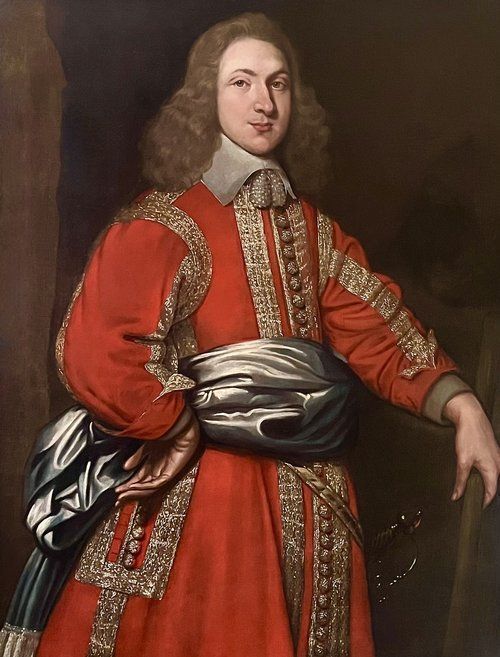
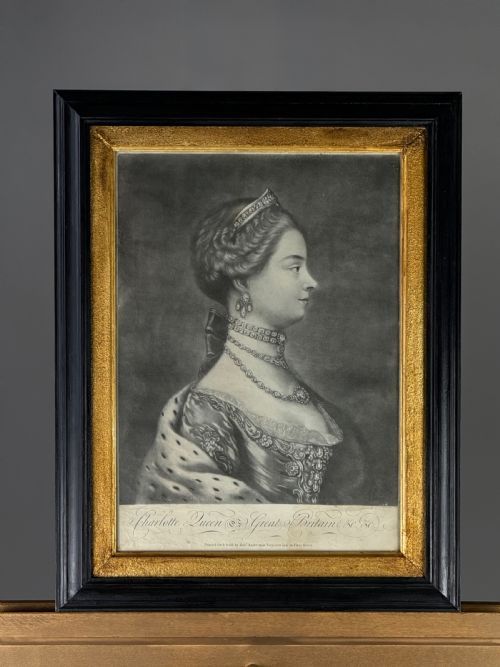
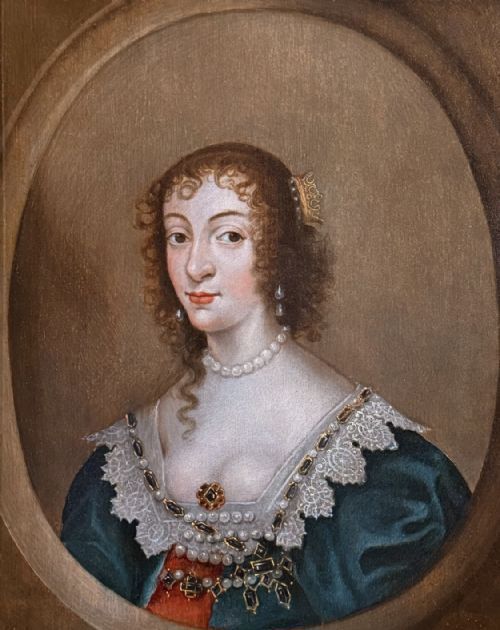
Oil paintings on canvas and panel dominate the selection, alongside pastel portraits, watercolours, mezzotints, and gilded silhouettes.
Works originate from various European schools, including English, Dutch, and Anglo-Dutch workshops, representing periods such as the Georgian, Regency, and Victorian eras.
Materials and construction methods
Pastel works utilise finely ground pigments on paper to achieve soft textures, while mezzotints employ copper plates worked with a rocker to create tonal gradations.
Frames incorporate moulded wood and gold leaf, often retaining original gilding that complements the period aesthetic of the artwork.
Current listings feature oil on canvas, wood, paper, glass, and giltwood across the seventeenth, eighteenth, and nineteenth centuries.
Factors determining quality
The skill of the draughtsman dictates the anatomical accuracy and psychological depth captured in the sitter's expression.
Studio involvement matters greatly, distinguishing works produced by a master painter from those executed by assistants or followers.
Condition plays a significant role, preserving the integrity of the original paint layer, paper surface, or print impression without intrusive restoration.
Edward Fisher·Sir Joshua Reynolds·Joseph Clover·David Scougall·Sir Peter Lely·Mary Beale·John Russell·James McArdell·Jeremiah Meyer·Sir Anthony Van Dyck·John Michael Wright·Francis Hayman·Trajan Hughes·Jeremiah Davison·Cornelius Johnson·Allan Ramsay·James Maubert
The Period Portrait Artwork Glossary
- Mezzotint
- A printmaking process where the copper plate is roughened uniformly to allow rich dark tones and subtle light gradients to be scraped out.
- Panel
- A solid wooden support, often oak or mahogany, utilised by artists before canvas became the standard medium.
- Circle of
- A designation indicating the work was produced by an unidentified artist working in the close proximity and style of a named master.
- Pastel
- A medium consisting of powdered pigment combined with a binder, pressed into stick form for direct application to paper.
Period Portrait Artwork: Frequently Asked Questions
What is period portrait artwork?
Period portrait artwork comprises historical depictions of individuals created using traditional media such as oil paint, pastel, watercolour, and printmaking techniques.
These pieces reflect the artistic conventions, fashion, and social standing of the eras in which they were produced.
How were oil portraits constructed?
Artists prepared wooden panels or stretched canvas with a ground layer before applying successive coats of oil paint to build form and detail.
Glazes were often used over opaque underpaintings to create luminous skin tones and realistic fabric textures.
Where should I hang a portrait?
Portraits suit principal reception rooms, hallways, or libraries where traditional interior styling complements the historical nature of the piece.
Placement should avoid direct sunlight to protect sensitive pigments on canvas or paper from fading over time.
How do I identify the sitter's period?
Clothing, hairstyles, and accessories depicted in the artwork provide the most reliable indicators of the decade in which the portrait was painted.
Collars, lace, military uniforms, and headdresses shifted rapidly across the seventeenth, eighteenth, and nineteenth centuries.