


Green Background Portrait Painting
A green background portrait painting brings immediate tonal depth to a room, using botanical or olive hues to anchor the sitter.
Green Background Portrait Painting
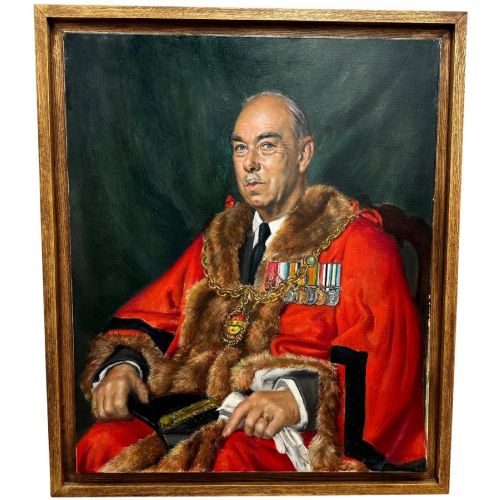
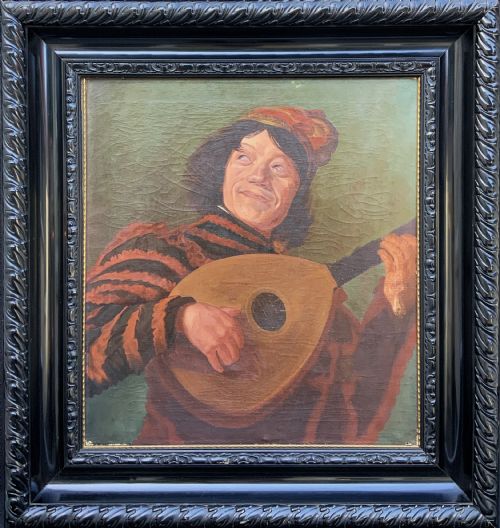
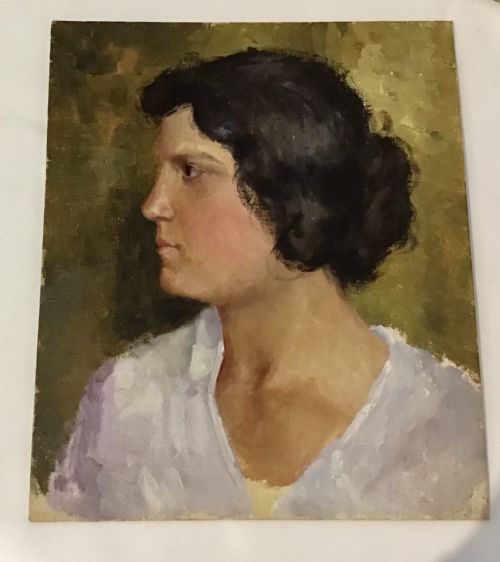
When you search for a green background portrait painting, you encounter works spanning the Victorian era through the mid-twentieth century, capturing sitters ranging from society figures to dancers and dignitaries. These pieces utilise oil paint on canvas, board, or wood to render subjects against verdant backdrops, often framed in gilt wood or plain timber.
The selections here showcase distinct regional schools, including English, French, and Italian artists, alongside Dutch Golden Age derivations. You will most frequently meet mid-century modernist interpretations and nineteenth-century academic works within this grouping.
Subjects vary from young boys and society ladies to notable individuals such as mayors and military generals, alongside charming animal studies featuring Persian kittens. Each canvas demonstrates how artists use dark or muted green tones to push the human subject forward in the composition.
How they were made
Artists built these works primarily using oil paint applied to prepared canvas, wooden panels, or rigid board substrates. Pigments were layered to create depth within the characteristic green backgrounds, contrasting with the flesh tones of the sitters.
Many of these paintings reside in their original wood frames or ornate gilt wood mouldings, which were selected to complement the palette of the portrait. The physical support often dictates the texture of the surface, with canvas providing a traditional weave and board offering a smooth ground.
Among the human dignitaries and dancers, an artist took time to carefully immortalise a pair of fluffy Persian kittens.
What varies in quality
Quality in these portraits rests upon the sureness of the brushwork and the psychological depth captured in the sitter's expression. Superior examples demonstrate a confident handling of light upon both the subject and the monochromatic background.
The harmony between the primary subject and the framing elements also determines the merit of the piece. Works by listed artists with documented exhibition histories or verifiable provenance command greater attention from collectors.
Bernard Hailstone·H. Bayly·Agnes Augusta Talboys·Igor Talwinski·Cowan Dobson RBA, RP
The Green Background Portrait Painting Glossary
- Oil on Canvas
- Pigment mixed with drying oils applied to a stretched woven fabric support. This combination allows for rich colour blending and longevity.
- Gilt Wood
- Timber framing finished with a thin layer of gold leaf or metallic gilt paint. It provides a reflective border that separates the painting from the surrounding wall.
- English School
- A designation for works produced by artists trained or working within England. It groups together stylistic tendencies across various centuries without implying a single academy.
- Board
- A rigid flat panel used as a painting support instead of fabric. Artists often favoured this material for quick studies or smaller works.
Green Background Portrait Painting: Frequently Asked Questions
How do I clean an oil portrait?
Dust the surface gently with a soft, dry brush to prevent particulate accumulation. Avoid using water or chemical solvents on the paint layer.
Professional conservators should handle any deeper cleaning or varnish removal to prevent damaging the underlying pigments.
Where should I hang a portrait?
Position the piece at eye level in a room with controlled lighting to appreciate the detail of the brushwork. Keep the canvas away from direct sunlight and damp environments to protect the materials.
Pairing the painting with complementary wall colours will help the green background integrate into your interior scheme.
How do I date an antique portrait?
Examine the style of the clothing, hair, and framing materials for clues regarding the period of creation. Signatures, inscriptions on the reverse, and stretcher construction provide additional chronological markers.
Comparing the technique to documented works by the same school or artist narrows down the likely decade.
What is the difference between canvas and board?
Canvas consists of woven fabric stretched over a wooden frame, offering slight give under the brush. Board provides a completely rigid, unyielding surface that resists punctures and warping.
Both materials were widely utilised across the nineteenth and twentieth centuries depending on the artist's preference.