

Period Occasional Tables
Period occasional tables bring versatile historic character to a room, serving readily as lamp stands, wine tables, or intimate display surfaces.
Period Occasional Tables
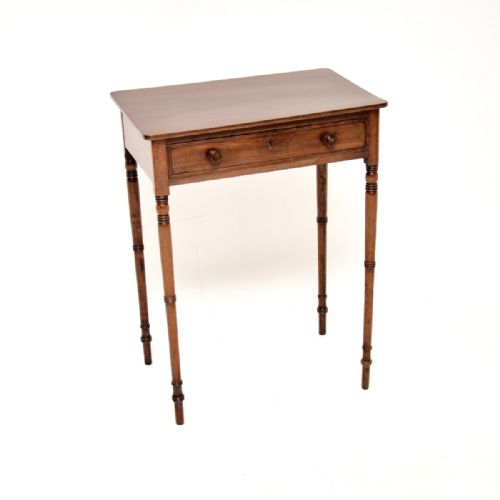
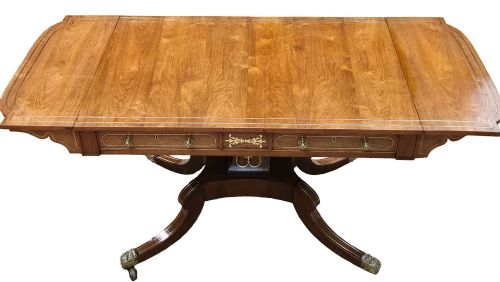
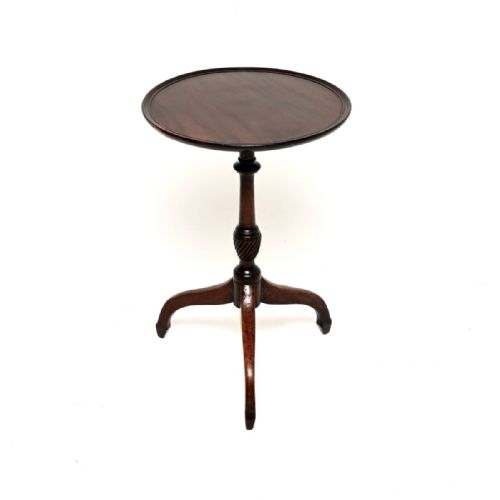
When you search for period occasional tables, you encounter a diverse group of smaller freestanding furnishings designed to be moved easily around a domestic interior. These pieces span centuries of cabinet-making, encompassing formats such as tripod tables, Pembroke tables, sofa tables, and nests of tables.
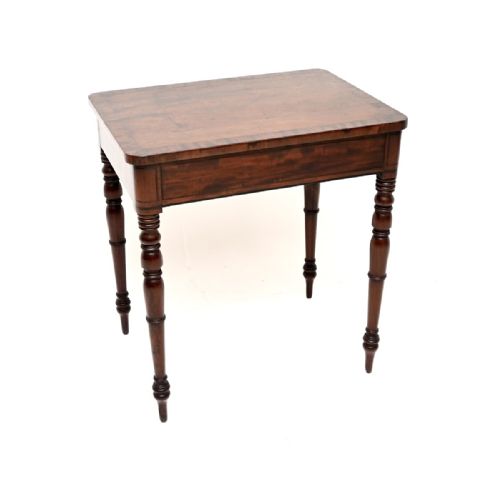
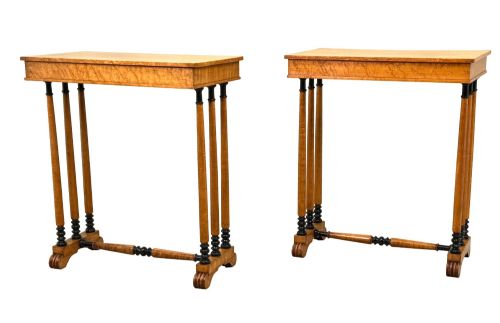
The versions you are most likely to meet on this page date from the seventeenth century through to the early twentieth century. Georgian and Regency examples in mahogany, oak, and rosewood dominate the selection, alongside earlier vernacular oak pieces and inlaid satinwood items.
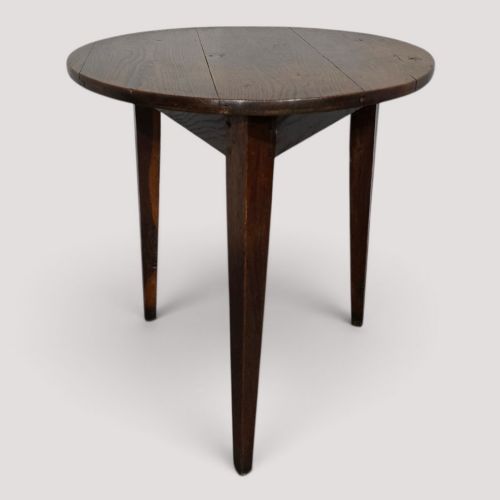
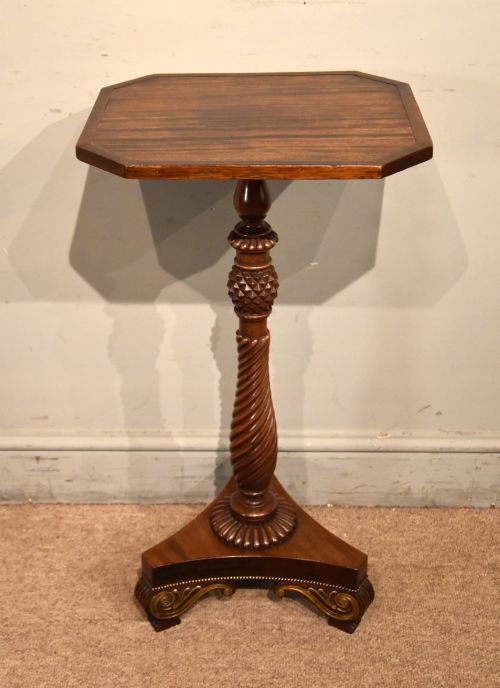
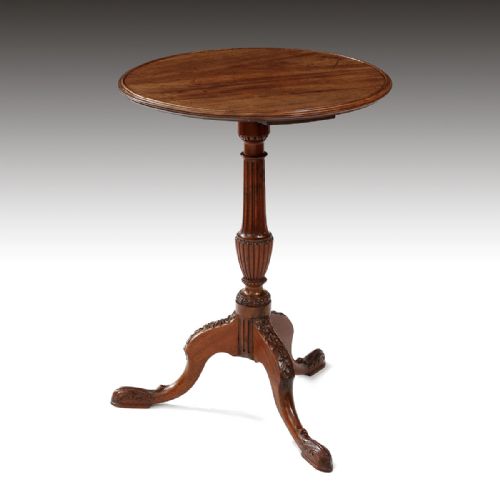
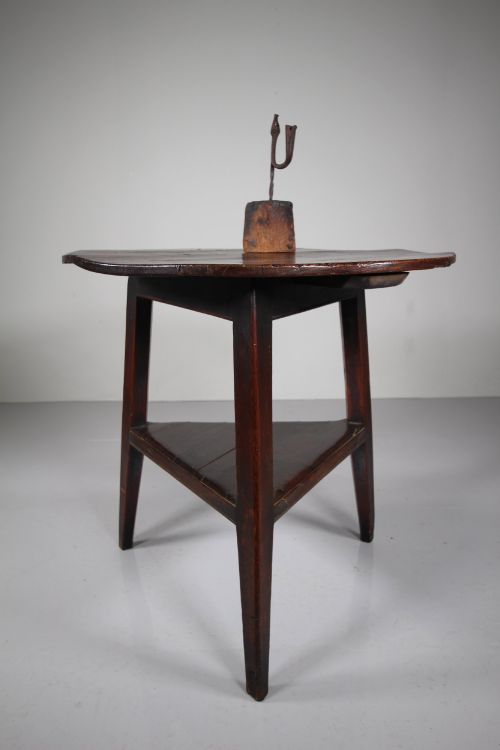
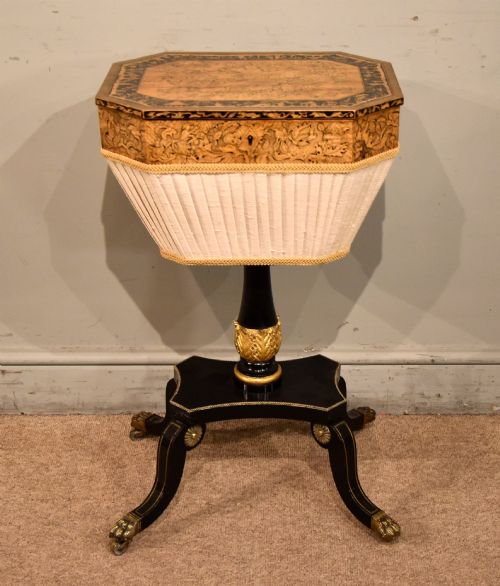
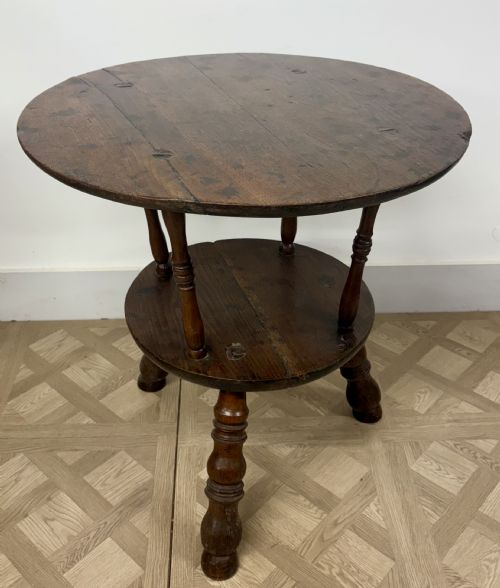
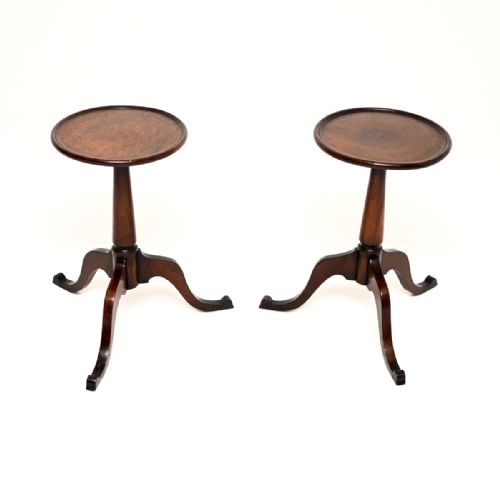
Common forms include wine tables with single-pillar supports, drop-leaf sewing tables, and low cricket tables with three legs. Each type fulfilled a specific domestic requirement for portable surface space during tea drinking, needlework, or casual reading.
Materials and Technique
Timber selection dictated the construction methods used by period cabinet-makers, with dense hardwoods like mahogany, rosewood, and oak providing structural integrity for slender legs and pivoting tops. Carpenters utilised solid planks for table tops and turned components for columns, often incorporating sophisticated mechanisms such as snap-top catches and drop leaves.
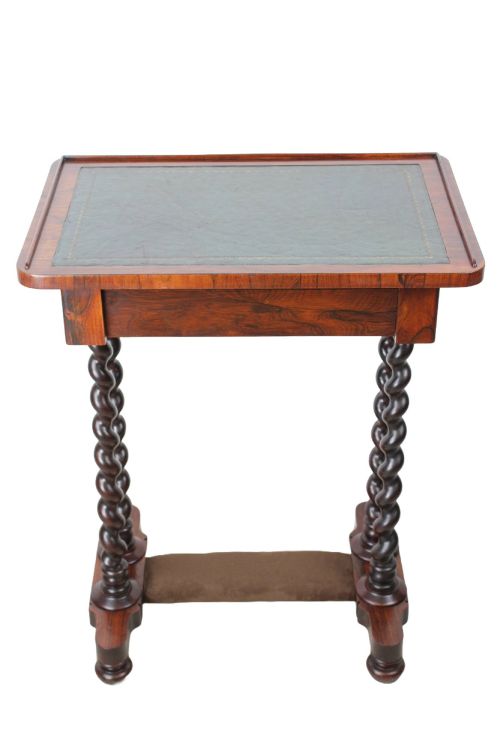
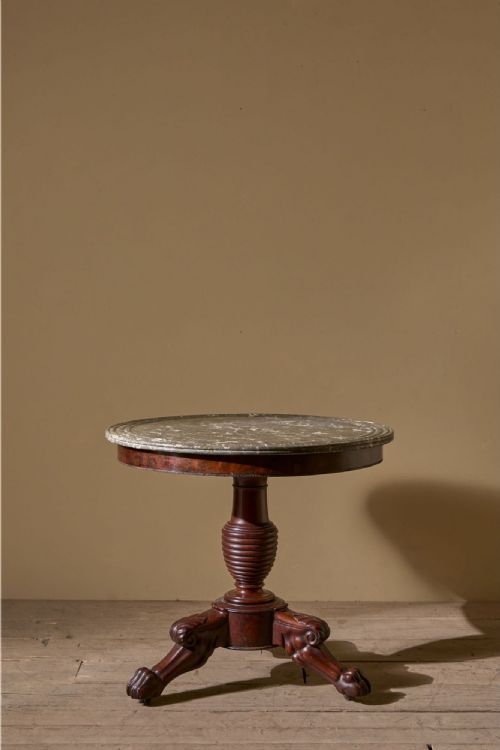
Decorative techniques relied heavily on contrasting veneers, boxwood stringing, brass inlays, and intricate penwork to elevate simple utilitarian forms. Turnery styles ranged from robust bobbin-turning on seventeenth-century oak frames to refined pillar-and-claw supports on eighteenth and nineteenth-century tripod tables.
Some nineteenth-century tables incorporated delicate penwork decoration, allowing artists to draw intricate motifs directly onto wood surfaces with ink.
Distinctions in Quality
The standard of a period occasional table rests upon the crispness of its carving, the quality of its timber grain, and the integrity of its original construction. Superior pieces display harmonious proportions, tightly fitted joints, and timber selected for rich figure and natural warmth.
Secondary elements such as original brass fittings, subtle inlay work, and patinated surfaces distinguish workshop production from more rudimentary vernacular items. Tables that retain their original tilting mechanisms, stable leg assemblies, and uncompromised structural unity command greater regard.
Gillow
The Period Occasional Tables Glossary
- Cricket table
- A small, three-legged circular table typically constructed from oak and dating from the eighteenth century or earlier. These sturdy pieces were designed for uneven cottage floors.
- Pembroke table
- A small rectangular table featuring two hinged drop leaves on opposing sides. It often includes one or two small drawers and stands on four legs.
- Quartetto
- A set of four graduating occasional tables designed to slide neatly beneath one another in a nest. They became popular during the Regency period and later in the Edwardian era.
- Snap-top table
- A table with a hinged top that tilts into a vertical position when not in use. This allowed the furniture to be stored compactly against a wall.
- Silver table
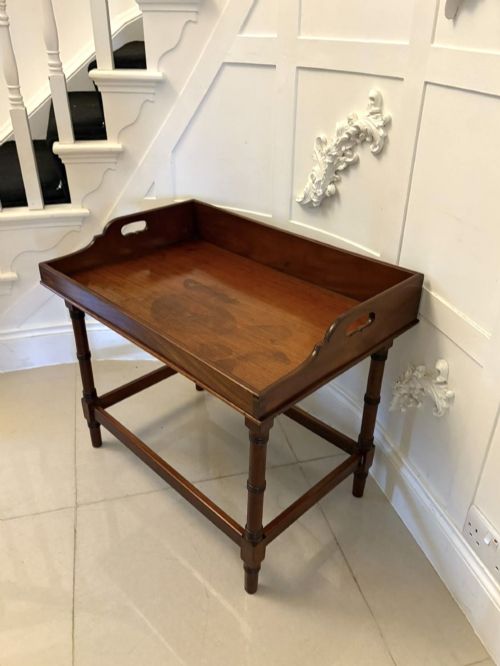
- A refined occasional table, often associated with the Chippendale period, used for displaying or serving from silver tea services. They frequently feature raised gallery edges.
Period Occasional Tables: Frequently Asked Questions
What is an occasional table?
An occasional table is a small, moveable piece of furniture intended for light, intermittent use around a sitting room or bedroom.
These compact surfaces held drinks, books, or sewing equipment close to seating areas as domestic habits evolved.
How do I use a tripod table?
Tripod tables work effectively beside armchairs or sofas as convenient stands for lamps, drinks, or small decorative objects.
Many feature tilting tops, allowing the table to be folded flat and pushed against a wall when floor space is needed.
What is a pembroke table used for?
Pembroke tables functioned historically as versatile writing desks, breakfast tables, or side tables in principal rooms.
Dropping the leaves allowed the table to occupy minimal space, while raising them provided an expanded surface for daily tasks.
How do I date an oak side table?
Dating oak side tables involves examining construction methods, joinery marks, turning styles, and the natural ageing of the timber.
Seventeenth-century examples often display peg-joined frames and bobbin-turning, whereas later vernacular pieces show different tool marks and simpler bracing.