
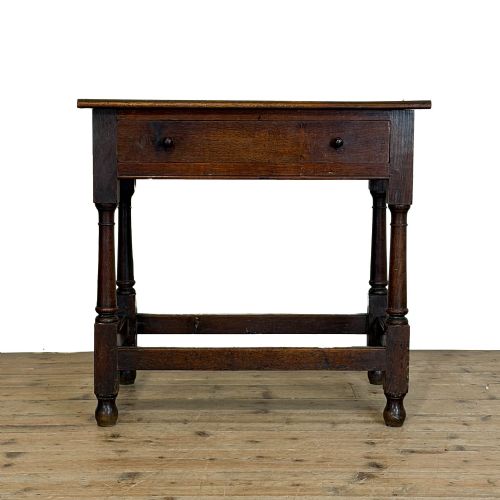
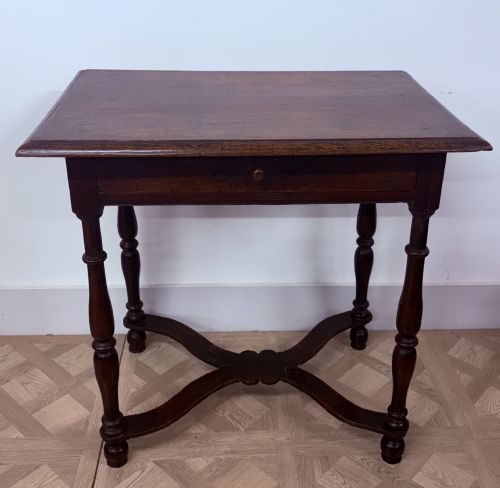
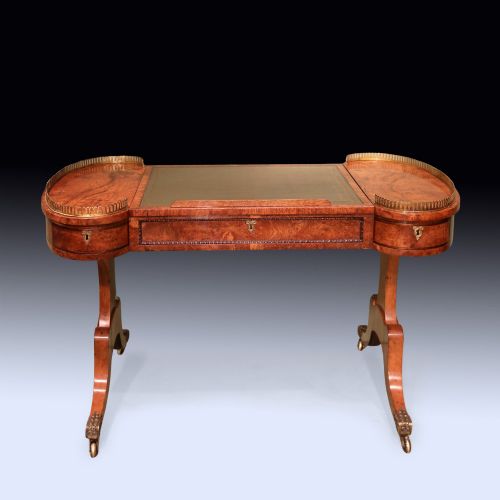
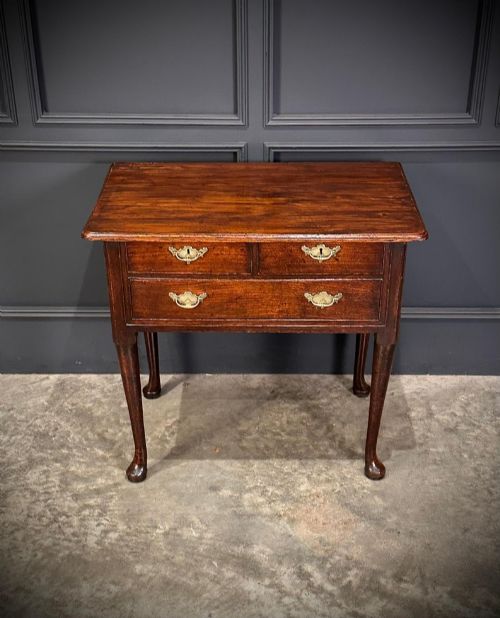



Period Oak Writing Table
A period oak writing table brings tangible history to a room, offering sturdy utility shaped by centuries of craftsmanship.
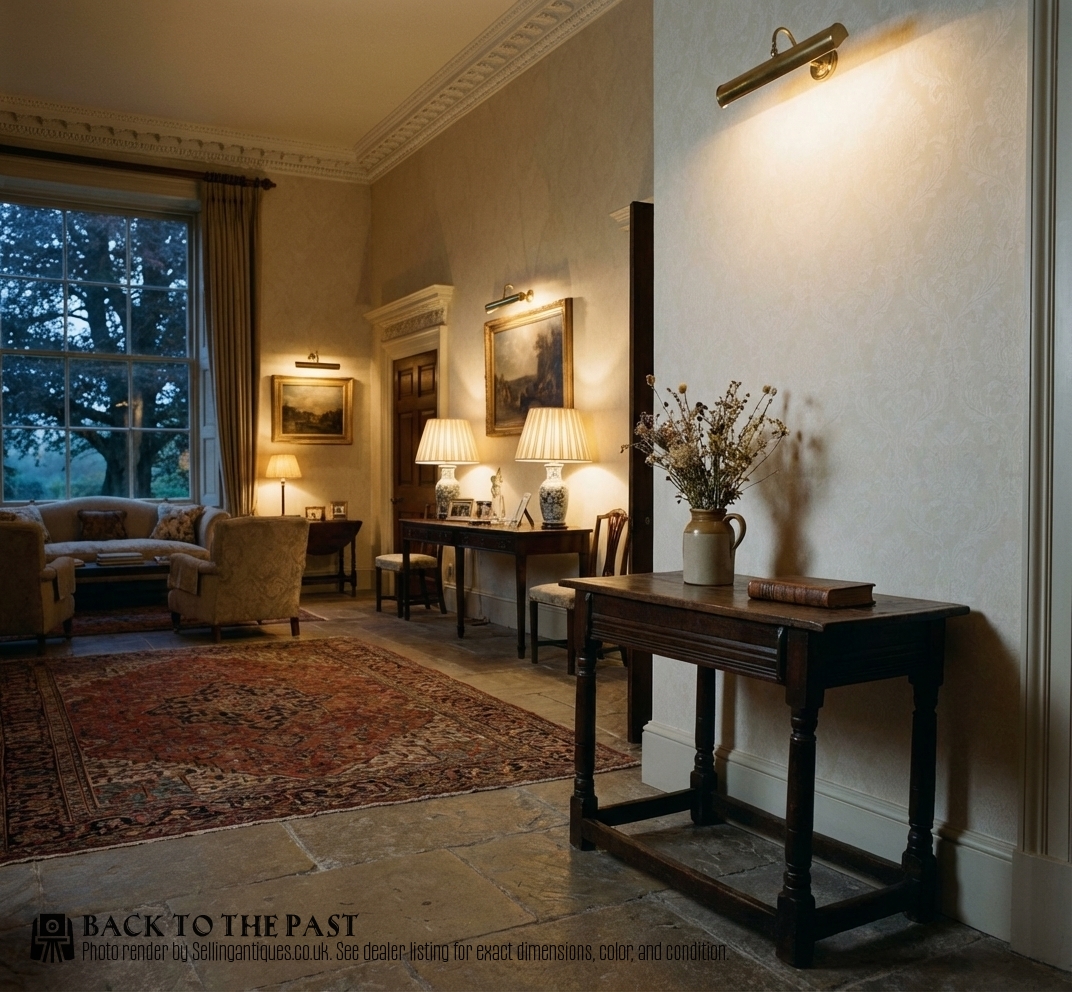
Period Oak Writing Table
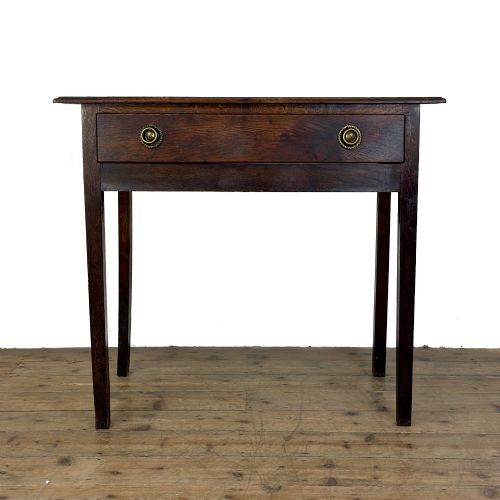
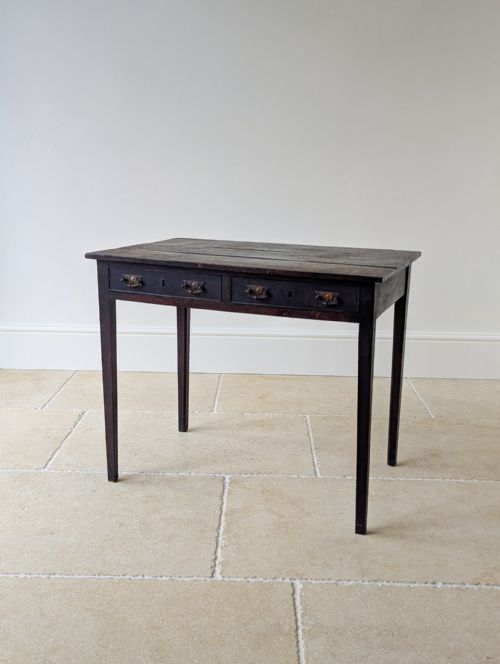
A period oak writing table encompasses practical writing surfaces, lowboys, and side tables constructed primarily from oak across several centuries. Buyers searching this phrase meet variations spanning the seventeenth, eighteenth, and nineteenth centuries, including Georgian and Regency interpretations.
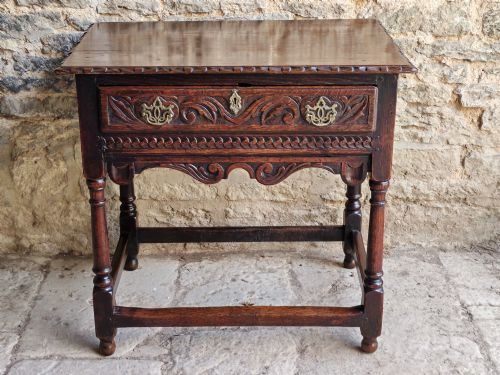
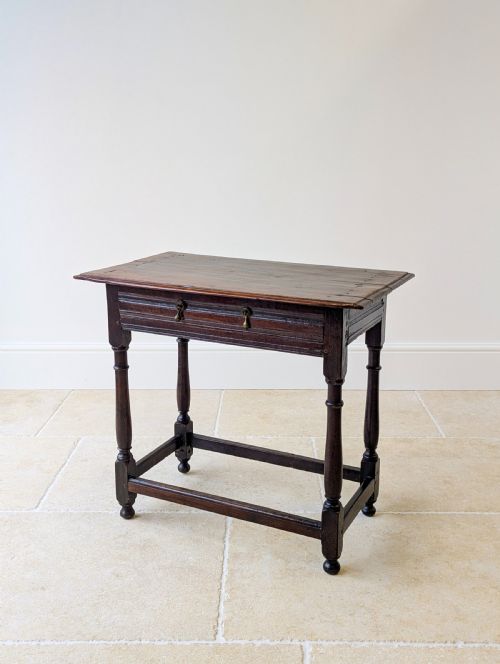
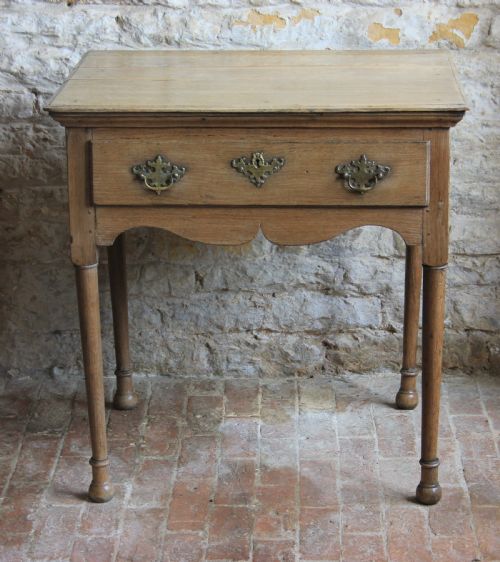
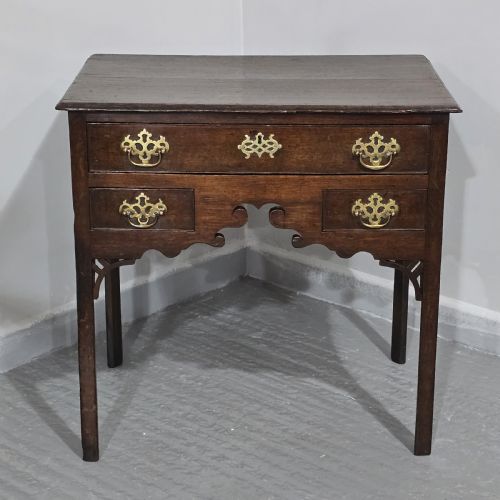
The selection frequently includes lowboys and side tables adapted for writing alongside dedicated desks and library tables. These pieces reflect regional English and Welsh cabinetry, showing shifts in scale from broad library proportions to compact country house designs.
Judging the standard
Quality rests in the integrity of the timber, the crispness of period carving, and the preservation of original structural elements. Pieces retaining their early brasses and untouched surface patination stand apart from those with extensive timber replacement.
Proportion and scale dictate the success of the form, separating utilitarian workshop items from refined provincial or metropolitan commissions. The harmony between the oak primary wood and secondary drawer linings indicates the original maker's intent.
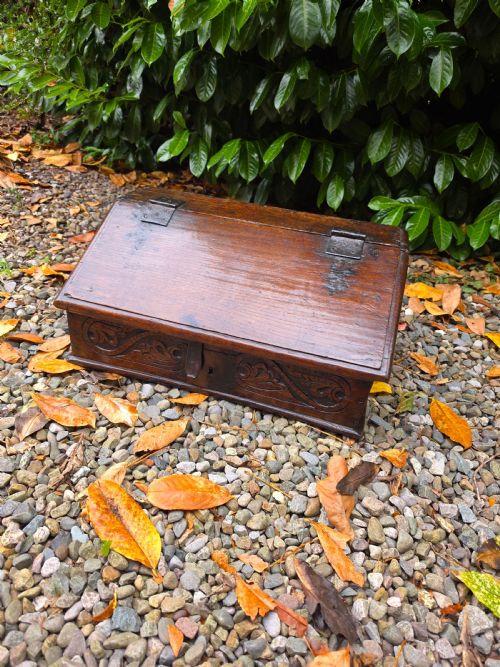
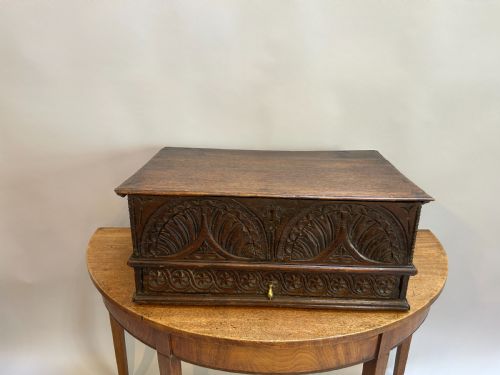
Calligraphy tables meet seventeenth-century bible boxes here, proving past writers kept their ink dangerously close to holy texts.
Gillows·Bruce Talbert
The Period Oak Writing Table Glossary
- Lowboy
- A small table with drawers, commonly used as a dressing or writing surface in the seventeenth and eighteenth centuries. They typically feature cabriole or straight legs.
- Bible box
- A desktop container used for storing religious texts and writing materials, often placed on tables before evolving into integrated desk forms.
- Partners desk
- A large double-sided writing table designed for two people to work opposite one another, appearing in high-status library settings.
- Burr oak
- Timber harvested from abnormal tree growths, producing highly figured, swirling grain patterns utilised on decorative furniture surfaces.
- Dovetail
- An interlocking joint used in drawer construction, prized for its tensile strength and resistance to being pulled apart.
Period Oak Writing Table: Frequently Asked Questions
How do I date an oak writing table?
Dating relies on observing construction techniques, timber choice, and hardware styles across different historical periods. Seventeenth-century pieces display pegged joints and heavy mouldings, whereas eighteenth-century examples adopt refined proportions and sophisticated drawer dovetailing.
Changes in leg style, from spiral turnings to straight tapered legs, further pinpoint whether a piece originates from the William and Mary, Queen Anne, or Georgian eras.
Were lowboys used as writing tables?
Lowboys served multiple domestic functions, including dressing, food preparation, and correspondence. Their single or multiple drawers provided adequate storage for inkwells, quills, and paper.
While originally built for various household tasks, many lowboys function effectively as compact writing surfaces in modern interiors.
What is the difference between a side table and a writing table?
Writing tables typically incorporate one or more drawers specifically designed to hold stationery, accompanied by adequate knee clearance underneath. Side tables often served broader display or serving purposes without prioritising seated writing comfort.
Over centuries of domestic use, many surviving side tables took on writing duties due to their convenient surface area and drawer space.
How should I care for antique oak furniture?
Maintain antique oak by keeping it away from direct heat sources and sudden humidity shifts that cause timber to split. Regular dusting with a dry, soft cloth preserves the natural wax finish without building up residue.
A light application of quality beeswax feeds the dry grain periodically, maintaining the deep patination developed over centuries.