
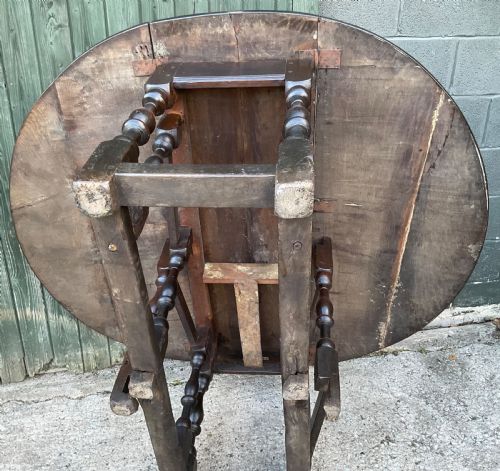


Period Oak Dining Furniture
Period oak dining furniture brings solid character to a room through sturdy tables and chairs spanning multiple centuries.
Period Oak Dining Furniture
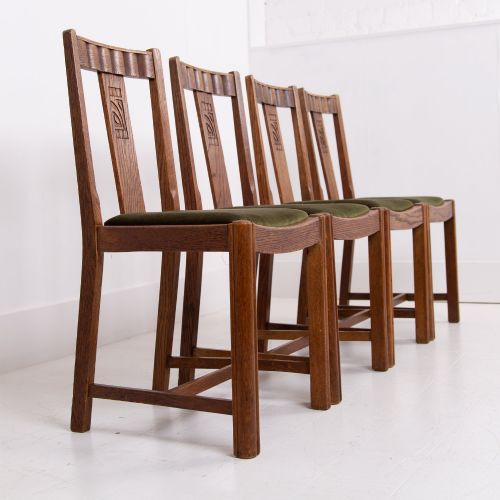
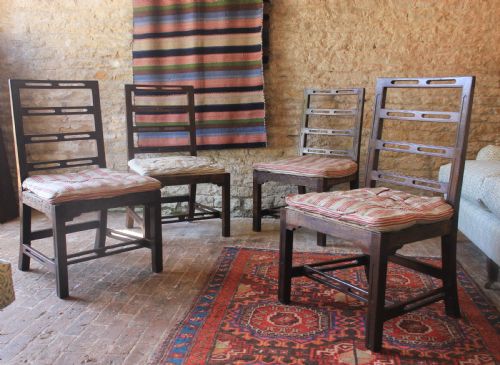
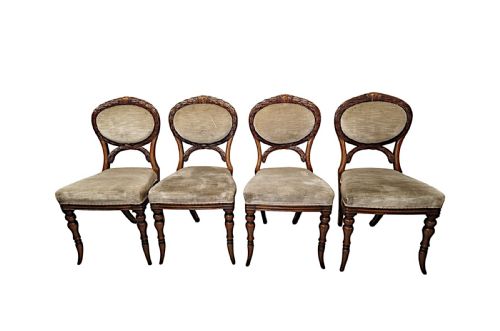
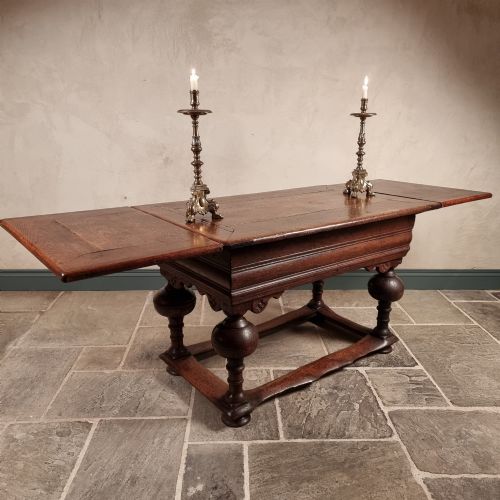
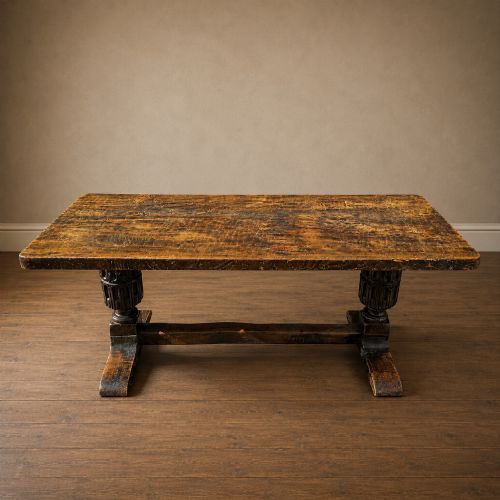
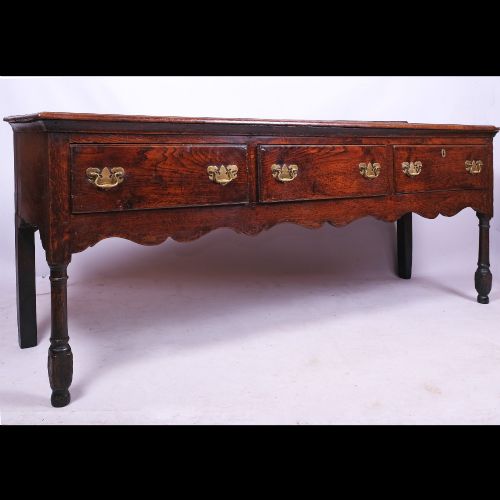
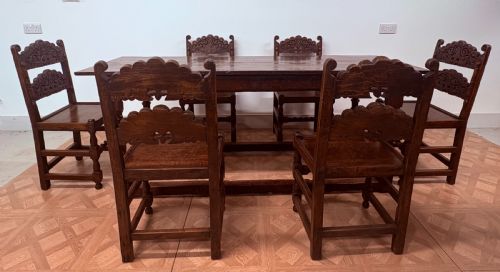
When you search for period oak dining furniture, you encounter substantial tables and seating designed for gathering and meals. The selections span from seventeenth-century refectory and gateleg tables to eighteenth-century dresser bases and matched chair sets.
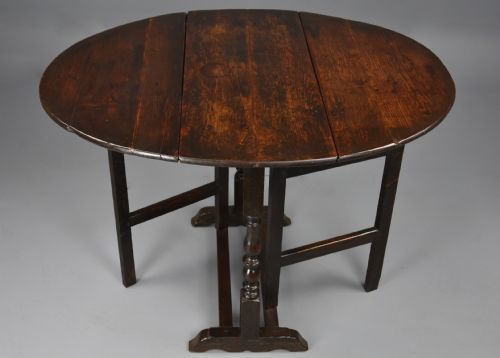
You are most likely to meet seventeenth-century gateleg tables and sets of dining chairs originating from English, Irish, and Welsh workshops. These forms reflect the functional needs of historic domestic spaces, utilising robust timber frames built to endure.
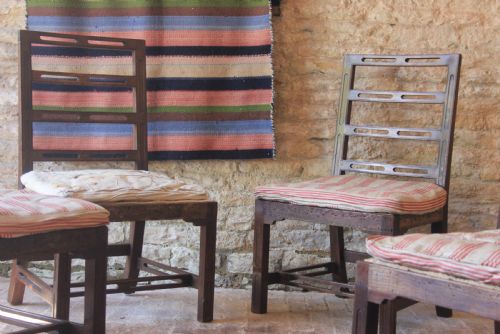
The category encompasses diverse regional designs, including South Yorkshire backstools alongside Georgian and Queen Anne forms. Each piece demonstrates the enduring utility of hard timber construction across successive stylistic eras.
Materials and Construction Techniques
The makers relied primarily on solid oak, frequently supplemented by elm for secondary components and tops. Iron and brass hardware provided structural reinforcement and hinges for folding gateleg leaves, while rush and textiles appeared on seating.
Carpenters utilised traditional jointing methods, turning techniques such as bobbin turning, and single-plank construction for large table surfaces. Chairs incorporated joined frames, splats, and pegged tenons to maintain stability under daily use.
Listings feature oak alongside elm, dark hardwood, and iron hardware across the seventeenth, eighteenth, and nineteenth centuries.
Distinctions in Quality
Quality rests upon the integrity of the original timber and the retention of surface character developed over centuries. Pieces exhibiting untouched patination and minimal structural replacement stand apart from those with heavy intervention.
The refinement of turned elements, the heft of single-plank tabletops, and the crispness of joined carving separate standard vernacular items from exceptional regional examples.
Strahan of Dublin·Heals
The Period Oak Dining Furniture Glossary
- Refectory table
- A long, narrow dining table traditionally used in communal halls. These heavy tables feature strong stretcher rails connecting the legs for added stability.
- Gateleg table
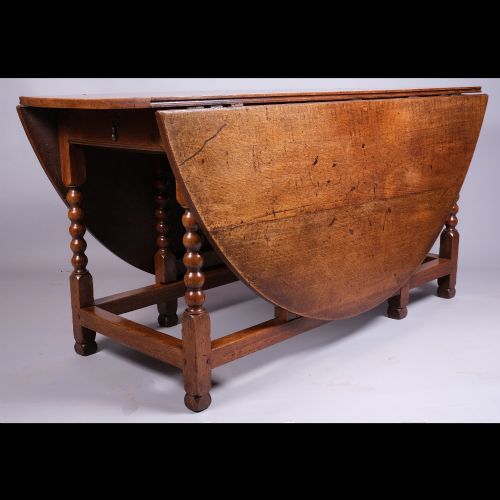
- A drop-leaf table with hinged flaps supported by pivoted legs that swing out like a gate. This design allowed tables to fold compactly against a wall when not in use.
- Backstool
- An early form of upholstered or solid-backed chair without arms. The term distinguishes these single seats from stools that lacked any back support.
- Dresser base
- A low sideboard fitted with drawers and sometimes cupboards beneath a flat surface. These pieces served both storage and serving functions in historic dining spaces.
- Bobbin turning
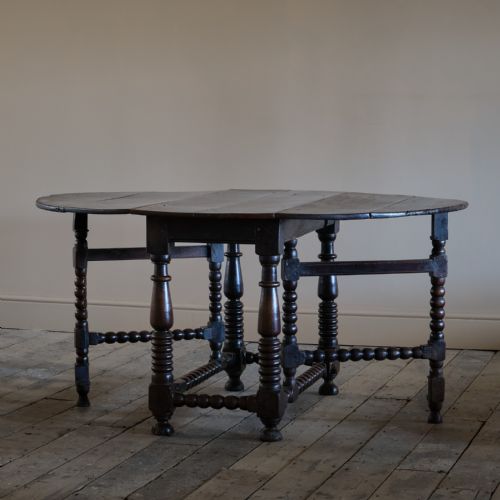
- A form of lathe-turned decoration consisting of rounded spheres or discs resembling bobbins strung along a shaft. It appears frequently on seventeenth-century leg supports and stretchers.
Period Oak Dining Furniture: Frequently Asked Questions
How do I date a gateleg table?
Dating relies upon examining the turning style, hinge types, and timber construction methods. Seventeenth-century examples often feature bobbin or ring turnings and hand-wrought iron hardware.
Subsequent iterations display modified leg profiles and lighter framing as domestic interior styles evolved toward the Georgian period.
Were oak chairs sold in sets originally?
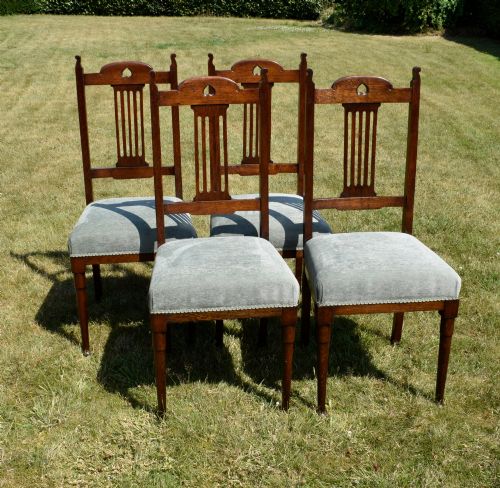
Historic dining seating was rarely produced in large uniform sets during the seventeenth century. Matching groups from this early period are uncommon because households accumulated chairs over time.
Larger matched sets emerge more frequently when looking at eighteenth and nineteenth-century farmhouse and regional dining chairs.
How should I care for antique oak surfaces?
Maintenance requires avoiding excessive moisture and direct heat sources that can dry out historic timber. Application of traditional wax preserves the natural sheen and protects the wood grain.
Gentle dusting with a dry cloth keeps the surface clean without stripping the accumulated character of the finish.
What is the difference between a refectory and a gateleg table?
Refectory tables remain fixed in size with long, solid tops supported by a permanent trestle or four-legged frame. They are built for permanence in large dining spaces.
Gateleg tables offer flexibility through drop leaves that fold down when floor space is required, making them adaptable for smaller rooms.