

Period Oak Desk
A period oak desk brings solid timber grain and centuries of utility into a room, offering substantial writing surfaces shaped by earlier working lives.
Period Oak Desk
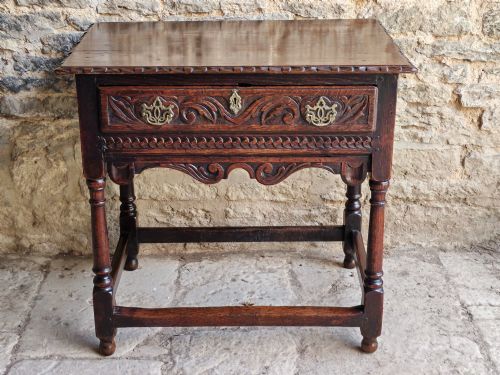
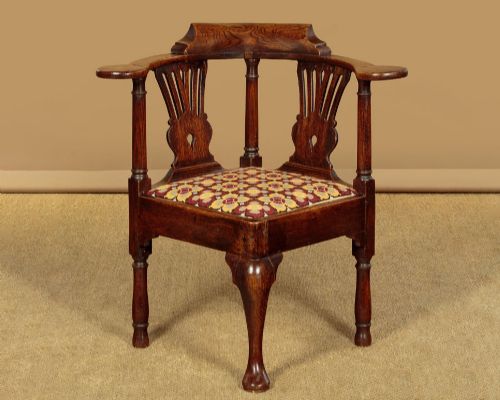
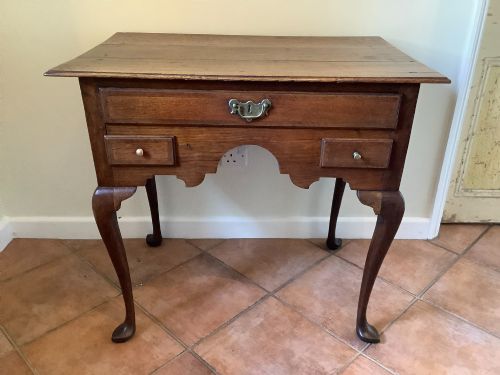
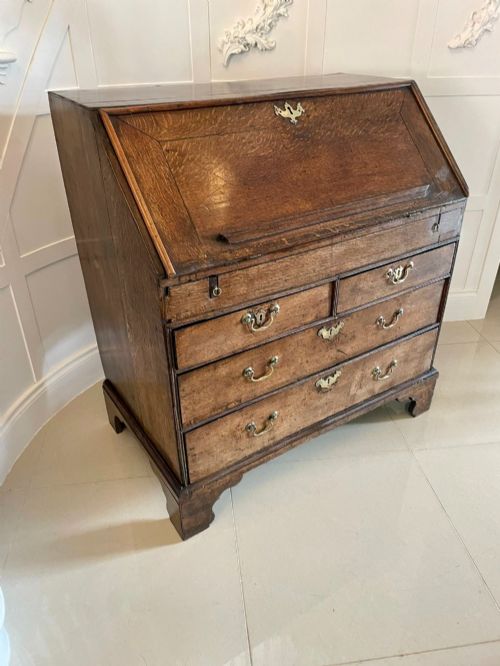
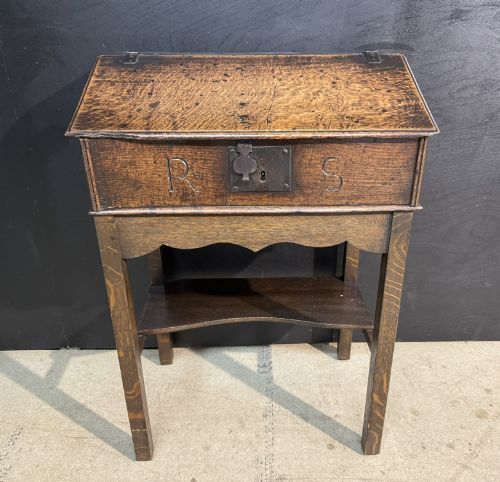
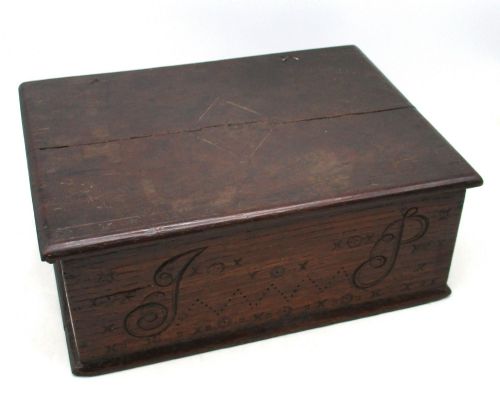
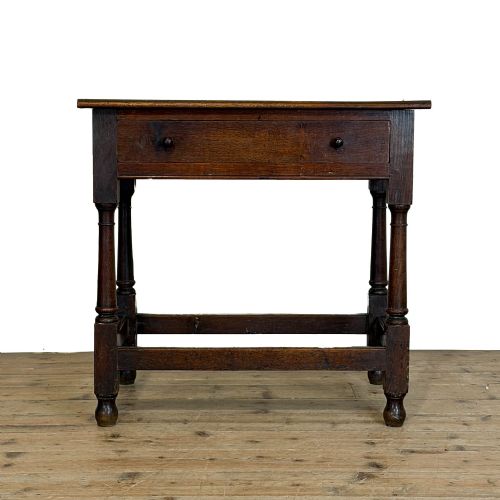
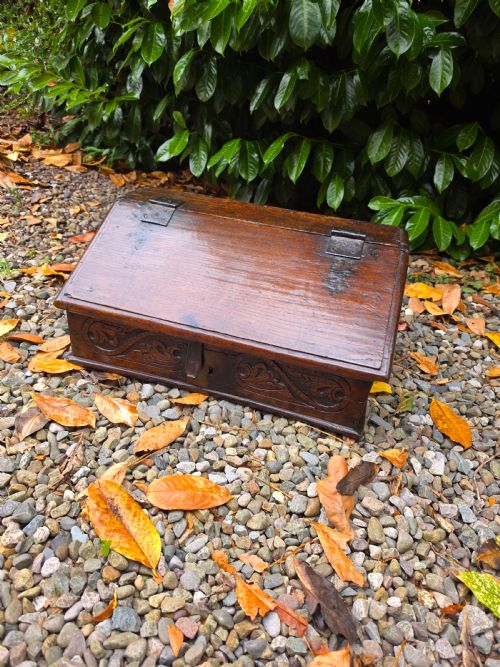
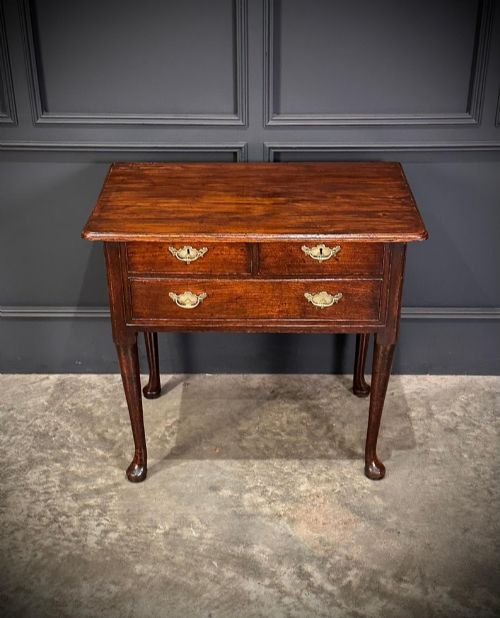
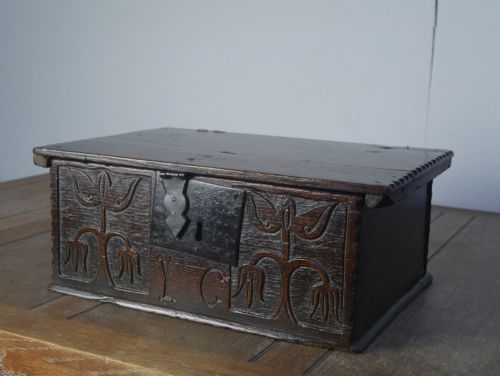
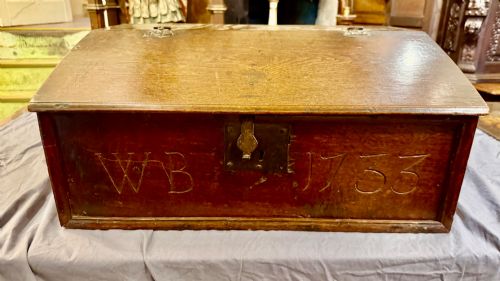
When you search for a period oak desk, you encounter diverse forms ranging from seventeenth-century slant front boxes and bureaus to eighteenth-century lowboys, writing tables, and partners desks. These pieces span the seventeenth, eighteenth, and nineteenth centuries, including Georgian, Regency, and later Edwardian interpretations.
The version most frequently met on this page is the compact side table or writing box adapted for correspondence, alongside larger bureau formats. Regional variations such as Welsh country house examples and Scottish tables appear frequently among the listings.
How they were made
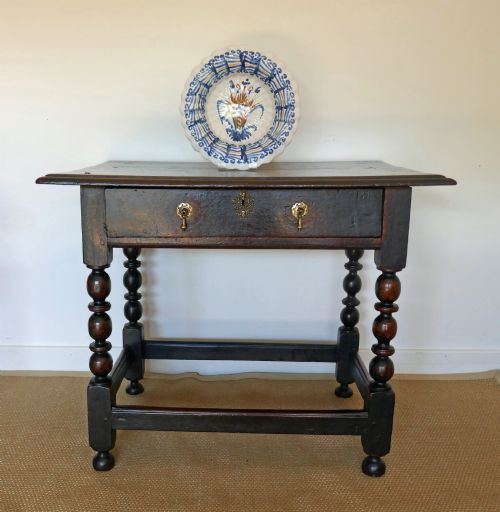
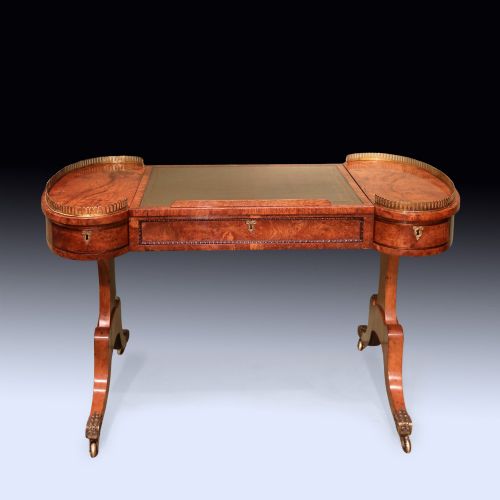
Cabinet makers utilised solid oak timbers, occasionally selecting burr oak for decorative surfaces, joined with traditional framing and panel construction. Surfaces frequently display plank tops supported by turned or straight legs.
Metalwork details such as brass handles and iron hinges complement the timber structures, while leather inserts provide practical writing surfaces on nineteenth-century library tables and desks.
Period Oak Desk Retail Price Guide 2026
Typical asking prices for period oak desk among the pieces listed under this phrase on Sellingantiques today, from the lower quarter to the upper quarter. They describe what is for sale here now, not the wider market.
Several boxes still retain centuries-old ink splashes inside their sloping compartments.
What varies in quality
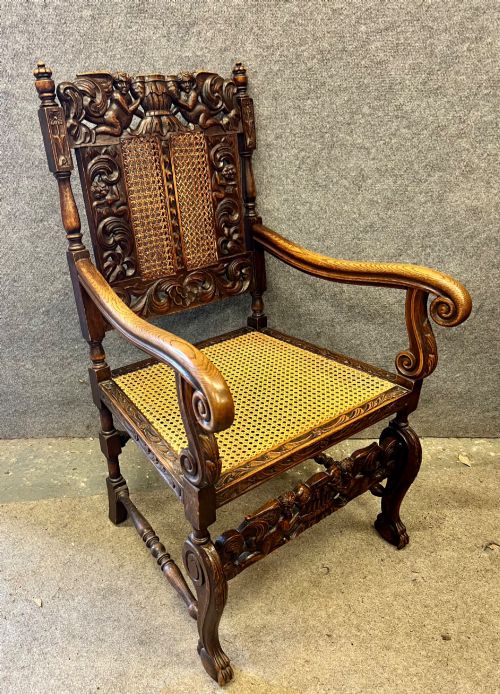
The standard of a piece rests upon the calibre of the timber selection and the crispness of any carved ornamentation, such as the panels found on seventeenth-century boxes and chairs. Proportion and scale also dictate worth, with bolder proportions commanding greater attention.
Internal arrangement complexity, particularly within bureaus featuring fitted drawers and pigeonholes, distinguishes standard writing boxes from exceptional examples of period cabinetry.
The Period Oak Desk Glossary
- Lowboy
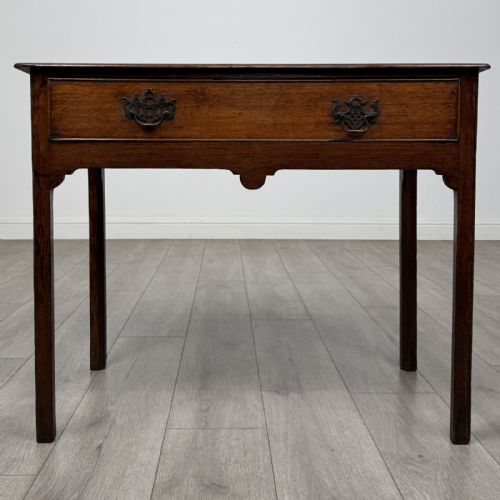
- A small table with drawers, commonly used as a dressing table or writing surface during the eighteenth century. They typically stand on four legs and offer shallow storage beneath the top.
- Bureau
- A desk with a sloping hinged flap that opens to reveal a fitted interior of small drawers and pigeonholes. Earlier versions rest upon frames or stands.
- Partners desk
- A large double-sided pedestal desk designed for two people to use simultaneously, featuring drawers and cupboards facing both directions.
- Slant front
- A hinged desktop that slopes at an angle when closed, protecting the writing materials underneath while providing a firm surface for correspondence.
- Plank top
- A solid wooden top constructed from wide boards joined side by side, common on earlier tables and desks before veneered panels became prevalent.
Period Oak Desk: Frequently Asked Questions
How do I use a desk box?
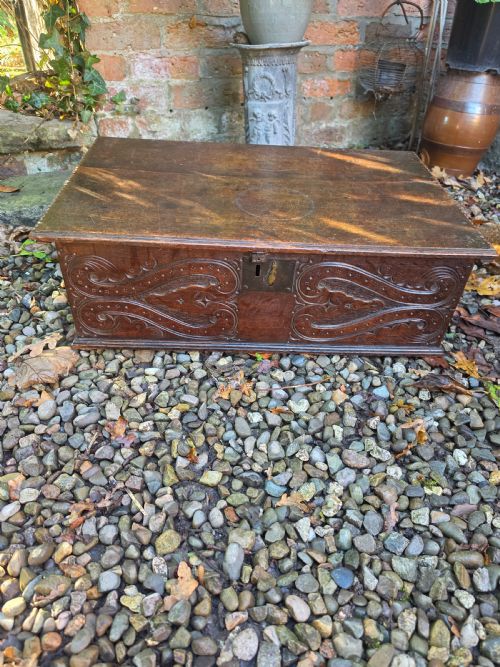
These portable boxes sit atop a standard table or chest to provide a sloping writing surface and internal storage for paper and ink.
Historically placed in parlours or shared rooms, they function today as compact writing stations that require minimal floor space.
What is a lowboy used for?
Lowboys serve as versatile side tables or writing surfaces within a hallway, bedroom, or living room.
Their shallow drawers hold stationery while the top surface accommodates lamps or decorative items.
How do I care for oak furniture?
Maintain timber surfaces by applying natural beeswax periodically and avoiding direct placement near heat sources.
Consistent indoor humidity prevents the oak boards from splitting or warping over time.
How do I distinguish eighteenth-century oak?
Look for hand-cut dovetails in the drawer construction and subtle tool marks left by early woodworking planes.
Timber colour and patina develop naturally through centuries of handling and daylight exposure.