


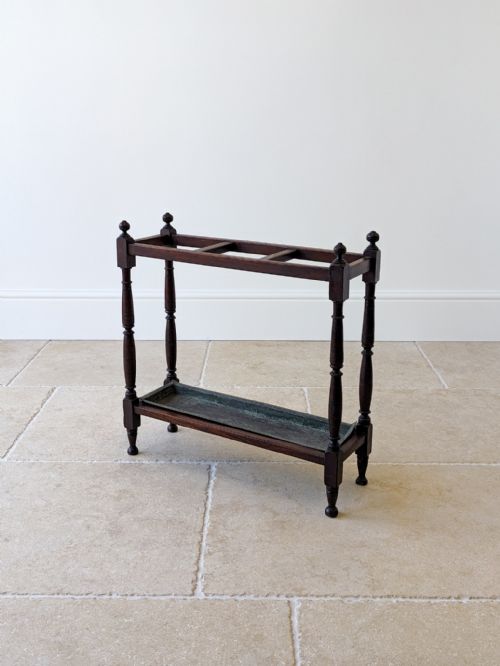
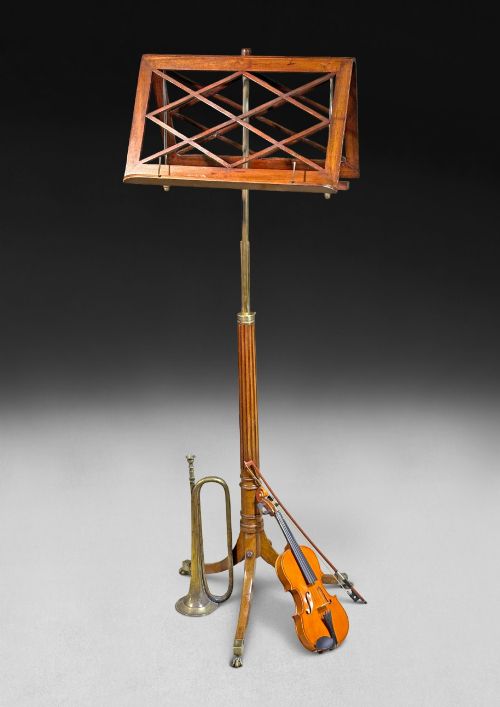
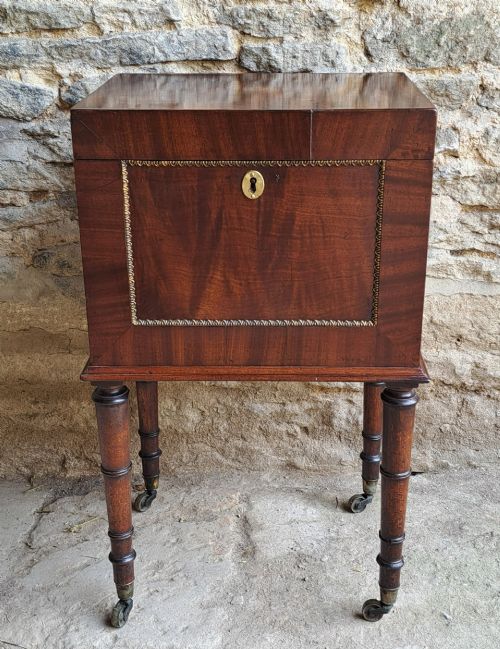
Period Mahogany Stand
When you handle a period mahogany stand, you meet timber that has aged to a deep, dark warmth through centuries of careful polishing.
Period Mahogany Stand
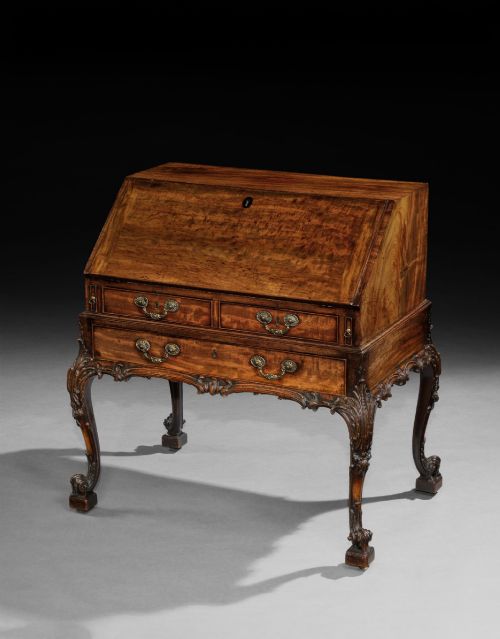
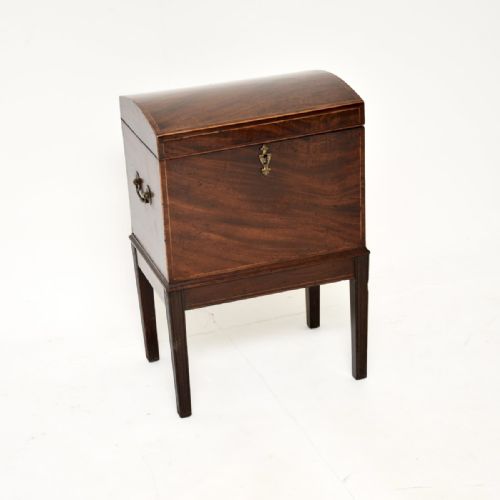
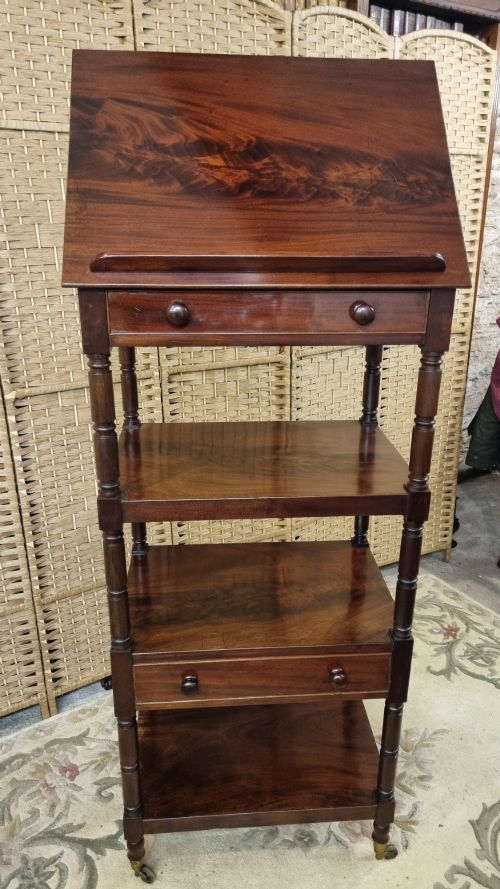
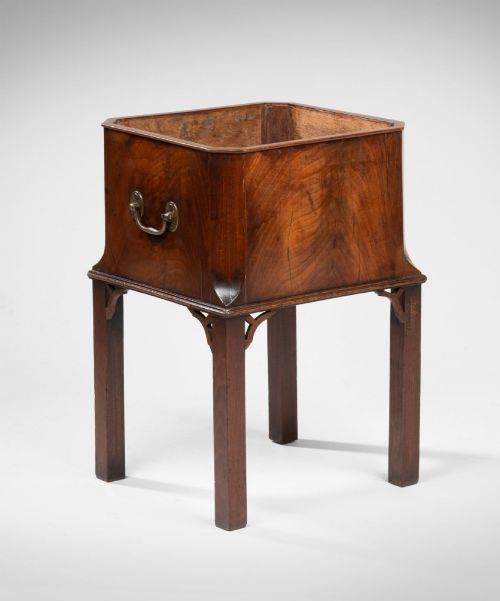
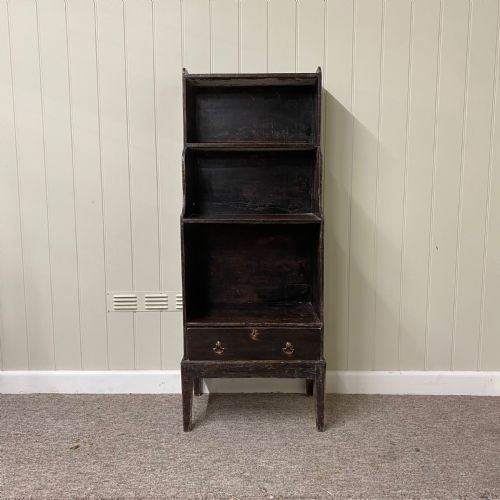
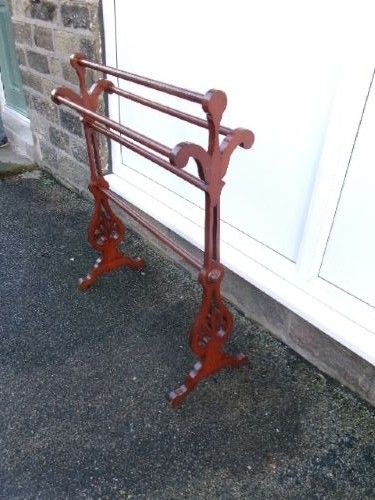
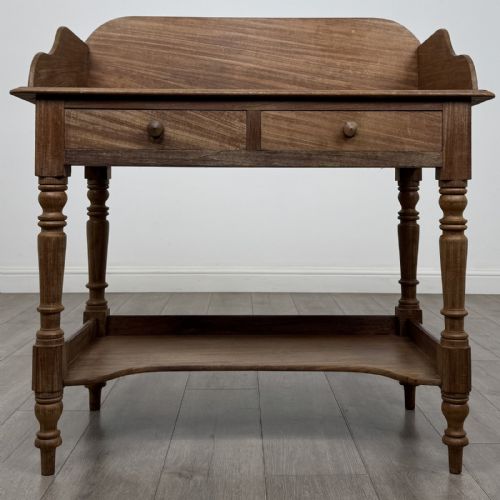
A period mahogany stand covers a varied collection of functional furniture designed for specific domestic tasks in Georgian, Regency, and Victorian homes.
The assortment includes occasional tables, étagères, and specialised stands like canterburys and hall stands intended for prominent rooms.
How they were made
Cabinet makers utilised solid mahogany alongside brass fittings, ormolu mounts, and occasional rosewood or oak secondary timbers to build sturdy frames.
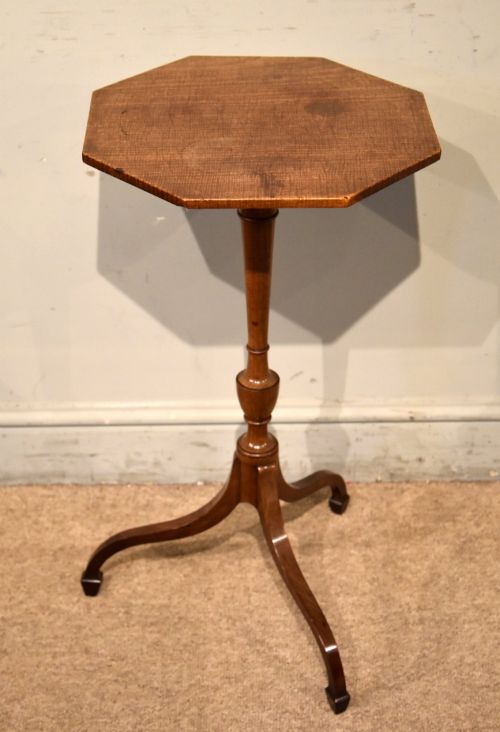
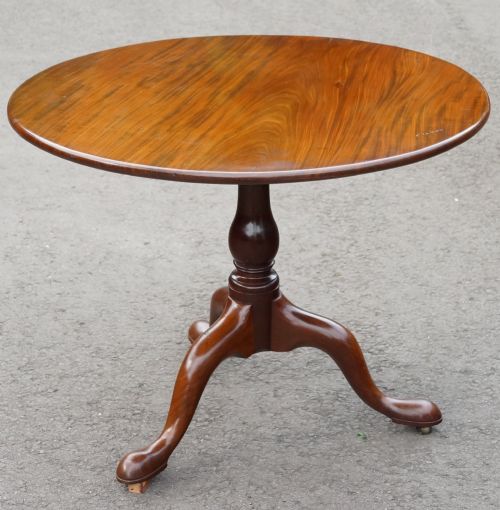
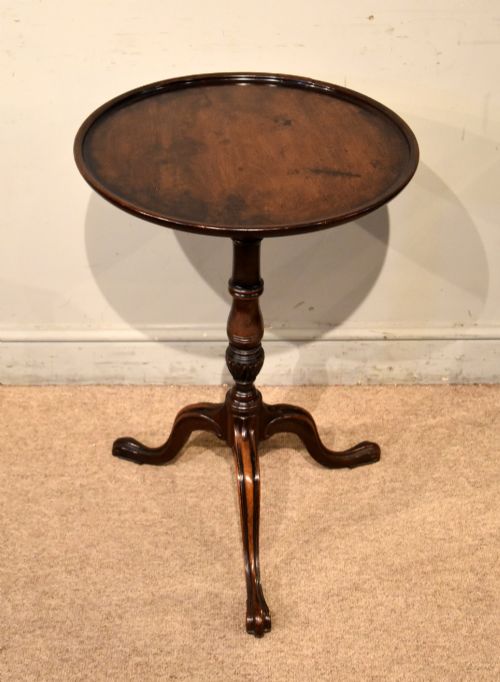
Construction techniques involved precision joinery, turned pedestals, and carved tripod bases that allowed these pieces to support heavy service items or books.
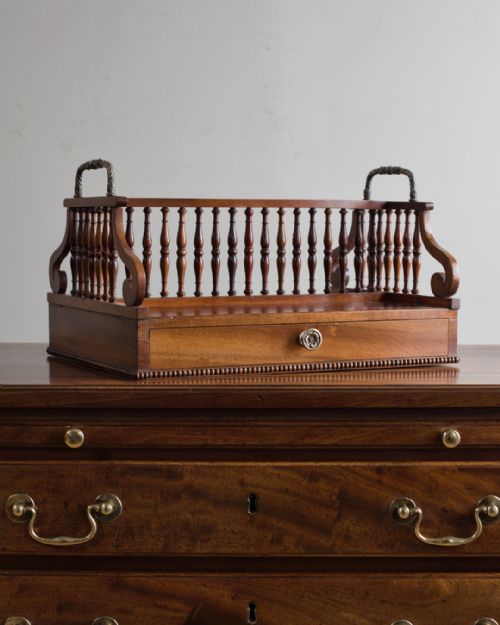
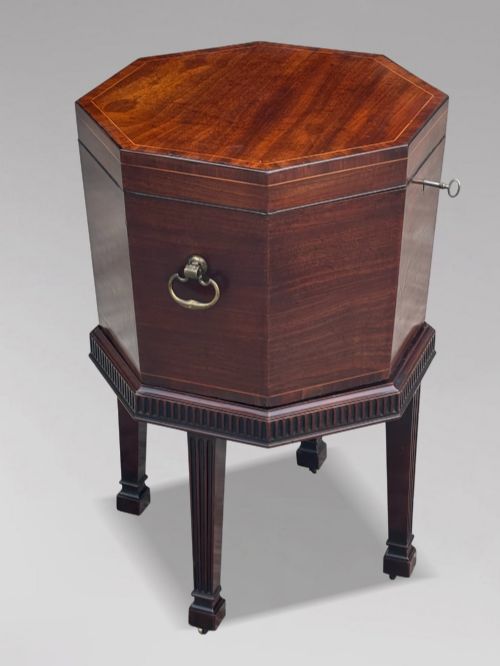
Many examples incorporate inlaid details, brass-bound decoration, and raised galleries that demonstrate the high skill of period workshops.
Period Mahogany Stand Retail Price Guide 2026
Typical asking prices for period mahogany stand among the pieces listed under this phrase on Sellingantiques today, from the lower quarter to the upper quarter. They describe what is for sale here now, not the wider market.
The listings span multiple centuries, recording Georgian, Regency, and Victorian periods alongside materials like brass, glass, and ormolu.
What varies in quality
The standard of a period mahogany stand rests on the choice of timber figures, the crispness of carved elements, and the integrity of the original joints.
Superior pieces display thoughtful proportions and high-grade metalwork, such as finely cast brass handles or ormolu mounts, rather than plain replacements.
The distinction between ordinary utility items and exceptional examples lies in the restraint of the design and the preservation of the original polished surface.
Gillow
The Period Mahogany Stand Glossary
- Canterbury
- A low, partitioned stand used for holding sheet music, folios, or periodicals. These pieces often feature slatted sides and small castors for mobility.
- Ormolu
- Gilded bronze applied to furniture as decorative mounts and feet. This technique adds bright metallic contrast to dark mahogany surfaces.
- Tripod table
- A small occasional table supported by a central pillar and three spreading legs. They frequently include tilt-top mechanisms for easy storage.
- Butler's tray
- A removable wooden tray with hinged or shaped sides, designed to sit upon a folding stand. They appear frequently in Georgian dining arrangements.
- Étagère
- An open piece of furniture with multiple tiers for displaying small objects or books. Regency examples combine lightness of form with sturdy construction.
Period Mahogany Stand: Frequently Asked Questions
What is a mahogany stand used for?
These stands served diverse domestic duties, from holding wine bottles and sheet music to supporting reading materials and hallway garments in formal rooms.
Their portable nature allowed servants to move them easily where needed during household entertaining.
How do I date a mahogany stand?
Dating relies on observing stylistic markers, such as the transition from carved Chippendale details to neoclassical Regency brass mounts and heavier Victorian proportions.
Construction methods and timber selection also offer clear clues to whether a piece originates in the eighteenth or nineteenth century.
Where should I place a stand?
A wine table or tripod stand sits well beside a sitting room armchair as a functional surface for small items.
Music stands and hall stands find natural placement in studies, hallways, or corners where their upright forms look balanced against walls.
Are these stands sturdy enough for daily use?
Period stands were built for practical service by skilled cabinet makers, utilising sound joinery and dense mahogany timber.
While robust, they benefit from sensible placement away from direct heat sources and sudden humidity changes to protect the old wood.