


Period Glass Mirror
A period glass mirror brings genuine historical reflection into a room, offering rich timber frames, carved gesso, and original plates with authentic foxing.
Period Glass Mirror
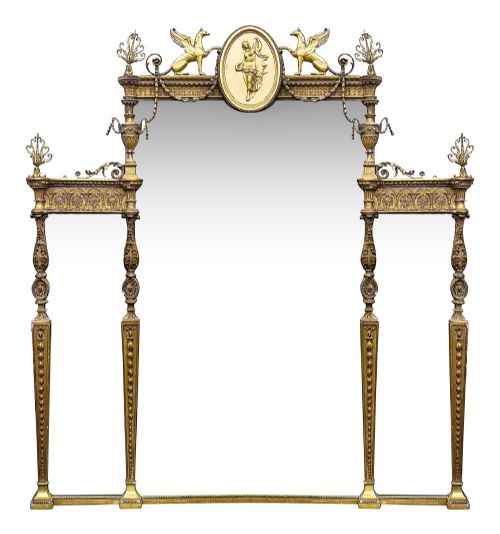
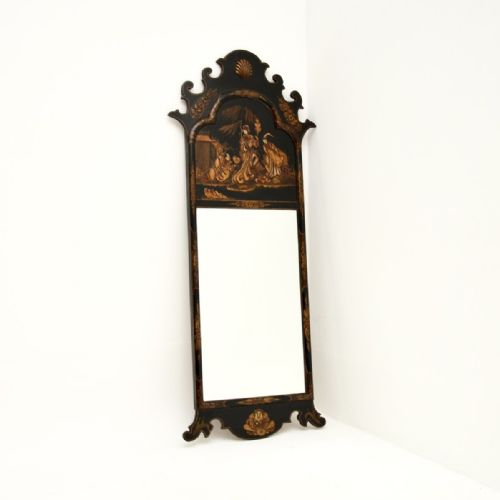
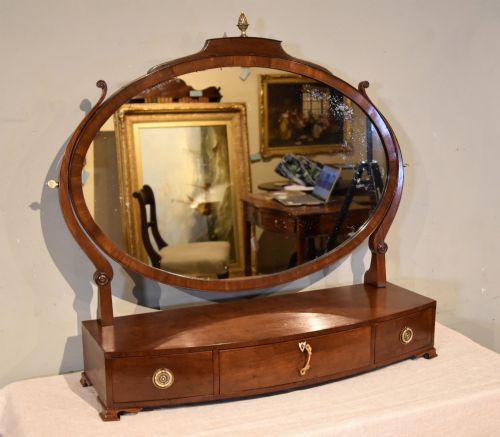
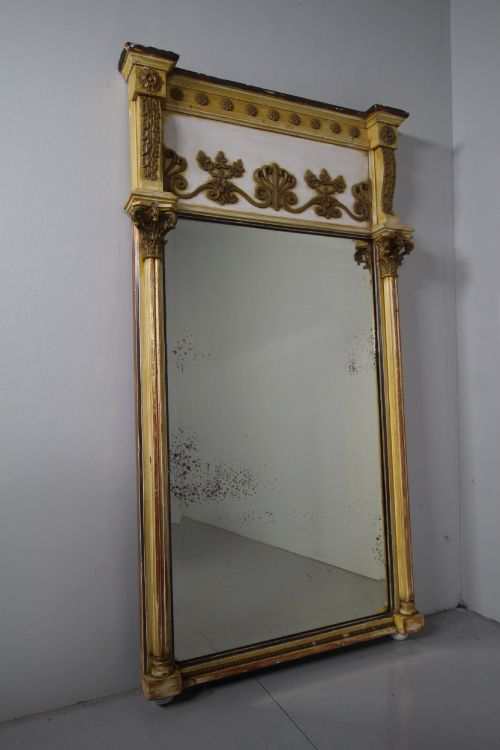
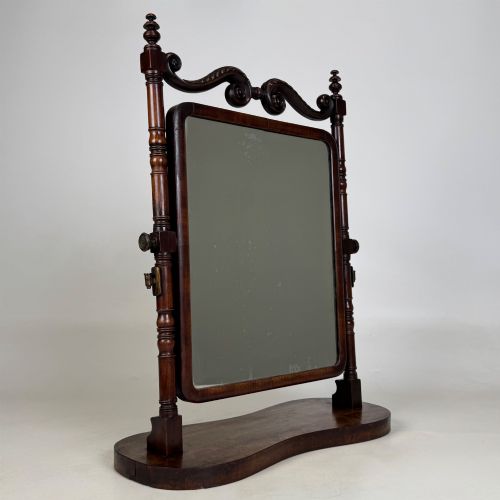
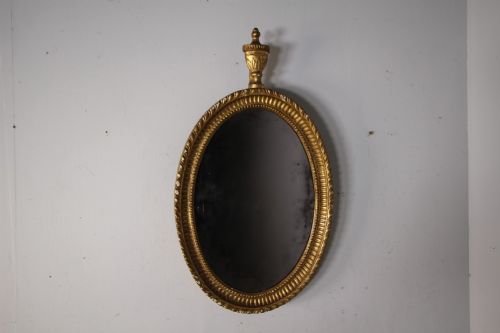
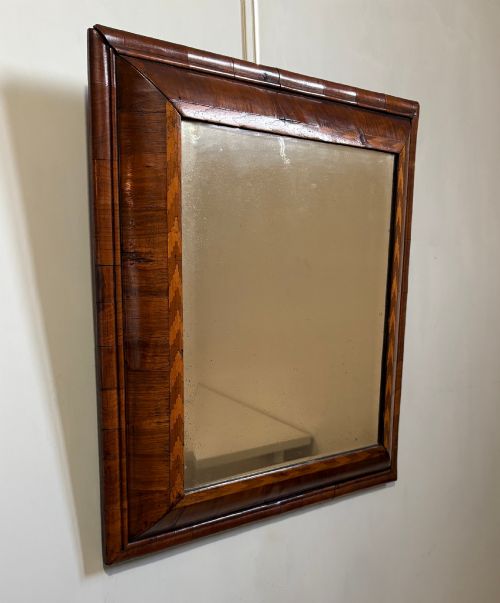
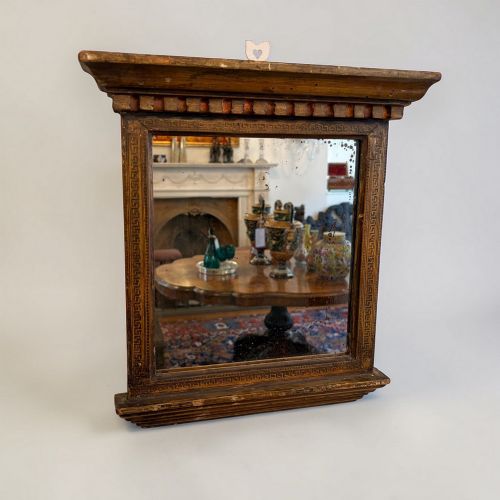
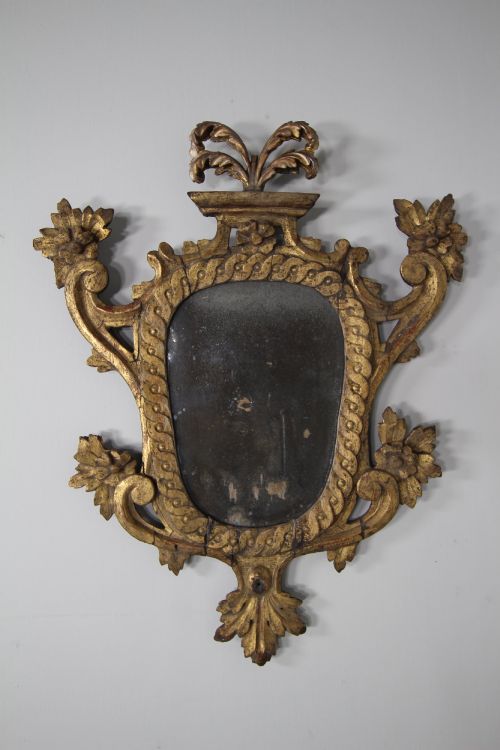
A period glass mirror serves both practical and decorative functions, appearing in forms from small dressing table pieces to grand overmantels. When you search for a period glass mirror, you encounter items shaped by centuries of craftsmanship, spanning walnut, mahogany, and heavily gilded wood.
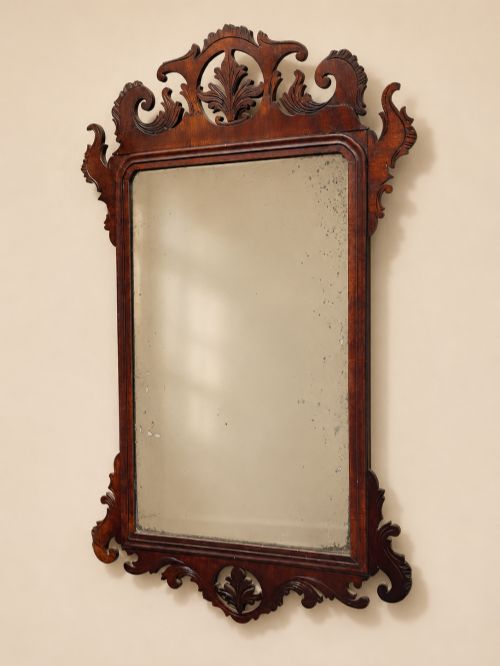
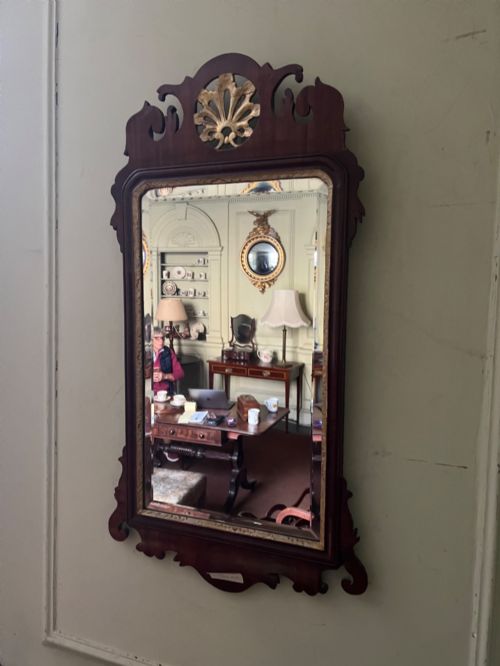
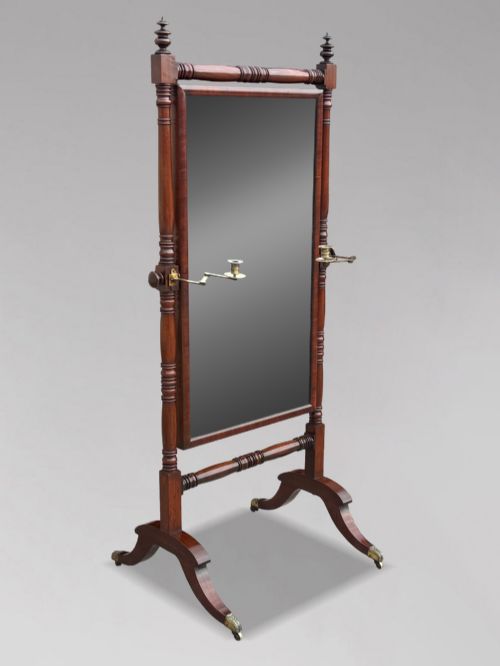
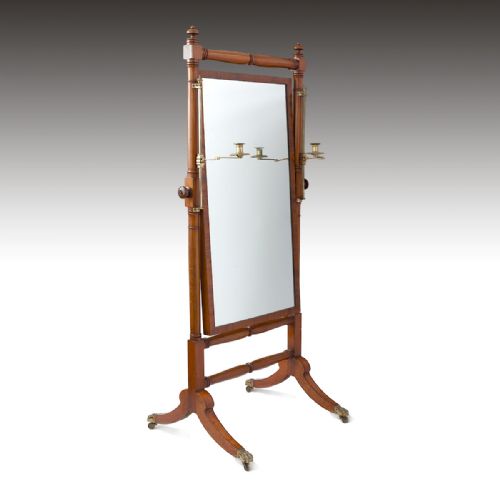
The most common examples on this page date from the Georgian and Regency eras, alongside later Victorian interpretations and French designs. These range from fretwork wall mirrors and cheval dressing glasses to large pier mirrors designed to hang between windows.
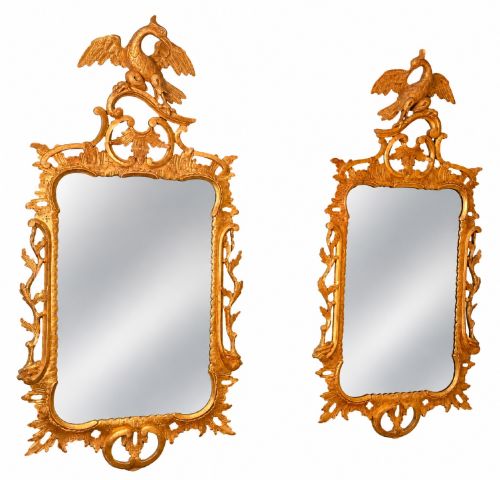
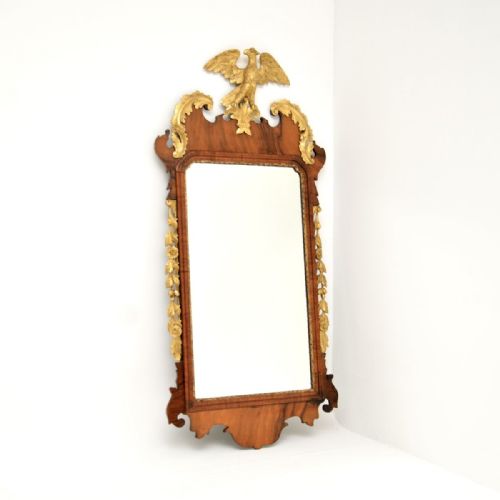
Makers and designers of these pieces utilised styles such as Chippendale Rococo, Neo-Classical, and Chinoiserie. Each object reflects the prevailing aesthetic of its period, whether through simple crossbanded mahogany frames or elaborate carved gesso.
How they were made
Frames rely on traditional cabinetmaking timbers like mahogany, walnut, and rosewood, often paired with carved wood and gesso foundations. Artisans applied gold leaf or oil gilt directly onto these prepared surfaces to achieve a lustrous finish.
Mirror plates were frequently silvered using mercury techniques in earlier centuries, leading to the characteristic dark spots known as foxing. Glass was held securely within rebated frames, sometimes backed with pine or cedar support boards.
Period Glass Mirror Retail Price Guide 2026
Typical asking prices for period glass mirror among the pieces listed under this phrase on Sellingantiques today, from the lower quarter to the upper quarter. They describe what is for sale here now, not the wider market.
Double-sided hand mirrors from the Regency era allowed users to inspect their appearance from multiple angles before leaving the dressing room.
What varies in quality
The crispness of the carving separates superior examples from ordinary ones, particularly where gesso ornaments meet wooden frames. Finer pieces display deep, undercut foliage and scrolls rather than soft, moulded relief.
The condition and originality of the mirror plate dictate the standing of a piece. Original mercury plates retain a distinctive wavy distortion and soft reflection that replacement glass cannot replicate.
Gillow·William Kent·John Belchier
The Period Glass Mirror Glossary
- Foxing
- Age-related spots and discoloration on a mirror plate caused by the degradation of the backing material over time. This oxidation creates dark patches that collectors prize for authenticity.
- Mercury glass
- Early mirror plates produced by applying a tin and mercury amalgam to the back of the glass. This method yields a deep, soft reflection distinct from modern aluminium backing.
- Gesso
- A plaster-like mixture applied to wooden frames as a base for gilding or painting. Skilled carvers incised details directly into this layer.
- Cheval mirror
- A full-length dressing glass suspended on a vertical frame with four legs, allowing the mirror to tilt. These freestanding pieces became popular in the Regency period.
- Parcel gilt
- A decorative technique where only specific parts of a wooden frame are highlighted with gold leaf. The remaining areas display polished timber such as walnut or mahogany.
Period Glass Mirror: Frequently Asked Questions
How do I identify an original antique mirror plate?
Original plates often exhibit foxing, slight distortions in the glass, and hand-bevelled edges. These traits show that the glass has aged naturally alongside the frame.
Modern replacement glass appears uniformly flat and lacks the characteristic dark oxidation spots found on mercury plates.
What is a pier mirror?
A pier mirror is designed specifically to hang on the wall space between two windows. They were often tall and narrow to reflect maximum light into dimly lit rooms.
Pairing these with matching console tables created a balanced focal point in Georgian and Regency interiors.
How should I hang a heavy overmantel mirror?
Heavy overmantel mirrors require secure fixing directly into wall studs or masonry using appropriate brackets. Because these frames incorporate dense timber and thick glass, proper weight distribution is essential.
Consult a professional installer to ensure the wall structure can support the substantial weight safely.
What distinguishes Regency mirrors from Georgian ones?
Regency mirrors frequently incorporate bolder classical motifs, such as reeded columns, ball-stud frames, and convex circular plates. They reflect an early nineteenth-century fascination with Roman and Greek design.
Georgian mirrors tend towards architectural symmetry, fretwork silhouettes, and elaborate giltwood carvings influenced by Chippendale and Adam aesthetics.