



Period Furniture Canterbury
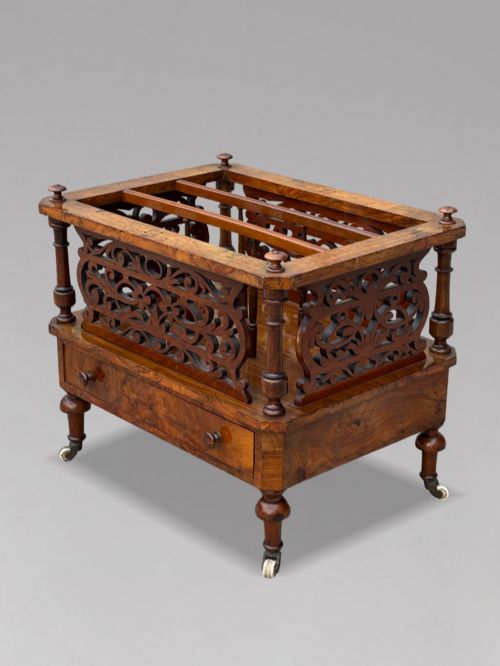
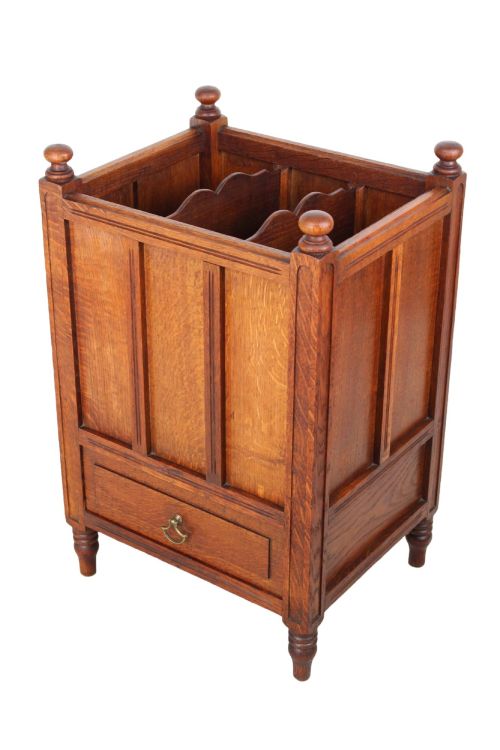
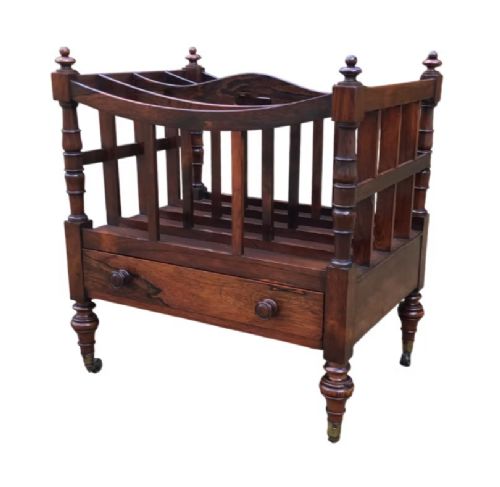
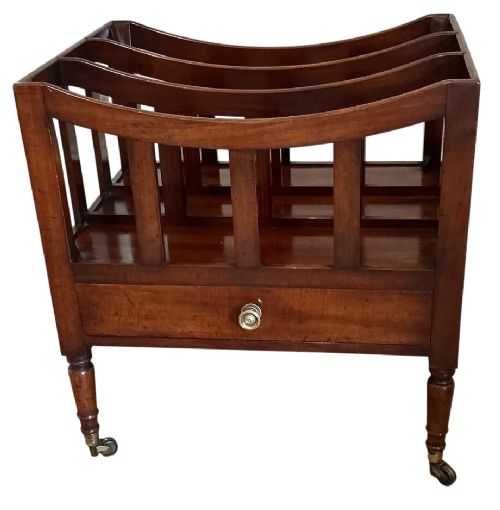
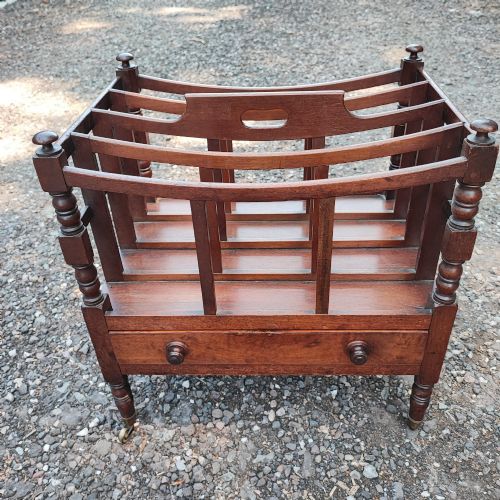
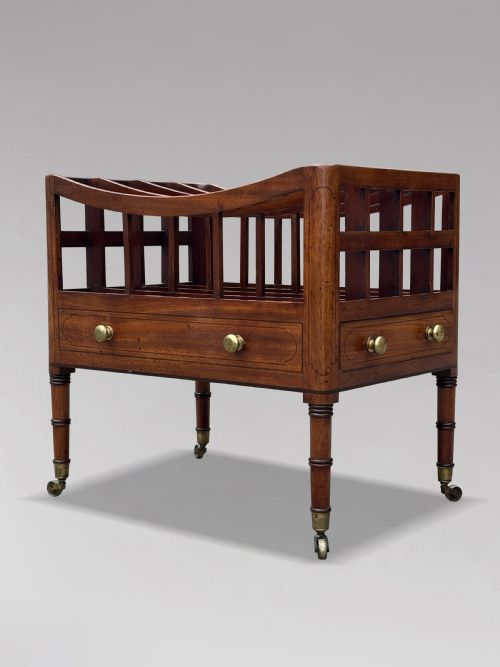
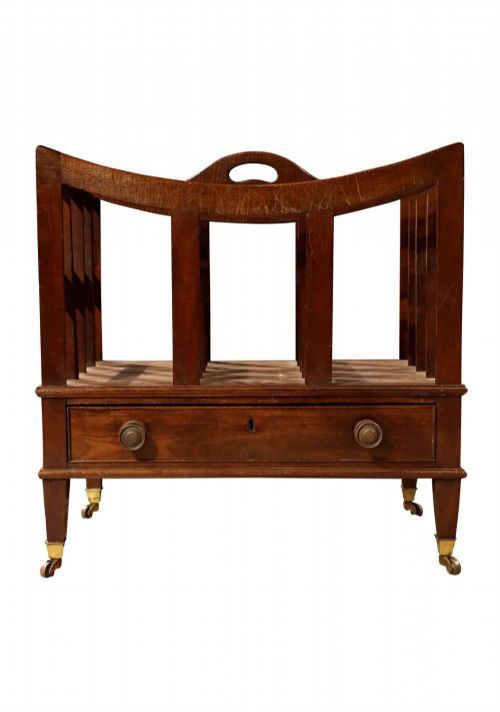
These period furniture canterbury pieces are small compartmented stands for books and music, bringing elegant division to a room.
Period Furniture Canterbury
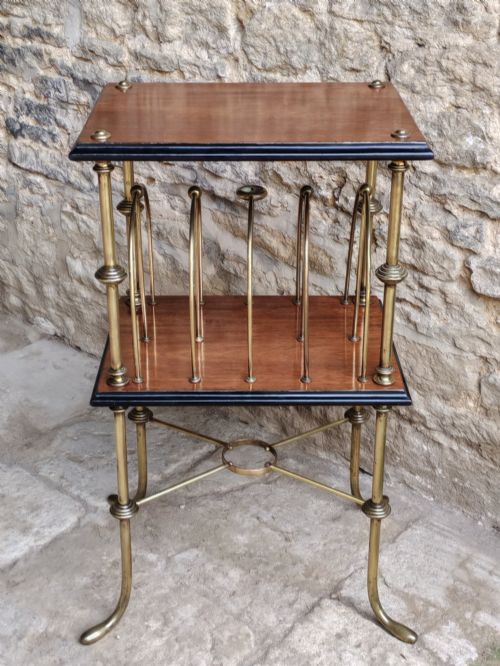
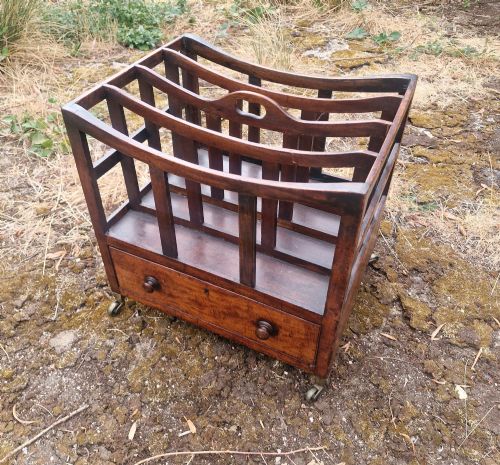
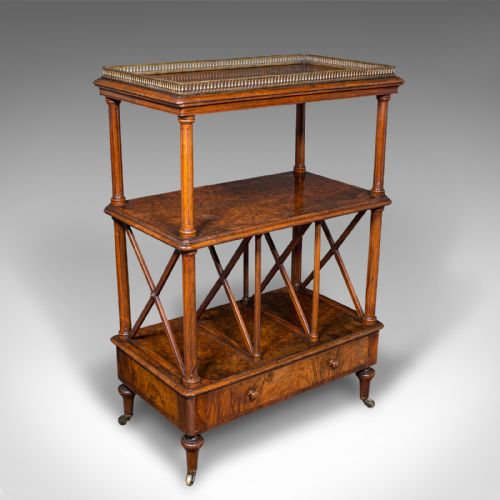
Most examples found here date from the Regency and Victorian eras, alongside Edwardian and earlier George III pieces. Forms vary from boat-shaped designs to tiered whatnots and combined magazine racks.
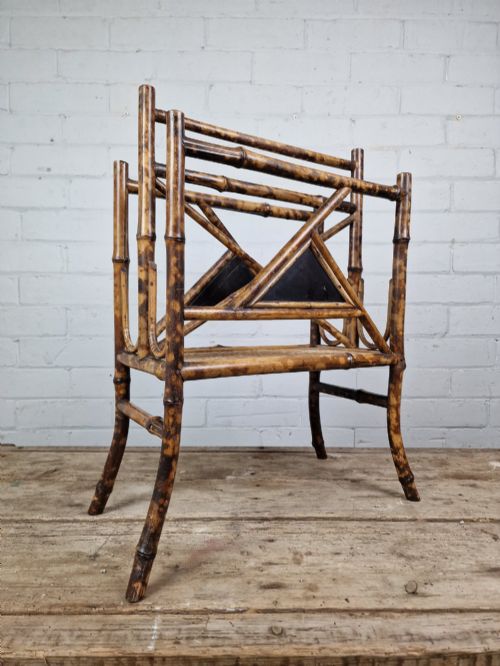
Woods such as mahogany and rosewood dominate the selection, often accompanied by brass castors or metal details. Simpler oak and walnut versions also appear alongside occasional bamboo pieces from the Aesthetic period.
How they were made
Cabinetmakers constructed these stands predominantly in timbers like mahogany, rosewood and walnut, sometimes selecting burr walnut veneers for figured surfaces. Selected pieces incorporate carved decoration or painted finishes.
Brass fittings frequently appear on castors and carrying handles, while ceramic components support specific designs. Joinery relies on traditional techniques to build the compartments and under-tiers securely.
Listings span multiple eras from George III through to the 1920s, showing materials from walnut and mahogany to bamboo and ceramic.
What varies in quality
The choice of timber underpins the distinction between standard items and superior examples, with richly figured rosewood and finely grained mahogany marking out the better workshops. Crispness in carved details and subtlety in turning elevate specific stands.
Proportion and structural balance define the presence of a piece, from compact boat-shaped frames to substantial double-size stands. Original brass castors and intact dividers contribute to the integrity of an example.
Gillows
The Period Furniture Canterbury Glossary
- Canterbury
- A low stand with vertical partitions designed for holding books, music scores or magazines. The name derives from the Archbishop of Canterbury, who supposedly commissioned the first such rack.
- Boat-shaped
- A curved hull-like profile seen on certain Regency frames. This silhouette softens the rectangular geometry typical of many stands.
- Etagere
- A set of open shelves for displaying small objects or books. Several listings combine this open tiered format with the lower compartments of a canterbury.
- Aesthetic Movement
- A late nineteenth century design style emphasising visual beauty over narrative content. Pieces from this period sometimes utilise alternative materials such as bamboo.
- Castor
- A small swivelling wheel attached to the base of each leg for mobility. Brass versions are common on Regency and Victorian specimens.
Period Furniture Canterbury: Frequently Asked Questions
What was a canterbury originally used for?
These stands were designed to hold sheet music, folios and books near a piano or seating area. They kept scores organised and close to hand in the drawing room.
Over time, their utility expanded to accommodate magazines and newspapers as domestic reading habits shifted through the nineteenth century.
How do I identify a Regency canterbury?
Regency stands often display slender turned uprights, boat-shaped profiles and rich rosewood or mahogany timbers. Brass castors and sabre legs frequently complete the silhouette.
Proportions tend to be crisp and restrained, reflecting the neoclassical tastes of the early nineteenth century.
Can these stands hold modern magazines?
Most period compartments easily accommodate standard contemporary magazines and softcover books. The vertical slats provide stable support without bending the spines.
Larger double-size variants offer additional space for wider publications or heavier volumes.
Where should I place a canterbury at home?
These compact pieces fit well beside a sofa, armchair or desk where reading materials accumulate. Their finished backs and compact footprints allow them to stand freestanding or against a wall.
Tiered combinations with drawers also function effectively as small side tables in a hallway or study.