

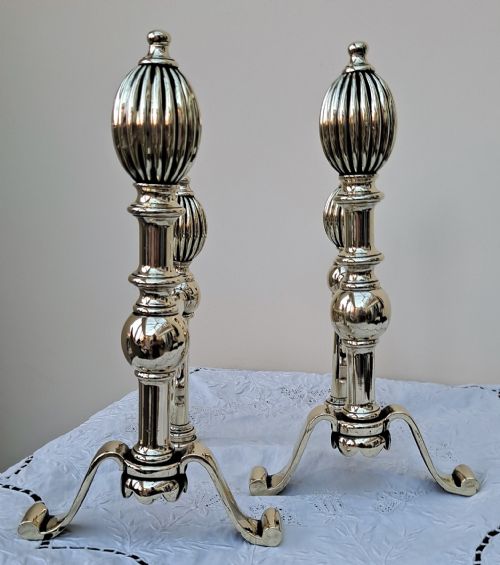


Period Fire Dogs
Period fire dogs hold logs in an open hearth, bringing weight and gleam to a room through centuries of metalwork.
Period Fire Dogs
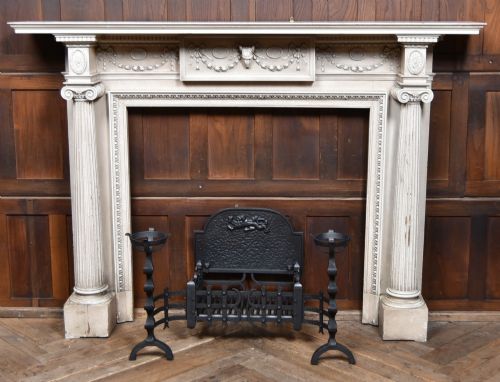
Period fire dogs and andirons anchor the hearth, designed to support firewood above the hearth floor for better air circulation and smoke clearance. They appear frequently alongside fire grates, fire baskets, and complete fireplace sets in materials that reflect utility and display.
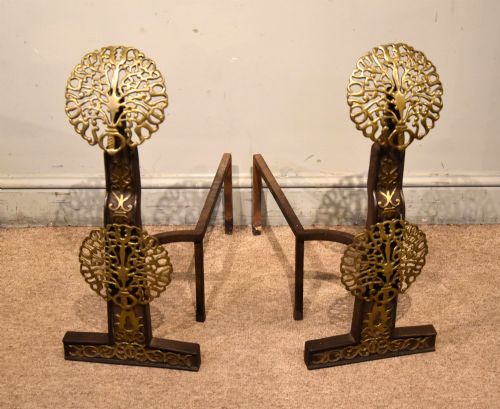
The versions met most often on this page span the Georgian, Victorian, and early twentieth century eras. They range from simple wrought iron supports to ornate brass and polished steel designs influenced by neoclassical, Baroque revival, and Arts and Crafts aesthetics.
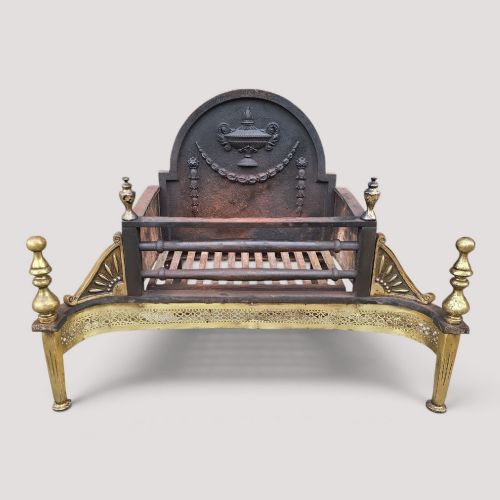
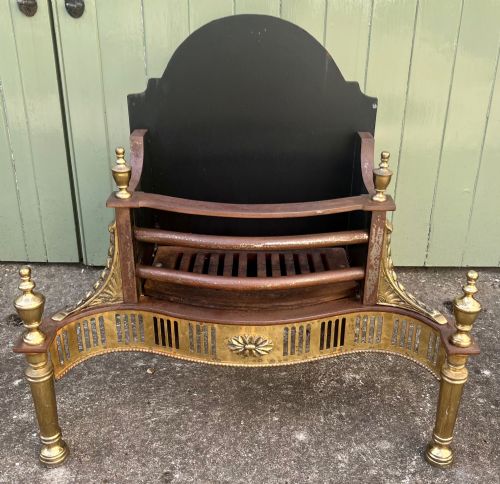
Makers and designers drew on historical vocabularies, producing pieces like Adam style grates and serpentine forms alongside utilitarian cast iron baskets. Buyers encounter everything from standalone pairs of andirons to integrated grates with fire backs and fenders.
Materials and methods
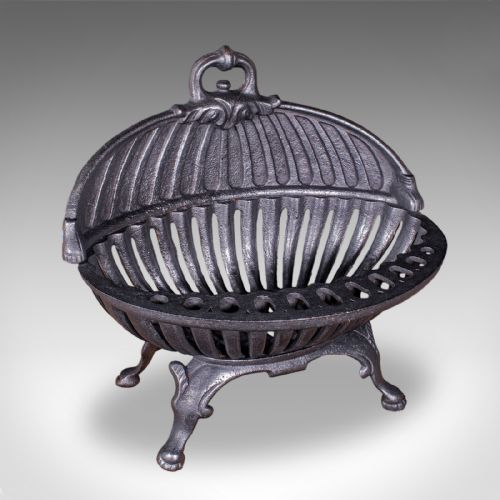
Foundry work relied on cast iron and wrought iron to build the robust baskets, backs, and structural legs capable of withstanding intense hearth heat. Blacksmiths and ironfounders hammered and cast these metals into sturdy frames, baskets, and fire dogs.
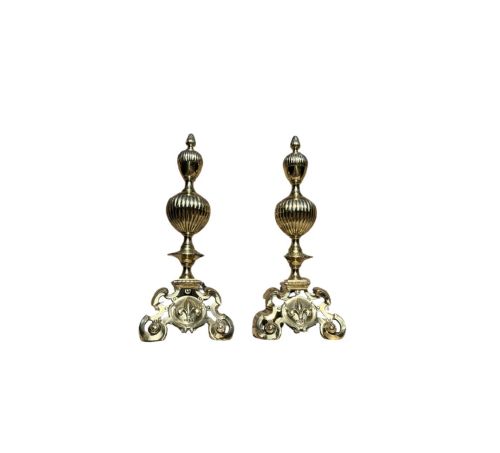
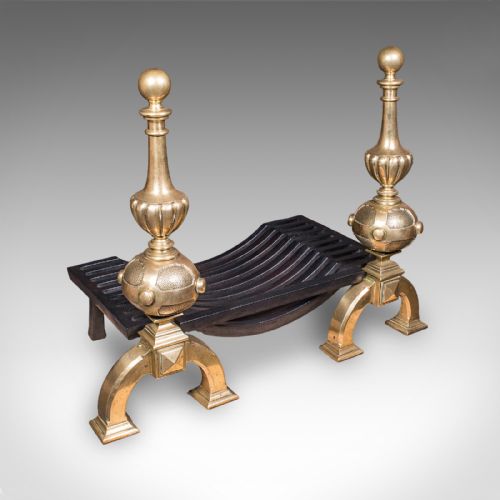
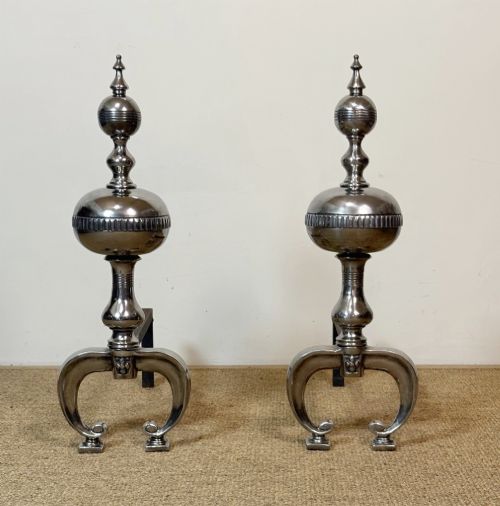
Brass and polished steel provided the bright decorative surfaces for andirons, fire dogs, and fender fronts. Craftsmen polished these metals to catch the firelight, combining them with cast iron internal frames for both visual contrast and structural strength.
Period Fire Dogs Retail Price Guide 2026
Typical asking prices for period fire dogs among the pieces listed under this phrase on Sellingantiques today, from the lower quarter to the upper quarter. They describe what is for sale here now, not the wider market.
Listings feature periods spanning from Georgian and Victorian eras through to the early twentieth century, utilising cast iron, wrought iron, brass, and polished steel.
Distinctions in craftsmanship
The upper tier of pieces displays crispness in cast ornament and careful hand-finishing on brass and steel elements. Heavier gauge metals and thoughtful proportional balance separate fine examples from standard utility hearth furniture.
Detailing in the neoclassical urns, gadrooning, or pierced brass work indicates the skill invested by the maker. Substantial weight in the ironwork and tight joints in assembled grates point to superior construction.
The Period Fire Dogs Glossary
- Andirons
- Supports for logs in a fireplace, typically used in pairs and featuring decorative fronts with horizontal bars behind them. They are often synonymous with fire dogs.
- Fire Basket
- An iron container designed to hold coal or wood within a fireplace, frequently incorporated into grates alongside fire dogs. It allows ash to fall through to the hearth below.
- Fire Back
- A heavy cast iron plate placed at the back of a fireplace to protect the masonry and reflect heat back into the room. They often feature relief moulded decoration.
- Fender
- A low metal guard placed in front of the fireplace to contain sparks and rolling embers. They match the brass, iron, or steel of the accompanying fire dogs and grates.
- Serpentine
- A shape characterised by a wavy, undulating front edge curving outward and inward. This profile appears on Adam style grates and register grates.
Period Fire Dogs: Frequently Asked Questions
What is the difference between fire dogs and andirons?
The terms are largely interchangeable, though fire dogs historically refers to simpler iron supports while andirons often denote more decorative paired uprights with billet bars.
Both serve the primary function of keeping logs elevated off the hearth floor to improve combustion.
How do I know if a fire grate is Georgian or Victorian?
Georgian pieces often display restrained neoclassical motifs like urns and swags, drawing on Adam style proportions and bright brass work.
Victorian examples tend toward heavier cast iron, ornate Baroque revival details, or robust Arts and Crafts hand-wrought construction.
Can these antique grates still be used for real fires?
Many cast iron baskets and fire dogs remain structurally robust enough for burning wood or coal, provided the metal shows no deep structural cracks.
It is wise to inspect the piece for prior repairs and ensure the hearth dimensions suit the specific fire grate or basket.
What metals should I expect to find?
The listings show a combination of cast iron, wrought iron, polished steel, and brass across different periods and styles.
Iron provides the heavy-duty framing and fire baskets, while brass and polished steel supply the decorative front elements.