
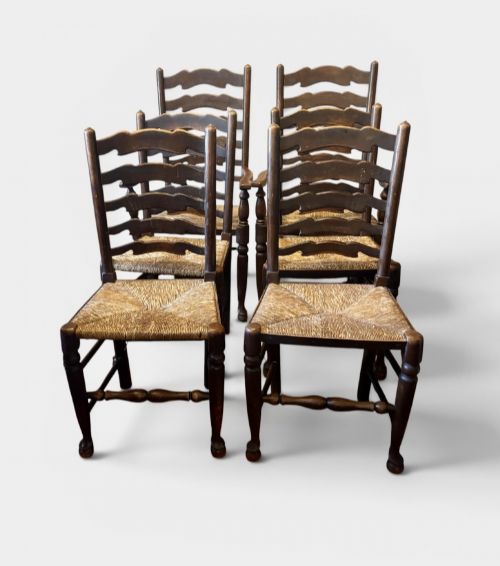


Period English Oak Chair
A period english oak chair brings centuries of domestic history into a room, offering robust construction and rich timber patination.
Period English Oak Chair
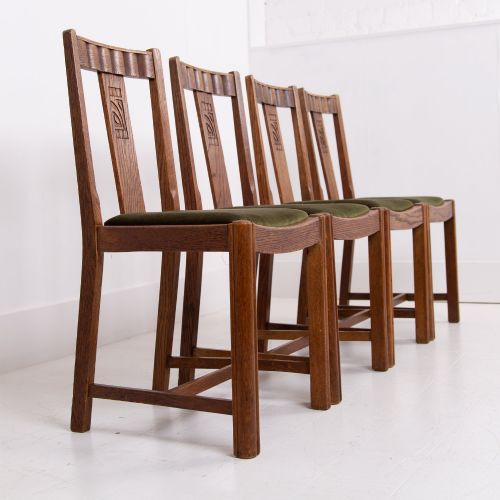
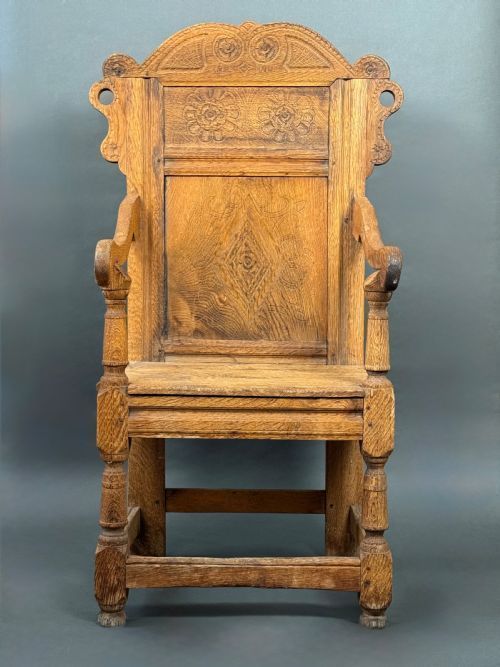
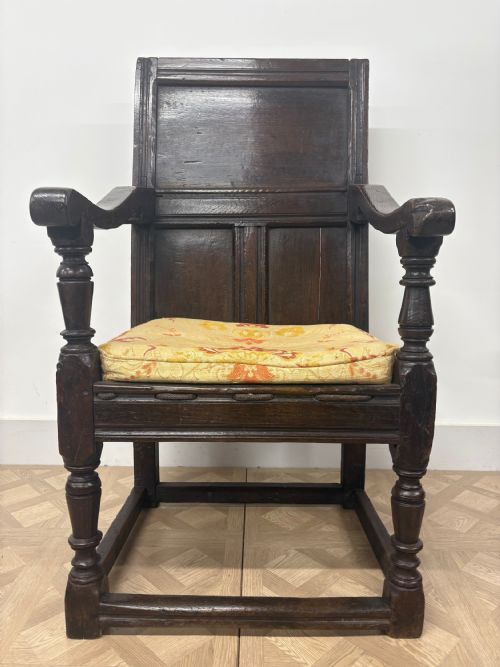
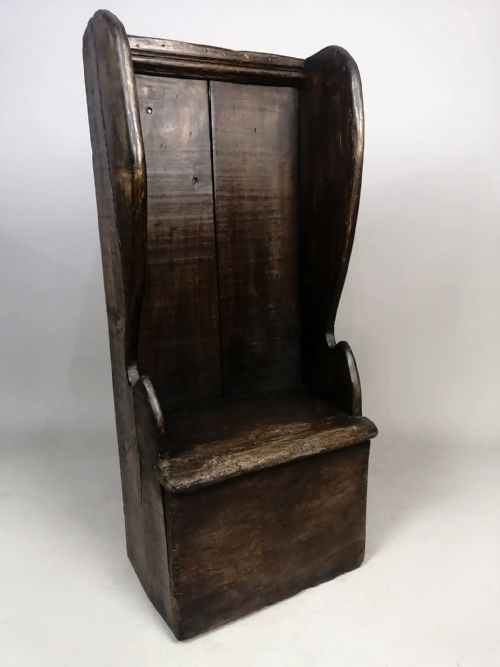
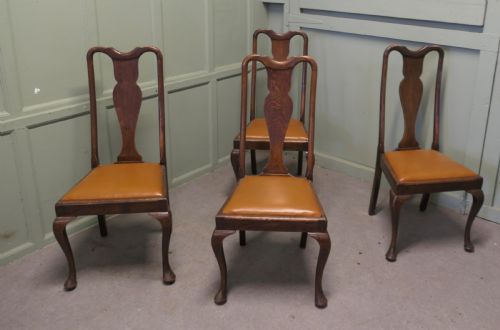
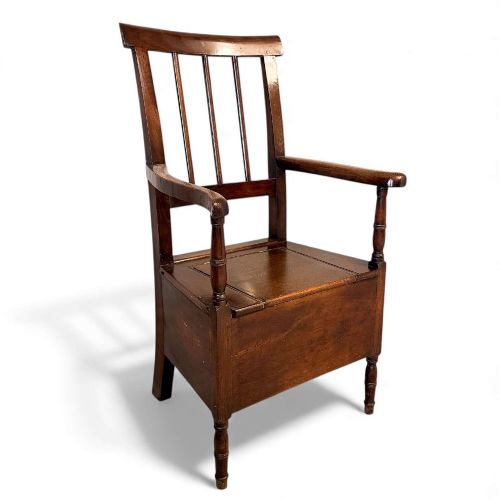
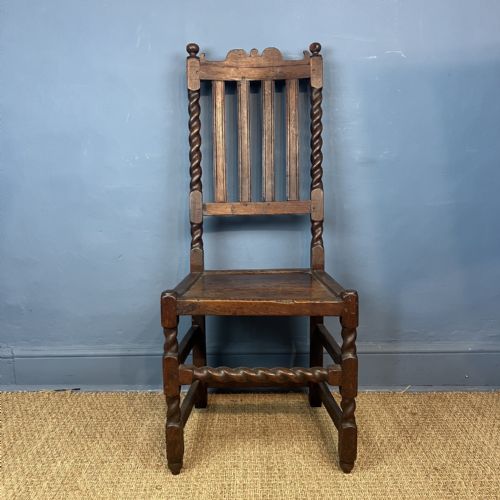
A period english oak chair encompasses sturdy seating forms spanning from the seventeenth century through the eighteenth century, alongside later revival and vernacular pieces. Buyers seeking a period english oak chair encounter robust dining chairs, side chairs, and substantial armchairs including wainscot chairs and lambing chairs.
Materials and Technique
Makers utilised solid oak as the primary structural timber, occasionally incorporating fruitwood and walnut for specific elements or contrasting details. Construction relied on traditional joinery methods, utilising pegged mortise and tenon joints to build rigid frames capable of enduring centuries of use.
Defining Quality
Quality rests upon the depth of timber patination, the integrity of the original joinery, and the crispness of any carved decoration. Pieces retaining their original structural timbers and surface finish command greater attention from collectors.
Proportion and regional character dictate the distinction between standard utilitarian seating and finer provincial masterpieces. The balance of the turnings and the harmonious integration of panel backs separate ordinary examples from exceptional survivals.
The Period English Oak Chair Glossary
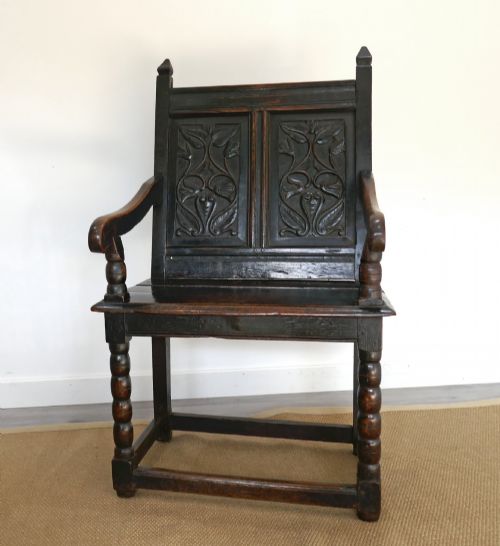
- Wainscot chair
- A heavy wooden armchair characterised by a panelled back and solid wooden seat, typical of the seventeenth century.
- Backstool
- An early term for an upholstered or panelled single chair without arms, serving as a precursor to the dining chair.
- Farthingale chair
- A wide, low seat without arms designed to accommodate the voluminous skirts worn by women during the seventeenth century.
- Patination
- The lustrous surface sheen developed on timber over centuries through handling, light exposure, and polishing.
- Splatt
- The vertical central strip of wood in a chair back, connecting the crest rail to the seat.
Period English Oak Chair: Frequently Asked Questions
How do I date an oak chair?
Dating relies on examining the construction methods, tool marks, timber shrinkage, and stylistic indicators such as carved motifs or turning profiles. Comparing the joinery against documented regional examples helps narrow the period of manufacture.
Changes in chair proportions and upholstery techniques across the seventeenth and eighteenth centuries also provide clear chronological markers for identification.
Are these chairs comfortable for daily use?
Early wooden seating was designed with upright posture in mind, reflecting the domestic habits and clothing styles of the period. Wainscot and side chairs offer firm timber support rather than modern cushioned relaxation.
Adding loose squab cushions in traditional fabrics can improve comfort for modern dining without altering the historic structure of the chair.
What is a wainscot chair?
A wainscot chair is a substantial armchair constructed primarily from solid oak, featuring a panelled wooden back reminiscent of wall panelling. These pieces were costly status items in early homes.
They typically feature heavily moulded seats, carved rails, and sturdy turned legs connected by low stretchers for stability.
How do I care for antique oak?
Maintaining antique oak requires stable indoor humidity levels and protection from direct sunlight and extreme heat sources. Regular dusting with a dry, soft cloth preserves the historic surface.
Occasional application of traditional beeswax feeds the timber and maintains the natural lustre of the patination without creating a synthetic buildup.