
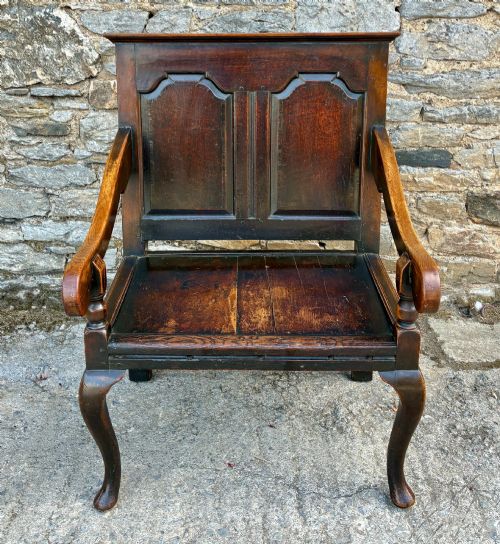
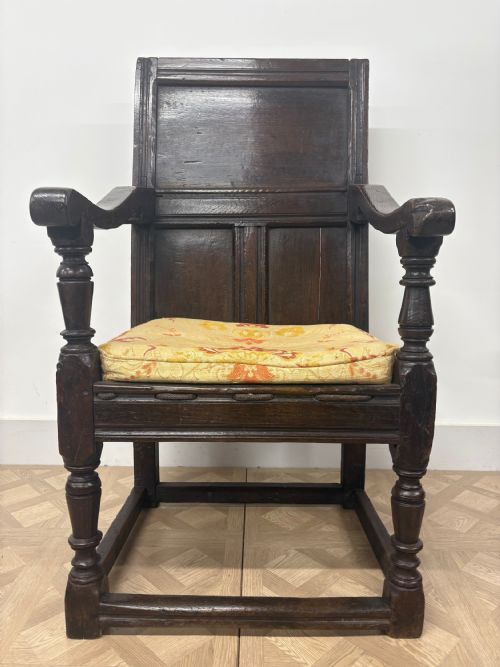
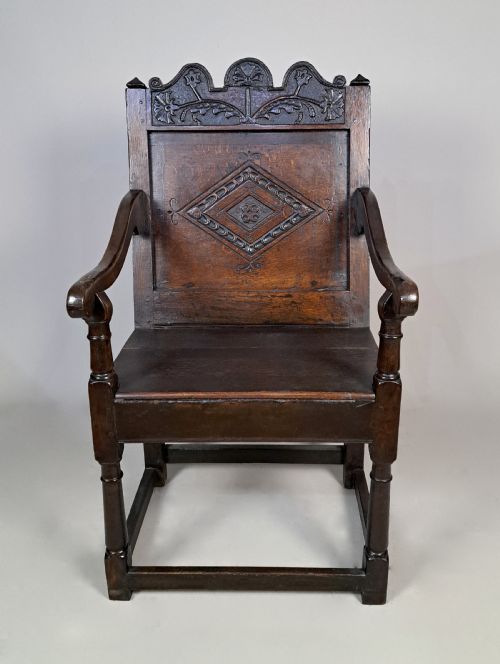
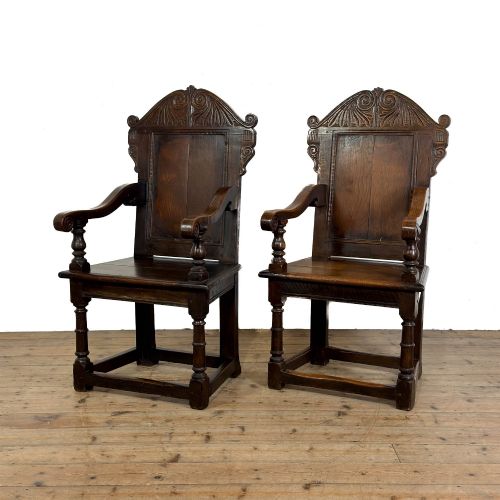

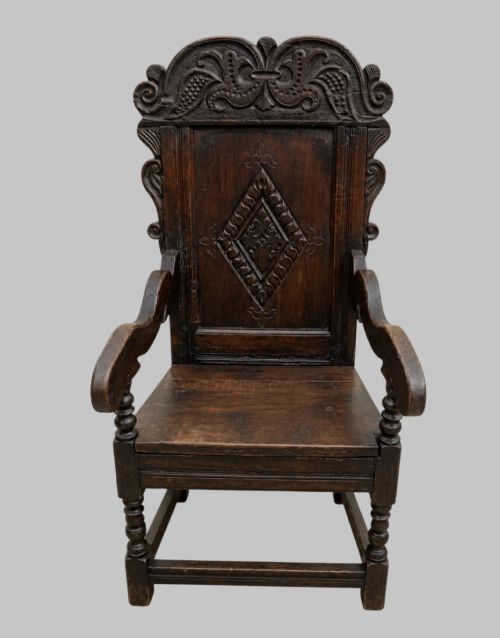


Panel Back Oak Armchair
A panel back oak armchair is a sturdy timber seat designed for domestic use, offering high backs and solid construction.
Panel Back Oak Armchair
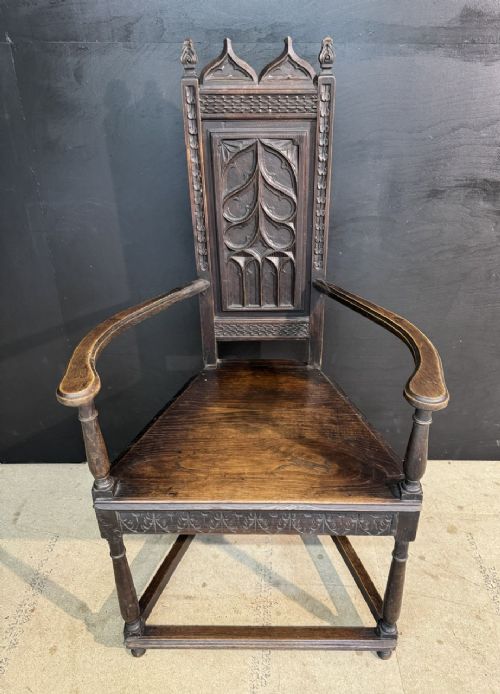
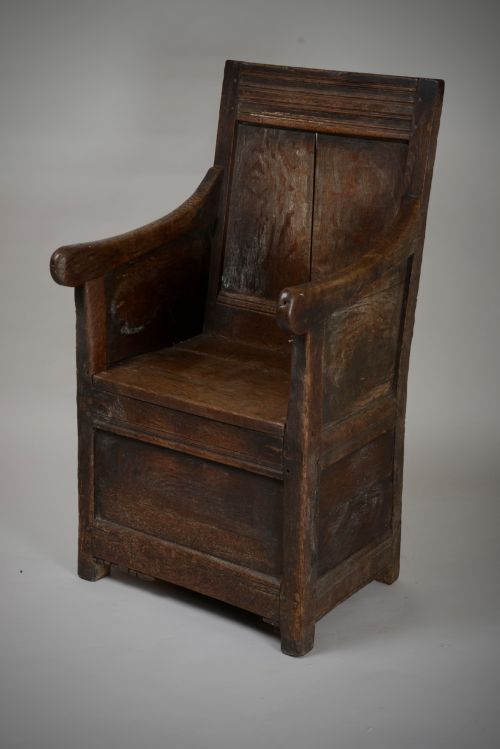
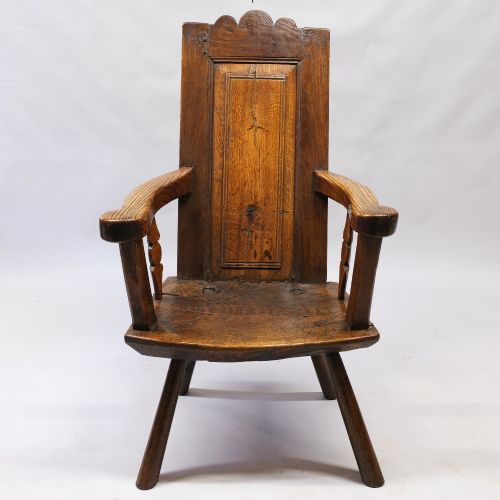
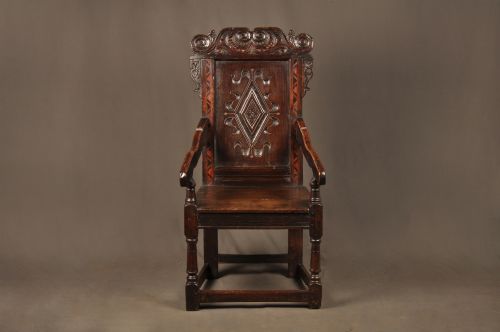
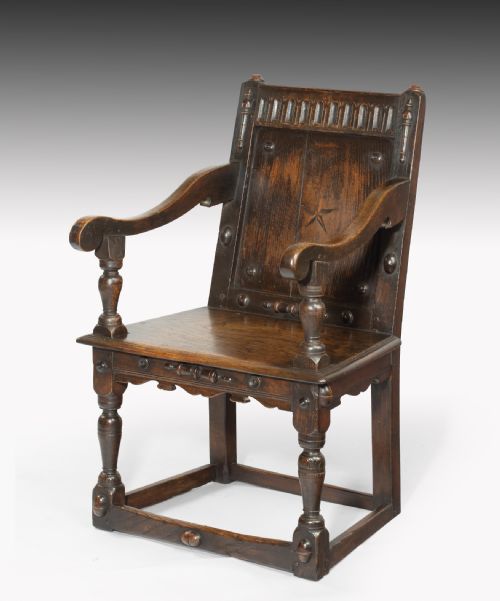
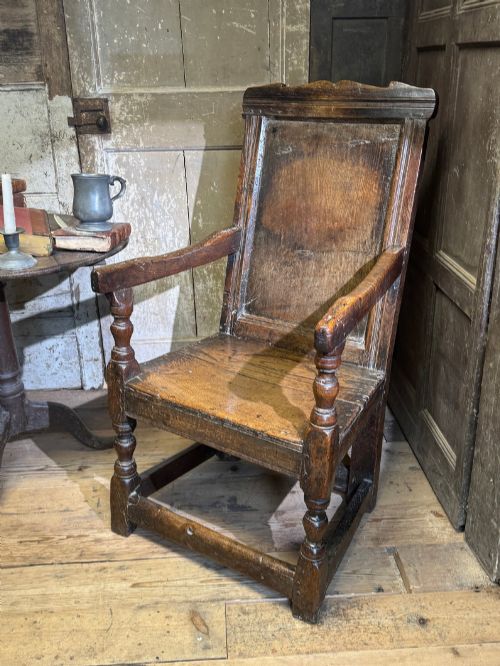
A panel back oak armchair represents a significant category of early seating furniture rooted in domestic history. When searching for a panel back oak armchair, buyers encounter examples originating from the sixteenth century onwards, spanning various regional English and Welsh traditions. The form relies on a solid planked back, integrated armrests, and a heavy wooden seat built to withstand daily use.
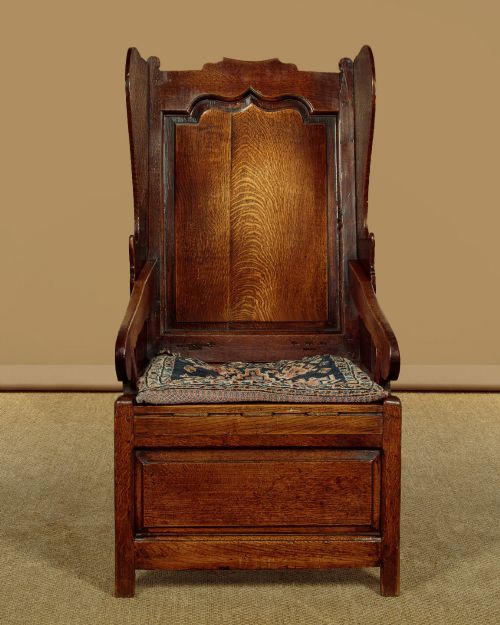
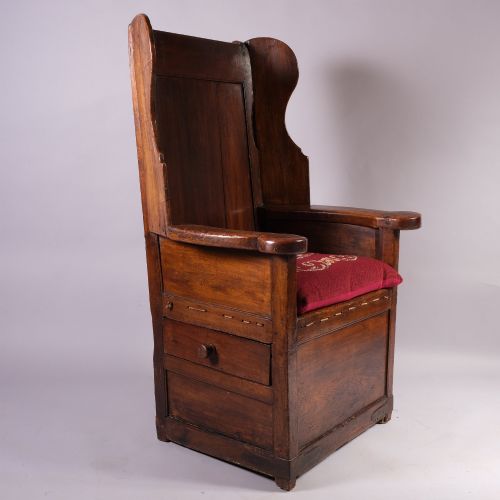
The selections available here range from authentic seventeenth-century wainscot examples to later nineteenth-century revivals and regional variants such as lambing chairs. Pieces often display regional characteristics, particularly from Yorkshire or Wales, reflecting the local vernacular of the period in which they were made. Buyers frequently find armchairs, settles, and occasional seating sharing these panel-back traits across different eras.
Materials and construction methods
Makers relied principally on solid oak, frequently supplemented by elm for seats or structural components. Timber selection dictated the longevity of the frame, with quartersawn oak providing stability for the prominent flat back panels.
Joinery depended on traditional mortise and tenon joints secured with wooden pegs rather than metal fastenings. Carving, panel moulding, and sometimes applied pigment decorated the wooden surfaces, while supplementary materials like leather, fabric, or velvet occasionally appeared on later iterations.
Some early chairs feature remarkably narrow seats, suggesting seventeenth-century occupants possessed significantly slender waistlines compared to modern sitters.
Factors determining the character of each piece
The degree of original timber preservation distinguishes standard examples from superior ones. Pieces retaining their original board seats, unmoved arm assemblies, and unaltered structural joinery hold greater physical integrity.
The depth and execution of the carved ornamentation also differentiate individual items. Sharp, confident toolwork on the panel crests indicates competent period craftsmanship, whereas softened or later re-carved surfaces alter the original aesthetic balance of the chair.
The Panel Back Oak Armchair Glossary
- Wainscot
- A heavy wooden armchair characterised by panelled construction and solid armrests. This term originates from the high-quality imported oak boards once used for wall panelling and chair frames.
- Lambing chair
- A regional seating form featuring high panelled sides and a hooded or winged top. These chairs protected occupants from draughts in vernacular rural interiors.
- Mortise and tenon
- A primary joint method where a projecting tenon fits tightly into a corresponding mortise hole. Pegs secure the wooden connection without modern adhesives.
- Quartersawn
- Timber cut radially from the log ring centre, producing distinctive ray fleck patterns. This method yields stable boards less prone to warping.
- Vernacular
- Furniture produced by local craftsmen using regional styles and available materials rather than following metropolitan court fashions.
Panel Back Oak Armchair: Frequently Asked Questions
How do I identify a genuine seventeenth century armchair?
Examine the construction methods visible underneath and at the joints. Hand-cut peg fastenings, timber shrinkage patterns, and tool marks indicate period handcrafting techniques.
Compare the surface patina with known examples from the same region. Natural wear accumulates on the armrests and foot rails over centuries of domestic habitation.
Where were these armchairs originally placed in a home?
These heavy wooden seats stood near hearths in principal rooms to block cold air drafts. Their substantial weight meant they remained fixed in specific domestic positions rather than moving freely.
Important household members occupied these chairs while others sat on simpler stools or benches. They served as primary seats of authority within the domestic interior.
What is the difference between wainscot and panel back chairs?
The terms often overlap in historical records, though wainscot specifically denotes heavy sixteenth and seventeenth century joined armchairs. Panel back serves as a broader descriptor encompassing later regional variants and revival pieces.
Earlier wainscot examples feature rigid architectural proportions and deep relief carving. Later panel back forms adopt softer lines influenced by regional vernacular preferences.
How should I care for historic oak furniture?
Maintain stable indoor humidity levels to prevent timber shrinkage or splitting. Extreme temperature fluctuations risk damaging aged joints and brittle wooden pegs.
Apply microcrystalline wax sparingly to nourish the dry surface grain. Avoid standard modern polishes containing silicone which can degrade the historic patina over time.