




English Period Oak Chair
An english period oak chair brings centuries of carpenter's craft straight into a room, offering sturdy seating grounded in native timber.
English Period Oak Chair
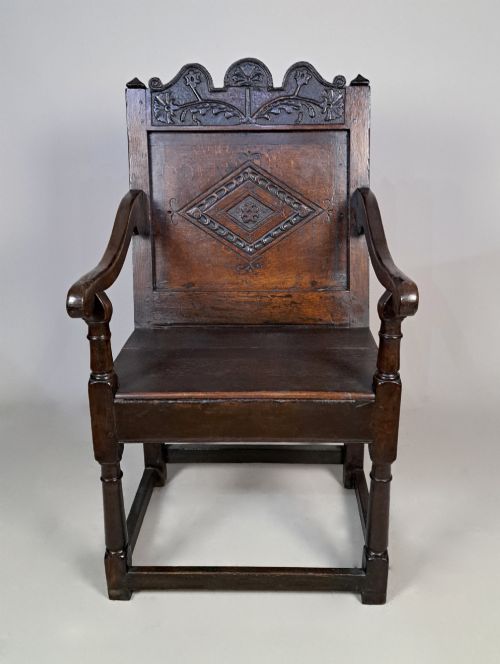
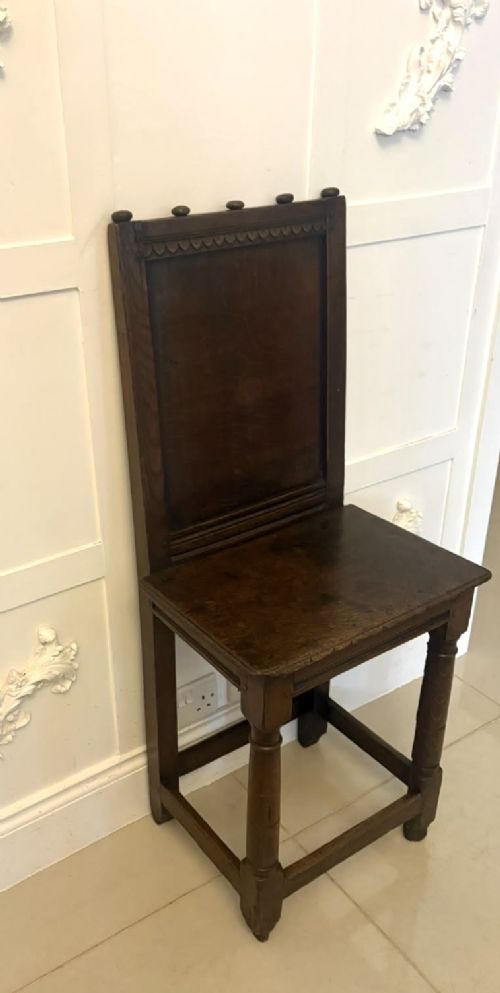
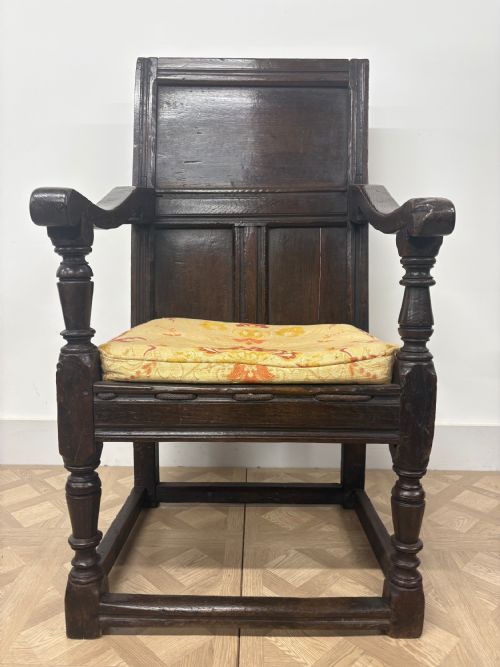
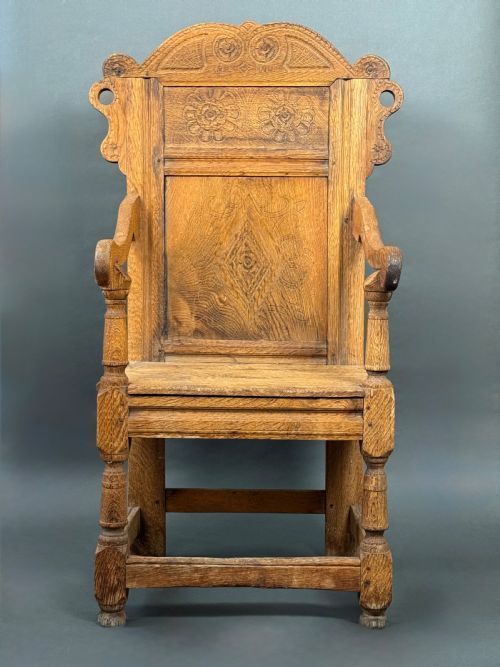
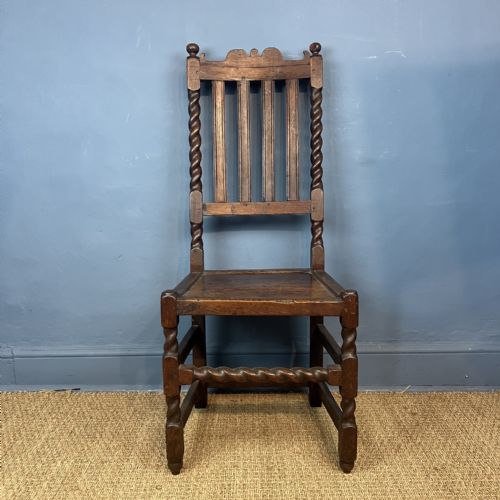
When searching for an english period oak chair, buyers encounter robust seating spanning several centuries from the seventeenth onwards. These listings present an array of functional forms including wainscot armchairs, side chairs, backstools, and dining chairs. Regional variations emerge clearly across these pieces, with specific designs appearing from Yorkshire and the West Country alongside vernacular types.
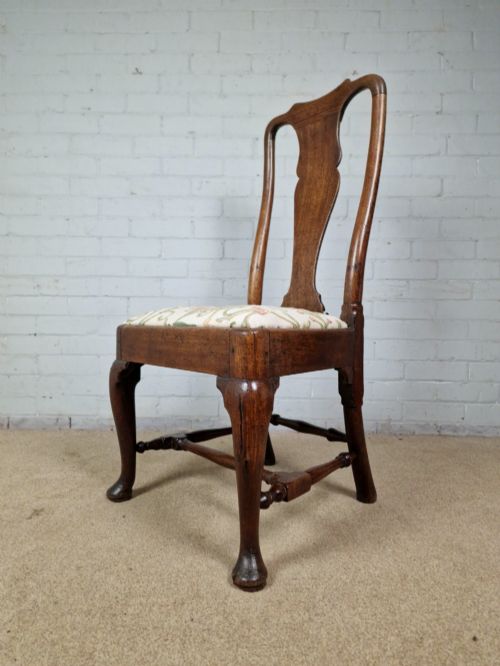
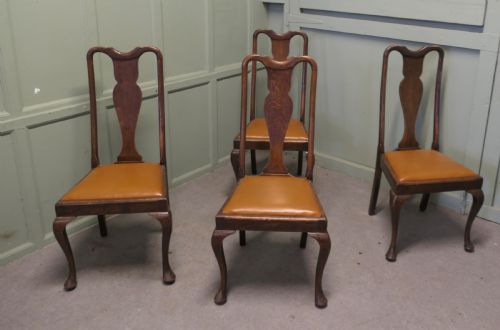
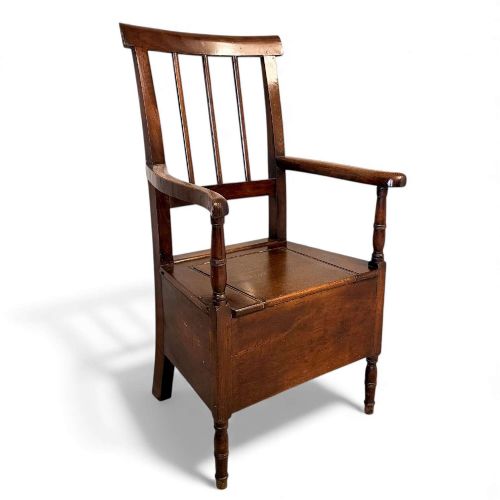
The seventeenth-century examples dominate the selection, showcasing heavy timber construction, carved details, and high panelled backs. Alongside these early pieces, eighteenth-century forms such as Queen Anne dining chairs, commode chairs, and corner chairs surface regularly. Later revivals, including nineteenth-century Gothic pieces and twentieth-century interpretations, also populate the range of available seating.
Materials and construction methods
Makers relied primarily on English oak and solid oak, supplemented occasionally by walnut for specific decorative accents or secondary elements. Carpenters shaped these dense hardwoods using traditional joinery techniques, employing pegged mortise and tenon joints to build rigid frames that endure for centuries. Surfaces often received hand-carved ornamentation, reflecting the stylistic shifts from Jacobean and Charles periods through to Georgian elegance.
Upholstered variations incorporate traditional materials like leather, fabric, and tapestry to pad seats and backs. These textiles attach directly to the wooden frameworks, utilising iron tacks or decorative nails that complement the dark tones of the aged timber. The interaction between plain or figured wood and tactile upholstery defines the physical presence of these chairs.
English Period Oak Chair Retail Price Guide 2026
Typical asking prices for english period oak chair among the pieces listed under this phrase on Sellingantiques today, from the lower quarter to the upper quarter. They describe what is for sale here now, not the wider market.
Correction chairs of the seventeenth century offered stern posture enforcement for unruly sitters long before modern ergonomic seating existed.
Judging quality and integrity
Quality rests heavily on the retention of original timber and the integrity of the structural joints. Pieces maintaining their primary surfaces and uncompromised frames command greater respect than those burdened by excessive modern replacements or unsympathetic repairs. The crispness of hand carving also distinguishes finer workshop production from simpler vernacular work.
Proportion and scale dictate the visual balance of each chair, where well-considered lines elevate standard utilitarian forms into notable examples of period furniture. The depth of patination accumulated on the oak over hundreds of years signals how carefully a piece has been kept. Higher grade specimens display a harmonious integration of timber grain, joinery, and period-specific ornamentation.
The English Period Oak Chair Glossary
- Wainscot armchair
- A heavy wooden armchair featuring a panelled back and solid seat, common in the seventeenth century. These sturdy seats often served as primary chairs of authority within a household.
- Backstool
- An early upholstered or panelled single chair without arms, serving as a precursor to the modern dining chair. They appeared frequently in seventeenth-century domestic settings.
- Commode chair
- A specialised seat designed to house a concealed chamber pot beneath a movable lid or cushion. Eighteenth-century examples often combined functional utility with refined cabinetwork.
- Farthingale chair
- A wide, armless seat constructed without side restrictions to accommodate the expansive hoop skirts fashionable in the seventeenth century. They typically feature low, upholstered seats and tall backs.
- Patina
- The surface sheen and deep colour developed by aged wood through decades of handling, polishing, and exposure to light. Collectors value this natural indicator of age and authenticity.
English Period Oak Chair: Frequently Asked Questions
How do I date an oak chair?
Dating relies on examining the joinery techniques, tool marks left by carpenters, and the prevailing style of carving or turning. Early pieces from the seventeenth century often feature pegged mortise joints and solid panelled backs.
Subsequent periods introduced lighter proportions, different wood selections such as walnut, and refined splats. Comparing the structural framing against known stylistic eras provides the clearest indication of age.
Were wainscot chairs used daily?
Wainscot armchairs were substantial and costly items originally reserved for heads of households or important guests. They occupied positions of status in the hall or parlour rather than serving as casual seating.
Over time, as manufacturing methods evolved, similar heavy timber forms trickled down into broader domestic use. Their sturdy oak construction ensured they survived centuries of eventual daily service.
How do I care for antique oak?
Preserving antique oak requires stable environmental conditions away from direct heat sources and dramatic humidity fluctuations. Excessive dryness causes the timber to shrink and split, while dampness encourages warping.
Applying occasional appropriate wax feeds the wood and maintains the surface sheen without building up harmful residues. Gentle dusting with a dry cloth keeps the patination safe from abrasive particles.
What is a Yorkshire backstool?
A Yorkshire backstool is an early single chair characterised by regional carving traditions on the upper back rail and panel. These pieces originated in northern workshops during the seventeenth century.
They offer a distinct regional variant compared to contemporary pieces produced in London or the West Country. Collectors prize these localized designs for their robust character and specific stylistic motifs.