



Period Drinking Glasses
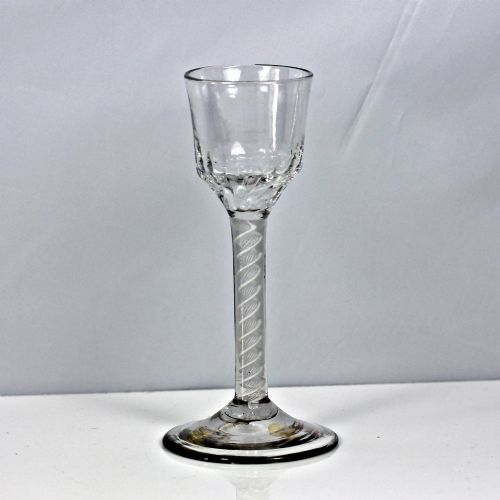
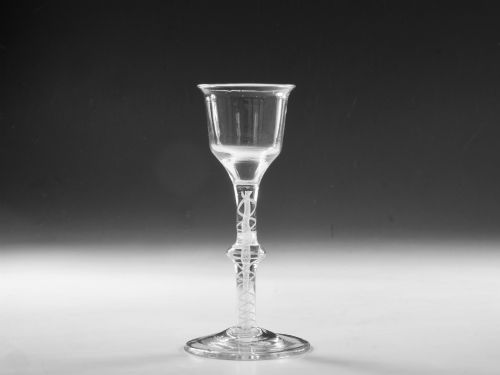
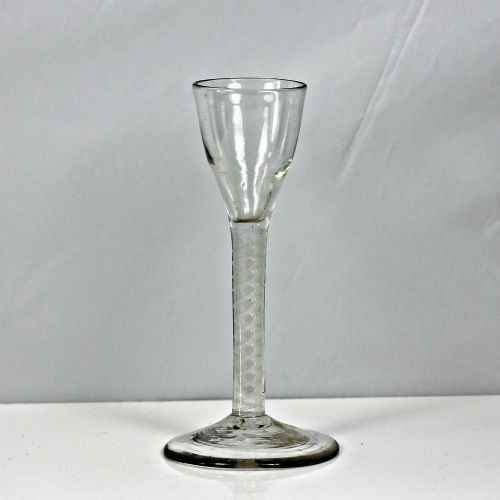
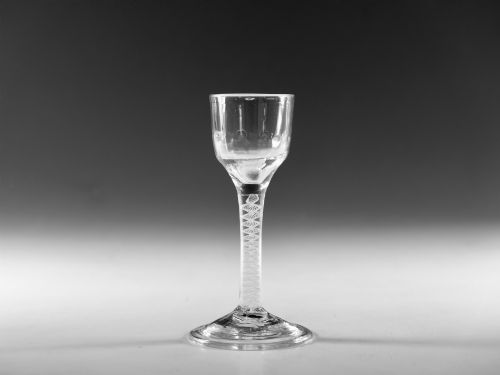
Period drinking glasses bring the weight of eighteenth-century tavern and table to hand through tactile lead glass and twist stems.
Period Drinking Glasses
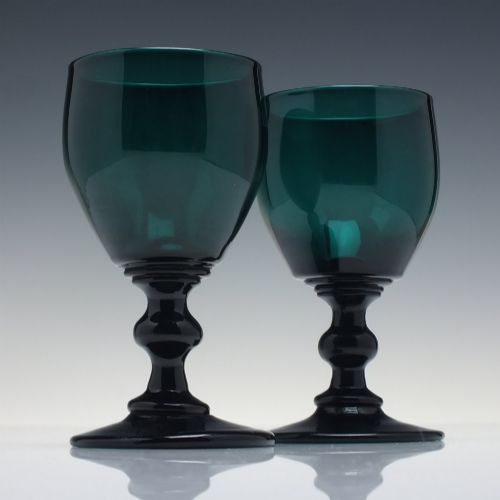
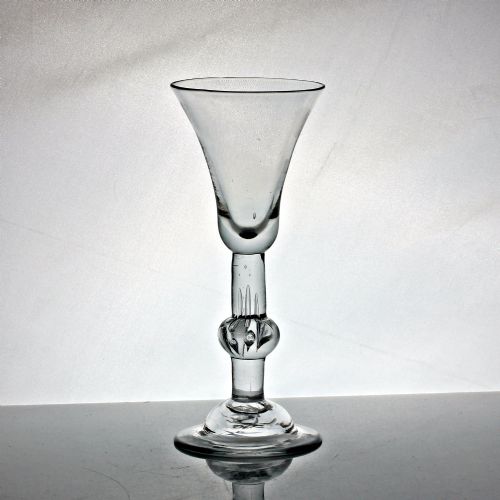
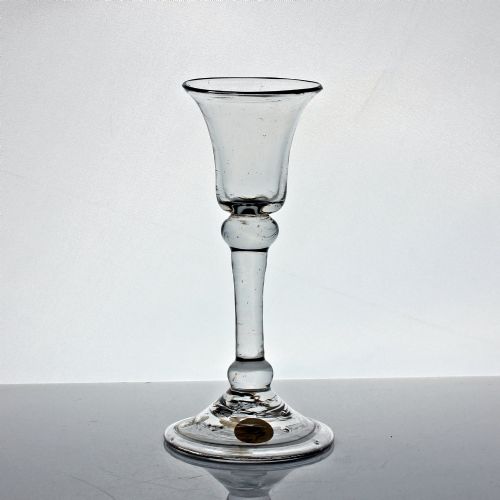
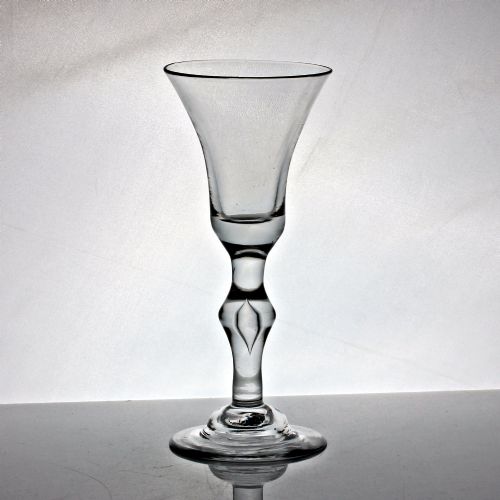
When you search for period drinking glasses, you encounter genuine eighteenth-century tablewares alongside nineteenth-century tantalus sets and robust rummers. The core of what you see here consists of Georgian wine glasses, ale flutes, and balustroids dating from the seventeen-thirties onwards.
Most examples hail from the Georgian and Regency eras, displaying distinct bowl forms like the bell, ogee, and wrythened profiles. You also meet late Victorian oak and brass tantalus housings designed to secure decanters under lock and key.
Materials and manufacture
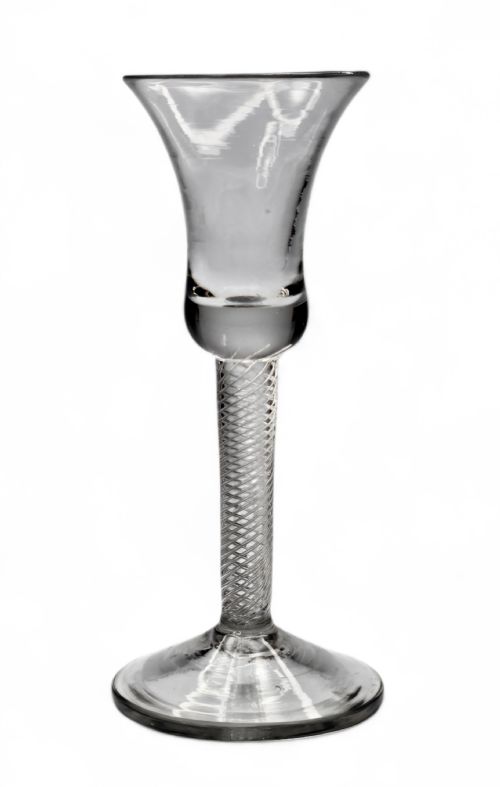
These vessels rely principally on heavy lead glass and lead crystal, which allowed makers to draw slender stems and achieve high clarity. Artisans manipulated the molten metal to trap microscopic air bubbles or incorporate opaque white glass threads within the stem.
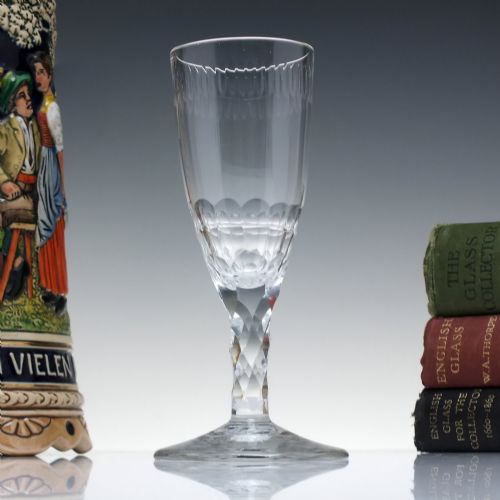
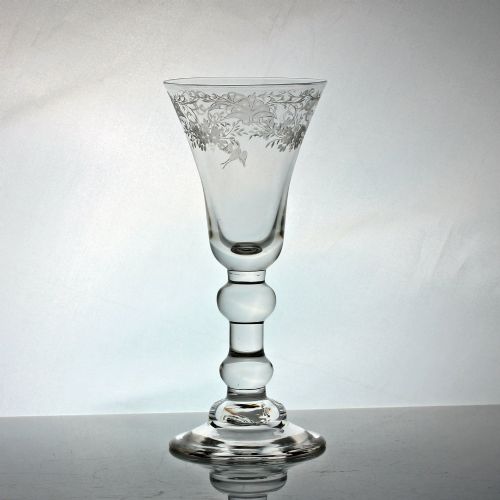
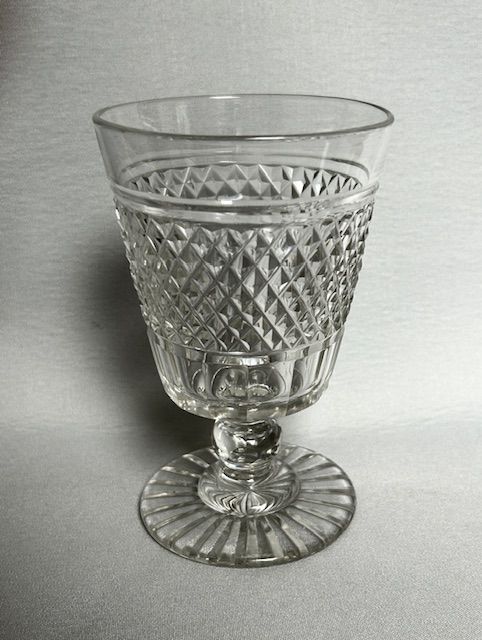
Finishing techniques involved wheel-cutting to create facets and hobnail patterns, alongside delicate diamond-point or wheel engraving of hops and barley onto the bowl.
Period Drinking Glasses Retail Price Guide 2026
Typical asking prices for period drinking glasses among the pieces listed under this phrase on Sellingantiques today, from the lower quarter to the upper quarter. They describe what is for sale here now, not the wider market.
Early tavern drinkers could admire intricate hops and barley engraved on an ale flute while pondering the locking mechanism of a nearby tantalus.
Distinctions in quality
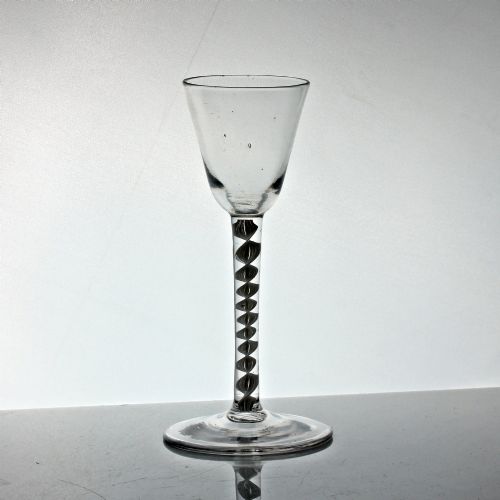
The fineness of a piece rests on the purity of the metal and the precision of the stem manufacture, whether dealing with single, double, or multiple spiral twists. Superior examples show exceptional clarity without clouding, alongside a balanced foot and bowl proportion.
Hand-cut decoration such as facet cutting on stems and bucket rummers reveals the artisan's steady hand through crisp edges and even spacing, whereas lesser pieces display softer, shallower incisions.
The Period Drinking Glasses Glossary
- Air twist
- A stem formed by drawing out elongated air bubbles into a spiral thread within the glass. This technique gained popularity across the mid-eighteenth century.
- Opaque twist
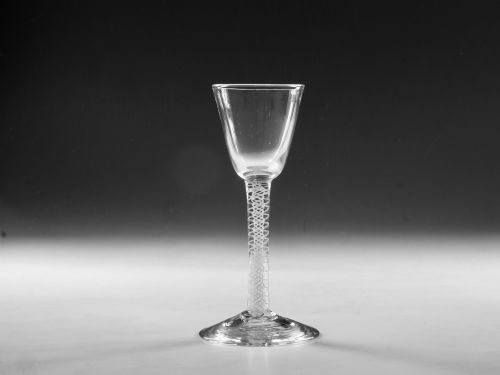
- A stem containing white enamel glass rods twisted into single or double series threads. These threads create a striking contrast against the clear bowl.
- Baluster
- A heavy, thick stem shape derived from architectural supports featuring knops and swelling profiles. Early eighteenth-century examples frequently utilise this sturdy form.
- Ogee
- A double-curved bowl shape resembling an elongated 'S', curving out at the rim and in at the base. This profile appears frequently on twist-stem wine glasses.
- Tantalus
- A locking wooden frame holding decanters visible but out of reach to prevent unauthorised sampling. Victorian examples often combine solid oak with brass mounts.
Period Drinking Glasses: Frequently Asked Questions
How do I date an antique wine glass?
Dating relies on observing the combination of bowl shape, stem construction, and foot formation. Earlier eighteenth-century pieces often feature heavy baluster stems and folded feet, while later decades introduced facet cutting and twist stems.
Examining the pontil mark on the underside of the base also provides clues. A smooth, ground pontil typically indicates later manufacturing methods compared to a rough, snapped pontil.
Can I use period wine glasses for dining?
Many collectors prefer to handle and use eighteenth-century lead glass for special occasions, treating the material with appropriate care. Hand washing in lukewarm water without harsh detergents protects the historic glass.
Sudden temperature changes must be avoided to prevent thermal shock. Storing them securely away from edge hazards ensures these fragile tablewares survive for future generations.
What is a rummer?
A rummer is a robust, short-stemmed drinking glass designed for heavier ales and wines during the Georgian and Regency periods. They often feature bucket bowls adorned with hobnail cutting near the base.
Their sturdy construction made them practical for everyday tavern and household use. They sit lower and feel much heavier in the hand than delicate wine glasses.
What was the purpose of a tantalus?
A tantalus held decanters securely behind a locking metal bar, preventing servants or guests from accessing the contents without the key. The name derives from the mythological figure Tantalus, who was kept thirsty just out of reach.
Victorian households placed them in reception rooms as both a security measure and a display piece. They are typically constructed from oak and fitted with brass locks.