

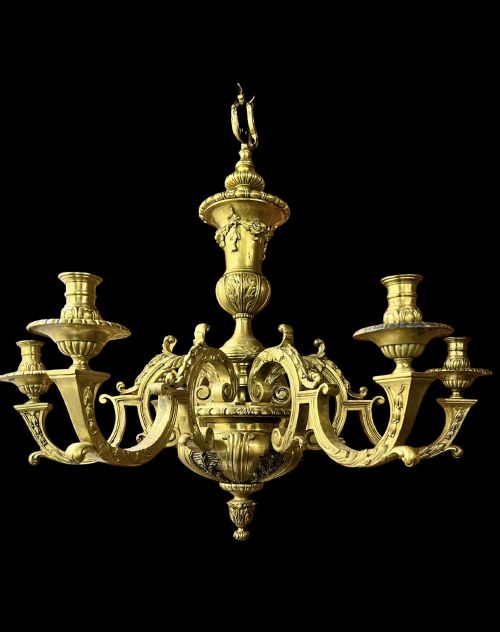


Period Ceiling Lighting
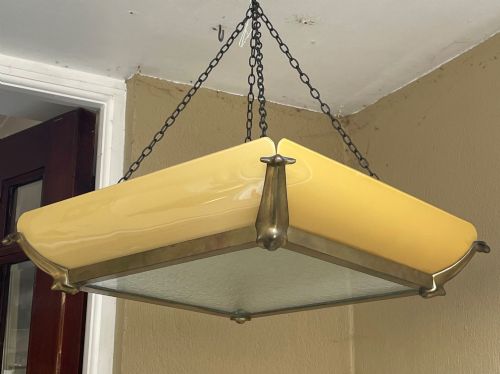
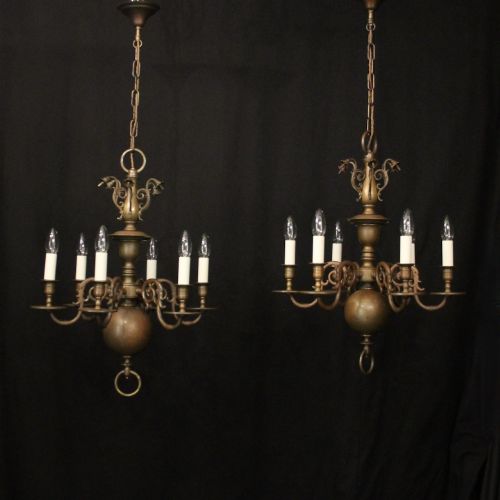
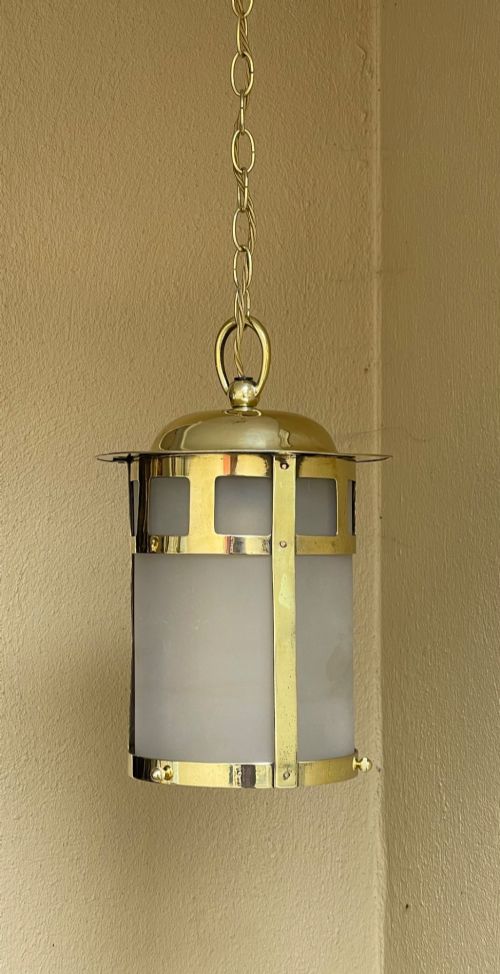
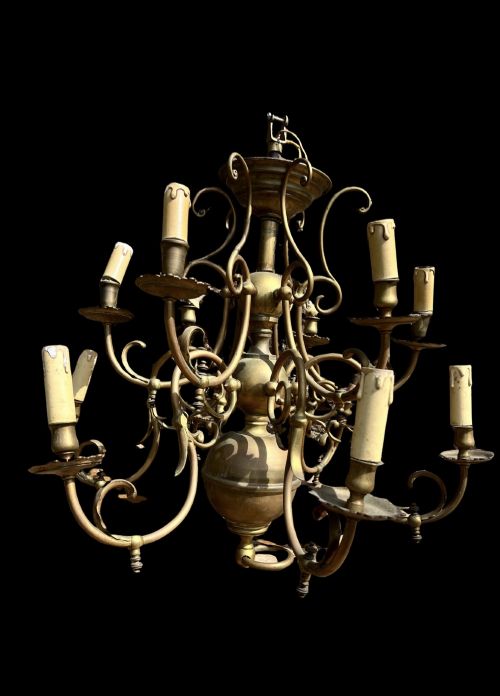
Period ceiling lighting brings character overhead, spanning grand brass chandeliers and frosted glass lanterns from Victorian and Edwardian days.
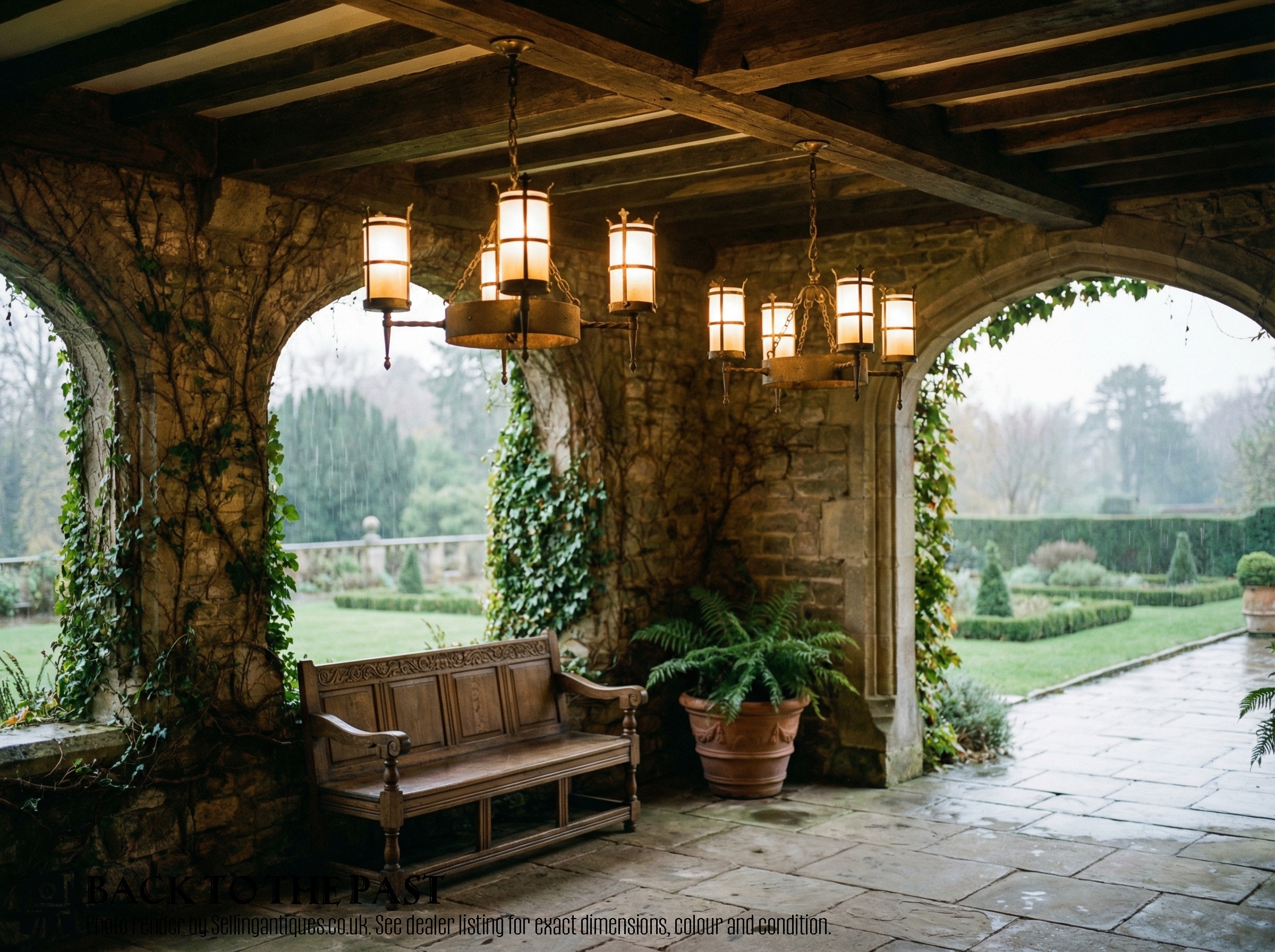
Period Ceiling Lighting
Period ceiling lighting covers chandeliers, hanging lanterns, pendant lights and cast iron ceiling roses designed to illuminate rooms from above. Buyers search for these items to install authentic period fixtures in older properties or to introduce traditional craftsmanship into modern spaces.
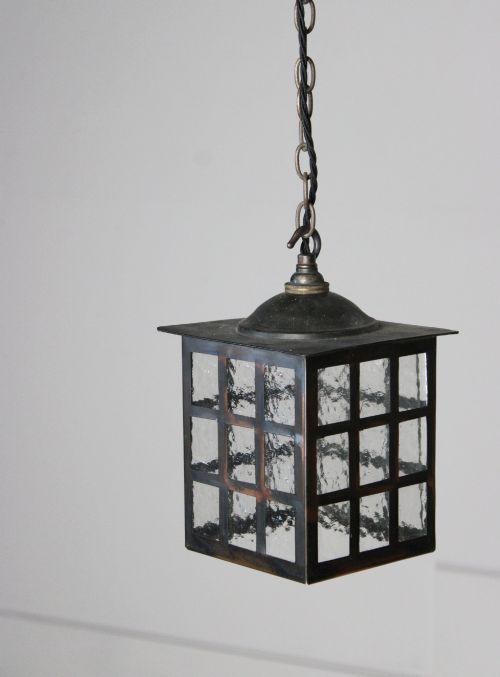
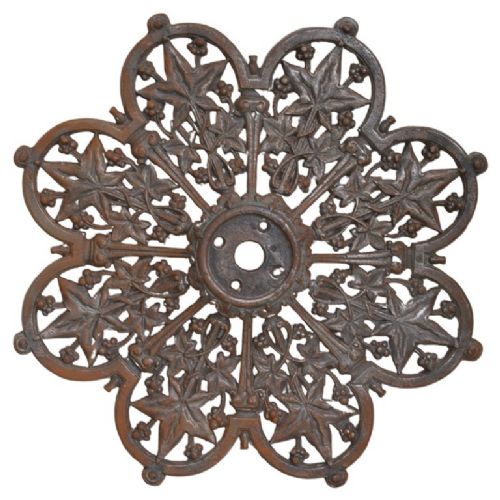
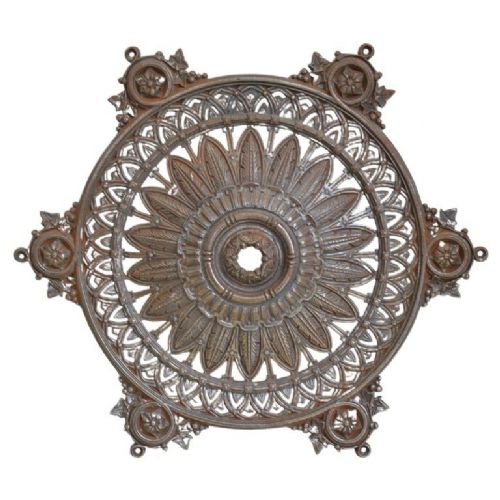
The selection on this page leans heavily toward Edwardian and Victorian examples, alongside pieces from the 1930s, 1920s and the nineteenth century. Common forms include multi-arm chandeliers, hall lanterns in hexagonal or cage frames, and decorative ceiling roses with ivy leaf or feather designs.
Origins vary across the listings, with English and French designs appearing frequently. Styles range from Art Deco and Arts and Crafts to French Rococo, Georgian style and Flemish Renaissance.
How they were made
Makers utilised metals such as brass, cast brass, bronze, copper, cast iron, ormolu and silver plated bronze to form the structural frames, lanterns and ceiling roses. These metals were cast, forged or worked into intricate shapes, sometimes incorporating gilt finishes or dark frames.
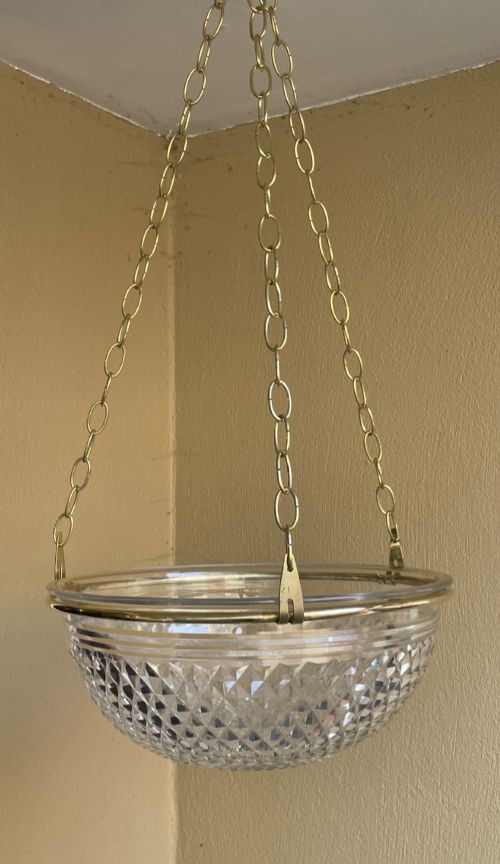
Glass forms an essential component of the construction, appearing as cut glass, crystal, opaline glass and frosted glass. These glass elements function as shades, shades with etched patterns, or cascading crystal drops that reflect and refract the light from within.
An eighteenth-century style French hanging lantern includes an old decorative green man face peering out from the copper frame.
What varies in quality
Quality rests in the depth of detail and the integrity of the materials, separating standard production from finer craftsmanship. Heavier cast bronze or brass frames with crisply rendered foliage, such as ivy leaf or feather designs on ceiling roses, indicate superior work.
The sophistication of the glasswork dictates the upper tier of pieces. Hand-cut crystal drops, heavy opaline glass, and intricately shaped or bevelled panes in lanterns demonstrate a higher grade of manufacture than plain or pressed alternatives.
F&C Osler·G.E.C
The Period Ceiling Lighting Glossary
- Plafonnier
- A ceiling-mounted bowl light or shallow dome light that sits flush or close to the ceiling surface. This form became popular during the Edwardian period for hallways and smaller rooms.
- Electrolier
- A light fixture designed specifically for electricity, often used historically to describe early electric chandeliers. The term distinguishes them from converted gaseliers.
- Gasoliere
- A lighting fixture originally manufactured to burn coal gas before being adapted for electricity. These pieces date from the nineteenth century.
- Ormolu
- Gilt bronze created by applying a finely ground high-carat gold-mercury amalgam to a bronze object. The technique produces a rich golden surface found on finer French decorative hardware.
- Cage chandelier
- A chandelier construction where the metal arms and vertical members form an open framework supporting numerous glass crystals. This style was common in nineteenth-century French lighting.
Period Ceiling Lighting: Frequently Asked Questions
How do I hang a heavy chandelier safely?
Heavy period chandeliers require direct support from the ceiling joist or a heavy-duty steel bracket installed in the ceiling void. Standard plastic ceiling roses cannot bear the weight of cast bronze or multi-arm crystal fixtures.
Consult a professional electrician to assess the wiring and structural load before attempting installation.
Can gas chandeliers be converted to electricity?
Many gasolieres and older hanging lights have already been converted to accept modern electrical wiring and standard lamp holders. The process involves running concealed flex through the original hollow brass or bronze arms.
An experienced restorer can perform this conversion safely while preserving the exterior historic components.
How do I clean cut glass and crystal pendants?
Remove dust using a soft feather duster or microfiber cloth while the light is switched off and cool. For a deeper clean, wipe individual glass drops with a mild solution of warm water and dish soap before drying thoroughly.
Avoid spraying liquids directly onto the metal frame or electrical components.