



Pencil Sketch Wall Art
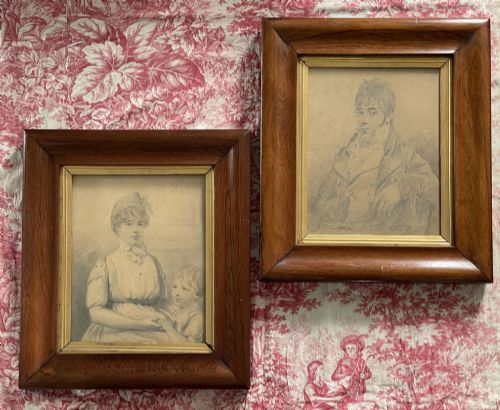
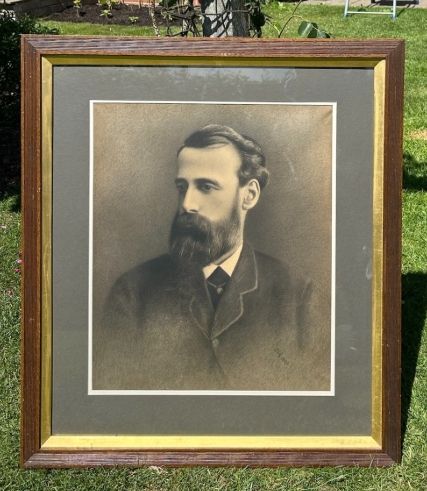
Pencil sketch wall art brings intimate graphic detail to interiors, ranging from restrained Georgian portraiture to expressive mid-century studies.
Pencil Sketch Wall Art
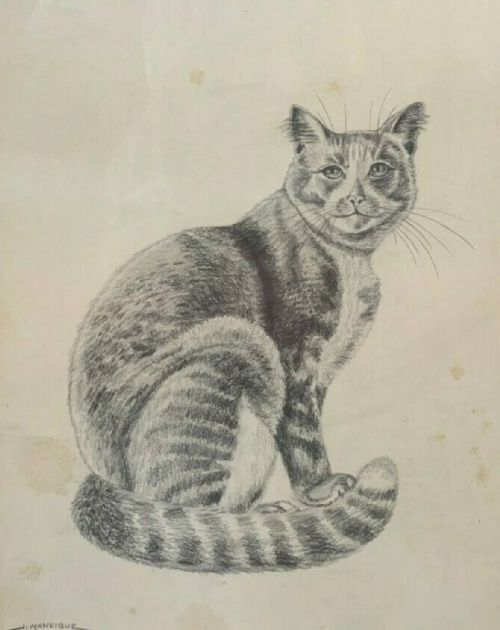
Pencil sketch wall art encompasses original works on paper executed in graphite, charcoal, and related dry media. Buyers searching this phrase encounter framed drawings that capture figures, architecture, and landscapes across multiple centuries.
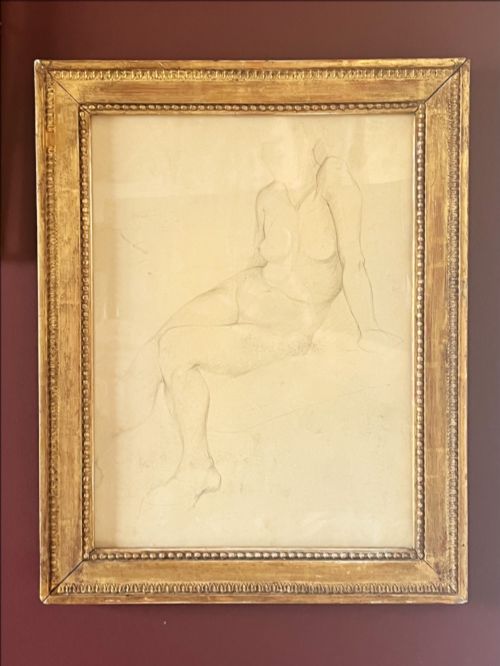
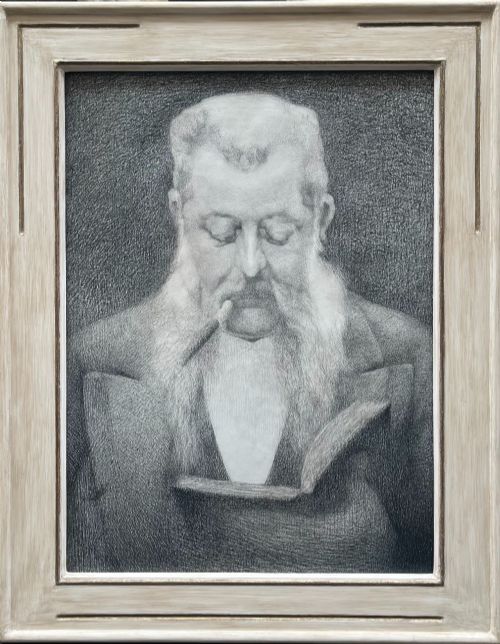
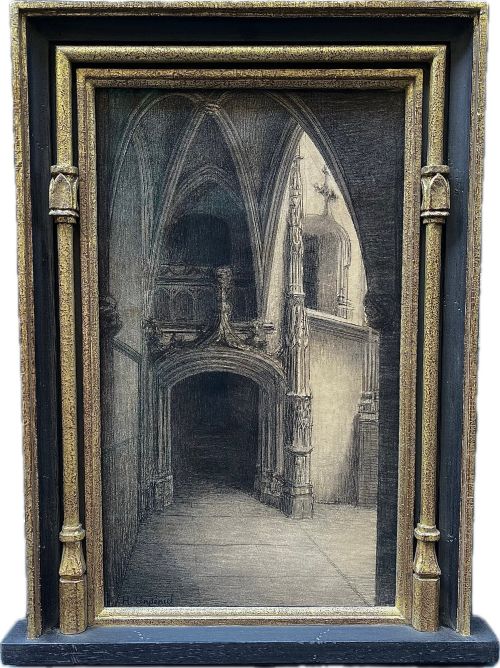
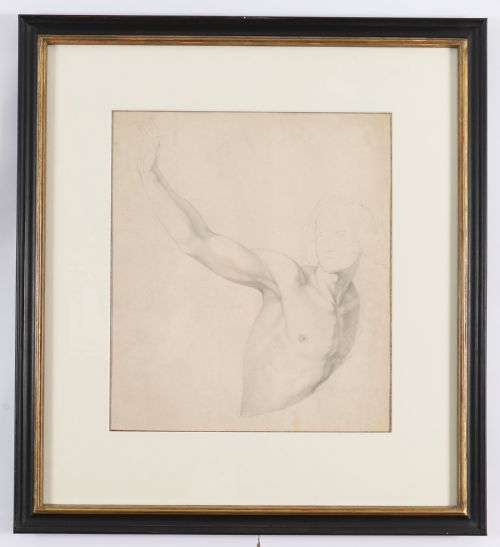
The material on this page spans the eighteenth century through to the mid-twentieth century. Works range from academic life studies and delicate plumbago portraits to signed maritime and architectural scenes.
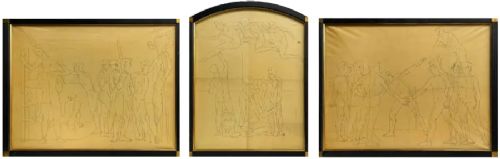
Framing is integral to these pieces, with many surviving in antique gilt wood and timber frames. Collectors find both individual sheets and coordinated sets, such as miniature portraits and equestrian studies.
Materials and technique
These works rely on traditional drawing media applied to paper supports. Artists utilised graphite, pencil, and charcoal to build tone and line, occasionally combining them with watercolour or chalk for added depth.
Framing methods reflect the period of origin, utilising wood, glass, and gold leaf. Protection behind glass preserves the delicate dry media from smudging and environmental degradation over time.
One portrait captures an explorer noted specifically as a bio-pirate.
Judging quality and execution
Quality rests upon the sureness of the draughtsmanship and the expressive capability of the line. Stronger examples demonstrate confident anatomical structure, precise architectural perspective, or acute psychological observation in portraits.
The condition of the paper surface and the integrity of the original frame influence the standing of a piece. Works that retain their clarity without excessive foxing or fading represent the higher tier of surviving drawings.
James Stroudley·Henri Charles Angéniol·Michael Lyne·J W Hogley·James Ferguson·J Manrique·Ozias Humphry·Ernest Borough Johnson·Francis Dodd
The Pencil Sketch Wall Art Glossary
- Plumbago
- A graphite drawing technique popular in the seventeenth and eighteenth centuries. Works executed in this medium often display precise detail and a silvery grey tone.
- Graphite
- A form of crystalline carbon used as a drawing medium. It yields marks ranging from faint grey to deep metallic black depending on the grade.
- Charcoal
- A dry drawing material made from burnt wood that produces deep black, easily blended marks. It is frequently employed in expressive life studies and portraits.
- Gilt wood
- Wood coated with gold leaf or metallic paint, commonly found on traditional frames. This finish adds a reflective border that complements works on paper.
- Academic realism
- A style of painting and drawing produced under the influence of European academies of art. It prioritises precise anatomical accuracy and classical composition.
Pencil Sketch Wall Art: Frequently Asked Questions
How do I care for framed drawings?
Keep works out of direct sunlight to prevent the paper from yellowing and the media from fading. Maintain stable room humidity to protect both the paper support and the antique wooden frame.
Ensure the glazing remains intact to shield the delicate graphite or charcoal surface from atmospheric dust and accidental contact.
Are these drawings original works?
The selection consists of hand-drawn original works rather than mechanical reproductions or prints. Each piece displays the distinct hand of the artist through individual pencil strokes and paper textures.
Signatures, dates, and stylistic markers help establish the period and authorship of the individual sheets.
What periods do these drawings represent?
The collection spans several centuries, starting from the eighteenth century and extending through the Regency, Victorian, and Edwardian eras. Mid-century modern and 1950s pieces are also represented.
Stylistic shifts trace a path from classical portraiture and academic realism toward symbolist and mid-century graphic expressions.
How are these pieces usually framed?
Many works are housed in period frames made of wood or gilt wood, which complement the age of the drawing. Glass fronts protect the fragile paper and dry media from damage.
Some pieces retain their historic mount boards and framing, providing additional context regarding how the artwork was displayed in the past.