




Pencil Figure Sketch
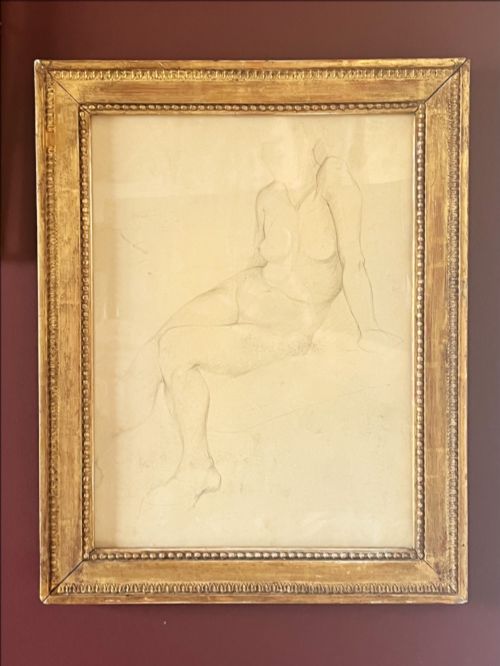
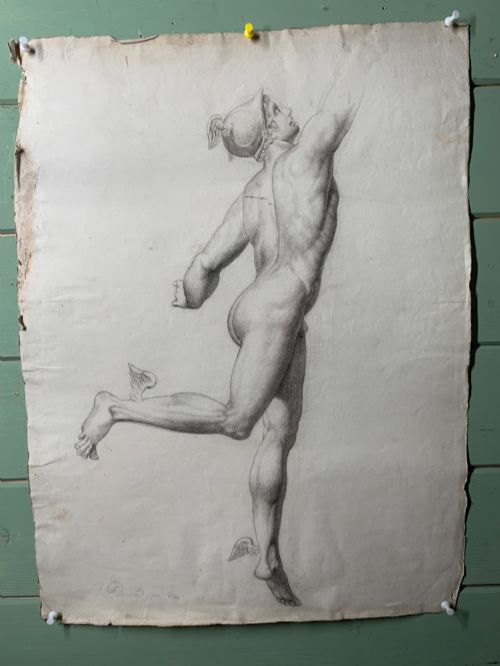
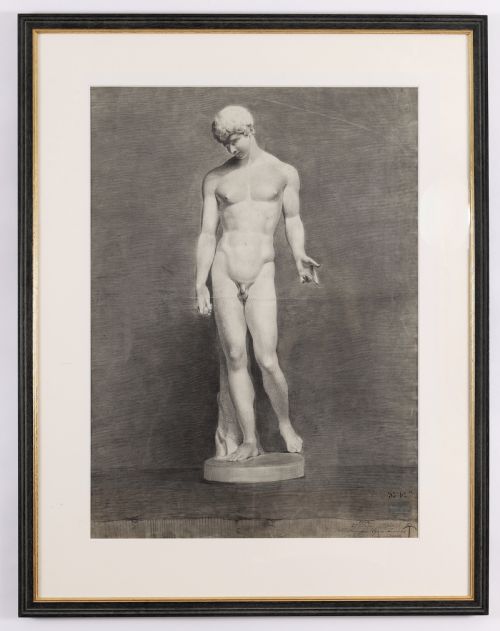
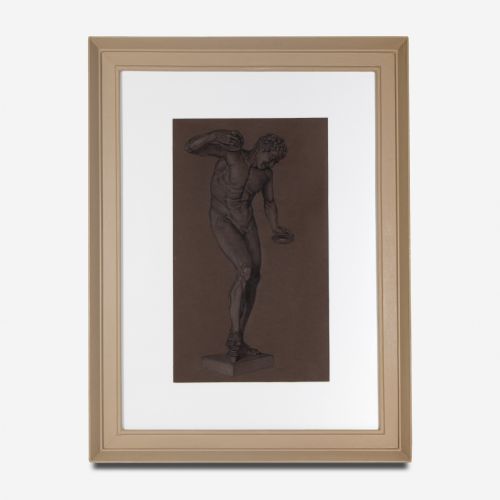
A pencil figure sketch captures the immediacy of human form through graphite and paper, prized by collectors for intimate hand-drawn studies.
Pencil Figure Sketch
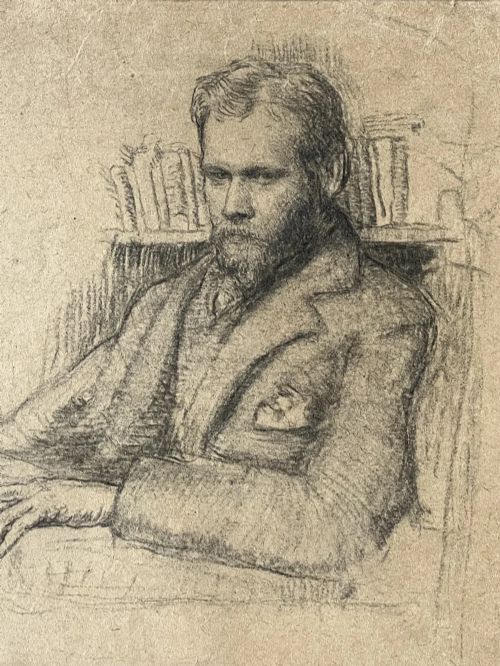
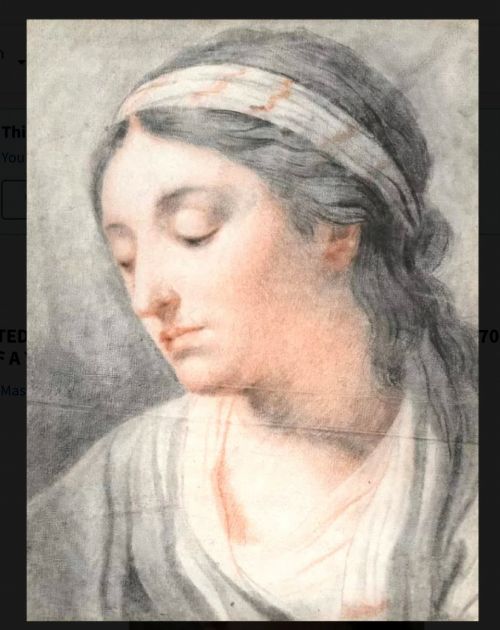
A pencil figure sketch represents a direct exploration of the human body, ranging from rapid life studies to finished portrait compositions. When seeking a pencil figure sketch, buyers encounter works executed on paper spanning from the eighteenth century through the mid-twentieth century.
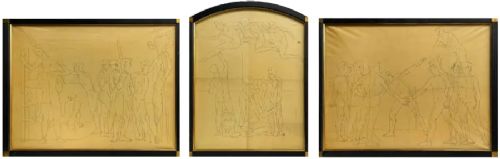
The selections span distinct stylistic movements, including academic realism, neoclassical renderings, and early twentieth-century modernism. These works appear in varied formats such as framed wall art, intimate portraits, and preparatory triptych studies.
Originating from diverse European and international schools, these pieces demonstrate the enduring appeal of graphite and charcoal mediums in capturing gesture and personality. Collectors often find works attributed to notable historical figures alongside anonymous studio drawings.
Materials and techniques
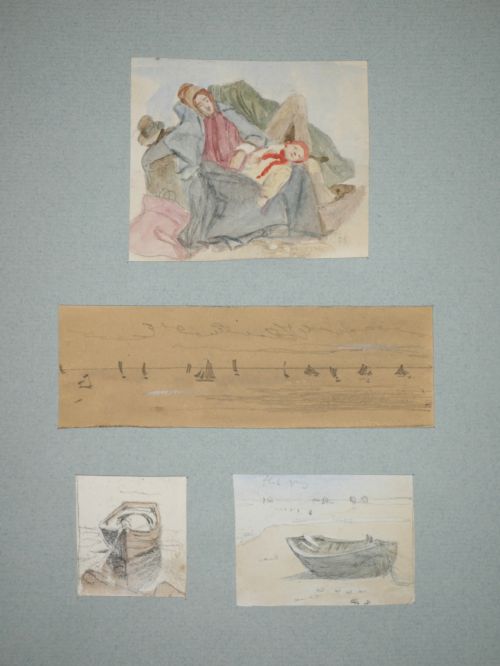
The fundamental construction relies on graphite, charcoal, or chalk applied directly to paper substrates. Artists utilised pencils and occasionally watercolour washes or additional crayons to build tone and depth within the composition.
Execution methods vary from swift preparatory studies intended for larger paintings to meticulous academic drawings of classical figures. Framing in antique wood or gilt surrounds frequently preserves these delicate works on paper.
Listings feature works spanning the eighteenth, nineteenth, and twentieth centuries, executed in graphite, charcoal, chalk, and watercolour on paper.
Evaluating quality and execution
Quality rests upon the sureness of the draughtsmanship and the artist's ability to convey weight, movement, and proportion with economy of line. Superior examples demonstrate confident anatomical understanding rather than hesitant corrections or laboured shading.
The condition of the paper and the integrity of the medium significantly influence the standing of a piece. Works retaining clear provenance, strong provenance records, or direct links to established artistic hands command greater attention from discerning collectors.
James Smetham·Augustus John·James Stroudley·Demetrios Galanis·Faeq Hassan·Francis Dodd·Thomas Sidney Cooper·Thomas Stothard·J M W Turner
The Pencil Figure Sketch Glossary
- Graphite
- A form of carbon used in pencils that provides varying degrees of hardness and softness for shading. Softer grades produce deep dark tones while harder points create fine lines.
- Life drawing
- The act of drawing a human figure from a live model. This practice forms the foundation of academic training and observational art.
- Neoclassical
- An artistic style inspired by the art of classical antiquity. It values austere lines, symmetry, and heroic subject matter.
- Preparatory study
- A preliminary drawing executed by an artist to plan a larger, more complex painting or sculpture. These sketches reveal the internal working method of the creator.
- Deux crayon
- A drawing technique utilising two distinct colours of chalk or pencil on toned paper, typically black and white or red and black, to model form and highlight.
Pencil Figure Sketch: Frequently Asked Questions
What is a pencil figure sketch?
A pencil figure sketch is an original artwork on paper focusing primarily on human anatomy, gesture, or portraiture using graphite or related dry media.
These pieces range from quick preparatory studies by academic artists to finished exhibition drawings from various historical periods.
How do I date a sketch?
Dating relies upon stylistic markers, artist signatures, paper types, and framing methods associated with particular eras like the Georgian or Regency periods.
Archival records, studio stamps, and inscriptions on the reverse of the paper often provide definitive chronological markers.
Where should I hang these?
Works on paper require careful placement away from direct sunlight to prevent the fading of graphite, chalk, and tinted paper supports.
Displaying them in climate-controlled rooms with UV-filtering glass ensures the preservation of delicate mediums over decades of enjoyment.
What styles are common?
Common styles encompass academic realism, neoclassical studies of classical casts, and avant-garde movements like cubism and surrealism.
Each movement reflects the prevailing aesthetic training of its era, from eighteenth-century classical restraint to twentieth-century experimental modernism.