


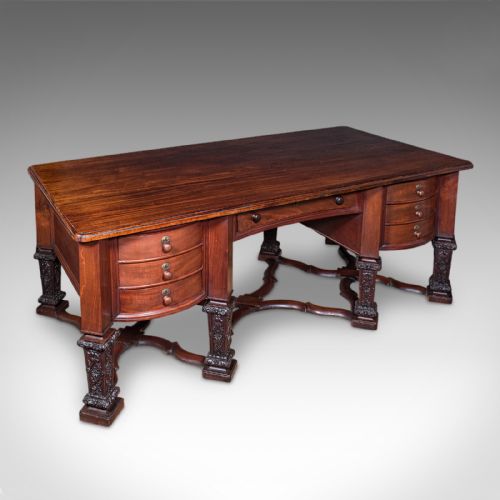
Pedestal Library Desk
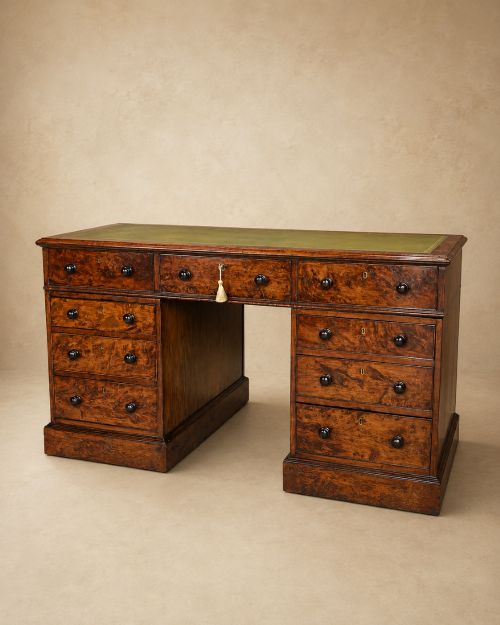
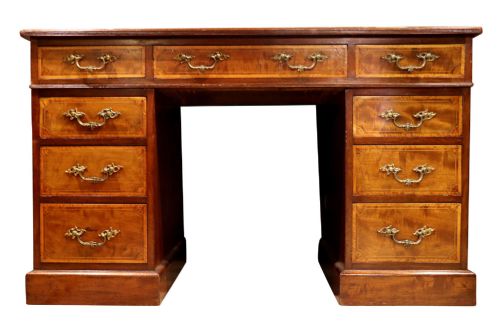
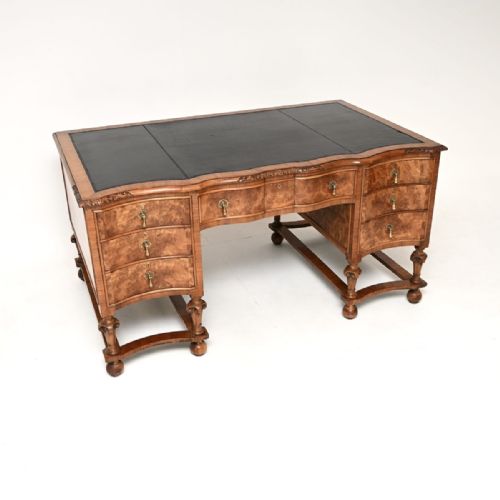
A pedestal library desk anchors a serious room with substantial drawers, a leather writing surface and proper presence.
Pedestal Library Desk
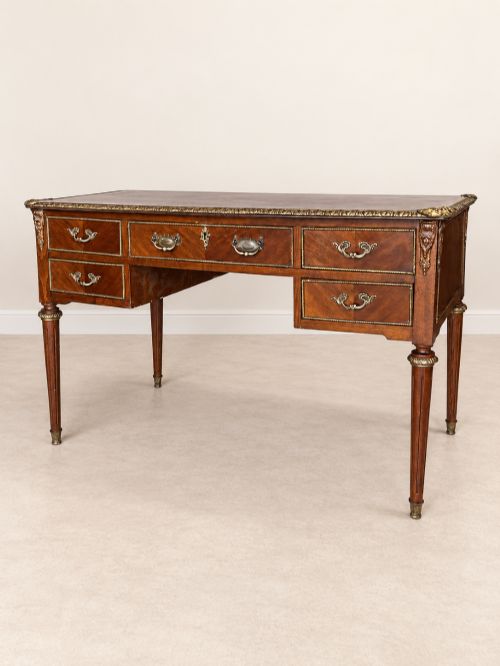
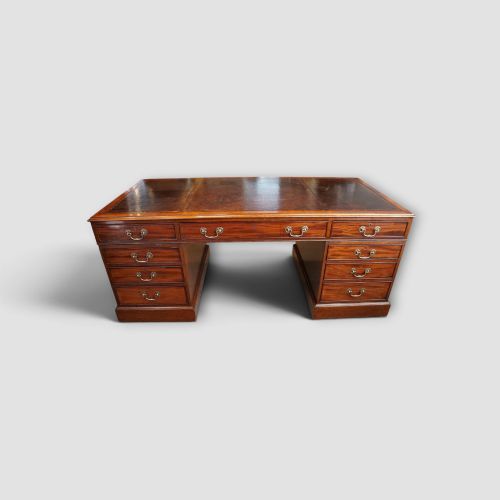
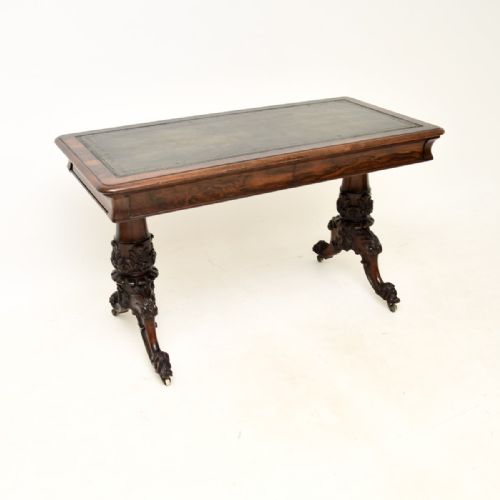
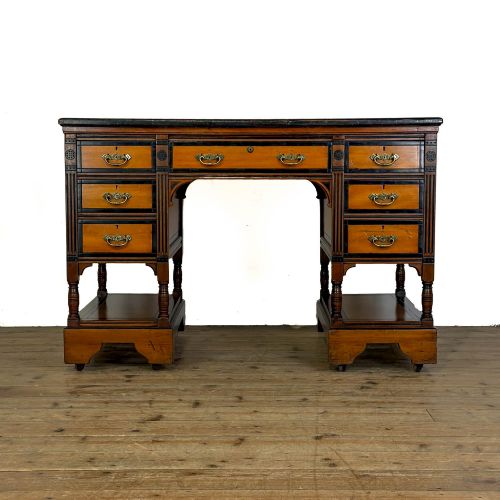
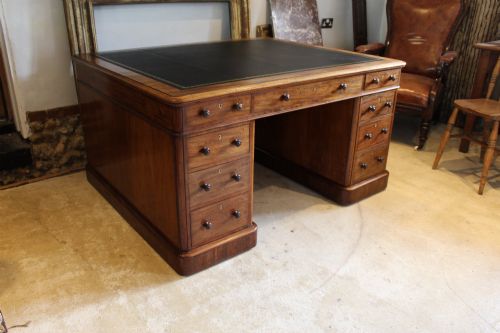
A pedestal library desk provides heavy double-sided functionality or single-sided study storage, appearing primarily in Victorian and Georgian incarnations across this selection. These substantial pieces organise a study with twin pedestals of drawers supporting a wide writing surface, frequently lined with tooled leather.
The materials span deep mahogany, figured burr walnut, rosewood and sturdy oak, often manifesting as partners desks with drawers on both faces. Buyers encounter formal freestanding library tables alongside compartmentalised pedestals designed for professional rooms and private libraries.
Construction and Materials
Cabinetmakers utilised dense timbers including Cuban mahogany, oak and rosewood, applying veneers of burr walnut or satinwood over sound secondary woods. Brass hardware, original or faithfully replaced, secures handles and drawer pulls whilst inset leather surfaces provide the designated writing plane.
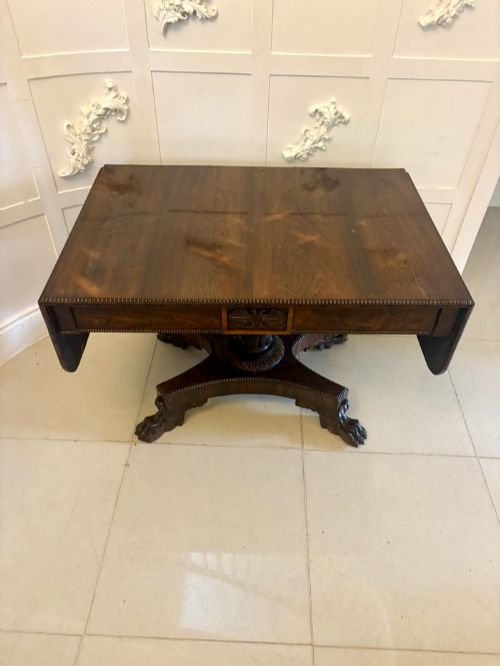
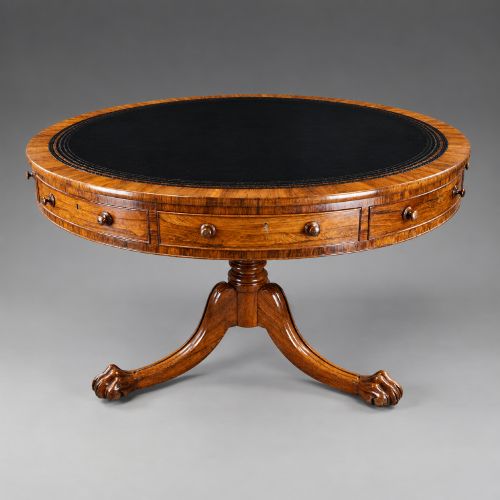
Joinery relied on tight dovetailing for drawer construction and sturdy framing to support heavy loaded pedestals. Carved details such as lions paw feet or reeded columns appear on select Regency and William IV examples, matched with panelled doors and fielded sides on partners variants.
Listings feature pedestal library desks spanning the Georgian, Regency, William IV and Victorian periods, constructed in mahogany, oak, rosewood and walnut.
Judging Quality
Quality rests upon the selection of timber figures, such as flame mahogany or highly figured burr walnut, and the crispness of hand-cut dovetails within the drawer linings. Superior examples maintain original hardware, undisturbed leather surfaces and balanced proportions between the pedestals and top.
Workshop execution dictates the longevity of the piece, visible in the stability of the plinth bases and the precise fitting of multiple drawers. Pieces bearing maker stamps or attributed to notable cabinetmakers demonstrate higher execution in carving and interior secondary woods.
Trollope & sons·Edwards & Roberts·Maple and Co·Charles Andrea Nosotti·Mein of Kelso·Whytock & Reid of Edinburgh·Williams and Gibton·Mercier Frères·Maggs & Co
The Pedestal Library Desk Glossary
- Partners desk
- A large pedestal desk designed with matching drawers and cupboards on both sides to accommodate two users face-to-face. These double-sided pieces frequently feature leather writing inserts.
- Kneehole
- The central recessed space beneath the desk top where a person sits. Wider kneeholes allow comfortable seating.
- Drum table
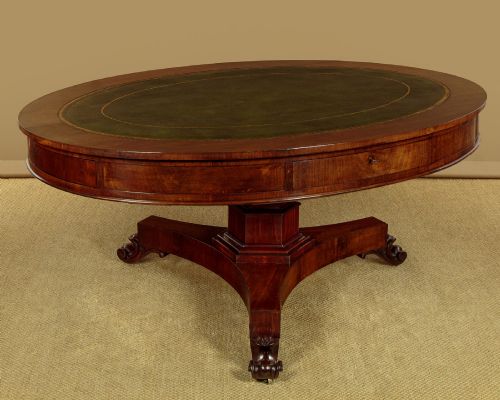
- A round library table with a rotating or stationary top surrounded by frieze drawers. These pieces often stand on a central pillar with branching feet.
- Frieze
- The horizontal band beneath the top edge of a desk or table that commonly houses shallow drawers. It often displays inlay or carving.
- Pedestal
- The upright supporting column or cupboard unit that holds banks of drawers. Two pedestals support the main writing surface.
Pedestal Library Desk: Frequently Asked Questions
How do I care for the leather top?
Leather writing surfaces require gentle dusting and occasional neutral wax treatment to prevent drying and cracking.
Avoid using harsh chemical cleaners or excess moisture on the leather or the surrounding timber frame.
Are these desks suitable for modern computers?
Many pedestal desks offer ample surface area and deep drawers to accommodate modern equipment while preserving traditional aesthetics.
Measuring the kneehole clearance ensures comfortable daily seating for office work.
How do I distinguish Regency from Victorian examples?
Regency desks typically display cleaner classical lines, rosewood or mahogany veneers, and delicate brass mounts influenced by ancient forms.
Victorian pieces lean toward heavier proportions, darker woods, carved oak details and more elaborate panel work.