



Pedestal Chest Drawers
These pedestal chest drawers bring compact storage and architectural presence to a room, ranging from Georgian mahogany proportions to Victorian bedside forms.
Pedestal Chest Drawers
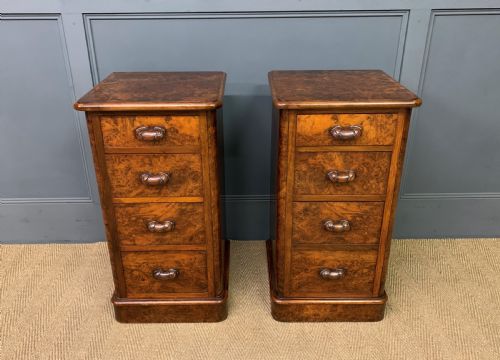
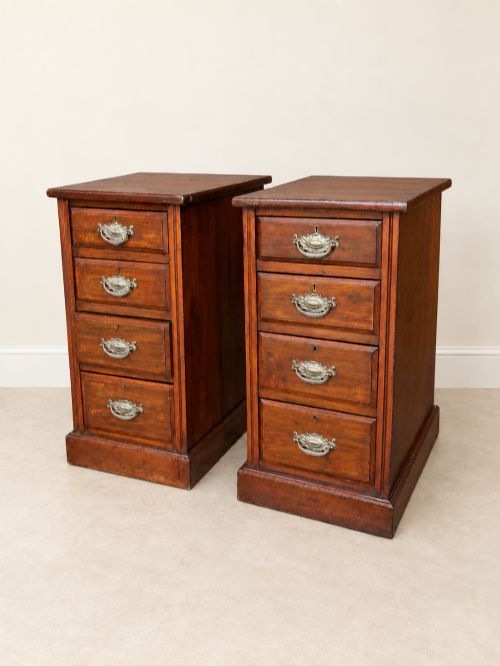
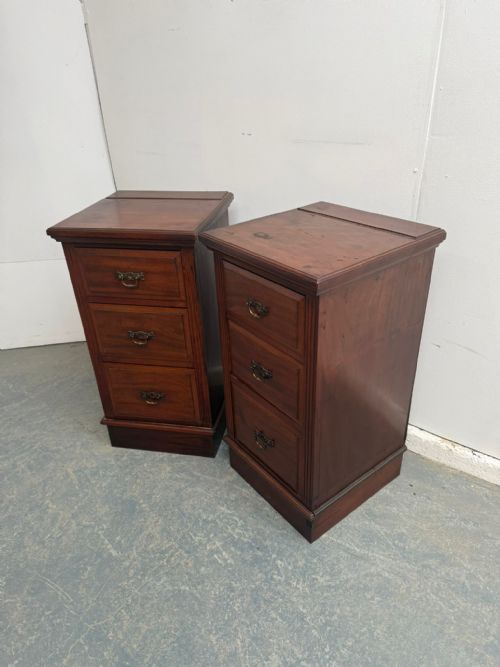
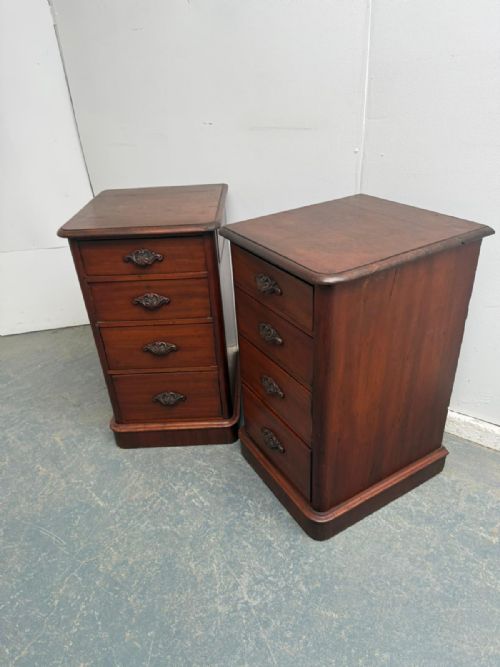
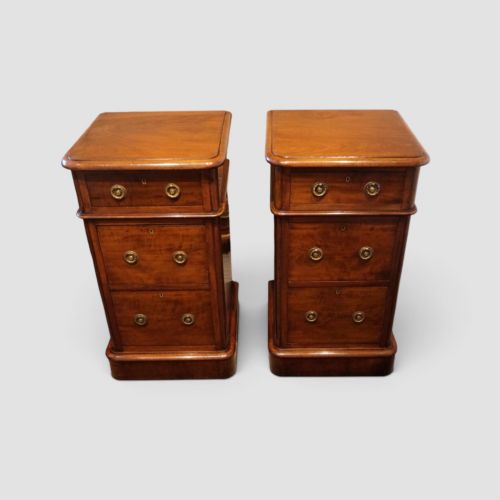
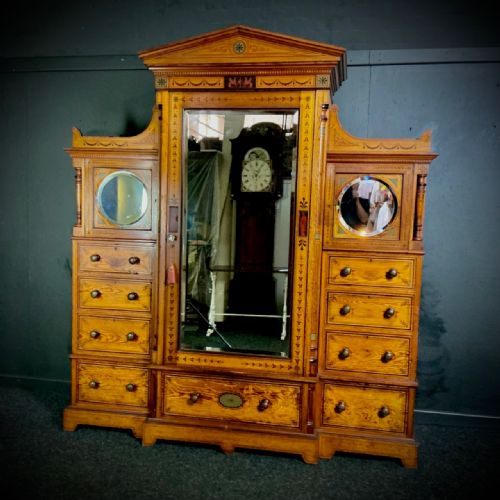
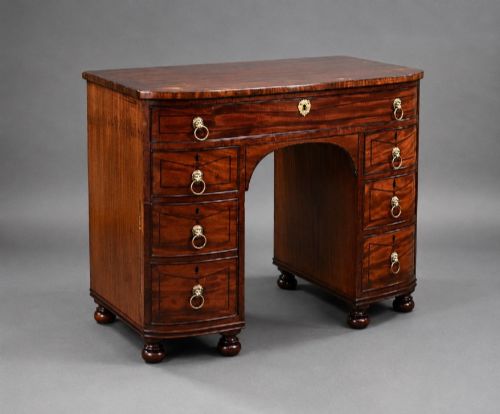
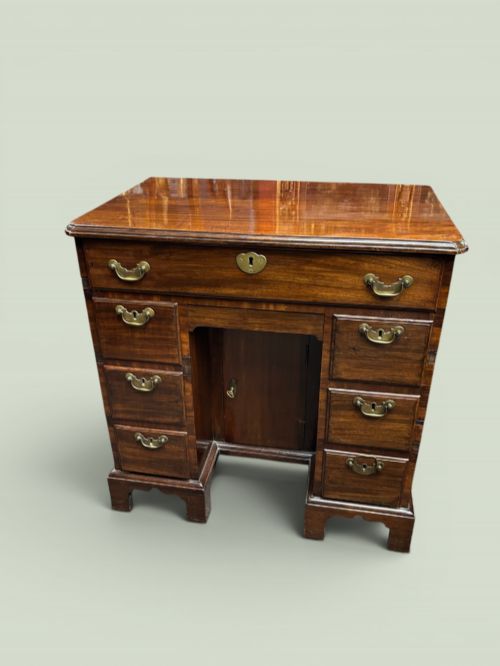
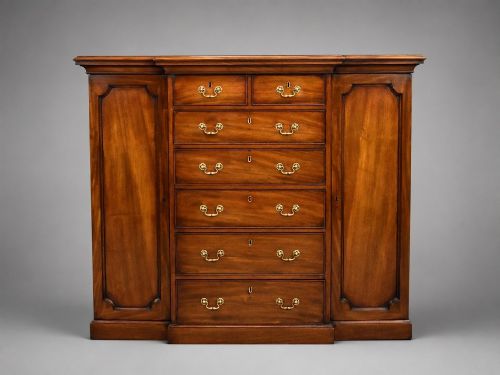
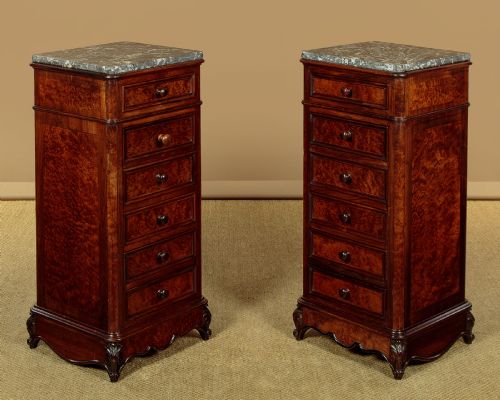
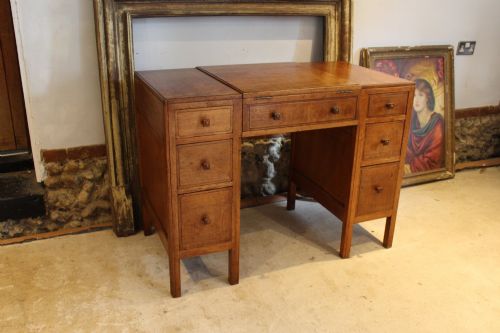
When you search for pedestal chest drawers, you encounter a specialised form of case furniture designed to maximise vertical storage within a compact footprint. These pieces range from narrow bedside chests and nightstands to taller gentleman's dressing chests, kneehole desks, and multi-drawer filing cabinets.
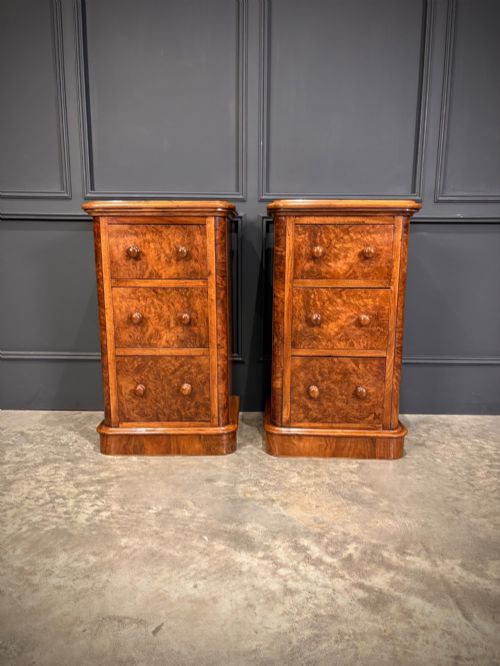
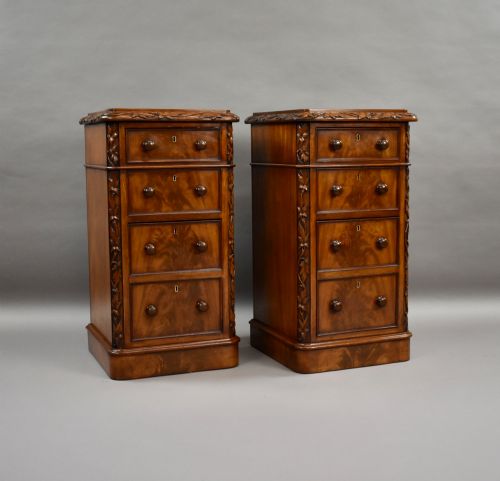
The selections span Georgian, Regency, Victorian, Edwardian, and Art Deco periods, drawing heavily on nineteenth-century craftsmanship. You frequently meet matched pairs of bedside cabinets alongside single tall pedestal chests and military campaign variations.
Originating predominantly from British workshops, these items serve functional roles beside a bed or within a study. Their distinct columnar structure separates them from standard chest of drawers designs by emphasising height and narrow drawer configurations.
Materials and Construction
Cabinet makers utilised dense hardwoods such as mahogany, walnut, oak, and rosewood, often pairing them with secondary pine carcases and drawer linings. Finer examples incorporate decorative veneers like burr walnut, satinwood, amboyna, and satin birch to create figured surface patterns.
Construction techniques rely on dovetailed drawer joints and solid timber panels designed to accommodate wood movement over centuries. Hardware elements including brass drop handles, escutcheons, and occasional locking mechanisms provide both utility and structural accent.
Pedestal Chest Drawers Retail Price Guide 2026
Typical asking prices for pedestal chest drawers among the pieces listed under this phrase on Sellingantiques today, from the lower quarter to the upper quarter. They describe what is for sale here now, not the wider market.
Periods represented across the inventory span from 18th-century Georgian designs through Victorian and Edwardian iterations up to 1930s Art Deco.
Evaluating Craftsmanship
The distinction between ordinary and superior pedestal chest drawers lies in the selection of timber figures and the precision of the joinery. Cabinet makers who invested time in book-matching burr veneers or executing tight dovetails produced pieces that retain structural integrity and visual depth.
Proportion and hardware integration also dictate the standing of a piece. Original brass handles, clean interior drawer construction, and balanced proportions separate utilitarian storage from exemplary cabinet work.
Heal And Sons·Maple
The Pedestal Chest Drawers Glossary
- Pedestal chest drawers
- A vertical case piece featuring one or more stacks of drawers arranged in a columnar format. These units provide substantial drawer capacity without occupying a wide floor area.
- Wellington chest
- A tall, narrow chest of drawers secured by a hinged locking stile on one side. This locking bar fastens over the drawer edges to secure the entire stack.
- Kneehole desk
- A writing table or pedestal desk featuring a central recess for the user's legs, flanked by pedestals of small drawers. This form became popular during the walnut and mahogany periods.
- Campaign chest
- Portable furniture made in sections with brass corners and recessed carrying handles designed for military travel. These pieces separate into modular boxes for transport.
Pedestal Chest Drawers: Frequently Asked Questions
What rooms suit pedestal chest drawers?
These pieces function primarily as bedside tables, nightstands, or compact storage in smaller bedrooms and studies. Their narrow footprint allows them to fit into tight alcoves where standard chests cannot go.
Taller varieties and kneehole desks also serve as dressing surfaces or secondary filing solutions in libraries and reception rooms.
How do I identify a Victorian pedestal chest?
Victorian examples typically display darker mahogany or walnut timbers, often featuring turned wooden knobs or heavy brass drop handles. The construction uses machine-sawn secondary woods alongside hand-cut dovetails.
Many listings from this era include bedside lockers, pot cupboards, and Wellington chests with locking stiles.
Are these drawers suitable for daily use?
Solid hardwood construction and traditional joinery make these chests robust enough for everyday storage of clothing, books, or papers. Waxed finishes and polished wood surfaces require simple dusting and occasional wax nourishment.
Original drawer runners operate smoothly when maintained, though historical timber movement can occasionally require professional adjustment.
What is the difference between a nightstand and a pedestal chest?
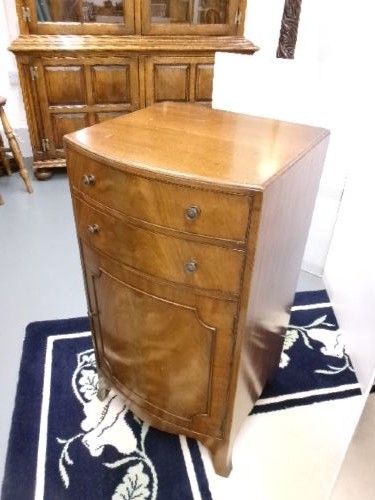
Nightstands generally sit lower and are designed specifically for bedside use, often incorporating a single cupboard door above or beside smaller drawers. Pedestal chests emphasise a vertical stack of multiple graduated drawers.
Both share the narrow columnar proportion that defines this category of furniture.