
Pearl and Diamond Jewellery
Pearl and diamond jewellery brings together lustrous organic spheres and brilliant stones in rings, necklaces, and brooches spanning the Victorian era to the mid-twentieth century.
Pearl and Diamond Jewellery
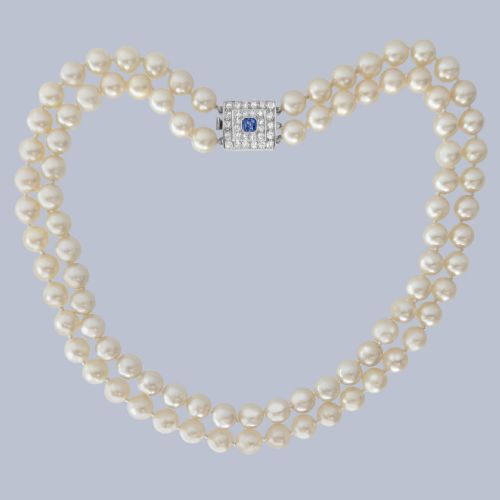
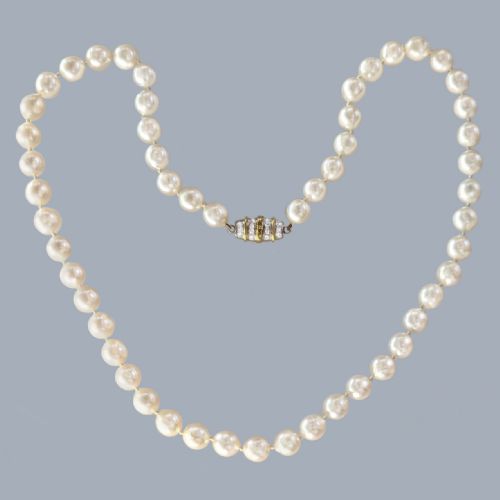
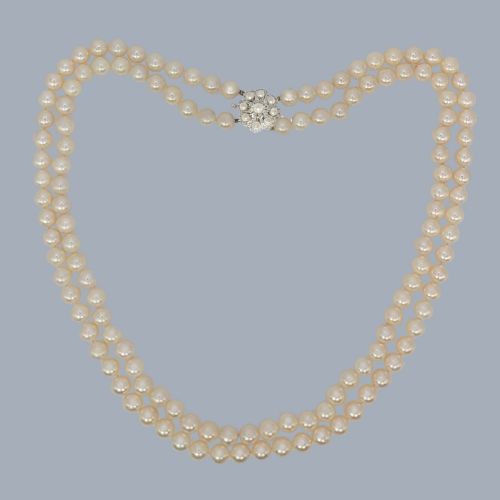
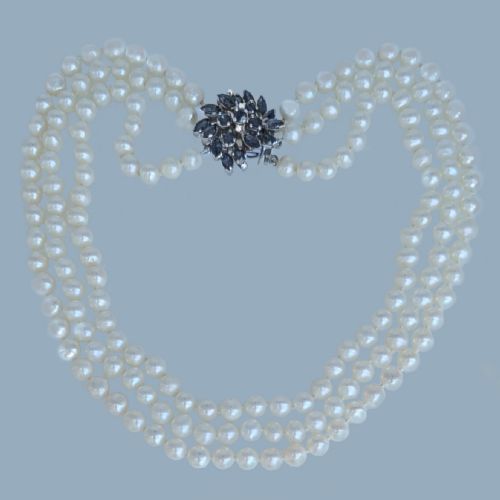
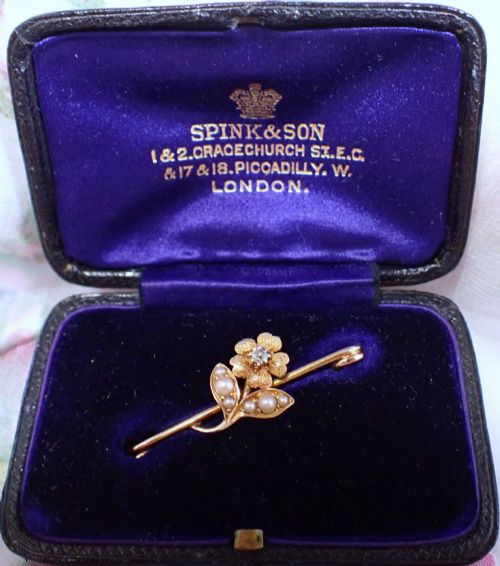
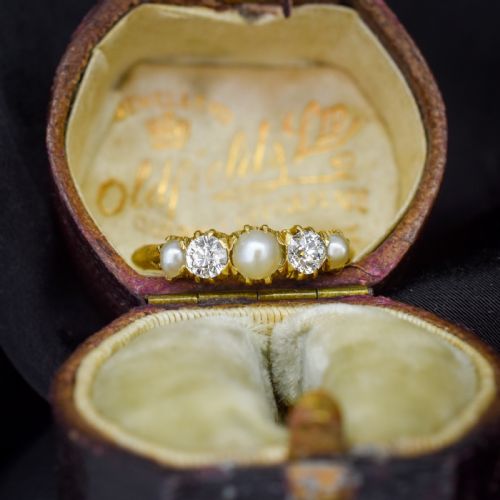
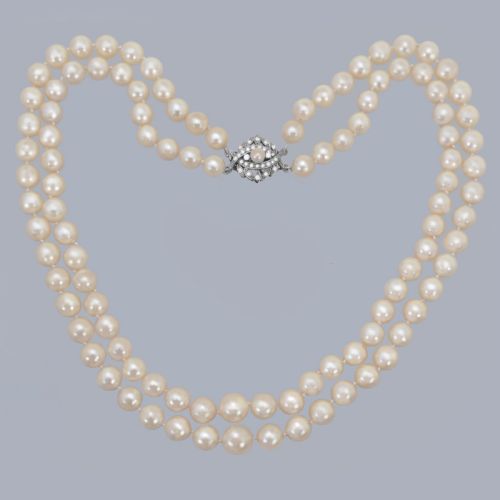
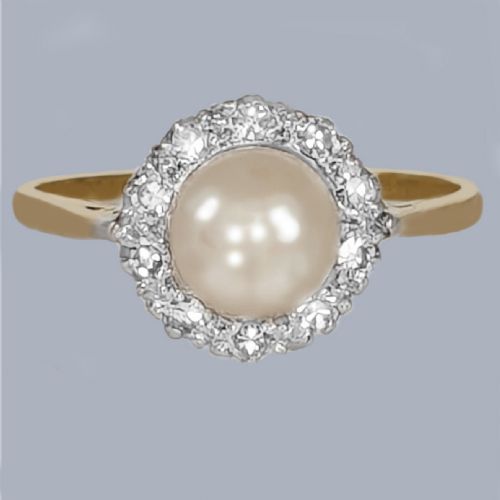
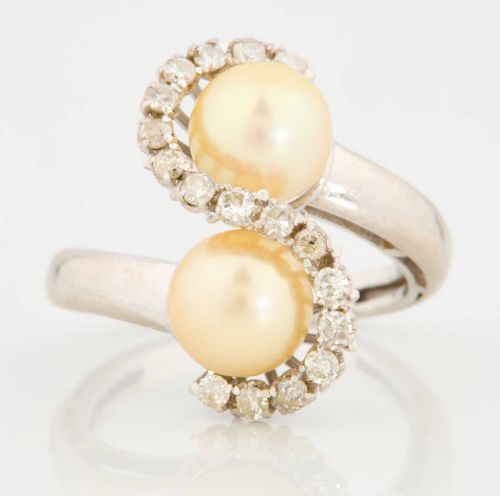
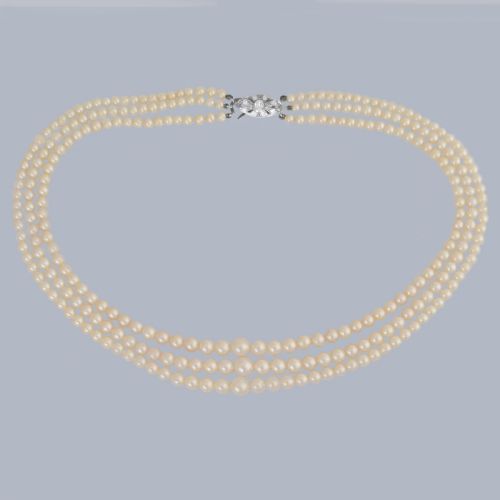
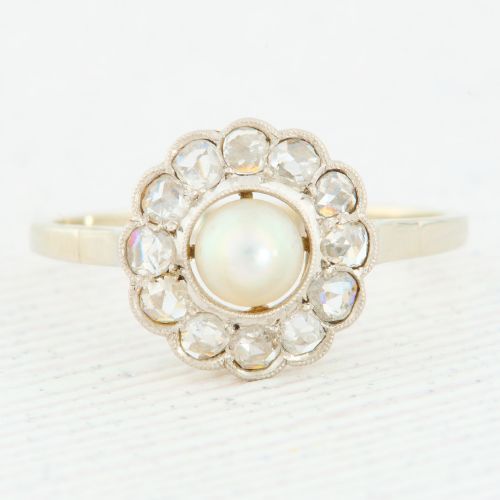
Pearl and diamond jewellery encompasses a diverse array of ornamental pieces designed to showcase the contrast between soft nacre and sparkling precious stones. Buyers browsing this page frequently encounter multi-strand necklaces featuring diamond-set clasps, alongside cluster rings and detailed floral brooches.
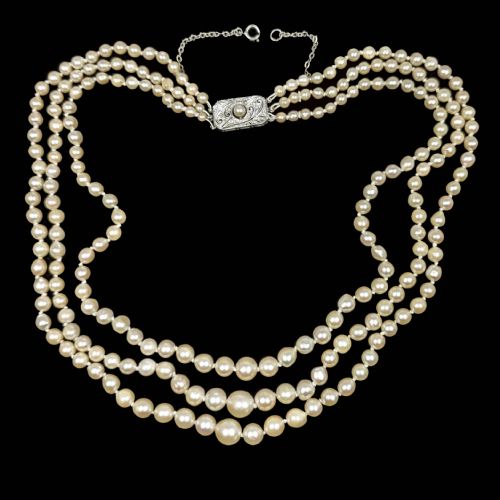
The selection spans numerous decades, capturing the distinct aesthetic shifts from nineteenth-century romanticism through Edwardian grace to mid-century modernism. Necklaces often dominate the offerings, appearing as single, double, or triple strands paired with white gold, yellow gold, or platinum mountings.
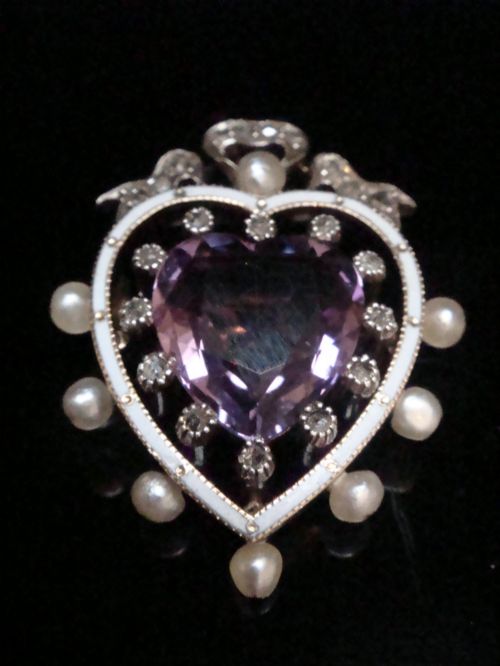
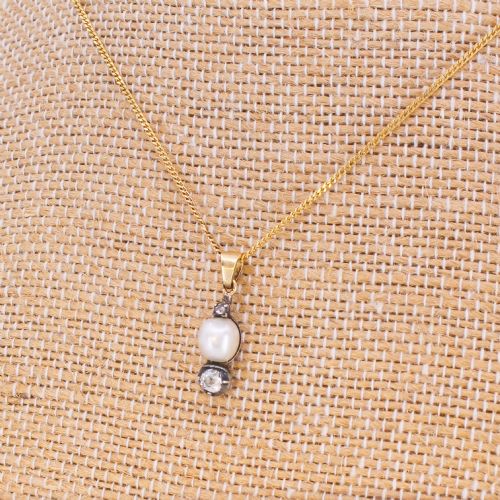
Configuration types range from delicate drop earrings and cocktail rings to substantial pendants incorporating sapphires or emeralds alongside the primary gems. Each piece demonstrates how jewellers across different generations integrated organic marine elements with faceted stones.
Materials and construction methods
Goldsmiths and platinum-smiths utilised precious metals including 18ct yellow gold, 18ct white gold, silver, and platinum to fabricate secure settings for both pearls and diamonds. Metal selection frequently dictated the visual tone of an item, with platinum and white gold prevailing in Edwardian and Art Deco creations.
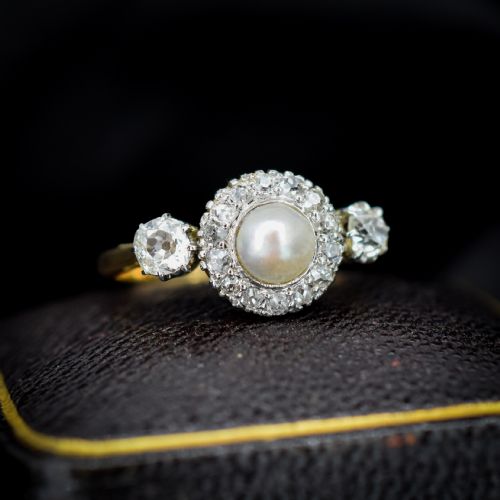
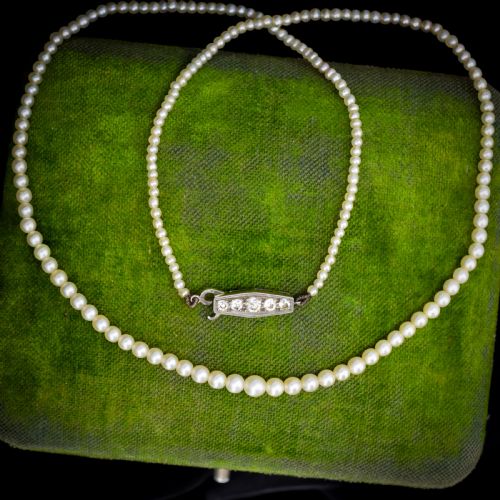
The integration of pearls required careful stringing techniques, often involving individual knotting between spheres, or setting them into solid bezels and claw mounts within cluster rings and brooches. Old-cut and rose-cut diamonds were hand-set into these frames, accompanied occasionally by guilloche enamel or coloured gemstones like sapphires and emeralds.
Factors determining quality
Quality in these items rests upon the natural lustre and uniform matching of the pearls, alongside the clarity, cut, and brilliance of the accompanying diamonds. Superior examples display harmonious proportions between the central gems and the supporting metalwork.
The integrity of the construction, evident in secure settings, crisp claw work, and the original condition of enamel or delicate filigree, separates exceptional survivals from standard pieces. Furthermore, certified natural pearls command distinct consideration compared to cultured variants.
The Pearl and Diamond Jewellery Glossary
- Guilloche enamel
- A decorative technique involving precise engine-turned engraving beneath a translucent layer of coloured enamel. It appears frequently on Edwardian pendants and compacts.
- Old-cut diamond
- A hand-faceted diamond shape characteristic of older jewellery, featuring a smaller table, higher crown, and open culet. These stones produce a softer, candlelit sparkle.
- Rose-cut diamond
- A diamond cut with a flat base and a domed crown composed of triangular facets. This style resembles an unopened rosebud.
- Cluster ring
- A ring design featuring a central stone encircled by a border of smaller gems. In this category, a pearl or diamond usually occupies the focal position.
- Blister pearl
- An organic pearl that forms attached to the inner shell of an oyster rather than within the tissue. This produces a domed shape with a flat reverse.
Pearl and Diamond Jewellery: Frequently Asked Questions
How should I clean pearl jewellery?
Pearls possess a soft organic nacre that requires gentle maintenance using a soft, damp cloth after wearing. Avoid harsh chemical cleaners, ultrasonic baths, and prolonged immersion in water.
Store necklaces flat to prevent stretching the silk thread, and keep them separate from harder gemstones that might scratch the surface.
Are these pearls natural or cultured?
The inventory contains a mixture of natural saltwater pearls and cultured varieties, depending on the manufacturing period. Edwardian and earlier pieces more commonly feature natural gems, while mid-century items frequently incorporate cultured pearls.
Laboratory certificates provided with specific listings often detail the origin and formation method of the pearls.
How do I date an Edwardian piece?
Edwardian items, produced during the reign of King Edward VII, typically utilise platinum paired with yellow gold to create light, lace-like platinum settings. Motifs often include garlands, ribbons, and floral clusters.
The combination of millegrain edging and old-cut diamonds serves as another reliable indicator of this period.
Can antique pearl necklaces be restrung?
Many vintage and antique necklaces are professionally restrung to ensure structural security during regular wear. Restringing often incorporates modern silk or synthetic thread while retaining the original clasp.
Listings frequently note whether a necklace has been recently restrung for buyer peace of mind.