


White Gold Pearl Clasp
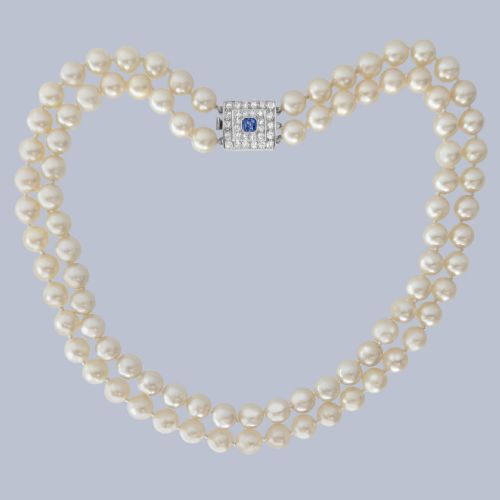
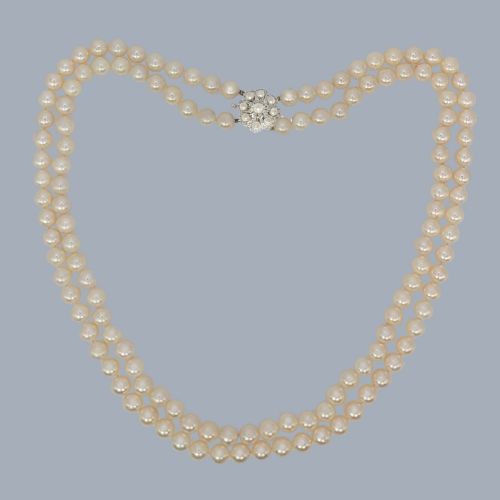
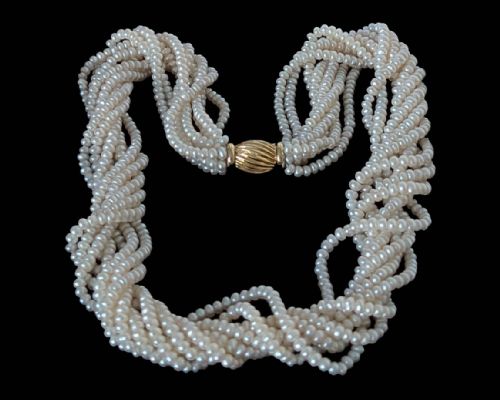
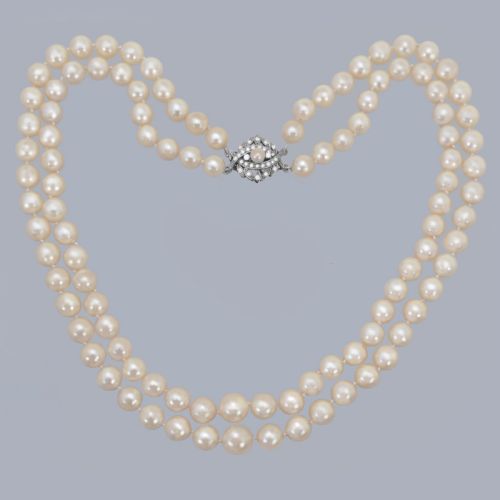
When securing a white gold pearl clasp, you are choosing the functional centrepiece of a multi-strand necklace where precious metal and diamonds meet lustrous nacre.
White Gold Pearl Clasp
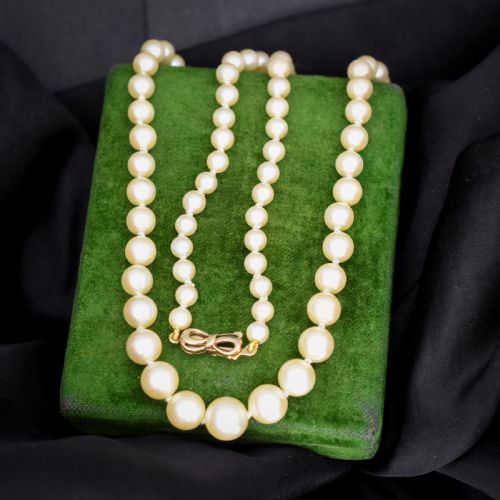
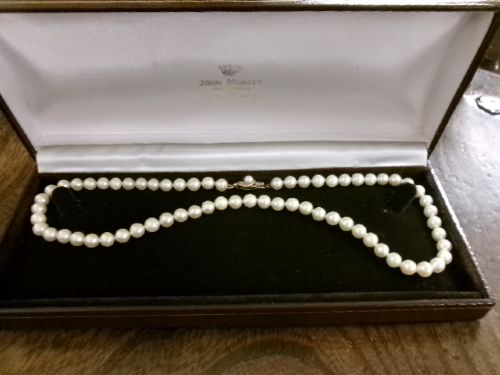
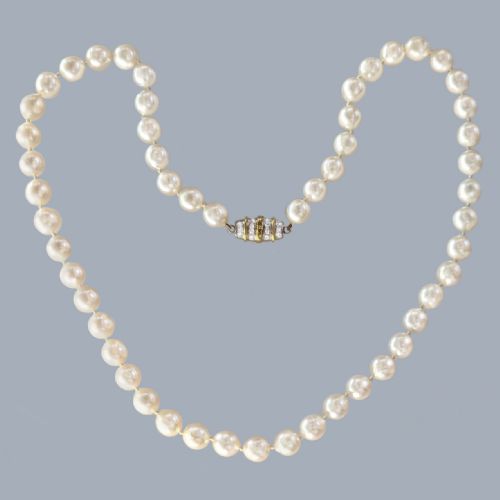
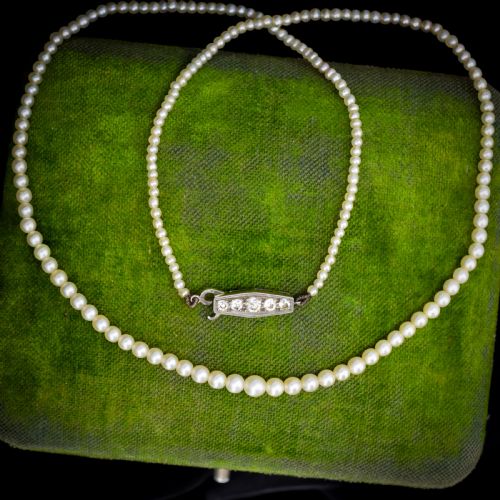
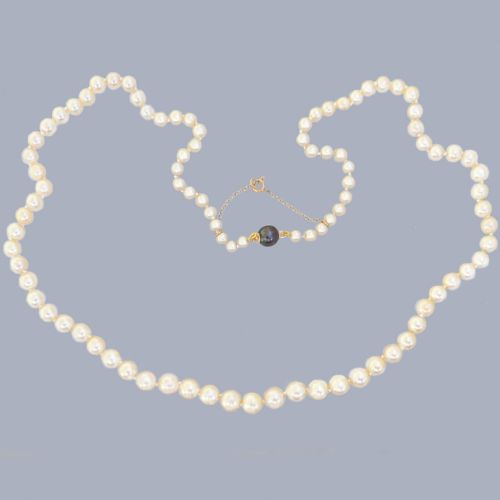
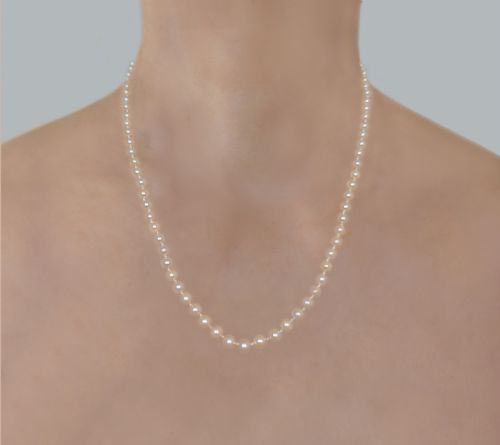
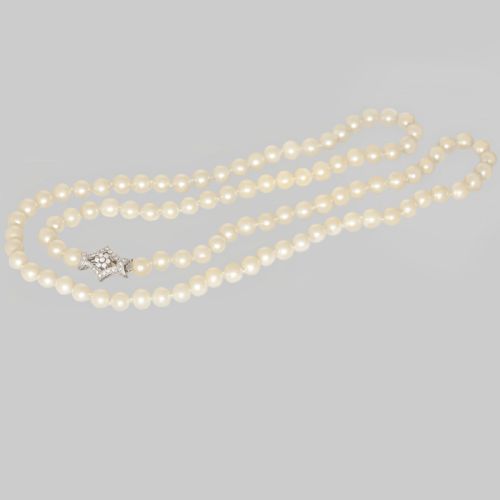
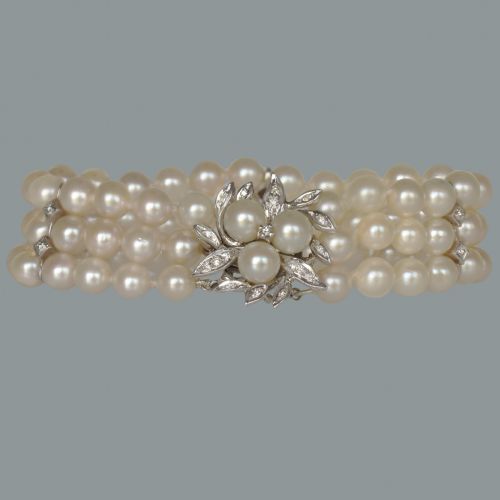
A white gold pearl clasp sits securely at the fastening point of necklaces and bracelets, bringing together cultured or natural pearls with durable gold alloy. These fasteners appear frequently on multi-strand configurations dating from the Edwardian era through the mid-century decades.
Originating largely from British, French, and Italian workshops, these items combine traditional hand-knotting techniques with secure box or barrel closures. The combination of white gold provides a neutral, reflective backdrop that enhances the silvery overtone of the pearls.
Materials and Construction
The construction relies on 9ct, 14ct, and 18ct white gold alloys cast or milled to form secure tongue-in-groove box clasps, safety chains, and decorative mountings. These mountings are meticulously hand-set with diamonds, sapphires, or emeralds using grain and bezel techniques appropriate to the period.
Pearls are strung on silk or synthetic cord, traditionally hand-knotted between each bead to prevent loss if the strand breaks and to protect the nacre from friction. Clasps integrate seamlessly into this stringing architecture, often incorporating hidden safety catches for added security during wear.
Several clasps double as floral gardens in miniature, transforming functional box locks into diamond daisies and sapphire leaves.
Quality Variations
Quality differentiates itself through the uniformity, lustre, and orient of the pearls paired with the metal, alongside the complexity of the goldsmith's work on the clasp itself. Higher-tier examples feature well-matched cultured or natural saltwater pearls with thick nacre and minimal surface blemishes.
The artistry of the clasp metalwork separates standard production from finer pieces, evident in crisp die-stamping or hand-engraving, secure hinge mechanics, and the quality of gemstone matching. Hallmarks, maker marks, and independent gemological certificates also contribute to the distinction of superior pieces.
Cropp and Farr·Unoaerre
The White Gold Pearl Clasp Glossary
- Cultured Pearl
- Pearls formed with human intervention by inserting a nucleus into an oyster or mollusc. They dominate the mid-century selections on this page.
- Natural Saltwater Pearl
- Pearls formed entirely without human intervention in marine environments. These appear in earlier Victorian and Edwardian pieces.
- Box Clasp
- A secure fastening mechanism where a patterned metal tongue pushes into a hollow box until a spring click engages. It is standard for white gold pearl jewellery.
- Hand-Knotted
- The method of tying individual knots between each pearl on the silk thread. This prevents pearls from rubbing together or scattering if the strand breaks.
- Old Cut Diamond
- A diamond cut popular before modern brilliant faceting, typically featuring a small table and high crown. These stones appear frequently in Art Deco clasps.
White Gold Pearl Clasp: Frequently Asked Questions
How do I secure a white gold pearl clasp?
Most white gold pearl fastenings utilise a box mechanism where a curved metal tongue clicks securely into a housing channel, often supplemented by a side safety figure-of-eight catch. Ensuring the tongue clicks firmly into place prevents accidental detachment during wear.
For added security on multi-strand necklaces, many period clasps include a secondary safety chain attached to the final bars. Regular checking of the spring tension by a jeweller maintains the reliability of the mechanism.
How should I clean my pearl necklace?
Clean pearls by wiping them gently with a soft, damp cloth after wearing to remove oils and cosmetics. Avoid submerging silk-strung necklaces in water, as moisture weakens the internal thread and knot integrity.
Harsh chemical dips, ultrasonic cleaners, and abrasive cloths will damage both the pearl nacre and the white gold plating or metal. Store the piece flat in a lined box to prevent scratching against other jewellery.
Are these pearls natural or cultured?
The listings include both cultured pearls, which became widely available from the early twentieth century onward, and rarer natural saltwater specimens found in older Victorian and Edwardian pieces. Gemological certificates accompanying certain items verify the origin and whether treatments have occurred.
Cultured pearls display consistent nacre thickness and matching, while antique natural pearls often show slight variations in shape and surface character. Examining the drill holes and interior lustre under magnification helps identify the pearl type.
How do I date a white gold clasp?
Dating relies on official metal hallmarks, maker stamps, and the prevailing design style of the clasp mounting and pearl arrangement. Art Deco pieces display geometric diamond settings from the 1920s and 1930s, while later mid-century items feature floral, daisy, or abstract cluster motifs.
Assay office marks and date letters stamped onto the white gold components provide precise years of manufacture for British-hallmarked pieces. Comparing the stringing style and accompanying documentation further confirms the production era.