


Saltwater Pearl Necklace
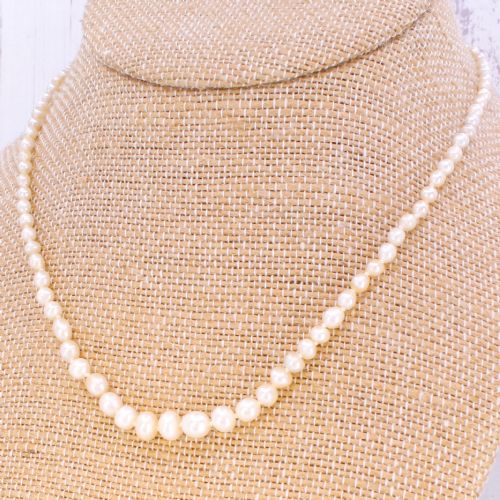
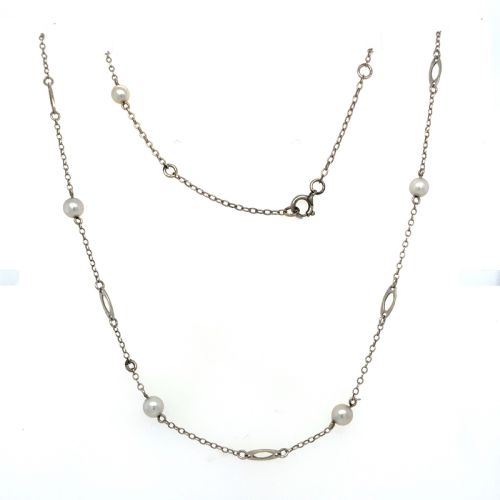
These saltwater pearl necklace examples range from Georgian and Edwardian strands to mid-century designs set in platinum and gold.
Saltwater Pearl Necklace
A saltwater pearl necklace brings together organic gems formed in marine oysters, arranged as single strands, ropes, multi-strand layers or drop pendants. Buyers examining this category encounter pieces spanning the Georgian, Victorian, Edwardian, Art Deco and mid-century eras, reflecting shifts in taste over centuries.
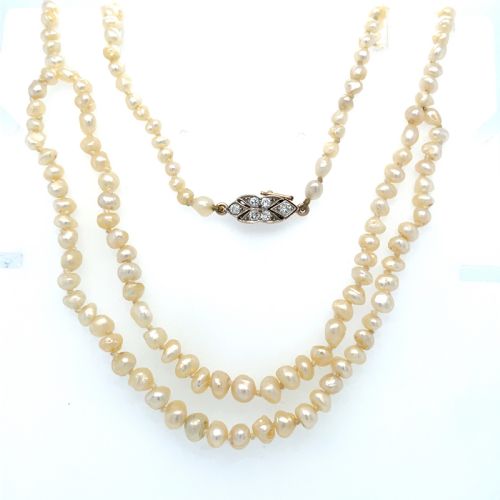
The most frequent finds on this page date from the Edwardian period, often featuring platinum or white gold settings combined with delicate diamond clasps. Longer opera lengths and multi-strand configurations also appear, frequently accompanied by certification verifying natural or cultured saltwater origins.
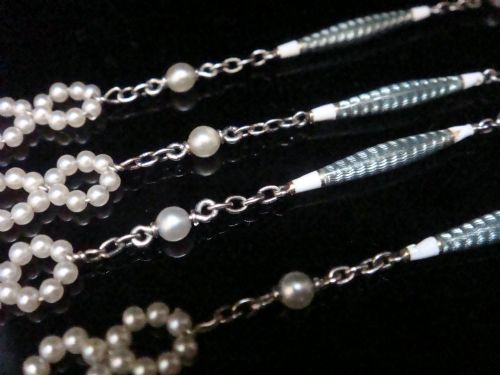
Beyond simple strands, the inventory includes pendants combining pearls with diamonds, rubies, opals and enamel. These varied formats demonstrate how jewellers across different eras chose to mount marine pearls for evening wear or formal attire.
How They Were Made
Maker construction relies on durable stringing materials such as silk to thread each pearl individually, securing them with knots between beads to prevent friction loss. Clasps are forged from platinum, yellow gold, white gold or silver, often integrating pavé or claw-set diamonds.
Metalwork techniques visible across these listings include intricate Edwardian platinum piercing, enamel detailing and secure box clasps or barrel fastenings. Gemstones like diamonds, rubies and opals are integrated into clasps or drop pendants using period-appropriate bezel and prong settings.
The listings on this site span materials including platinum, gold, silk, diamonds, rubies, opals and natural saltwater pearls across multiple historic periods.
What Varies in Quality
Quality differences rest primarily on whether the pearls are natural or cultured, uniformity of size, lustre and the complexity of the accompanying precious metalwork. Natural saltwater pearls carrying independent certification command greater interest than later cultured alternatives.
Clasp craftsmanship also dictates overall merit, moving from simple gold spring rings to platinum mountings set with substantial old-cut diamonds. The presence of original silk stringing, maker reports and balanced pearl gradation further distinguishes fine examples.
The Saltwater Pearl Necklace Glossary
- Saltwater Pearl
- Organic gems harvested from marine pearl oysters found in oceans and seas. Their dense nacre and deep lustre separate them from freshwater varieties.
- Natural Pearl
- Pearls formed organically within molluscs without human intervention in the nucleus insertion process. These are highly sought after by collectors.
- Cultured Pearl
- Pearls grown through the deliberate introduction of a nucleus into the oyster by humans. They dominate twentieth-century production.
- Platinum
- A dense, silvery-white precious metal prized for its strength and fine working qualities. Edwardian jewellers used it extensively for delicate filigree and stone settings.
- Opera Length
- A long necklace format measuring around twenty-eight inches or more. It is designed to hang below the bust line for formal wear.
- Clasp
- The mechanical fastening device securing the necklace ends, often fashioned as an ornamental feature set with diamonds and gold.
Saltwater Pearl Necklace: Frequently Asked Questions
How do I care for my saltwater pearl necklace?
Store your pearls flat in a soft pouch away from other jewellery to prevent scratching. Put them on after applying perfumes and cosmetics, and wipe them gently with a damp cloth after wearing.
Silk thread stretches over time, so have your necklace re-strung periodically by a specialist. Avoid submerging antique settings in harsh chemical cleaning solutions.
What is the difference between natural and cultured pearls?
Natural pearls form entirely by chance when an irritant enters a marine oyster in the wild. Cultured pearls involve human intervention where a bead nucleus is inserted to encourage nacre secretion.
Both types appear in historic jewellery, with natural specimens commanding particular attention from collectors and gemmological laboratories.
How can I date my Edwardian pearl necklace?
Examine the metal alloys and mounting styles characteristic of the period between nineteen hundred and nineteen ten. Edwardian pieces frequently utilise platinum-topped gold, millegrain edges and delicate lace-like piercing.
Clasps often feature old-cut diamonds and box fastenings typical of early twentieth-century workshop practices. Independent certification can also help confirm the era of production.
Can I wear my pearl necklace every day?
Pearls are softer than diamonds and precious metals, measuring lower on the Mohs hardness scale. Daily wear is possible provided you take precautions against knocks, abrasions and chemical exposure.
Many owners reserve antique and multi-strand pieces for special occasions to preserve the integrity of the silk thread and delicate metal clasps.