


Classic Pearl Strand
A classic pearl strand offers a traditional look, combining cultured or natural pearls with gold clasps across twentieth-century designs.
Classic Pearl Strand
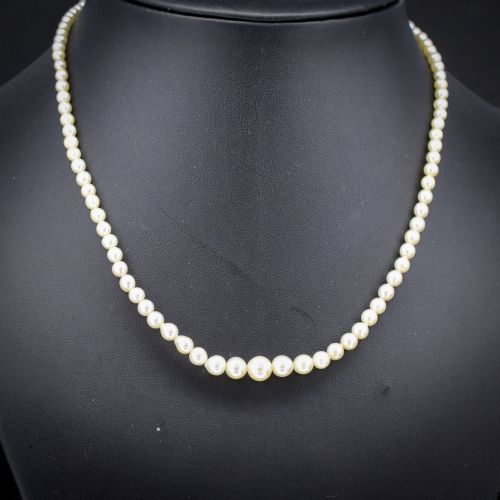
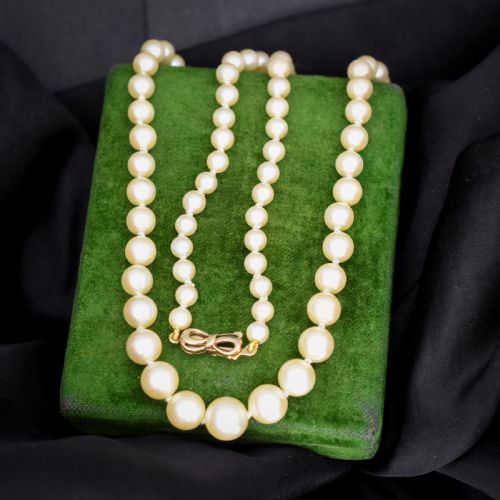
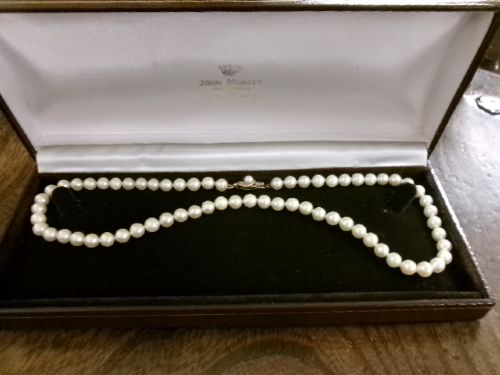
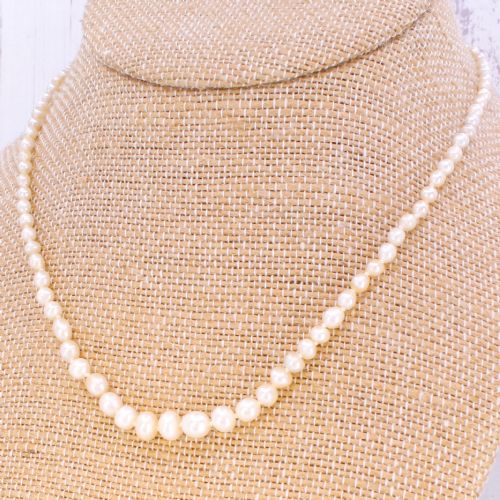
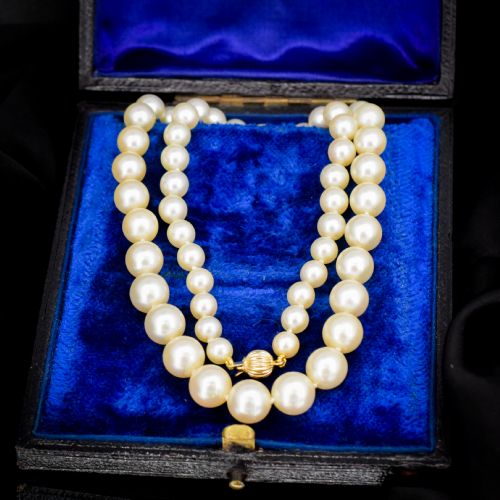
A classic pearl strand typically appears as a single or double line of beads, often featuring graduated pearls strung to a specific length. These necklaces frequently date from the mid-twentieth century, including pieces from the nineteen-fifties and nineteen-sixties alongside Edwardian and Art Deco examples.
Materials and construction
Construction relies heavily on durable silk thread to string the beads individually, a technique often described as hand-knotted to secure each pearl. Pearls themselves appear as cultured varieties, natural saltwater pearls, or large freshwater pearls.
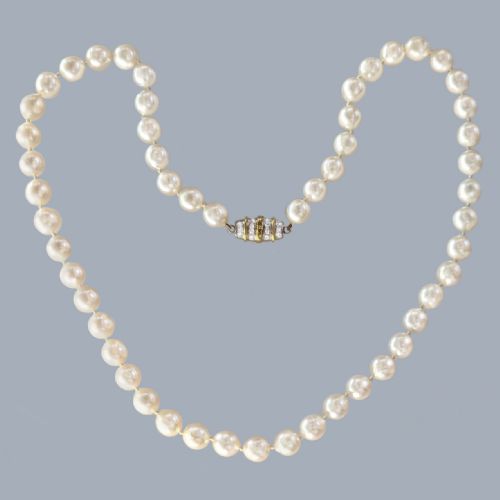
Metal components utilise nine-carat gold, fourteen-carat gold, eighteen-carat gold, or silver for the clasps. Additional decorative elements include diamonds, sapphires, turquoise, rose quartz beads, and paste stones.
Listings feature nine-carat gold, eighteen-carat gold, and silver clasps paired with diamond, sapphire, and turquoise accents.
Distinctions in quality
Quality differences emerge in the uniformity and lustre of the pearls, as well as the complexity of the clasp metalwork. Pieces integrating precious stones like diamonds and sapphires into gold settings represent a higher standard of manufacture.
The standard of stringing also matters, with hand-knotted silk thread demonstrating superior craftsmanship compared to simpler threading methods.
The Classic Pearl Strand Glossary
- Graduated
- Pearls arranged by size on a strand, with the largest beads centred at the front and smaller ones towards the clasp. This traditional layout requires careful sorting during manufacture.
- Cultured Pearl
- Pearls formed with human intervention by inserting an irritant into an oyster or mollusc. They form the majority of mid-century necklace materials.
- Rope Necklace
- An extra-long pearl strand measuring longer than opera length, typically exceeding forty inches. It offers versatility in how it is worn.
- Clasp
- The mechanical closure securing the ends of the necklace, frequently cast in gold and occasionally set with gemstones. It functions as both a fastener and a decorative focal point.
Classic Pearl Strand: Frequently Asked Questions
How should I care for my pearl strand?
Pearls require gentle cleaning with a soft cloth and should be stored away from abrasive metals or harsh chemicals. Because silk thread weakens over time, regular restringing prevents accidental breakage.
Putting your necklace on after applying perfume and hairspray protects the lustre of the pearls. Laying the strand flat during storage maintains the shape of the thread.
What lengths are available for pearl strands?
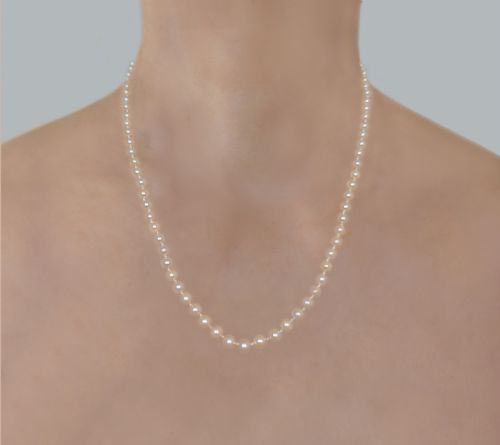
Lengths range from standard sixteen-inch collars to longer opera styles and fifty-inch ropes. Shorter lengths sit close to the collarbone, while longer strands hang lower.
Selecting a length depends on personal preference and the desired neckline. Longer ropes can be doubled around the neck for a layered appearance.
How do I identify the period of a pearl necklace?
Dating often relies on the style of the clasp, the metal purity hallmarks, and the manufacturing technique. Edwardian and Art Deco pieces display distinct geometric or floral metalwork.
Mid-century examples frequently feature nine-carat gold clasps with simple or floral motifs. Hallmarks stamped on the metal provide official verification of the assay office and year.
Are all pearls on these strands natural?
The inventory includes both cultured pearls and natural saltwater pearls, alongside freshwater varieties. Natural pearls formed without human intervention appear alongside cultured options developed through oyster farming.
Most mid-century strands utilise cultured pearls, which became widespread during that era. Natural saltwater and large freshwater pearls represent distinct alternatives within the selection.