
Patterned Woven Rug
A patterned woven rug brings rich texture and centuries of tribal or city design onto the floor.
Patterned Woven Rug
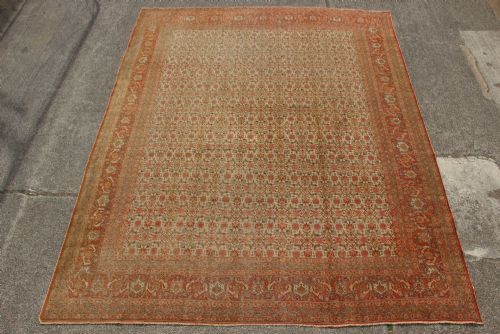
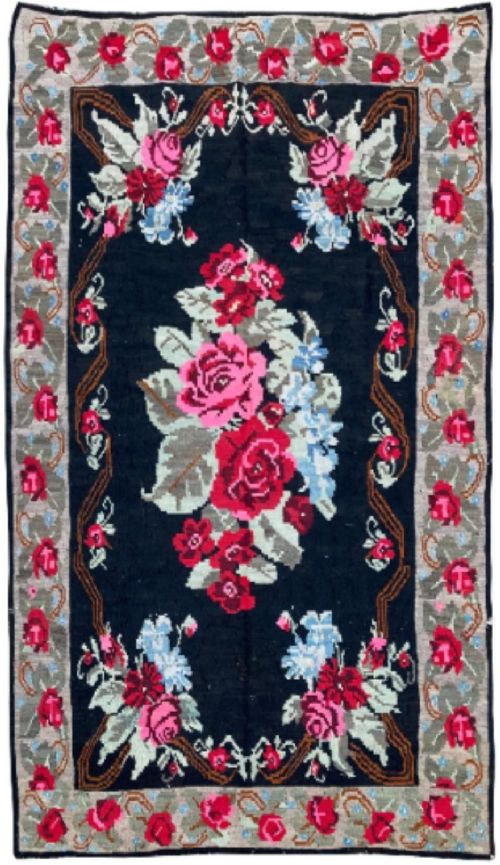
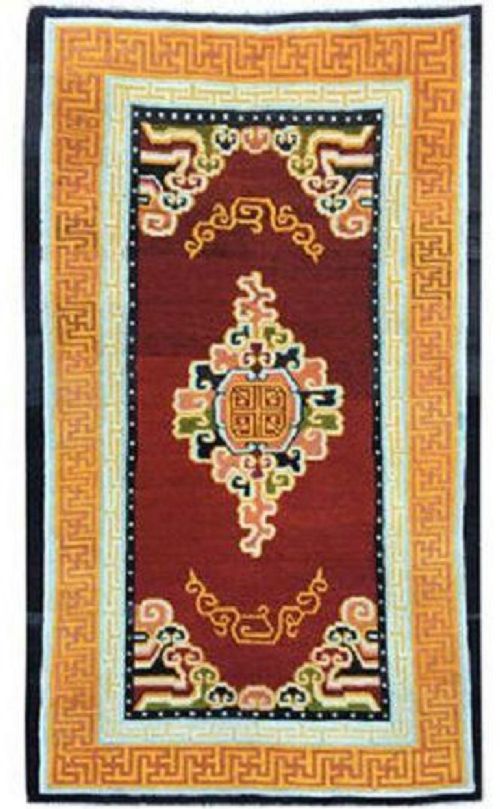
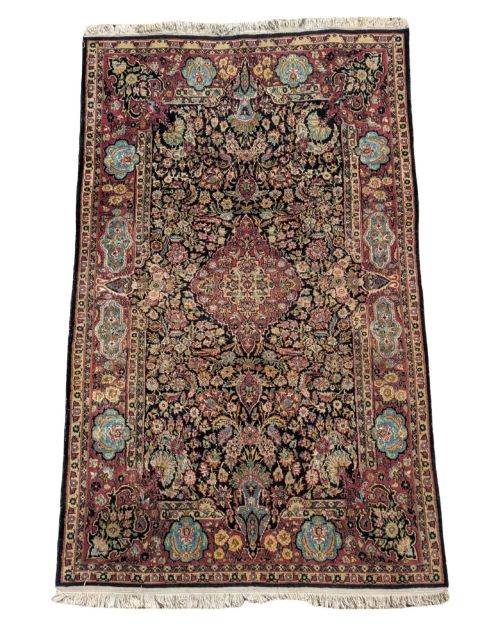
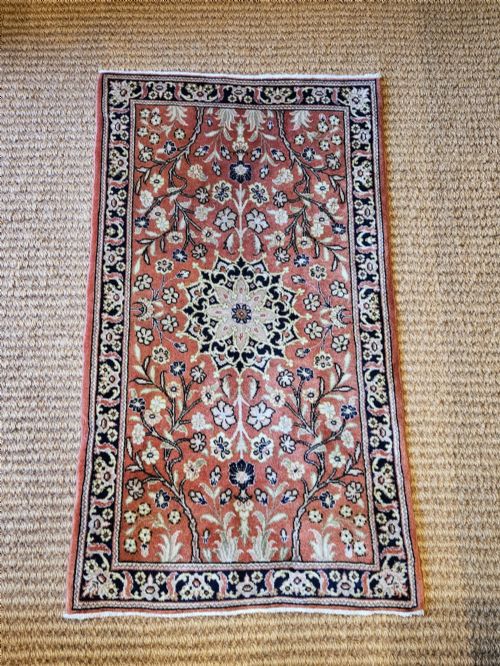
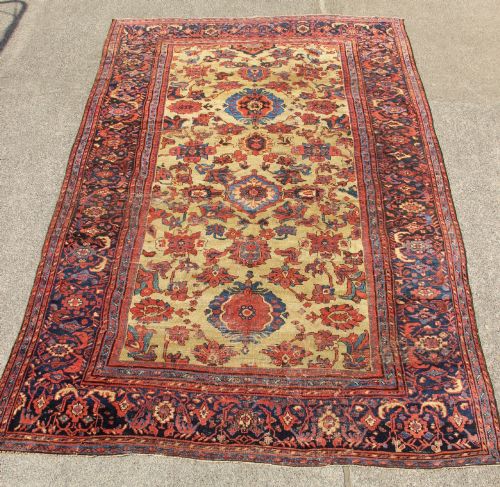
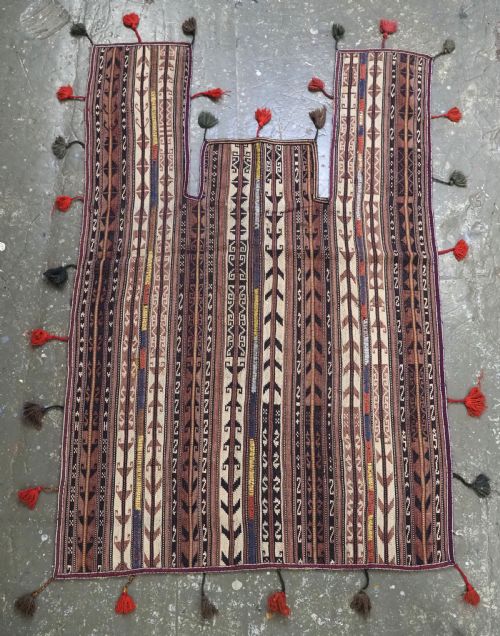
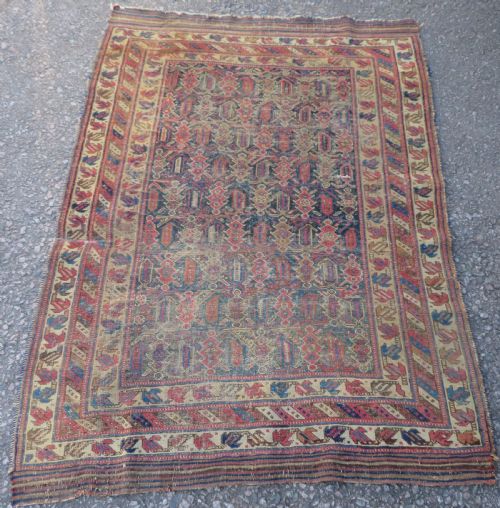
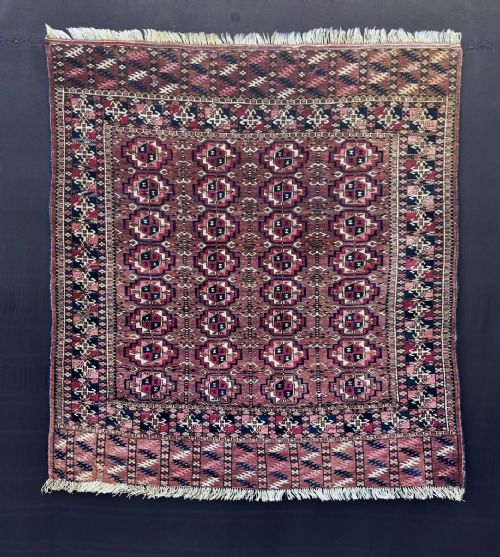
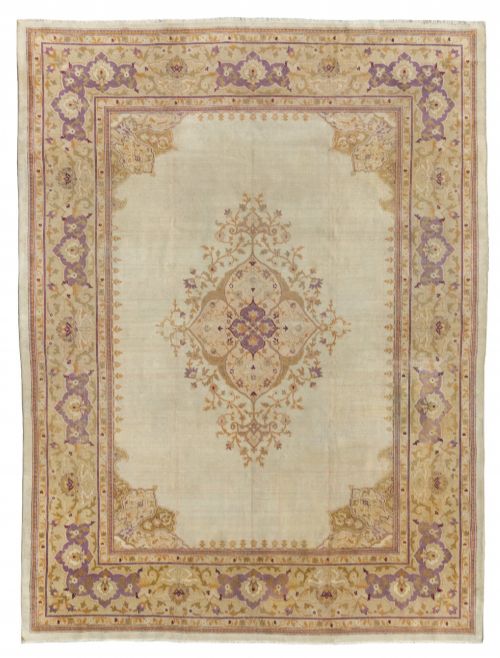
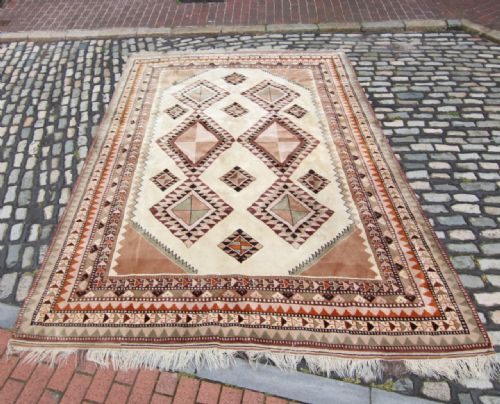
A patterned woven rug encompasses hand-knotted and flatwoven floor coverings spanning the nineteenth and early twentieth centuries. These textiles originate from Persian, Caucasian, Central Asian, and Tibetan weaving traditions, ranging from large carpets to compact village mats and nomadic bags.
Makers include nomadic groups and workshop weavers utilising traditional regional motifs. Dating spans from the middle of the nineteenth century through the early decades of the twentieth century.
How They Were Made
Weavers constructed these textiles primarily using wool on wool or cotton foundations, sometimes incorporating silk highlights. Natural dyes provided the deep palette across village and nomadic workshops.
Techniques combine hand-knotting and flatweaving methods, producing substantial pile carpets as well as utilitarian horse blankets, tent door rugs, and bread sofrehs. Artisans tied wool by hand onto warps, securing the structures with woven selvedges.
Listings feature wool, cotton, silk, and natural dyes across Persian, Caucasian, and Central Asian tribal traditions.
What Varies in Quality
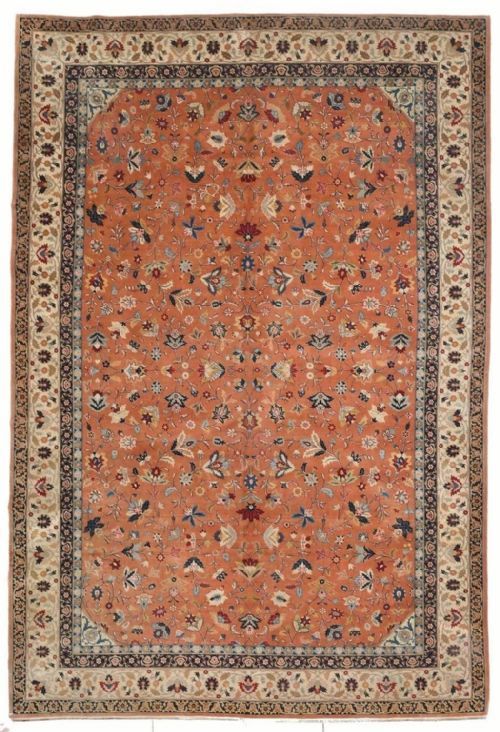
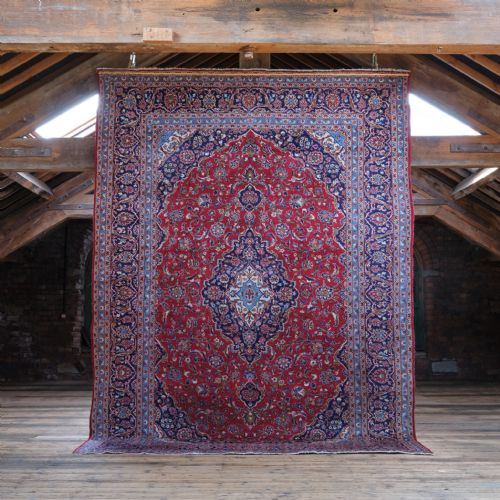
Finely spun wool and resilient natural dyes dictate the longevity and visual depth of a carpet. Dense knot counts in city workshops allow for intricate curvilinear drawing, whereas village pieces rely on bold geometric structures.
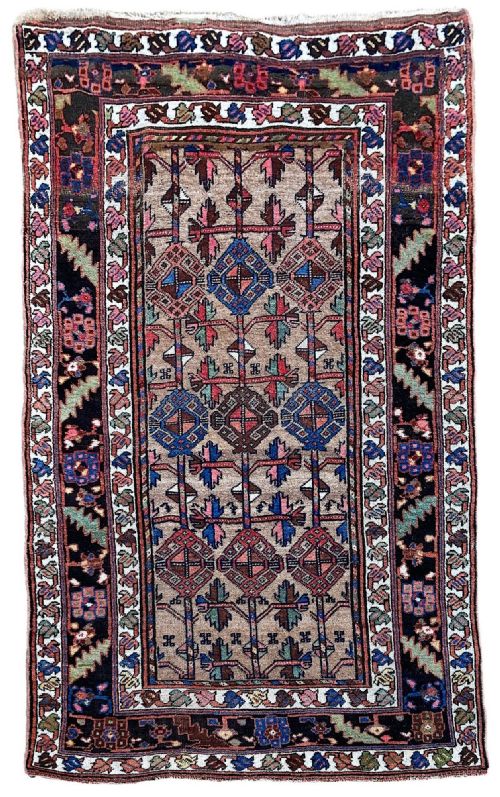
The integrity of the foundation and the preservation of original borders distinguish exceptional examples from heavily worn specimens. Tribal pieces demonstrate quality through the authenticity of their native wool and saturated colour distribution.
The Patterned Woven Rug Glossary
- Kilim
- A flatwoven carpet produced without a pile. These pieces rely on interlocking warp and weft threads to create sharp geometric patterns.
- Torba
- A small Turkmen hanging bag or storage face. Artisans wove these utilitarian items to decorate nomadic tents.
- Gul
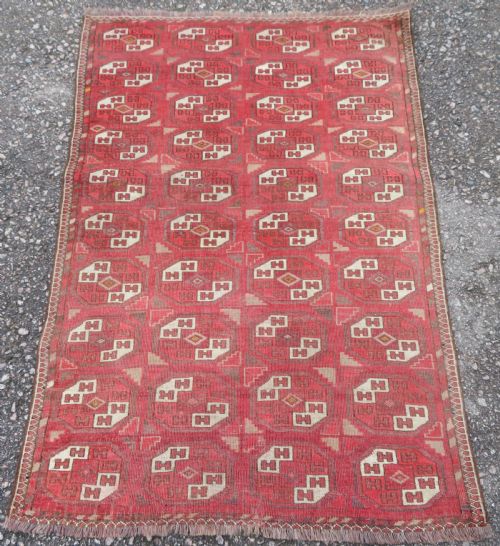
- A medallion motif used extensively in Turkmen and Central Asian carpet design. Each tribal group repeated distinct octagonal or geometric variations.
- Boteh
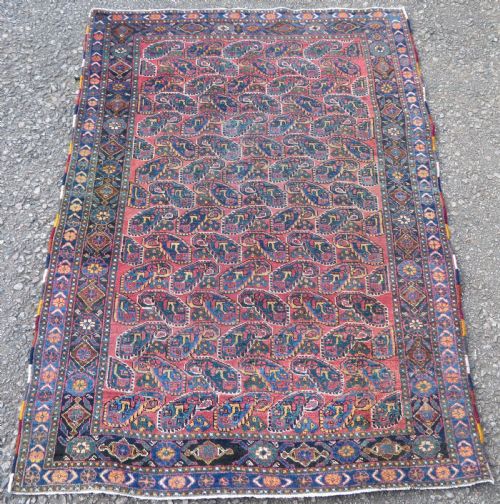
- An almond-shaped or paisley motif representing a floral spray or cypress tree. This symbol appears frequently across Persian village and city weavings.
- Sofreh
- A woven cloth utilised for sharing meals or preparing bread. Nomadic weavers decorated these flatwoven or pile surfaces with tribal emblems.
Patterned Woven Rug: Frequently Asked Questions
Where were these rugs made?
These textiles originate from weaving centres across Persia, the Caucasus, Central Asia, and Tibet. Nomadic tribes and city workshops produced them for daily use, trade, and ceremonial purposes.
Specific regions include Heriz, Tabriz, Kashan, and the tribal lands of the Afshar, Ersari Turkmen, and Kurdish populations.
How do I care for an antique rug?
Protect the textile by placing it on a quality underlay to prevent slipping and friction against the floor. Vacuum gently without using a rotating brush roll.
Keep the piece out of direct sunlight to prevent natural dye fading. Rotate the rug periodically to ensure even wear across high-traffic areas.
What is the difference between a village and city rug?
Village and tribal rugs typically feature geometric designs, spontaneous colour shifts, and coarser wool handled by nomadic or local weavers. They reflect regional folklore and personal expression.
City carpets display refined curvilinear motifs, symmetrical floral sprays, and high knot counts achieved by organised workshop teams using precise cartoons.
Can I use a tribal bag face on the floor?
Pieces like torbas and chantehs were originally constructed as utilitarian storage containers or domestic horse covers rather than floor coverings. Their lighter structure suits low-traffic display.
Many collectors mount these smaller textile fragments on walls or place them on low-use surfaces to preserve their fragile foundations.