

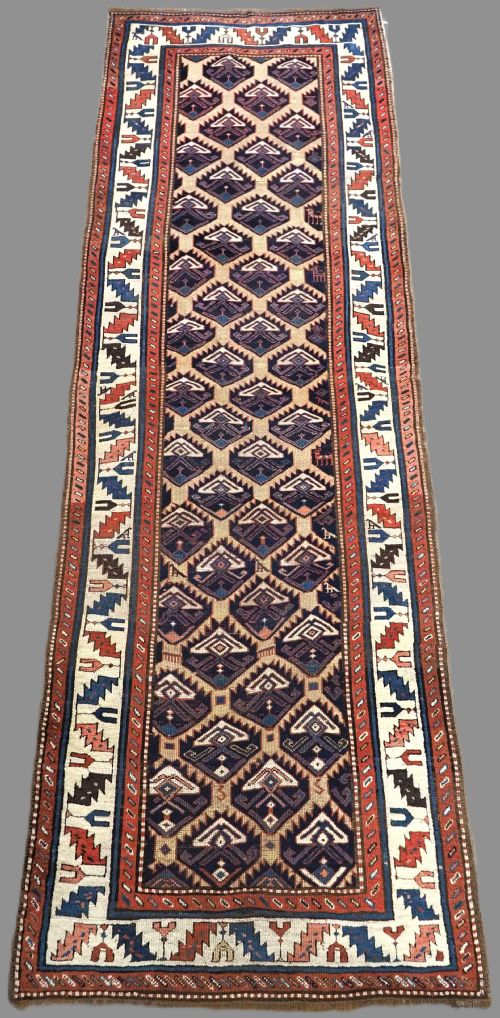
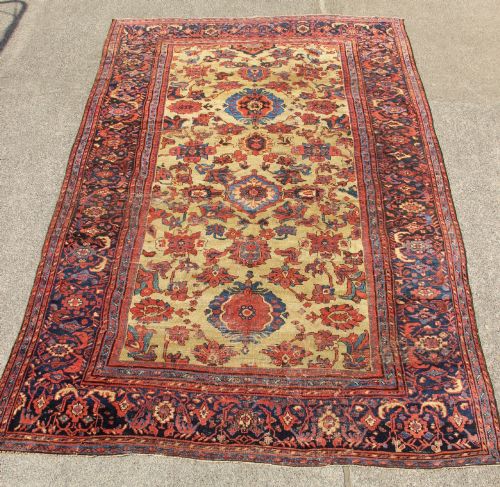
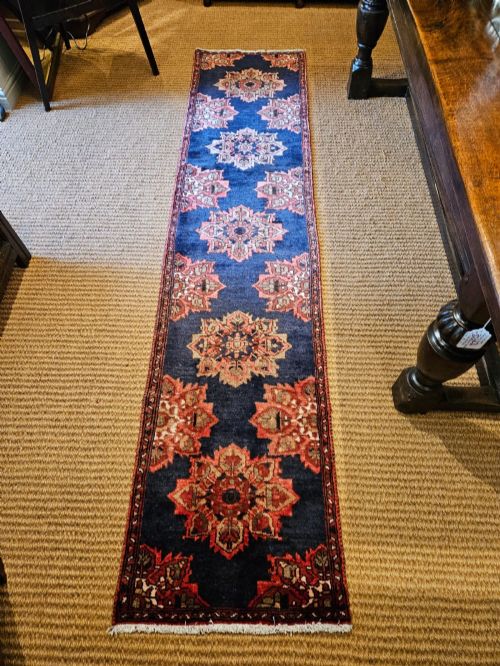
Patterned Wool Carpet
A patterned wool carpet brings centuries of nomadic and workshop weaving traditions into a room, offering tactile warmth and complex regional iconography.
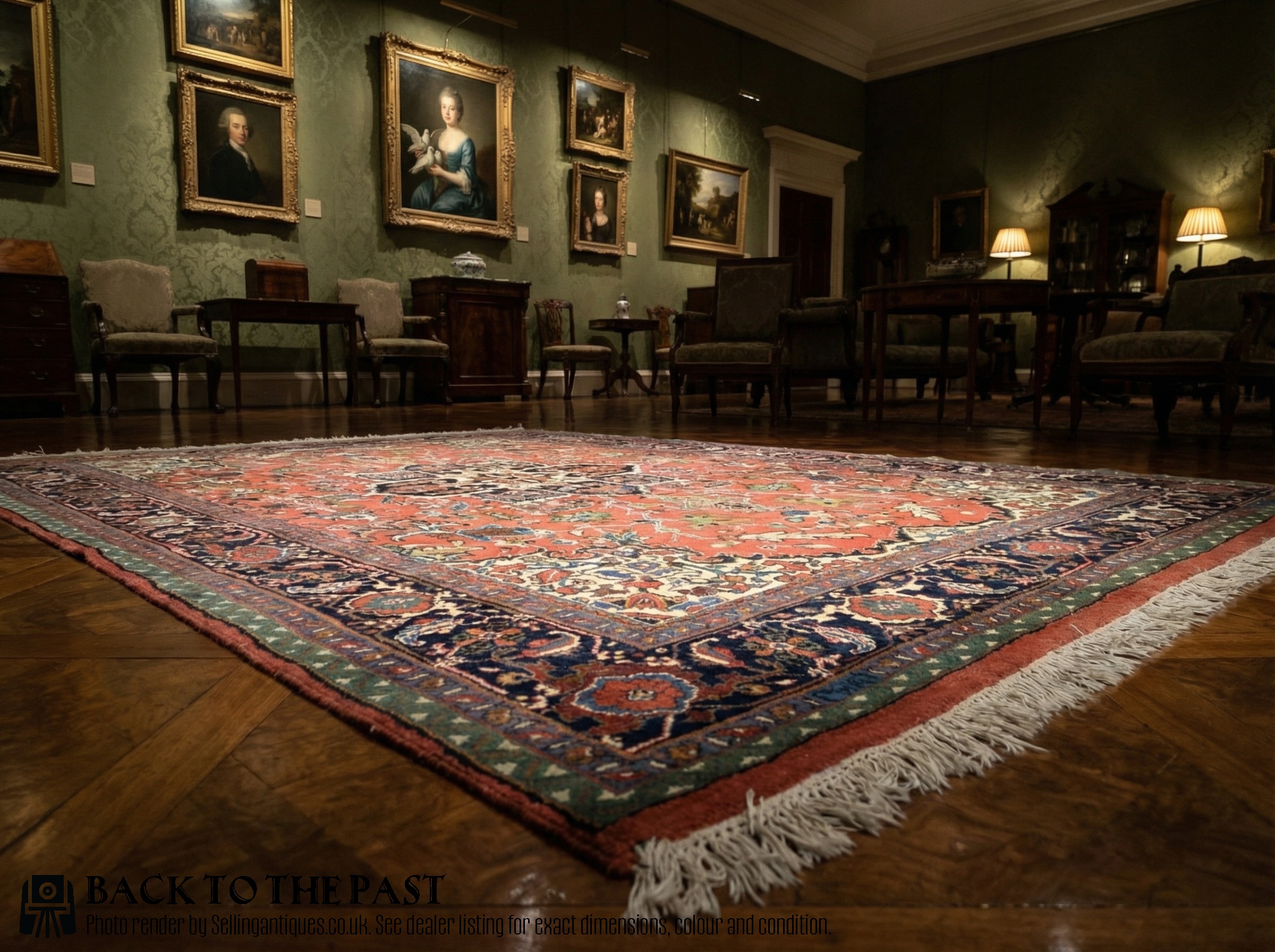
Patterned Wool Carpet
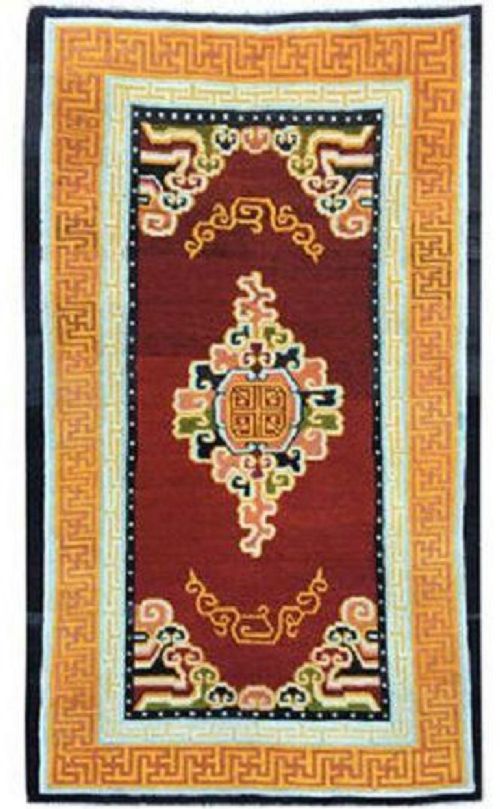
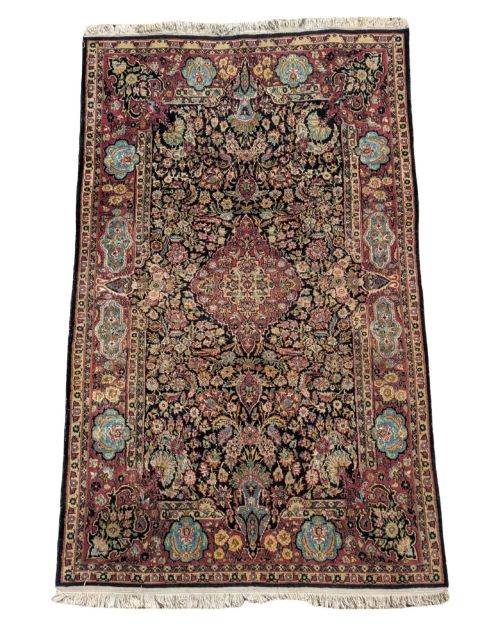
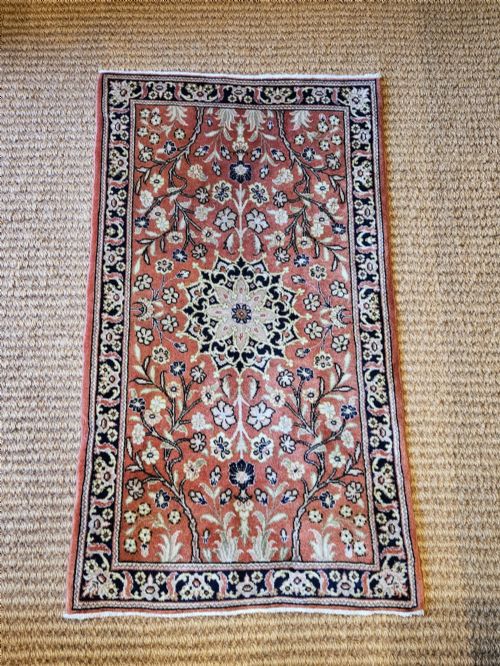
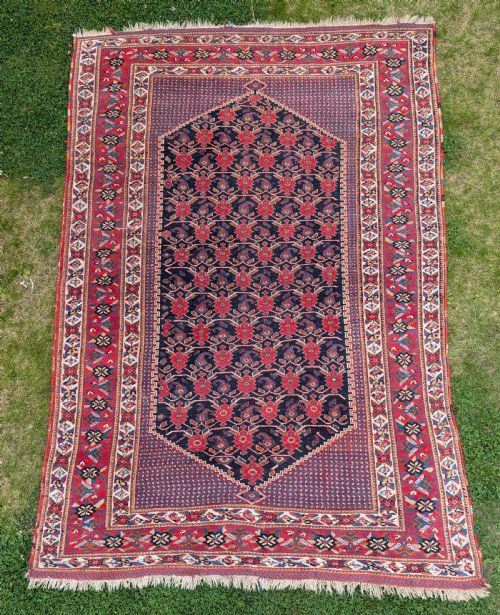
A patterned wool carpet encompasses hand-knotted floor coverings and textiles originating from Persian, Caucasian, Ottoman, and Central Asian traditions. Buyers searching this phrase encounter examples ranging from room-sized carpets down to hearth-sized rugs and long hallway runners.
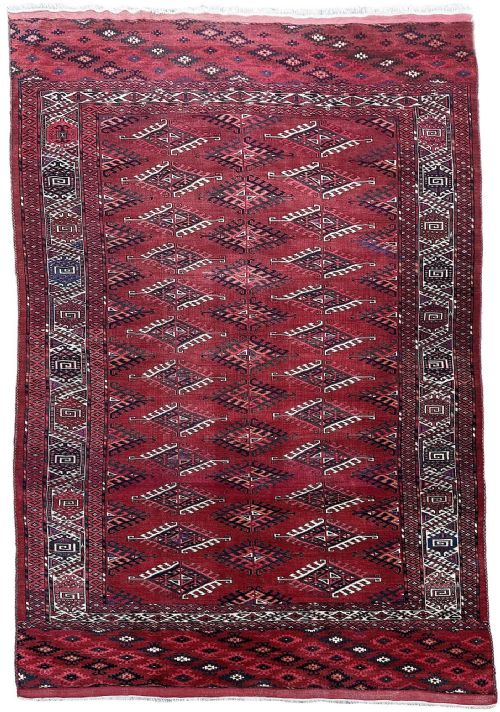
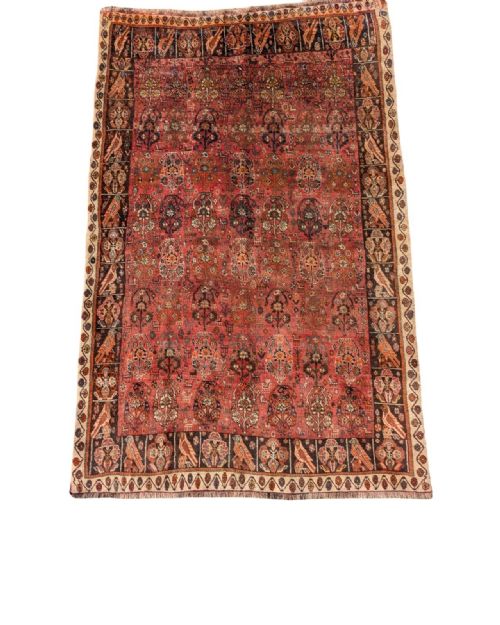
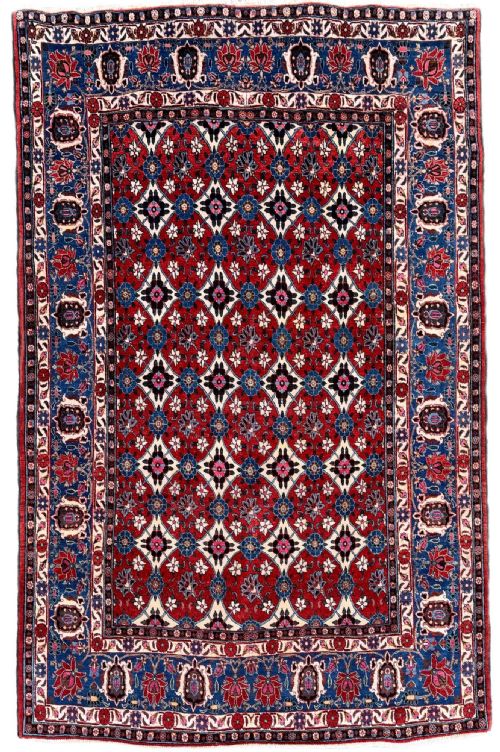
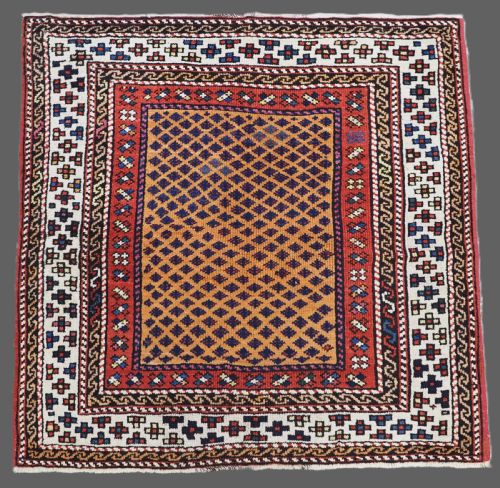
The selections span the nineteenth and early twentieth centuries, featuring distinct regional aesthetics such as Turkmen tribal motifs, Kurdish village patterns, and workshop pieces from centres like Tabriz and Kashan. These floor coverings bridge utilitarian domestic use and intricate textile art.
How They Were Made
These textiles rely principally on wool, often hand-spun, combined with cotton foundations and occasional silk highlights to define specific motifs. Natural dyes provide the palette, producing grounded tones across tribal and workshop pieces alike.
Weavers knot the pile by hand onto warp and weft foundations, creating durable structures designed to withstand decades of foot traffic while retaining flexible drape and detailed geometric or floral layouts.
Patterned Wool Carpet Retail Price Guide 2026
Typical asking prices for patterned wool carpet among the pieces listed under this phrase on Sellingantiques today, from the lower quarter to the upper quarter. They describe what is for sale here now, not the wider market.
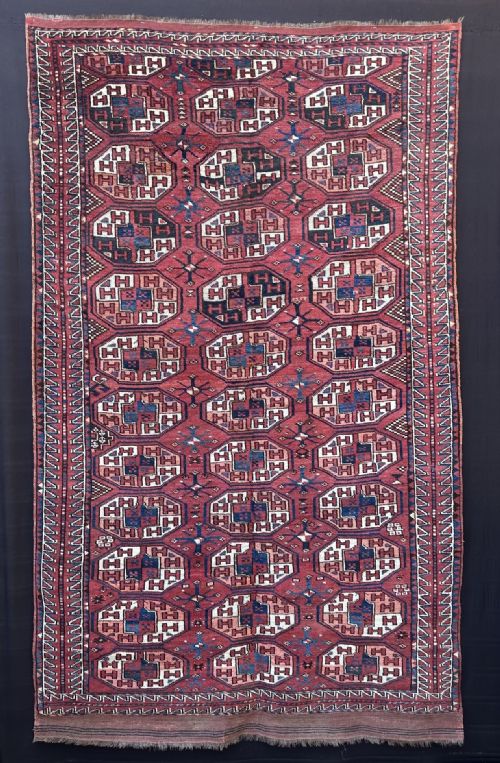
Tent door rugs known as kapunuks were traditionally woven by Turkmen nomads as decorative flaps for the entrances of their yurts.
What Varies in Quality
Knot density and structural tightness dictate the crispness of the pattern and the longevity of the pile under regular use. Tighter foundations allow intricate lattice and boteh designs to remain sharp and well-defined.
The depth and chemistry of the dyes shape the visual richness of the textile, as natural dye sources yield nuanced variations across the field. The quality of the wool itself influences the handle and resilience of the surface over time.
The Patterned Wool Carpet Glossary
- Boteh
- A stylised almond or paisley motif often repeated across the field of Persian and village carpets. This ancient symbol appears in numerous nineteenth-century examples.
- Kilim
- A flat-woven textile produced without a pile, frequently originating from Caucasian or Anatolian traditions. These pieces utilise slit-weave techniques to form sharp geometric patterns.
- Runner
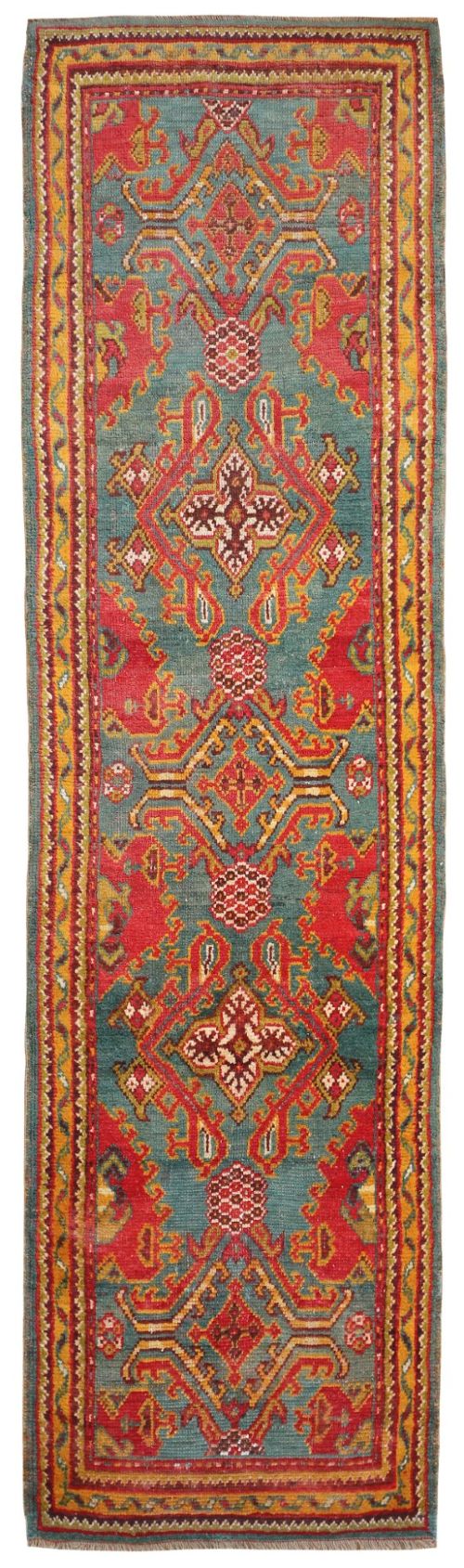
- A long, narrow carpet format designed specifically for hallways, corridors, or bedside placement. Runners accommodate confined spaces while displaying continuous border and field designs.
- Warp
- The stationary vertical threads stretched lengthwise on the loom that form the structural foundation of the carpet. Weft threads are inserted across these warps to secure the knots.
Patterned Wool Carpet: Frequently Asked Questions
How do I clean a patterned wool carpet?
Regular gentle vacuuming without a beater bar removes surface grit from the wool pile. Professional specialist cleaning is necessary for deeper maintenance to protect natural dyes and foundation fibres.
Avoid harsh chemical treatments or excessive moisture, which compromise hand-spun wool and traditional dye stability. Promptly blot liquid spills rather than rubbing the affected fibres.
Where should I place a runner rug?
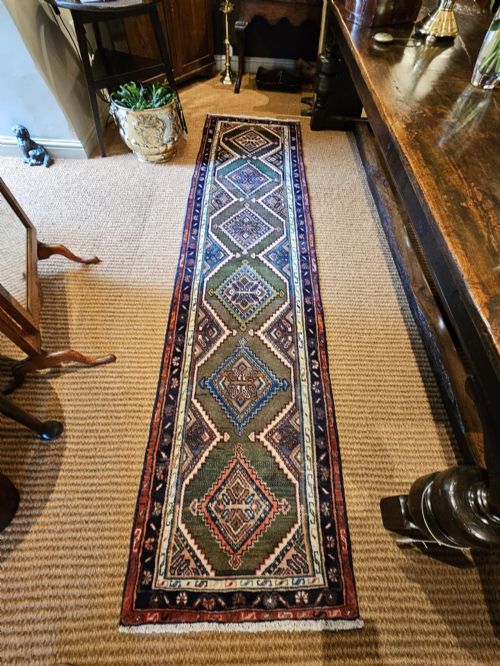
Runners suit hallways, corridors, entryways, and narrow galley spaces where a standard rectangular rug is too wide. They provide floor protection and visual interest in high-traffic transition areas.
Ensure adequate underlay is utilised beneath the runner to prevent slipping and reduce friction between the wool foundation and hard flooring.
How do I identify tribal carpets?
Tribal carpets typically feature geometric motifs, asymmetrical layouts, and bold, spontaneous designs reflecting nomadic or village traditions rather than formal court workshops. Palettes often rely on rich saturated tones produced by natural dyes.
Structure can also offer clues, as village and tribal pieces frequently display coarser weaves and heavier wool hand compared to urban workshop carpets.
What is a silk highlight?
Silk highlights refer to the strategic inclusion of silk threads within a predominantly wool carpet to accentuate specific floral motifs, outlines, or borders. This technique catches the light and adds subtle textural contrast.
Workshop carpets from centres like Ishfahan frequently incorporate these reflective details to enhance the visual depth of the central field.