


Patterned Velvet Chair
A patterned velvet chair brings rich texture and enduring character to a room, ranging from intimate nursing seats to grand dining sets.
Patterned Velvet Chair
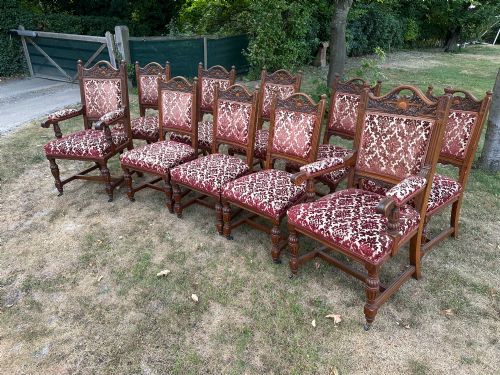
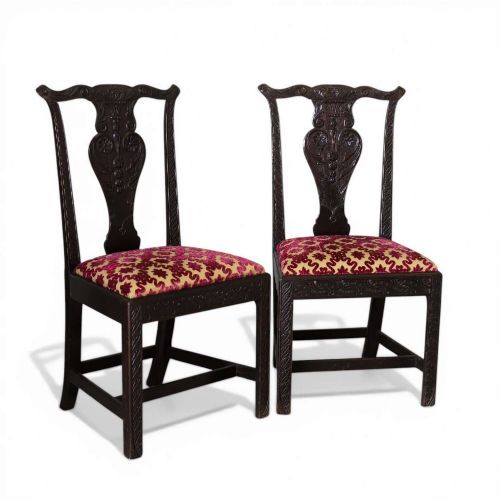
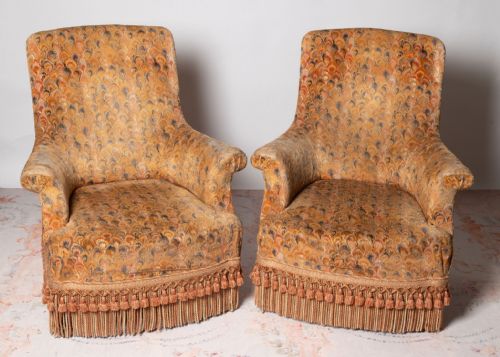
A patterned velvet chair encompasses a diverse array of seating from the eighteenth, nineteenth, and early twentieth centuries. The selection here brings together various forms such as armchairs, dining chairs, bedroom chairs, and daybeds.
The Victorian and Edwardian periods contribute heavily to the available forms, alongside earlier Georgian influences and later Art Deco designs. Buyers encounter everything from buttoned nursing chairs to sets of mahogany dining seats.
Origin and style vary widely across the inventory, including French Napoleon III pieces, English oak Gothic revival seats, and comfortable boudoir chairs. Each piece reflects the domestic habits and interior tastes of its specific era.
What varies in quality
The integrity of the underlying timber frame and the precision of hand-carved details set finer examples apart from standard production. Original turned legs, sound joints, and well-preserved structural timber indicate superior craftsmanship.
The quality of the upholstery work, the selection of textile, and whether the piece retains its original character or has undergone sympathetic restoration influence the overall standing of an individual chair.
Object types range from practical desk chairs and dining sets to intimate daybeds, nursing chairs, and hall porters.
Howard and Sons·Zoffany
The Patterned Velvet Chair Glossary
- Velvet
- A woven tufted fabric in which the cut threads are evenly distributed, giving a short dense pile. This material provides the tactile surface characteristic of these chairs.
- Balloon Back
- A chair back shaped like the profile of a hot air balloon, popular during the Victorian period. This design offers ergonomic support alongside decorative elegance.
- Nursing Chair
- A low-seated chair designed for comfort, traditionally used by women when nursing infants. They often feature generous upholstery and turned front legs.
- Daybed
- A couch or bed structure intended for resting during daylight hours, often styled with upholstered ends. These pieces combine the seating function of a settee with the extended length of a bed.
- Ebonised
- Wood finished to resemble ebony through staining or painting. This technique creates a dark, polished surface often seen on nineteenth-century frames.
Patterned Velvet Chair: Frequently Asked Questions
How do I care for antique velvet?
Antique velvet requires gentle brushing with a soft-bristled brush to keep the pile lifted and free from dust. Avoid exposing the fabric to direct sunlight, which can fade the rich tones over time.
Professional cleaning is advisable for deeper marks or historic textiles. Handle the wooden frames with standard beeswax furniture polish while keeping moisture away from the fabric sections.
Where were these chairs placed originally?
Depending on their form, these seats occupied various rooms throughout domestic houses. Smaller bedroom chairs and nursing seats sat in private chambers, while larger armchairs and sets of dining chairs furnished reception rooms.
Pairs of open armchairs often flanked fireplaces in drawing rooms. Hall porters and boudoir chairs added a decorative and welcoming touch to entrance spaces or dressing rooms.
Are these chairs suitable for daily use?
Many of these chairs remain entirely functional for everyday seating when the underlying frame is structurally sound. Buyers should consider whether the internal webbing and springs match their intended level of active use.
Delightful decorative pieces or delicate nineteenth-century bedroom chairs may suit lighter duties or display purposes better than heavy family dining use.
How do I identify the period of a chair?
Dating relies on examining the timber species, the shaping of the legs, and stylistic cues such as Victorian balloon backs or Edwardian inlay. Carved motifs often point directly to revival movements popular during the nineteenth century.
Construction methods inside the frame also offer clues, as machine-sawn timber and screw fixings generally indicate later nineteenth or twentieth-century production compared to earlier hand-tooled joinery.