
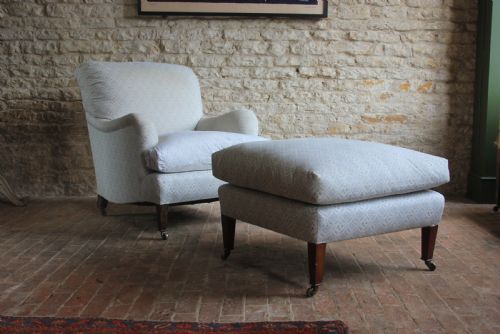


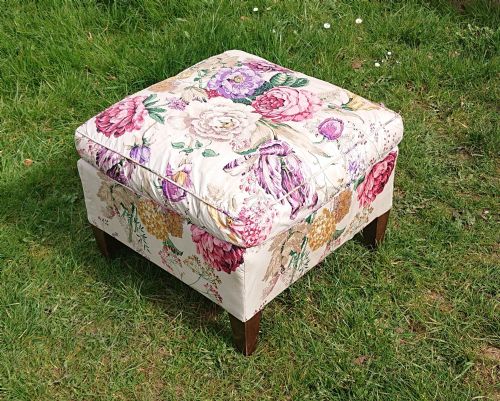
Patterned Upholstered Ottoman
Patterned upholstered ottomans bring tactile comfort and period character to a room, offering versatile seating and concealed storage through traditional craftsmanship.
Patterned Upholstered Ottoman
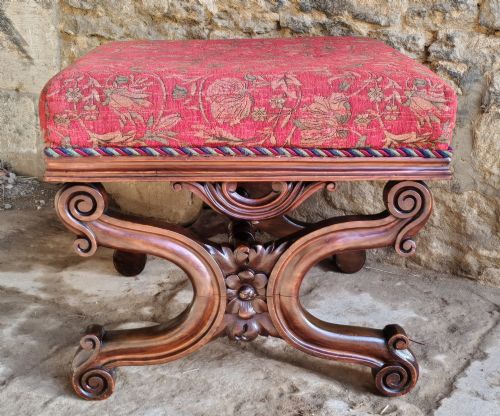
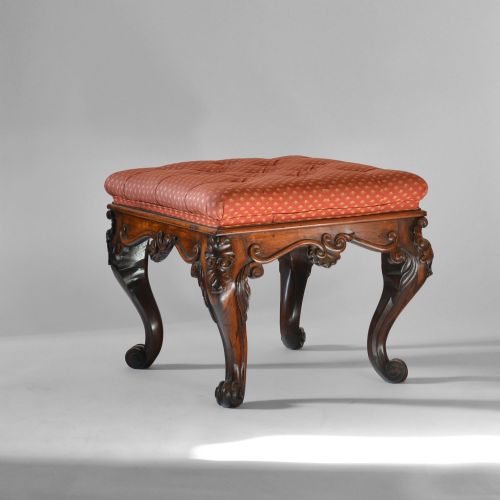
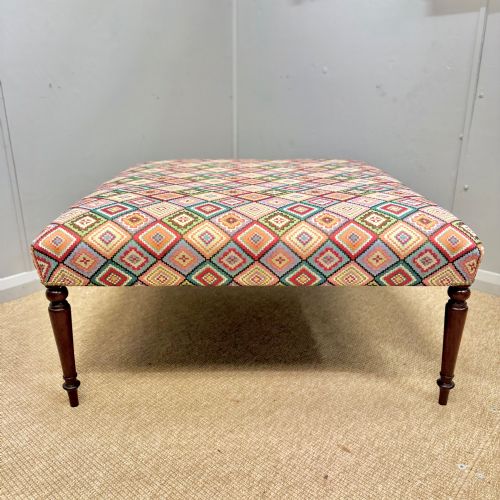
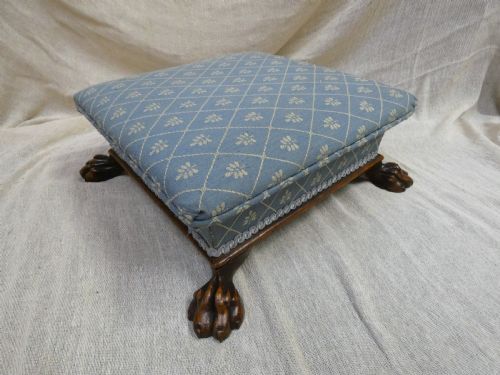
A patterned upholstered ottoman serves primarily as a footstool, a low seat, or a storage chest, merging functional utility with decorative textiles. When searching for a patterned upholstered ottoman, buyers encounter diverse forms ranging from compact Victorian footstools to large storage chests.
The pieces on this page span several eras, predominantly featuring 19th Century and Victorian examples alongside Edwardian and early 20th-century items. Common stylistic expressions include English Country House, Anglo-Indian, William IV, and Art Deco designs.
Makers and workshops such as Howard and Sons and Liberty appear among the offerings, alongside various footstools, storage chests, and work boxes. Timber frames in mahogany, rosewood, pine, walnut, and oak provide the structural foundation for the textile covers.
How they were made
Upholstery techniques involve securing textiles like cotton, kilim, and Liberty fabric over padding to create cushioned tops or fully covered bodies. Brass hardware and structural elements such as brass castors or hinges are integrated into storage chests and stools.
Some storage chests double as toy boxes, proving that past generations also needed a quick place to hide the clutter.
What varies in quality
The integrity of the timber frame and the precision of any wood carving set individual pieces apart. Dense woods like rosewood and mahogany provide superior structural longevity compared to softer timbers.
The choice and execution of the upholstery fabric significantly influence the character and appeal of each piece. Original designer coverings, such as Liberty fabric or kilim, elevate the distinction of the work.
Howard and Sons·Liberty
The Patterned Upholstered Ottoman Glossary
- Ottoman
- A low, upholstered seat or footstool without a back or arms, often featuring internal storage. These pieces function flexibly as seats or low tables.
- Kilim
- A flatwoven textile originating from the Middle East and Central Asia, frequently utilised as durable upholstery. Its geometric patterns lend distinct visual weight to period footstools.
- X-frame
- A furniture support structure formed by intersecting diagonal wooden members shaped like the letter X. This form provides stable load-bearing capacity for stools.
- Work box
- A small chest or box designed to hold sewing implements and crafting materials, sometimes combined with an ottoman structure. They often include internal compartments.
- Pine kist
- A traditional storage chest constructed from pine timber, used originally for blankets and household goods. These large trunks feature robust wooden construction.
Patterned Upholstered Ottoman: Frequently Asked Questions
How do I use an ottoman?
These pieces serve as footstools, extra seating, or coffee tables depending on their height and firmness. Many double as storage chests for blankets and household items.
Place them centrally in a living space or at the foot of a bed to integrate them into daily room layouts.
How are periods identified?
Mouldings, leg shapes, and timber choices help indicate the era of manufacture, such as heavy mahogany in Victorian pieces or lighter woods in Edwardian items. Design influences like Art Deco or William IV provide further chronological markers.
Upholstery fabrics and decorative carving styles also align with specific nineteenth and twentieth-century decades.
What woods were used?
Cabinet makers utilised dense hardwoods like mahogany, rosewood, walnut, and oak for durable frames and visible legs. Pine frequently appeared in storage chests and internal structures.
Selected pieces incorporate exotic timbers reflecting international trade patterns during the nineteenth century.
Are covers original?
Textiles on these pieces vary between period-correct replacements and original designer fabrics like Liberty cotton or woven kilims. The choice of fabric often reflects the stylistic movement of the manufacture date.
Examining the attachment methods and wear patterns helps determine the age of the upholstery.