

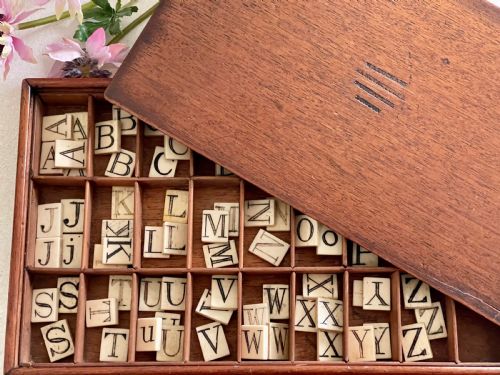


Antique Toy Box
An antique toy box brings solid pine construction and vernacular charm to a room, offering practical storage with a distinct historical character.
Antique Toy Box
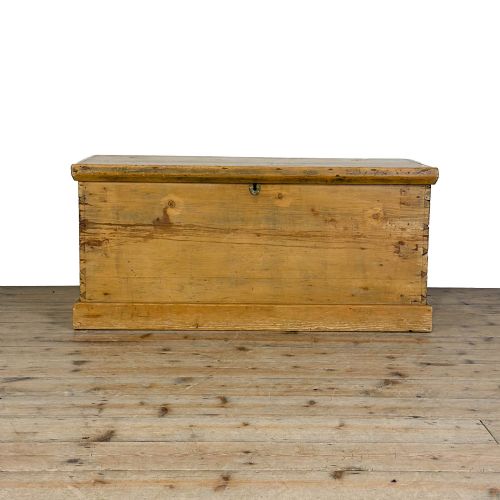
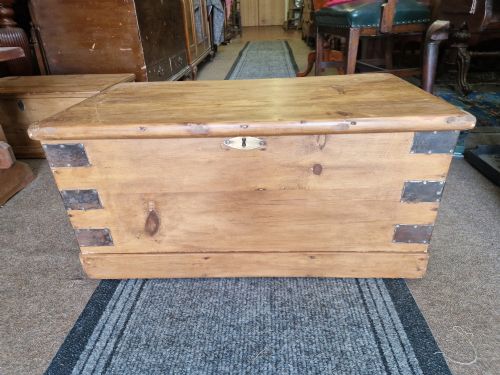
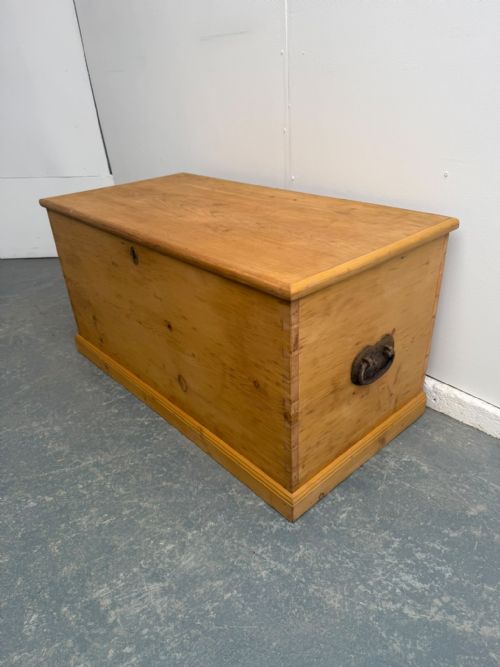
An antique toy box encompasses functional pine storage containers, ranging from blanket chests and kists to specialised educational sets and miniature novelties. The pieces most commonly met on this page are Victorian pine trunks and blanket boxes that served domestic utility.
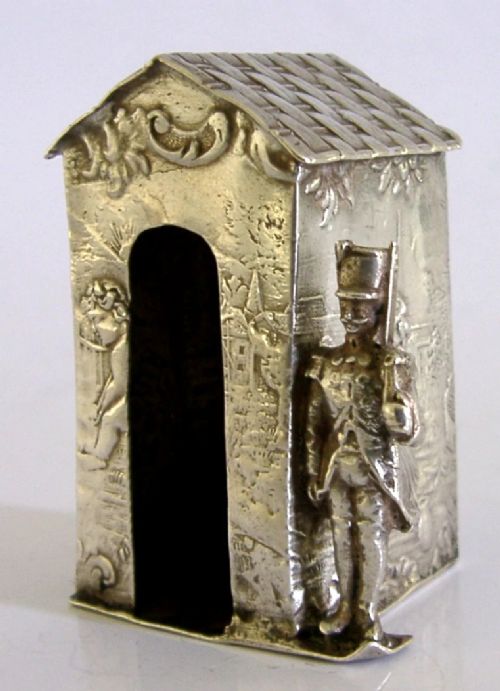
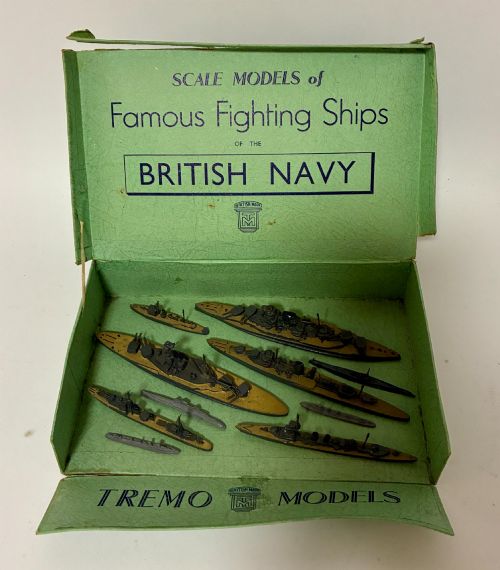
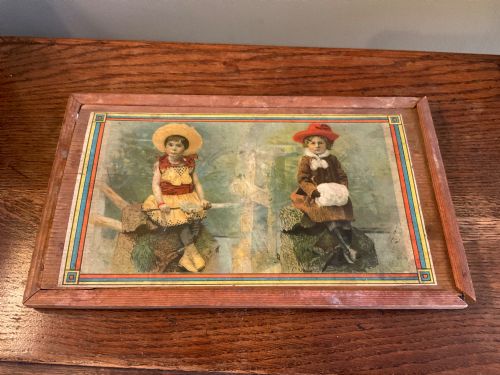
Beyond plain wooden chests, the category includes painted alphabet blocks, watercolour sets, model ships, and even silver miniatures. These objects reflect the changing nature of childhood possessions and storage from the nineteenth century into the interwar period.
Materials and construction
Wood forms the primary medium for these pieces, dominated by pine alongside elm and occasional paper elements. Construction relies on sturdy joinery suitable for heavy domestic use, often finished with wax or paint.
Metal components appear in iron and brass hinges or fastenings, while fine silver characterises specialised miniatures. Paper and paint finish educational items such as alphabet tiles and watercolour sets.
The listed items span the Victorian era, the nineteenth century, and the early twentieth century up to the 1930s.
What varies in quality
Quality rests in the integrity of the timber and the retention of original surface treatments, whether stripped pine, waxed finishes, or early paint. Pieces retaining original internal components or specialised educational contents hold greater substance.
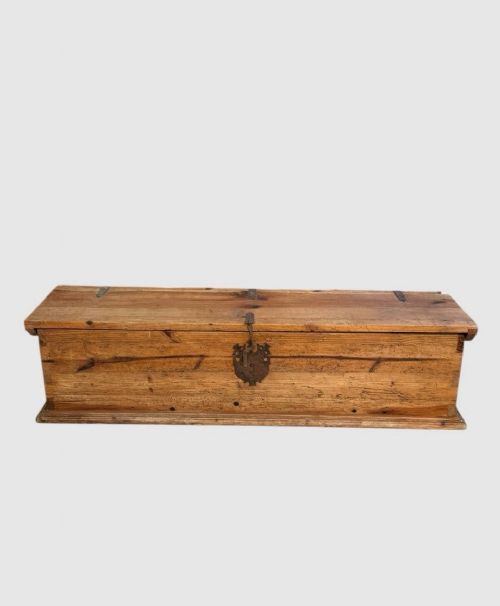
Proportion and scale distinguish simple utility chests from more decorative vernacular forms, such as mule chests and kists. The execution of smaller items, from silver miniatures to scale models, shows distinct levels of craftsmanship.
William Crawfords & Son Ltd·Tremo
The Antique Toy Box Glossary
- Mule chest
- A storage chest featuring one or more drawers beneath the main compartment. This form bridges the traditional blanket chest and the chest of drawers.
- Kist
- A traditional regional term for a large wooden chest or box used for storage. These are typically constructed from heavy pine with robust joining.
- Hanau silver
- Silverware produced in the German town of Hanau, known for decorative miniatures and novelty items. These pieces often emulate earlier styles.
- Vernacular
- Objects made by local craftsmen following regional traditions rather than high-style academic designs. This approach prioritises utility and local materials.
- Historicism
- An artistic style that draws inspiration from historical art and architectural forms. It appears in German decorative objects from the turn of the twentieth century.
Antique Toy Box: Frequently Asked Questions
What materials are used?
The pieces rely principally on wood, with pine and elm appearing most frequently in trunks and storage chests. Iron and brass provide structural hardware, while paper and paint finish educational boxes.
Precious metals like sterling silver are reserved for small-scale miniatures, and specialised sets incorporate card and watercolour components.
How were these boxes used?
These items served functional roles in homes and nurseries, holding blankets, bedding, and children's possessions. Larger chests doubled as practical furniture for storage.
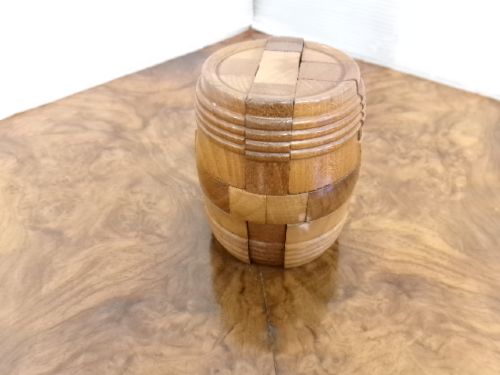
Educational sets and puzzle boxes provided structured pastime activities, while miniature silver pieces and models functioned primarily as decorative objects.
How do I date a pine chest?
Dating relies on construction methods, timber preparation, and hardware styles observable across the nineteenth and early twentieth centuries. Victorian examples often show characteristic hand-planed surfaces and traditional joinery.
Later pieces from the interwar period or the early twentieth century introduce machine-cut elements and distinct manufacturing labels.
Are painted finishes original?
Many pine chests feature stripped surfaces or later wax treatments applied during subsequent periods of use. Original painted surfaces survive on specific educational blocks, boxes, and vernacular kists.
Examining the wear patterns and pigment characteristics helps determine whether paint relates to the original period of manufacture.