




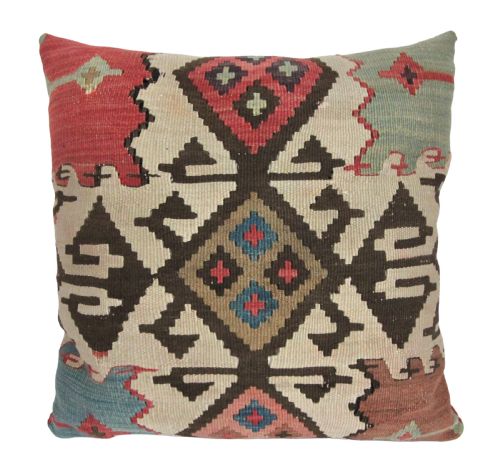


Patterned Oriental Kilim
Patterned oriental kilim textiles bring rich geometric designs and vibrant hues into living spaces through flat-woven rugs and cushions.
Patterned Oriental Kilim
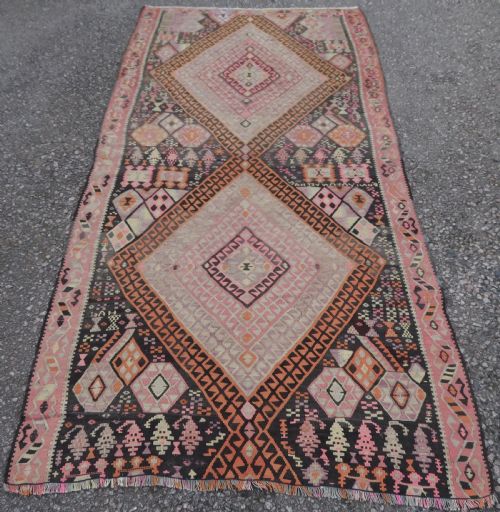
A patterned oriental kilim represents a flat-woven textile tradition spanning runner rugs, large carpets, and decorative cushions. Buyers searching this phrase encounter examples originating from Anatolian, Persian, Afghan, and Balkan regions.
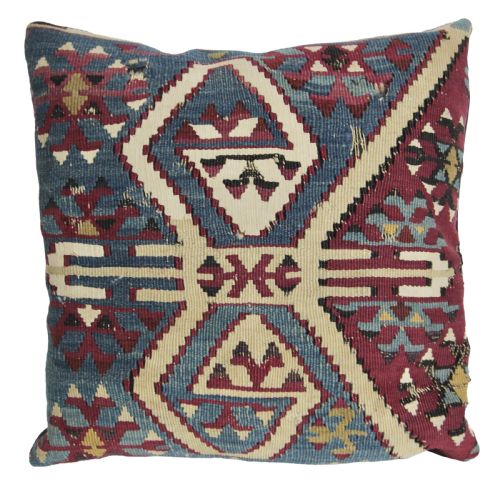
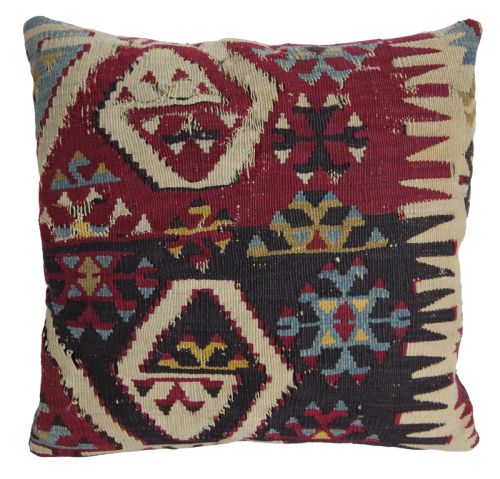
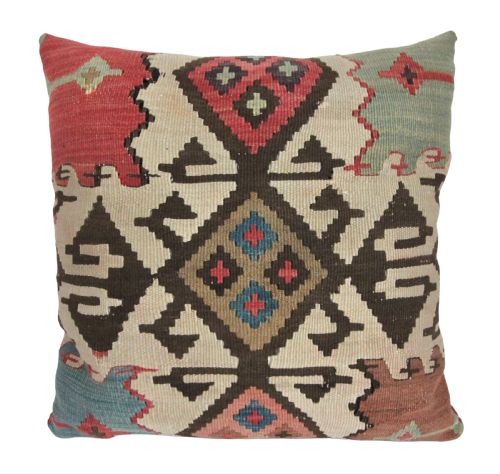
The selections available here lean heavily toward smaller functional forms like antique kilim cushions alongside larger flat-weave carpet rugs. These items display distinct regional motifs developed across tribal and nomadic workshops.
Dated specimens stretch across the nineteenth and early twentieth centuries, capturing periods from eighteen-fifty through nineteen-thirty. Each piece demonstrates traditional weaving methods passed down through generations of makers.
How they were made
Weavers constructed these textiles primarily using wool and cotton yarns, occasionally incorporating wood, velvet, and brass elements for specific cushion backings or supports. The flat-weave technique omits a pile entirely, relying instead on tightly interlocking warp and weft threads to build geometric patterns.
Certain examples utilise specialised structures such as the soumak technique or two-part construction methods joined centrally. These structural choices create durable fabrics capable of withstanding heavy floor use while maintaining crisp colour transitions.
Materials recorded across these items include wool, cotton, velvet, wood, and brass.
What varies in quality
The standard of a kilim depends heavily on the precision of its geometric drafting and the vibrancy of its dye palette. Finer examples display tightly packed weaves with minimal distortion along the straight edges and kilim ends.
Condition plays a major role, distinguishing pieces with intact original borders and robust foundations from those requiring heavy restoration. The complexity of the repeating medallion or lattice design further separates standard tribal utility pieces from exceptional weaving achievements.
Esme·Baluch·Makur·Senneh·Yomut Turkmen·Pirot·Sarkoy·Qashqai·Kayseri·Konya
The Patterned Oriental Kilim Glossary
- Kilim
- A flat-woven carpet or rug produced without a pile across various Middle Eastern and Balkan regions. This term defines the core construction style shared by the cushions and rugs listed here.
- Soumak
- A brocade-like flat-weave technique where extra weft threads wrap around the warp yarns to create a textured surface. This method adds structural weight and distinct linear definition to the patterns.
- Palas
- A traditional term used for specific flat-woven tribal rugs originating from Turkmen and related nomadic groups. These textiles feature characteristic geometric repeats and bold borders.
- Warp
- The stationary vertical threads stretched onto a loom before the weaving process begins. These foundational cords support the entire structure of the flat-weave textile.
- Weft
- The horizontal threads passed through the warp to build the visible pattern and colour fields. Skilled weavers pack these yarns tightly to conceal the underlying vertical structure.
Patterned Oriental Kilim: Frequently Asked Questions
How are kilim cushions made?
These decorative items utilise fragments cut from larger antique flat-woven carpets or purpose-woven panels. Artisans back the sturdy wool textiles with materials like velvet, wood, or cotton to form functional home accessories.
Each cushion retains the original geometric motifs and flat weave of the parent rug. This construction method repurposes historic textiles for modern interior use.
Where do these rugs originate?
The pieces hail from traditional weaving centres across Anatolia, Persia, Afghanistan, and the Balkans. Distinct tribal groups including the Qashqai and Yomut Turkmen developed their own regional colour palettes and symbolic motifs.
Makers in towns such as Senneh, Kayseri, and Konya produced both small runners and large carpets. Each origin brings specific structural characteristics and design vocabularies to the finished textile.
How do I care for a kilim rug?
Flat-weave textiles require gentle maintenance to preserve their natural wool fibres and historic dyes. Regular light vacuuming without a rotating brush roll helps remove embedded dust from the tight weave.
Professional specialist cleaning is recommended for deeper maintenance to prevent dye bleeding or structural distortion. Keeping the rug out of direct, harsh sunlight prevents the natural colours from fading prematurely.
What is a two part kilim?
Certain larger carpets and rugs were woven in two separate longitudinal strips on narrower looms and subsequently joined down the centre. This traditional practice allowed nomadic or village weavers to produce room-sized floor coverings without requiring massive upright looms.
The resulting seam is carefully hand-stitched to maintain the continuity of the overall geometric pattern. Spotting this construction detail indicates traditional village or tribal manufacture.