


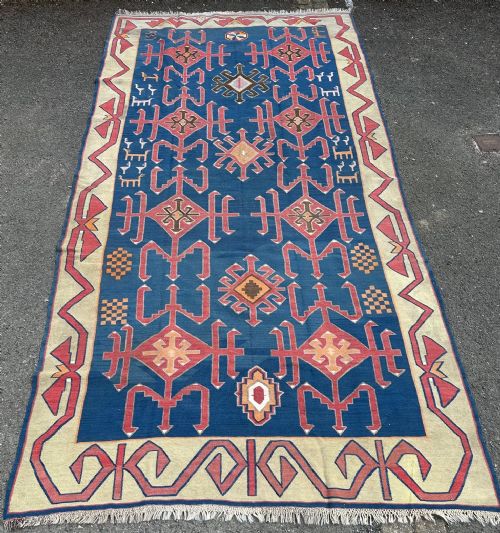


Geometric Woven Kilim
Geometric woven kilim textiles bring sharp tribal patterns and flat-woven wool into modern rooms through antique rugs, storage bags, and cushions.
Geometric Woven Kilim
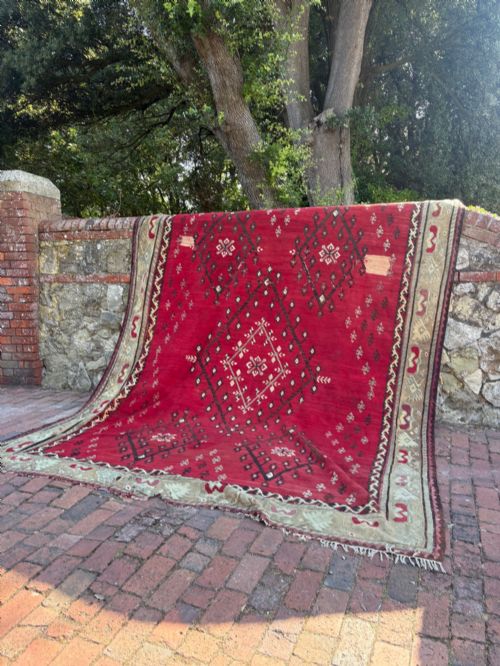
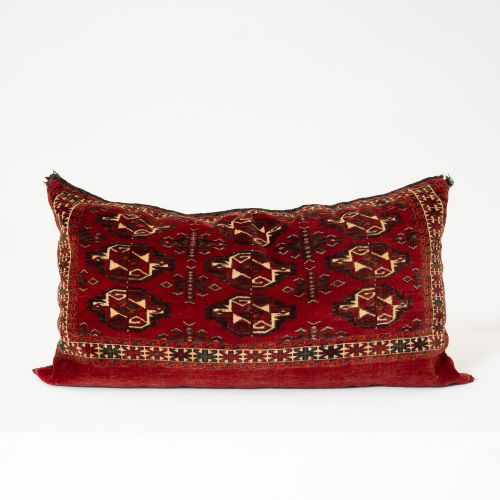
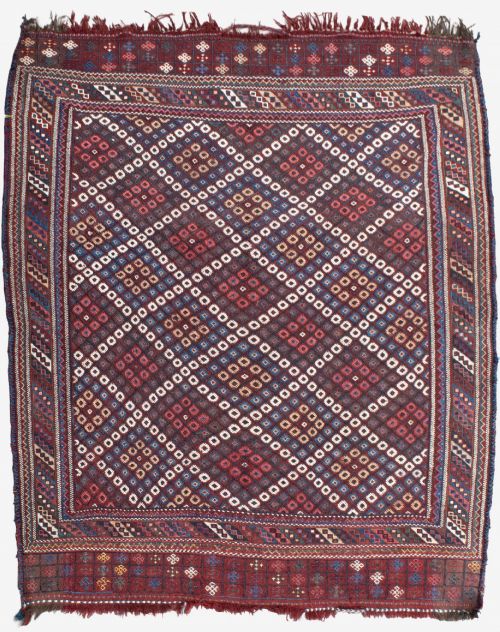
A geometric woven kilim represents a flat-woven textile tradition originating from nomadic and tribal groups across Anatolia, Persia, the Caucasus, and Central Asia. Buyers seek these pieces for their bold graphic designs, which translate easily into room-sized carpets, runners, sofa cushions, and smaller wall panels.
What varies in quality
The finesse of the weave largely determines the caliber of a piece, with tighter construction yielding sharper lines in complex geometric motifs. Tribal origins from specific regions like Shirvan or Qashqai often indicate distinct technical skill and traditional iconography.
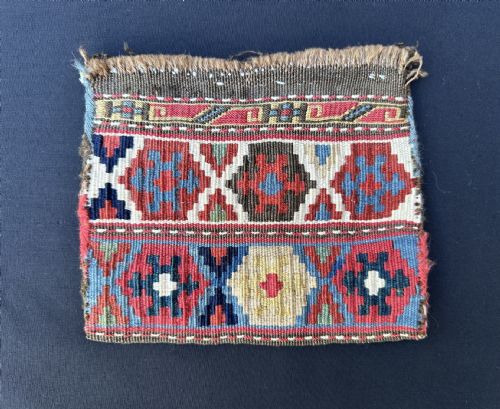
Preservation of the original natural dyes and the integrity of the flat-weave structure separate standard utility pieces from exceptional tribal examples. Items retaining their original wool backs or complete storage bag formats command distinct attention from collectors.
The inventory includes functional nomadic items such as bread sofres, eating cloths, and storage bag faces alongside room-sized carpets.
The Geometric Woven Kilim Glossary
- Kilim
- A flat-woven textile produced without a pile by tightly packing weft threads over warp threads. These rugs and panels form the core of tribal weaving traditions across the Near East and Central Asia.
- Sofreh
- A woven spread or cloth traditionally used for serving meals or kneading bread within nomadic households. They often display striking central medallions and geometric borders.
- Chuval
- A large tent storage bag produced by Turkmen and other nomadic tribes for household possessions. Surviving examples are frequently repurposed into cushions and panel displays.
- Mafrash
- A rectangular storage chest panel or complete bag used by nomadic groups for bedding and heavy goods. These pieces typically feature bold banded designs and durable flat-weave construction.
- Flatweave
- A general textile category describing rugs and covers made without knotted pile. This method creates a lighter, reversible fabric suited for floor coverings and soft furnishings.
Geometric Woven Kilim: Frequently Asked Questions
How were kilims used originally?
Nomadic and village communities utilised these flat-weaves for practical domestic purposes including floor rugs, tent partitions, and animal transport sacks. Storage bags like chuvals and mafrashes held bedding and household goods.
Smaller items such as sofres served as dedicated cloths for preparing bread or gathering families around meals within tribal dwellings.
How do I care for an antique kilim?
Protect antique flat-weaves by placing a quality non-slip underlay beneath rugs to prevent sliding and reduce friction against hard floors. Regular gentle vacuuming without a rotating brush roll keeps dust from settling into the weave.
Professional textile cleaning is recommended for heavier soil, while cushions benefit from gentle rotation and airing away from direct sunlight.
How do I identify different tribal origins?
Distinct regional characteristics emerge through specific colour palettes, border arrangements, and geometric iconographies handed down within particular groups like the Qashqai, Shahsevan, or Baluch. Caucasus regions often favor crisp hooked polygons and banded layouts.
Anatolian and Persian workshops display varied field divisions and abrash colour shifts resulting from batch-dyed natural wool yarns.