

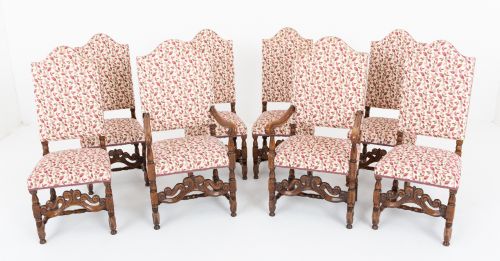
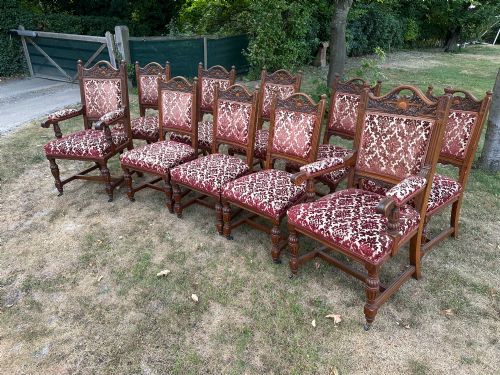
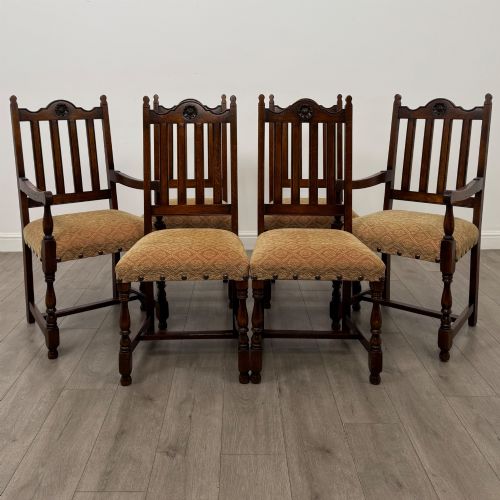
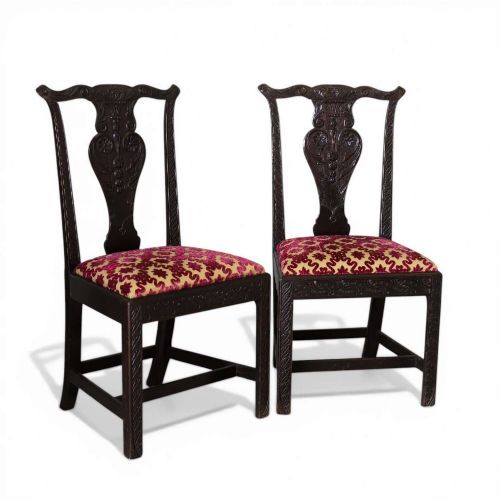


Patterned Oak Side Chair
These patterned oak side chair examples bring solid wood construction and historic textiles straight into your dining room or study.
Patterned Oak Side Chair
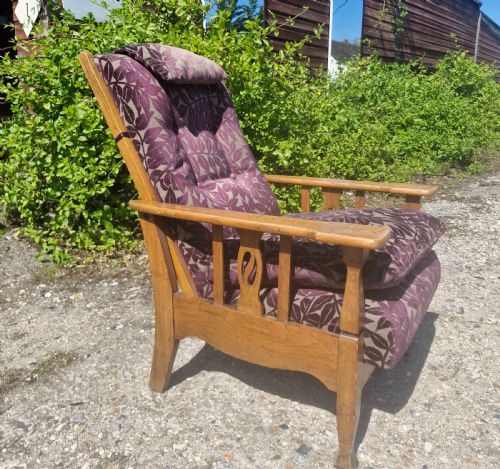
A patterned oak side chair represents a sturdy seating option built from durable timber and finished with distinct textile coverings. You will encounter dining chairs, side chairs, and occasional pieces spanning several historical eras.
The selections on this page range from 18th century Scottish examples to Victorian and Edwardian pieces, alongside Art Deco and Arts and Crafts designs. These items frequently appear as individual seats or in matched sets for larger tables.
Makers and workshops utilised various revival styles, incorporating Gothic, Jacobean, and Georgian influences into the timber frames. Buyers often choose these chairs to combine reliable oak structures with patterned upholstery.
How they were made
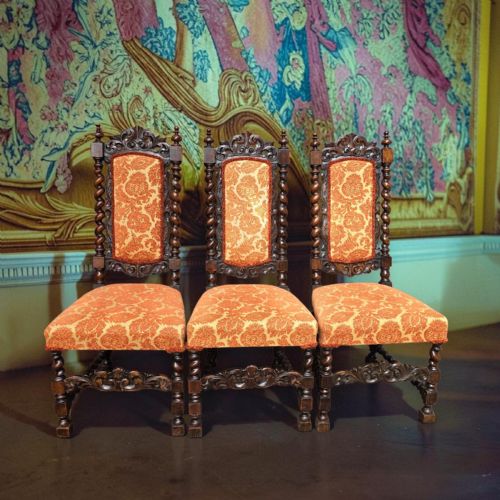
Craftsmen built the frames using solid oak, frequently shaping the wood through turning, carving, or joinery techniques. Barley twist legs and carved backrests appear across multiple periods.
Upholstery materials include fabric, velvet, textile, and leather, secured to the wooden frames with metal tacks or brass details. Folding campaign mechanisms and reclining structures also feature in specific chair types.
Patterned Oak Side Chair Retail Price Guide 2026
Typical asking prices for patterned oak side chair among the pieces listed under this phrase on Sellingantiques today, from the lower quarter to the upper quarter. They describe what is for sale here now, not the wider market.
Upholstery materials across the selection include velvet, leather, brass accents, and various patterned textiles.
What varies in quality
The standard of timber selection and the depth of hand carving separate standard production from superior examples. Crisp detailing in the woodwork indicates greater skill during manufacture.
The choice of covering material and the integrity of the upholstery foundation influence the overall character. Original fabric selections or sympathetic reupholstery preserve the integrity of the period style.
Wheelers of Arncroach·Waring
The Patterned Oak Side Chair Glossary
- Side chair
- A chair without arms, typically designed for dining or occasional use around a room. These pieces provide compact seating arrangements.
- Barley twist
- A woodworking technique where timber is turned to resemble a spiralling column or rope. This decorative detail appears frequently on Victorian supports.
- Gothic Revival
- An architectural and decorative style drawing inspiration from medieval forms, featuring pointed arches and heavy carving. Pieces from this movement display distinct ecclesiastical motifs.
- Arts and Crafts
- A design movement prioritising traditional craftsmanship, visible construction, and simple forms. Furniture from this style often highlights the natural grain of the oak.
- Upholstery
- The padded and covered components attached to a furniture frame to provide comfort. Materials range from traditional textiles to leather and velvet.
Patterned Oak Side Chair: Frequently Asked Questions
Where should I place a patterned oak side chair?
These chairs function well around a dining table, as individual accent seating in a living room, or beside a desk. Their compact proportions allow them to fit easily into smaller spaces.
Matching a single chair to an existing room layout introduces historic character without dominating the floor plan.
How do I identify the period of an oak chair?
Examine the decorative style, such as Gothic Revival arches, Arts and Crafts simplicity, or Victorian barley twist turnings. The specific carving techniques and joinery methods provide clear clues to the date of manufacture.
Comparing the frame construction against known regional styles helps narrow down the historical era.
What textiles were used on these chairs?
Upholstery options span patterned fabrics, rich velvets, woven textiles, and leather panels. Many pieces feature period-appropriate or later replacement coverings that complement the oak frames.
The choice of textile often reflects the revival style or the specific decade in which the chair was produced.
Are these chairs suitable for daily dining?
Solid oak frames provide the structural strength needed for regular seating use around a dining table. Many examples are built as part of larger dining sets designed for everyday gatherings.
Checking the stability of the joints and the support of the upholstered seat ensures comfort during extended meals.