



Oak Nursing Chair
An oak nursing chair offers low-slung seating designed for comfort, emerging most frequently from the nineteenth century in various regional styles.
Oak Nursing Chair
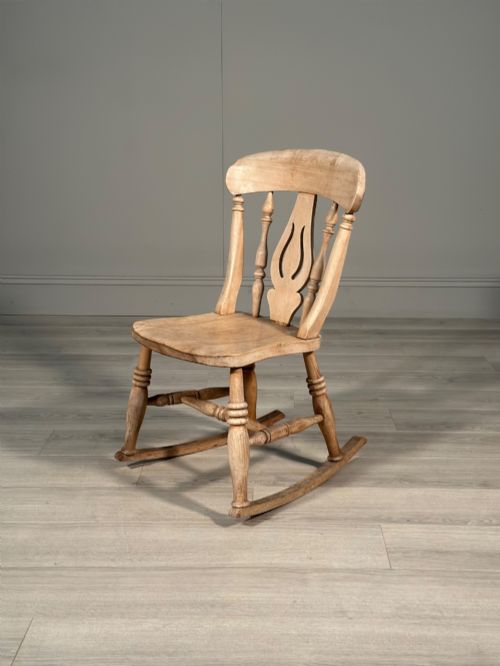
When you search for an oak nursing chair, you encounter low-seated chairs built primarily during the nineteenth century and the Edwardian period. These pieces span Victorian, Arts and Crafts, and Gothic Revival styles, often appearing with low frames suited to bedroom and parlour use.
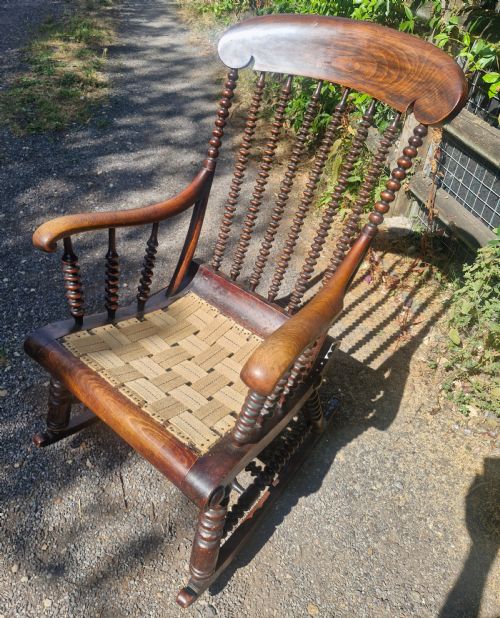
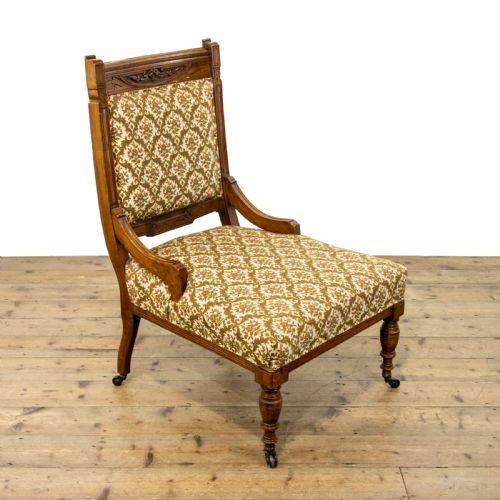
The versions most likely to meet you on this page include nineteenth-century low chairs, Victorian country ladder backs, and Edwardian upholstered examples. Makers fashioned them from oak, elm, and hardwood, frequently mounting them on rockers or giving them low profiles for domestic comfort.
How they were made
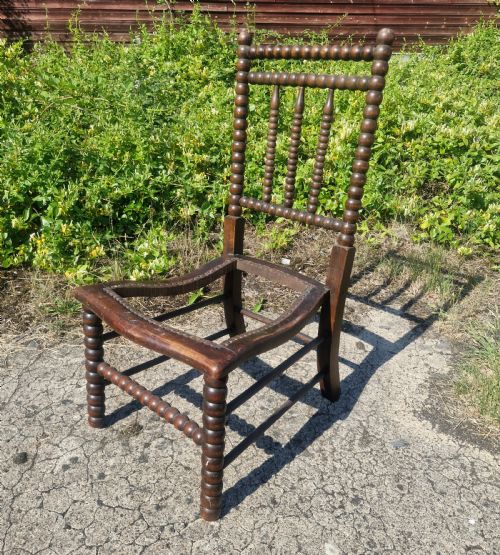
Carpenters constructed the frames using solid oak or elm, sometimes employing bobbin turning or ladder back construction. Joinery methods relied on traditional pegged or tenoned joints to support the low-slung seat frames.
Upholstery involved materials like cotton calico, leather, and woven webbing over button-backed or padded foundations. Brass details and applied finishes, including limed treatments, completed the surface work.
Oak Nursing Chair Retail Price Guide 2026
Typical asking prices for oak nursing chair among the pieces listed under this phrase on Sellingantiques today, from the lower quarter to the upper quarter. They describe what is for sale here now, not the wider market.
Periods represented span the nineteenth century, Victorian era, and Edwardian period.
What varies in quality
The refinement of the turning and the integrity of the timber frame separate standard examples from finer ones. Superior pieces display carefully selected oak grain and balanced proportions in their low frames.
Wheelers of Arncroach
The Oak Nursing Chair Glossary
- Bobbin turning
- A form of woodturning characterised by a series of rounded, spool-like shapes carved along the length of the furniture leg or frame.
- Ladder back
- A chair back featuring several horizontal wooden slats resembling the rungs of a ladder, common in country furniture.
- Gothic Revival
- A nineteenth-century style drawing inspiration from medieval architectural motifs, featuring pointed arches and heavy carving.
- Limed oak
- An oak wood finish treated to produce a pale, weathered appearance, often associated with the Arts and Crafts movement.
Oak Nursing Chair: Frequently Asked Questions
What is an oak nursing chair?
An oak nursing chair is a low-seated nineteenth-century chair originally designed for nurseries, bedrooms, or general domestic use. They feature compact proportions and sturdy wooden frames.
These chairs often incorporate rocking mechanisms or low frames intended to make sitting comfortable during specific domestic tasks.
How old are these chairs?
The pieces available range primarily from the mid-nineteenth century through the Edwardian era, with occasional earlier country examples. Most date between eighteen-fifty and nineteen-ten.
Styles span Victorian Gothic Revival, Arts and Crafts, and Aesthetic Movement designs characteristic of those decades.
Where were they used?
Households placed these low seats in bedrooms, nurseries, and dressing rooms where compact, low-to-the-ground seating proved practical. Their small scale suited intimate residential spaces.
Victorian and Edwardian homes utilised them as occasional chairs alongside standard parlour furniture.
How do I care for the wood?
Maintain oak frames by keeping them away from direct heat sources and sudden humidity changes to prevent timber splitting. Regular dusting preserves the polished finish.
Apply traditional wax sparingly when the wood appears dry to maintain the natural sheen of the oak.